Moving a prestige vehicle demands precision at every stage. When you’ve invested in a Porsche, Ferrari, classic Jaguar, or meticulously maintained collector’s car, every millimetre of clearance matters during transport. Each tie-down point requires careful consideration to avoid damage.
The journey from Kingsley to Perth CBD spans approximately 15 kilometres. Whilst this distance seems modest, transporting vehicles worth more than most houses requires absolute attention to detail. You’re not simply moving metal and rubber – you’re protecting passion, investment, and often irreplaceable automotive heritage.
High-value vehicles face unique transport challenges that standard towing methods cannot safely address. Low ground clearances of 100-120mm, all-wheel-drive systems requiring synchronised wheel movement, and delicate painted surfaces demand specialist equipment operated by trained professionals who understand prestige car transport requirements.
Why Standard Towing Methods Fail For High-Value Vehicles
Traditional towing approaches were designed for efficiency moving standard vehicles with typical clearances, conventional drivetrains, and mass-market construction. These methods prove inadequate and potentially catastrophic when applied to prestige automobiles worth $100,000-$500,000.
Low Ground Clearance Limitations
Performance and luxury vehicles frequently sit just 100-120mm off the ground. Some modified vehicles measure even lower, with dedicated show cars sometimes achieving ride heights below 80mm. Standard tow truck ramp angles of 15-20 degrees scrape front spoilers, damage undertray panels, or crack expensive carbon fibre components before vehicles reach flatbed surfaces.
One incorrect approach angle destroys components costing thousands to replace. Front splitters on many prestige vehicles extend below stated ride heights, creating contact points invisible until damage occurs. These extensions prove particularly vulnerable because they’re designed to channel air efficiently, not withstand upward forces from ramp contact.
The Porsche 911 GT3 features a front splitter extending approximately 60mm beyond the front bumper whilst sitting just 100mm above ground. Loading this vehicle onto standard ramps creates guaranteed contact between splitter and ramp surface. The resulting damage requires splitter replacement at costs exceeding $4,000 for the component alone, before considering labour and painting.
Ferrari models present similar challenges with active aerodynamic components that adjust position based on speed. These systems lower at rest, reducing ground clearance by 20-30mm below driving height. Operators unfamiliar with these systems attempt loading vehicles at minimum height, creating clearance problems that wouldn’t exist if systems were raised electronically before loading.
All-Wheel-Drive System Vulnerabilities
Towing AWD and 4WD vehicles with two wheels lifted whilst the other pair remains on ground wrecks drivetrains through mechanical stress never intended by engineers. This approach forces opposing wheel movements, similar to making two people walk in opposite directions whilst their shoelaces tie together. Something gives, and repairs cost thousands.
Modern AWD systems in vehicles like the Porsche 911 Turbo or Ferrari GTC4Lusso employ sophisticated multi-plate clutch arrangements distributing torque variably between front and rear axles. These systems expect all wheels to rotate at matched speeds within narrow tolerances. When two wheels lift during towing whilst two remain grounded, the system interprets this as catastrophic traction loss requiring maximum intervention.
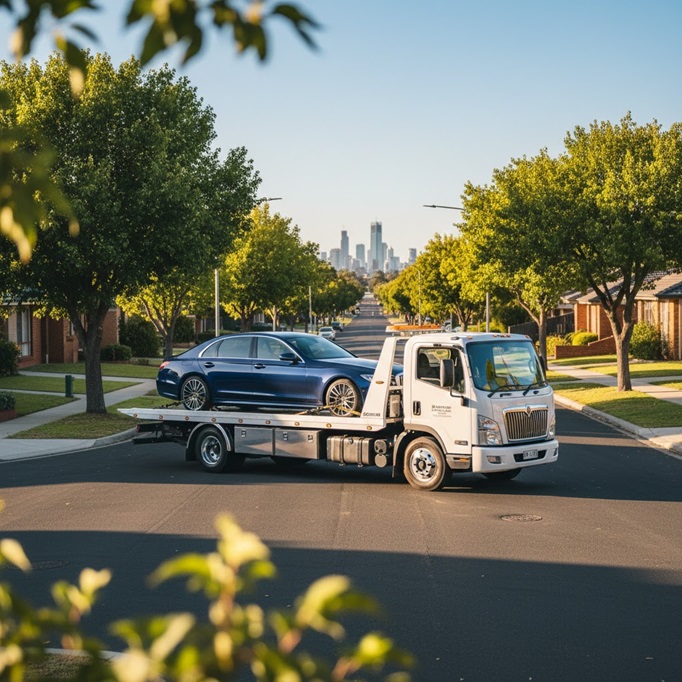
Professional operators protect expensive drivetrains using scratch-free tilt tray transport that keeps all four wheels stationary on stable platforms, eliminating drivetrain stress entirely. This method prevents transfer case damage, transmission failures, and differential destruction that occurs with improper towing approaches.
The financial consequences of drivetrain damage prove substantial. Porsche Turbo rear differentials cost $8,000-$12,000 to replace. Ferrari transfer cases exceed $15,000. Labour for removal and installation adds another $3,000-$5,000. These repairs transform $300 towing services into $20,000 disasters through operator inexperience.
Tie-Down Process Dangers
Standard towing employs chains or straps attached to convenient points, often suspension components or chassis locations never designed for lateral stress during transport. This approach bends control arms, cracks subframes, or damages expensive wheels on prestige vehicles constructed from lightweight materials.
Prestige vehicles increasingly employ aluminium or carbon fibre construction for weight reduction. A McLaren 720S uses carbon fibre tub construction weighing just 75kg yet providing exceptional rigidity. This structure demonstrates enormous strength under loads it was designed for – but tie-down forces create stress patterns engineers never considered.
Premium car delivery requires soft straps attached to manufacturer-specified towing points documented in vehicle service manuals. Operators consult specifications for every make and model, ensuring load distribution across proper structural points without touching painted surfaces or mechanical components. These reference materials specify exact attachment locations, maximum strap tensions, and securing procedures matching each vehicle’s construction methods.
Paint and Surface Finish Protection
Prestige vehicles feature multi-stage paint processes with specialised clear coats costing $15,000-$25,000 to respray properly across entire vehicles. Single panels require $3,000-$5,000 for proper colour matching, blending, and clear coat application matching factory standards.
Modern prestige paint employs ceramic particles in clear coats providing scratch resistance and depth. However, these advanced finishes prove sensitive to chemical contamination from incorrect cleaning products or prolonged exposure to pollutants during open transport. Professional operators use pH-neutral products for any surface contact, avoiding contamination that could etch clear coats permanently.
How Tilt Tray Transport Eliminates Every Risk
Tilt tray methodology represents the gold standard for prestige car transport because it removes guesswork and gambles from the entire process through engineering rather than hoping vehicles clear obstacles.
Ground-Level Hydraulic Operation
The entire flatbed tilts hydraulically to ground level, becoming completely flat or achieving angles below 5 degrees depending on ground surface conditions. No ramps. No steep angles. No scraping. Vehicles winch onto decks using soft straps attached to proper towing points specified by manufacturers in service documentation.
Hydraulic systems provide precise control impossible with mechanical ramps. Operators adjust deck angles in fractional-degree increments, finding minimum angles allowing safe loading whilst maintaining deck stability. This precision prevents the “all or nothing” approach of fixed ramps that either work perfectly or damage vehicles catastrophically.
Once positioned on decks, four-point tie-downs with wheel straps secure vehicles. These straps hold tyres themselves, distributing load evenly across rubber sidewalls without touching painted surfaces or mechanical components. The result? Vehicles travel exactly as they would parked in garages, experiencing identical forces to stationary storage.
Complete Mechanical Protection
All four wheels rest on stable platforms throughout transport. This comprehensive support eliminates multiple risk factors simultaneously:
- Drivetrain stress from mismatched wheel rotation rates
- Suspension compression from unnatural loading angles
- Road debris and weather exposure during transit
- Bumper and body panel contact risks from movement
Suspension systems remain in neutral positions throughout transport, neither compressed nor extended beyond normal operating range. This prevents stress on shock absorbers, springs, and mounting bushings that could create alignment issues or premature wear.
Painted Surface Protection
All Out Towing specialises in high-value car transport using protective materials at every vehicle contact point. Door sills receive protective film before operators open anything. Bonnet edges and boot lips receive protective covering before loading equipment positions near these areas. No leaning on panels. No tools resting on paintwork.
Operators wear microfibre gloves when handling vehicles, preventing natural skin oils from contaminating paint surfaces. Modern ceramic-infused clear coats attract and hold fingerprints more readily than traditional paints. Gloves prevent this contamination entirely whilst providing better grip on steering wheels and door handles during positioning procedures.
The Kingsley To Perth Cbd Route Requires Careful Planning
This particular 15-kilometre route might appear straightforward on maps showing simple arterial connections. However, transporting high-value vehicles demands attention to details invisible to casual observation but critical for maintaining vehicle condition.
Traffic Pattern Management
Traffic through Kingsley and down Wanneroo Road demonstrates unpredictability, especially during peak periods between 7:00-9:00 and 16:00-18:00 when congestion concentrates on major arterials. Scheduling pickups to avoid congestion wherever possible reduces time vehicles spend on trucks in stop-start traffic patterns.
Every minute in congestion creates opportunities for load settling or shifting as trucks brake and accelerate repeatedly. Professional operators monitor traffic conditions real-time, adjusting departure timing when delays exceed acceptable thresholds. Sometimes waiting 30 minutes for traffic clearance proves safer than departing immediately into congested conditions.
The transition onto Mitchell Freeway from Wanneroo Road involves rough patches, expansion joints, and speed changes requiring careful navigation. Operators adjust driving style accounting for these variations – no sudden braking that could shift loads forward, no hard acceleration creating rearward load movement, no aggressive lane changes introducing lateral forces.
Expansion joints on Mitchell Freeway south of Hepburn Avenue create noticeable jolts even in passenger vehicles. Trucks carrying prestige cars traverse these sections at reduced speeds, minimising vertical forces transmitted through suspension to vehicle structures. What feels like minor bumps in cars translates to significant vertical loading when vehicles sit on truck decks.
CBD Destination Access Planning
Not every loading zone or underground car park accommodates tilt tray trucks measuring 8-10 metres in length with 3.2-metre heights when decks return to horizontal positions. Site assessments occur before jobs commence, confirming clearance heights, turning radiuses, and unloading zones provide adequate space for safe vehicle delivery.
High-rise apartment complexes or secure facilities with restricted access require coordination with building management in advance. Gate codes, security protocols, and access timing windows all affect delivery scheduling. Professional operators obtain this information during booking, preventing arrival at locations where access proves impossible without prior arrangements.
Underground car parks present height restrictions typically ranging from 2.0-2.5 metres. Tilt tray trucks can’t enter these spaces whilst carrying vehicles. Operators must unload vehicles outside buildings, then drive them into car parks manually. This requires functional vehicles with keys, fuel, and operational systems – details confirmed during booking processes.
What White-Glove Service Means In Practice
The term “white-glove” appears frequently in prestige transport marketing, often without substantive meaning beyond premium pricing. For professional operators, it represents non-negotiable standards implemented consistently rather than marketing terminology.
Pre-Transport Documentation Foundation
Before operators touch vehicles, comprehensive visual inspections document condition through photography capturing every panel, wheel, and trim piece from multiple angles including close-ups of existing marks, scratches, or imperfections. This creates indisputable records of vehicle condition at pickup, protecting both operators and owners.
Time-stamped digital photographs upload immediately to secure servers, establishing creation times indisputably. If questions arise about transport damage weeks later, photographic evidence resolves disputes conclusively. Customers receive documentation copies immediately via email, providing their own records independent of operator files.
Inspection protocols follow standardised checklists ensuring completeness. Front three-quarter view. Rear three-quarter view. Both full side profiles. All four wheels individually. Interior condition. Engine bay. Boot space. Undersides where accessible. This systematic approach prevents oversights that could complicate post-transport damage claims.
Soft-Touch Handling Protocols
Operators wear gloves when handling vehicles and use protective mats or pads on any surface contacting cars. The process includes multiple protective steps:
- Door sill protection before opening doors
- Bonnet edge covering during inspection procedures
- Boot lip padding when loading equipment enters trunk areas
- Panel protection from tools and equipment carried on trucks
These procedures add minutes to loading times but prevent seconds of carelessness from creating permanent damage. Professional operators willingly invest extra time preventing problems rather than explaining damage afterwards.
Protective materials employ non-abrasive fabrics that won’t scratch even delicate paint finishes. Adhesives use removable formulations leaving no residue on painted surfaces. Everything removes cleanly after loading completes, leaving zero trace of protective procedures beyond preventing damage.
Communication Throughout Transport
Customers receive confirmation when operators begin route for pickup, typically 15-30 minutes before arrival allowing final preparations. Another update transmits when vehicles secure and transport begins, providing departure confirmation and estimated delivery times.
Final notification occurs when approaching delivery locations, giving customers 10-15 minutes warning to prepare for arrival. Unexpected occurrences like road closures, delays, or timing changes trigger immediate customer notification rather than waiting until scheduled delivery times pass.
Real-time GPS tracking provides additional reassurance for high-value transports. Customers monitor vehicle positions throughout journeys, seeing progress towards destinations rather than wondering about locations during transport. This transparency builds confidence whilst allowing customers to plan around actual arrival times rather than estimates.
Actual Costs And Value Proposition
Prestige car transport from Kingsley to Perth CBD typically costs between $250-$450, depending on specific vehicles, timing, and special requirements like covered transport or after-hours service. This investment covers more than simple vehicle movement from point A to point B.
What You’re Actually Paying For
That investment covers specialised equipment costing three to four times standard tow truck values. Tilt tray trucks with hydraulic beds, variable winch controls, and soft securing systems represent significant capital investments maintained to exacting standards. Trained operators with specific high-value vehicle handling expertise don’t develop overnight – they represent years of experience across thousands of transports.
Comprehensive insurance with policy limits reflecting actual replacement costs protects vehicles worth $100,000-$500,000. Standard towing insurance typically caps at $50,000-$75,000 maximum. Prestige transport insurance extends to $500,000 or higher, matching vehicle values transported. Time and care impossible to rush rounds out the package – prestige transports can’t be squeezed between budget jobs without compromising quality.
Cost Comparison Reality
Compare $300 transport costs to potential damage repairs. Scraped front splitters cost $3,000-$5,000 to replace and repaint properly with colour matching. Cracked carbon fibre undertrays run $10,000-$15,000 for parts and installation. Complete value loss occurs if auction-bound collector’s cars arrive with fresh transport damage documented in pre-auction inspections reducing sale prices dramatically below reserve values.
One damaged vehicle costs more to repair than 20-30 successful transports generate in revenue. Professional operators understand this math and structure procedures preventing damage rather than managing claims after damage occurs. Prevention costs less than repair for operators and customers alike.
Protecting Your Prestige Investment
Prestige vehicles represent more than money. They embody time, skill, passion, and dedication invested over years. Choosing transport services isn’t about finding cheapest options but rather identifying operators understanding what’s at stake whilst possessing equipment, experience, and insurance protecting investments completely.
Professional operators providing factory-approved car towing methods deliver confidence through proper equipment, trained personnel, comprehensive insurance, and meticulous attention to details protecting vehicles completely. After 15 years serving Perth’s northern and southern suburbs, experience demonstrates that prestige car owners seek certainty vehicles arrive in exactly the same condition they departed.
Whether moving daily-driven Porsches to service appointments or transporting trailer-queen Ferraris to concours events, standards remain identical. White-glove care from pickup to delivery, with zero compromises on safety or quality, ensures your investment receives protection matching its value.
Operators offering collector-grade prestige car towing handle purchase inspections, service appointments, event transport, and storage transitions with equal care. Access instant-dispatch emergency towing when breakdown situations demand immediate response regardless of time or day.
Perth drivers can arrange premium car delivery by calling 0418 959 216 any time, day or night. Our dispatch team coordinates specialist transport from Kingsley to Perth CBD with the same careful attention to detail that’s built our reputation across Perth’s prestige car community over 15 years of service.