You’ve spent years building your show car. Every panel sits absolutely perfect. Paint’s flawless under show lights from every angle. The undercarriage’s cleaner than most people’s kitchens after professional detailing.
Now you need getting it to events across Western Australia without single stone chips, scratches, or dust specks compromising months of meticulous preparation work. That’s where show car transport becomes less about simply moving vehicles between locations and more about preserving rolling art pieces that represent thousands of hours of dedicated work.
From immaculate FJ Holdens representing automotive heritage to million-dollar European supercars showcasing engineering excellence, professional transport across Western Australia requires understanding that for show car owners, “good enough” doesn’t exist anywhere in vocabularies. Neither does it in professional operators’ service standards.
Why Show Cars Need Specialised Transport
Show cars aren’t daily drivers experiencing normal road conditions. They’re investments, passion projects, and sometimes irreplaceable pieces of automotive history representing decades of careful preservation or years of ground-up restoration work.
Tolerance Differences
The difference between show cars and regular vehicles comes down to tolerances measured in micrometres rather than millimetres. Show-quality paint finishes can’t handle same casual treatment as work utes’ factory finishes receive daily. Lowered suspension systems mean different ground clearance calculations than standard vehicles. Custom wheels need specific securing methods preventing any contact with expensive finishes.
Paint preparation for show-quality finishes involves colour sanding between multiple clear coat layers, achieving mirror-like depth impossible with standard painting processes. This delicate finish marks easily from contact with anything abrasive. Swirl marks visible under show lighting require complete panel respraying to correct properly.
Undercarriages on show cars receive same attention as visible exterior surfaces. Chassis components get powder coated. Suspension pieces feature show-quality finishes. Exhaust systems polish to mirror finishes. Protecting these often-invisible details proves equally important as protecting visible painted surfaces everyone notices immediately.
Standard Towing Inadequacy
Standard towing methods simply don’t work for show-quality vehicles under any circumstances. Hook towing risks drivetrain damage alongside paint scratches from chain contact. Even slight contact with road debris at highway speeds can ruin months of preparation work invested in achieving show-ready condition.
One stone chip on freshly painted bonnets? That’s potentially another complete week in spray booths for proper repair matching existing finish quality. Stone chips don’t buff out of show-quality paint – they require spot repair, blending, and clear coating matching surrounding areas perfectly. Professional judges notice even tiny imperfections during detailed vehicle inspections at prestigious events.
The Tilt Tray Difference For Show Quality Transport
Think of tilt trays as mobile garage floors coming directly to cars, not requiring the other way around. Professional operators offering concours-grade tilt tray services eliminate the single biggest risk in vehicle transport operations – loading and unloading angles creating potential undercarriage contact.
Zero Ground Contact During Loading
Trays lower completely flat to ground level. No ramps creating 15-degree angles. No steep approaches requiring careful throttle modulation. No risk whatsoever of scraping custom front splitters, rear diffusers, or ultra-low exhaust systems during loading procedures.
Vehicles winch onto perfectly flat surfaces using soft straps distributing load evenly across chassis mounting points engineered specifically for these applications, never touching painted surfaces or delicate trim pieces. Winching occurs at controlled speeds allowing operators to monitor every centimetre of vehicle movement, stopping immediately if any concern arises during processes.
Complete Weather Protection Options
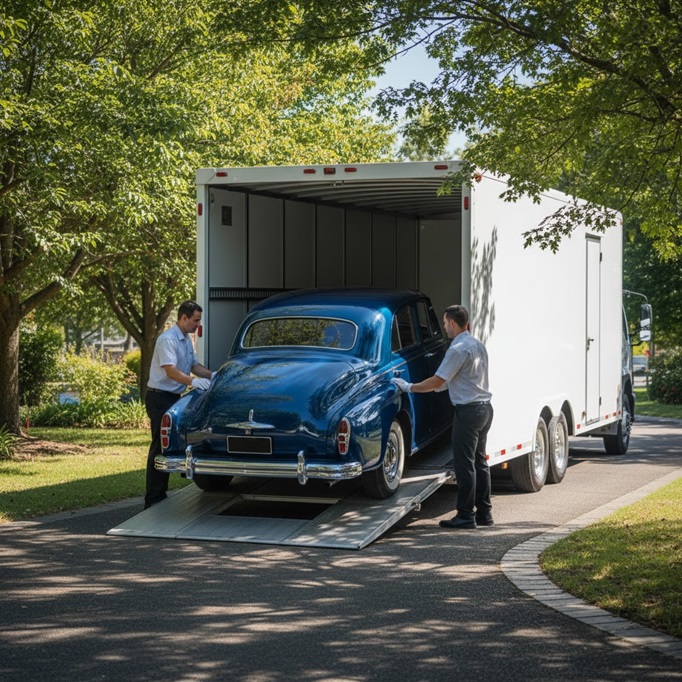
We arrange covered transport for high-value vehicles requiring protection from sun exposure, rain, and road spray during transit between locations. This proves absolutely essential for classic car event delivery where presentation matters critically from departure through arrival at show venues.
Covered transport prevents dust accumulation during highway travel. Protects paint from UV exposure during multi-hour transports. Shields vehicles from sudden weather changes that occur frequently across Western Australia’s diverse climate zones. Maintains show-ready condition throughout entire transport duration.
Open transport works adequately for many situations, but show cars destined for concours judging or prestigious exhibitions deserve enclosed protection maintaining perfect condition throughout journeys. The additional investment proves worthwhile when presentation quality directly affects judging outcomes or sale values at high-end auctions.
What We Check Before Show Cars Move
Every show car transport starts with thorough pre-transport inspections taking 15-20 minutes minimum. This isn’t quick walk-around checking for obvious damage. It’s documented professional assessment protecting both investments and operator reputations.
Photographic Documentation
We photograph vehicles from every conceivable angle before loading begins. These time-stamped digital images create indisputable records of vehicle conditions at pickup moments. If anything happens during transport – which won’t occur with proper procedures but documentation matters regardless – we’ve got definitive proof of before states.
Images capture overall views from all four corners. Close-ups document each panel individually. Wheel faces and brake components receive individual shots. Interior condition photographs through windows. Undersides where accessible without jacks. This comprehensive documentation protects everyone involved in transport processes.
Ground Clearance Measurements
Measurements using precision tools tell operators exactly how much tray angle they can safely use during loading. Even few millimetres matter significantly when dealing with custom splitters or side skirts extending to within 60-80mm of ground surfaces. Professional exhibition vehicle delivery in Perth requires precise calculations, not visual estimates that prove unreliable.
Operators measure at multiple points – front centre, front corners, rocker panels, rear centre, rear corners. Different measurements indicate which areas prove most vulnerable during loading. This information guides approach angle selection and winching procedures ensuring all components clear surfaces throughout entire loading processes.
Route Planning For Show Car Transport
Getting show cars to events isn’t merely about calculating shortest distances on maps. It’s about considering road quality throughout routes, traffic patterns affecting journey duration, and weather conditions potentially impacting vehicle condition during transport.
Road Selection Strategy
We plan routes specifically optimizing for exhibition vehicle transport quality. That means actively avoiding construction zones where loose gravel sits on road surfaces. It means choosing sealed highways over back roads where possible, because maintained surfaces stay consistently cleaner than unsealed gravel shoulders collecting debris.
Perth to Bunbury for events? We take Forrest Highway exclusively, not Old Coast Road, because it’s smoother, better maintained, and experiences less heavy truck traffic spreading debris. Heading to Kalgoorlie for Goldfields events? We time departures avoiding hottest parts of days, reducing heat stress on covered vehicles during summer transports.
Route selection considers fuel stops carefully. We identify service stations with adequate space for large trucks pulling off highways safely without navigating tight corners or cramped forecourts. Planning prevents last-minute decisions creating unnecessary risks to transported vehicles.
Weather Monitoring
Weather conditions matter more for show car transport than most people realise initially. Sudden storms turn clean professional transports into mud-splattered disasters requiring extensive detailing work before show presentations. We monitor weather forecasts continuously and adjust timing proactively when conditions warrant.
Sometimes that means leaving days early before predicted weather systems arrive. Sometimes it means waiting six hours for rain cells to pass completely before commencing journeys. Show cars aren’t on deadlines mattering more than their final condition at destinations. We’d rather arrive late and perfectly clean than arrive on-time requiring hours of emergency detailing work.
All Out Towing prioritises vehicle condition over schedule adherence in every situation where conflicts arise between these priorities. Punctuality matters, but vehicle condition matters more for show transport where presentation proves critical to event success.
Common Show Car Transport Scenarios
Understanding typical transport situations explains exactly why stakes remain extraordinarily high for WA automotive events requiring professional transport services.
Perth to Regional Shows
Western Australia hosts numerous prestigious automotive events throughout the year across regional locations:
- Collie Steam Festival classic car transport to this annual heritage event
- Margaret River to Perth for Motorvana events and wine region shows
- Regional shows across Wheatbelt towns including Northam, York, and Toodyay
- Albany Classic Motor Show deliveries covering 400+ kilometres each way
- Esperance Motor Show requiring additional 300km of remote highway travel
- Geraldton events along northern coastal routes requiring salt air protection
Each route presents unique challenges requiring specific planning. Coastal routes demand protection from salt-laden air that corrodes exposed metal rapidly. Inland routes involve temperature extremes and potential dust storms during certain seasons. Professional operators adjust procedures matching route-specific requirements.
Post-Restoration First Transport
Your car’s just emerged from two-year frame-off restoration. Paint’s not even 90 days fully cured yet. It needs transport that won’t mark fresh clear coats or stress new mechanical components during their critical break-in periods. This is where experience with delicate vehicles proves its absolute worth.
Professional operators delivering trophy-winning car towing solutions handle these complex logistics seamlessly, understanding that fresh paint requires special handling avoiding any pressure on surfaces for minimum 30 days after painting. Straps position carefully to avoid contact with recently painted areas. Securing methods distribute loads across strongest structural points.
New mechanical components benefit from gentle handling during initial operation periods. Fresh engines shouldn’t see high RPM during first 1,000 kilometres. New transmissions require gentle engagement during synchronizer break-in. New suspension components settle into final positions gradually over initial driving distances. Transport preserves these break-in requirements better than driving vehicles before components properly seat.
Why Show Car Owners Choose Specialised Transport
You could drive show cars to events personally. Some owners do exactly that, accepting associated risks for various reasons. But here’s what they’re genuinely risking through this decision:
Stone Chip Exposure
One truck travelling ahead of you on Forrest Highway means dozens of potential paint impacts from debris thrown rearward at highway speeds. Show-quality paint requires weeks to repair properly after stone chip damage, not days. Each chip needs spot preparation, colour matching, painting, blending into surrounding areas, and clear coating matching existing finish depth and characteristics.
Professional paint correction for show-quality finishes costs $150-$400 per chip for proper repairs. Insurance rarely covers stone chip damage, considering it normal road wear rather than insurable incidents. Three stone chips from single highway journey cost $450-$1,200 to repair properly – exceeding professional transport costs whilst requiring vehicle withdrawal from shows during repair periods.
Weather and Road Debris
Rain, insects, and road spray don’t care about show schedules or event preparation investments. Hours of meticulous detailing work get completely undone in mere minutes of highway driving through typical conditions. Professional transport eliminates these exposures entirely, delivering vehicles in identical condition to departure states.
Bug strikes prove particularly problematic. Insect remains contain acidic compounds etching clear coats if left on surfaces beyond few hours. Removing dried bug residue risks marring delicate show finishes even with proper techniques. Prevention through enclosed transport proves far superior to remediation after exposure.
Mechanical Wear
Vehicles running only 500 kilometres annually don’t need unnecessary kilometres added to odometers. Every kilometre adds wear to irreplaceable original components on classic vehicles or expensive performance parts on modern builds. Transport preserves mechanical condition whilst preventing additional wear accumulation on valuable components.
Original engines with matching numbers represent significant value premiums on classic vehicles. Adding 600 kilometres to odometers for regional show transport reduces values whilst creating wear on components potentially impossible to replace with original parts. Transport preserves these critical authenticity details.
Professional Transport Advantages
The real cost difference between driving and transporting show cars often surprises owners conducting detailed analysis comparing all relevant factors rather than just comparing base transport fees to fuel costs alone.
Paint Damage Prevention
Paint damage from stone chips averages $150-$400 per chip to repair properly for show-quality finishes. Show-quality paint requires exact colour-matching, professional blending into surrounding panels, and clear coat application meeting existing finish standards throughout vehicles. One regional trip generates five to ten chips easily on highway sections, creating $750-$4,000 in repair costs.
Professional transport prevents this damage entirely through enclosed protection or careful route selection avoiding debris-heavy roads. The transport investment pays for itself through damage prevention alone before considering other benefits like mechanical preservation and stress reduction.
True Cost Comparison
Professional show car transport from Perth to regional events typically costs $400-$800 depending on distances travelled and specific requirements like enclosed transport or timing flexibility. Compare that comprehensive cost to multiple expense factors:
- Fuel costs for V8 show cars averaging 15L/100km consumption
- Potential stone chip repairs at $150-$400 each across multiple impacts
- Mechanical wear on irreplaceable original components or expensive performance parts
- Stress and anxiety navigating hazards in priceless vehicles over hundreds of kilometres
- Time invested in driving rather than attending to other event preparations
When you’re already investing thousands in show preparation, entry fees, accommodation, and related expenses, transport becomes smartest money you’ll spend on entire event participation. Professional operators providing podium-protecting car towing services safeguard your investment from departure through arrival, eliminating risks that could compromise show results or vehicle values.
Regional Wa Event Transport Expertise
Western Australia’s show car scene extends far beyond Perth’s metropolitan boundaries. We’ve transported vehicles to events across the entire state over 15 years of operation.
Coastal Event Routes
Albany Classic Motor Show involves 400-kilometre journeys with highway driving, hill climbing through Darling Ranges, and coastal road sections. The route requires understanding specific challenges including steep grades, narrow sections, and weather exposure from Southern Ocean wind patterns.
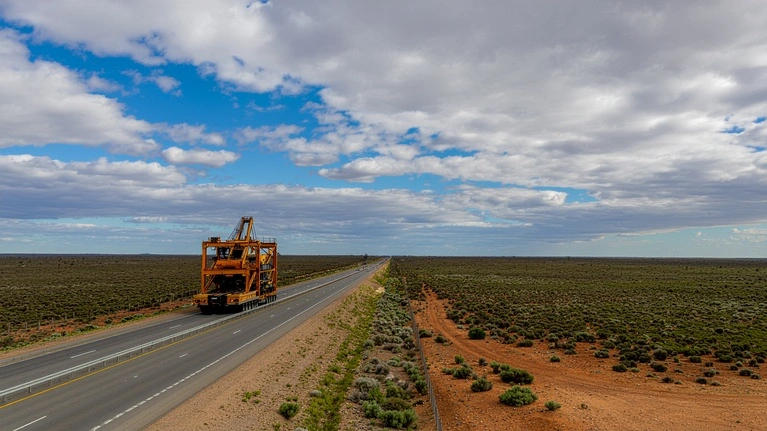
Esperance Motor Show adds another 300 kilometres of remote highway travel beyond Albany. This route crosses some of Western Australia’s most isolated sections with limited services. Planning must account for fuel stops, rest breaks, and emergency response capabilities in areas with minimal mobile coverage.
Geraldton events utilize northern coastal routes requiring salt air protection for vehicles during transport. Marine environments accelerate corrosion on exposed metal surfaces. Enclosed transport or protective coverings prevent salt contamination during these coastal journeys.
Inland Event Planning
Goldfields events in Kalgoorlie involve WA’s longest continuous highway stretches through arid conditions. Summer heat exceeding 45°C and potential dust storms during certain seasons change transport approaches substantially. We’ve run these routes dozens of times, understanding specific challenges that inexperienced operators discover the hard way through component failures or vehicle damage.
Protecting Your Show Car Investment
Show cars represent more than money. They represent time, skill, passion, and dedication invested over years or decades. Choosing transport services isn’t about finding cheapest available options but rather identifying operators understanding exactly what’s at stake whilst possessing appropriate equipment and experience.
After 15 years transporting vehicles to WA automotive events, we understand that show car owners notice details invisible to everyone else in attendance. We know that “close enough” means “not good enough” for concours presentations. Our equipment maintains to higher standards because show cars deserve better than well-worn straps and cradles that other operators consider adequate.
Whether moving immaculate FJ Holdens to regional shows or transporting million-dollar European exotics to Perth Motorplex, our standards remain identical. Show quality transport from pickup to delivery, with zero compromises on safety or vehicle condition, ensures investments receive protection matching their genuine value.
Speak with our towing specialists at 0418 959 216 about your vehicle recovery needs. Our experienced operators handle exhibition vehicle delivery in Perth and across regional WA with the careful attention to detail that’s built our reputation in Western Australia’s show car community over 15 years of dedicated service.