You’re stuck on the side of Mitchell Freeway with a blown tyre and a cracked axle. The tow truck dispatcher asks: “Do you need a tilt tray or a standard tow?” And you’re standing there thinking, “Mate, I just need my car moved – what’s the difference?”
It’s a fair question. Most drivers don’t think about tow truck types until they need one, and by then, you’re stressed, possibly stranded, and want the quickest solution. But choosing the wrong kind of tow can actually damage your vehicle or cost you more than necessary. Understanding the difference between a tilt tray tow truck WA services provide, and a standard tow truck isn’t just technical knowledge – it’s about protecting your car and making smarter decisions when you’re already having a rough day.
Why This Matters More Than You Think
When you call for a tow, you’re trusting someone with one of your most valuable possessions. Your car isn’t just metal and wheels – it’s how you get to work, pick up the kids, and live your life. The wrong towing method can scrape undercarriages, stress drivetrains, or even void warranties on newer vehicles.
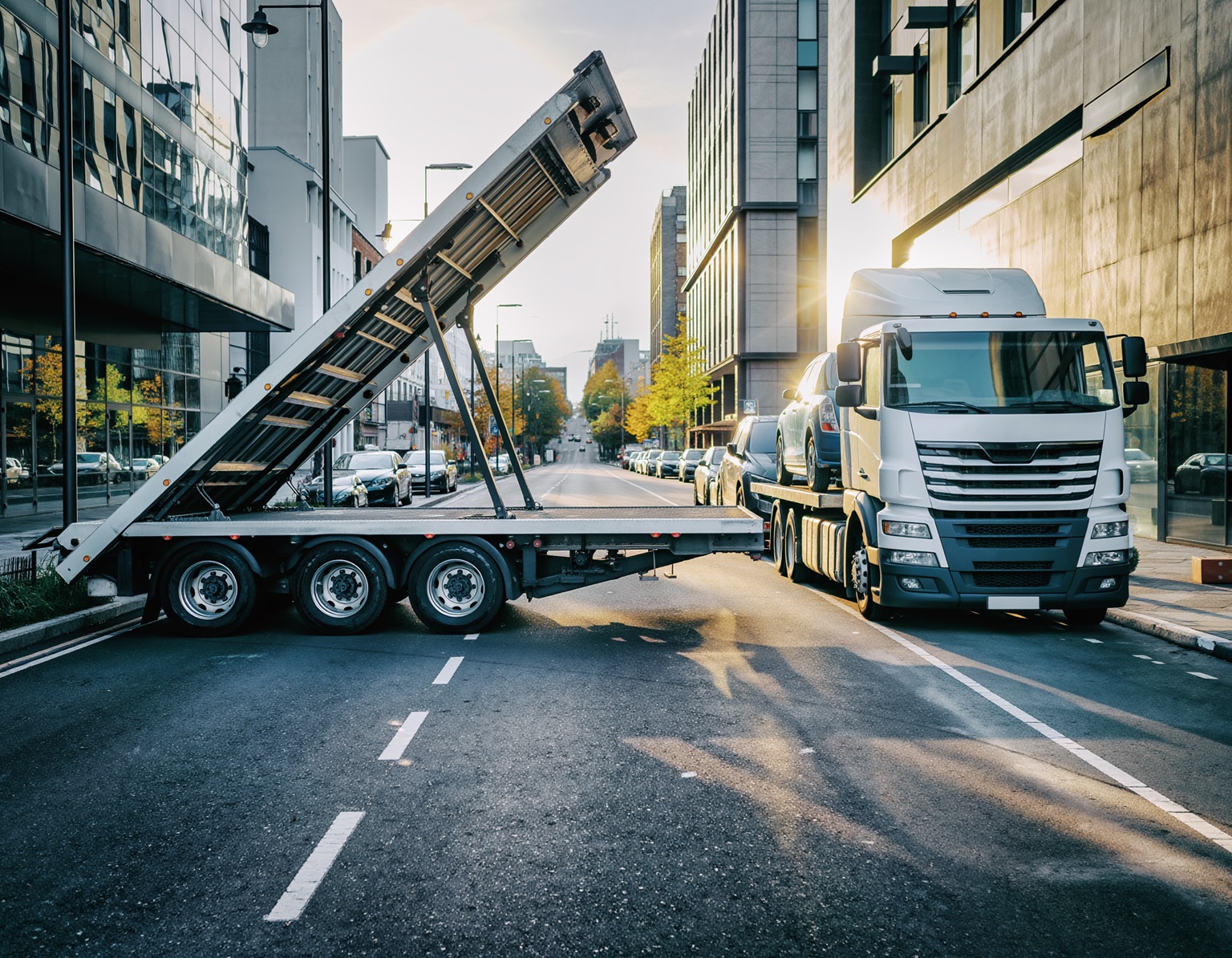
Standard tow trucks – the ones that lift your front or rear wheels off the ground – have been around for decades. They’re effective for many situations, but they’re not universal. Tilt tray towing Perth operators use works differently: the entire flatbed tilts down to the ground, your car rolls or gets winched onto it, and then the bed lifts back to horizontal. Your vehicle sits completely flat, all four wheels off the road.
The method matters because modern cars are complicated. All-wheel drive systems, low ground clearance, electronic parking brakes, expensive body kits – these features change what’s safe to tow and how. A 1985 Commodore? You could probably drag it backwards through the Pilbar, and it’d be fine. A 2023 Tesla Model 3? That needs a tilt tray, no exceptions.
When You Actually Need a Tilt Tray
Some situations aren’t negotiable. If your car has all-wheel drive or four-wheel drive, a tilt tray tow truck WA provides is usually your only safe option. Lifting just two wheels means the other two are still connected to the drivetrain, which can cause severe mechanical damage if towed any distance.
All-wheel-drive vehicles like Subarus, many modern SUVs, and performance cars require special handling. Using standard towing methods on AWD systems can result in transmission damage costing thousands in repairs. It’s not about being precious; it’s about how these systems are engineered.
Low-clearance vehicles are another clear case. Sports cars, modified vehicles with body kits, or anything that sits close to the ground can’t be safely lifted at an angle without scraping or damaging the front or rear bumper. A tilt tray keeps everything level and protected.
If your car’s been in an accident and the wheels won’t turn, or if the axle or suspension is damaged, you can’t tow it with two wheels on the ground. The tilt tray becomes the only practical solution. The same goes for vehicles that can’t be put in neutral – electric cars, certain hybrids, or cars with electronic faults.
Luxury and prestige vehicles often require tilt tray towing Perth services by insurance policy or manufacturer recommendation. It’s not snobbery; it’s about liability and protecting high-value assets. When you’re dealing with a $150,000 vehicle, no one wants to take risks. Our prestige car towing services ensure luxury vehicles are transported with the care they deserve.
What Standard Tow Trucks Do Well
Standard tow trucks aren’t obsolete – they’re just specialised. For rear-wheel-drive sedans, older vehicles, and straightforward breakdowns where the car still rolls freely, they’re perfectly adequate and often faster to deploy.
They’re also more manoeuvrable in tight spaces. If your car’s died in a narrow car park or a suburban driveway with limited access, a standard tow truck can often get in and out more easily than a larger tilt tray. Residential tows in older Perth suburbs sometimes have access challenges where a tilt tray wouldn’t fit between the fences.
Cost-wise, standard tows are sometimes cheaper, though the difference isn’t as significant as it used to be. But saving $50 on the tow isn’t worth risking $2,000 in damage. If there’s any doubt about whether your vehicle is suitable for a standard tow, don’t gamble on it.
The real advantage of standard tow trucks is speed in specific scenarios. If you’ve just got a flat battery or run out of fuel and need a quick tow to the nearest servo, and your car’s a basic front-wheel-drive hatchback, a standard tow gets the job done without fuss.
The Guilt You’re Probably Feeling
There’s this weird hesitation drivers have when they think they need the “fancy” tow truck. You don’t want to seem complex or demanding, especially if you’re already feeling embarrassed about breaking down. So you say, “Whatever’s easiest,” even when you’re not sure it’s the right call.
Professional towing companies want to send the right truck the first time. It’s not about upselling you – it’s about doing the job properly and avoiding comebacks or damage claims. When you call All Out Towing, the dispatcher will ask about your vehicle make, model, and situation specifically to determine what you need. That’s not bureaucracy; it’s expertise.
You’re not being precious by asking for a tilt tray tow truck WA operators provide if your car needs one. You’re being smart. The guilt comes from thinking you’re creating extra work or expense, but the alternative – a damaged vehicle or a botched tow – creates far more hassle for everyone.
If you’re unsure, describe your car and what’s happened. Say, “I’ve got a 2020 Mazda CX-5 with all-wheel drive, and the engine won’t start.” That gives the dispatcher what they need to make the call. You don’t need to be a mechanic; you need to be honest about the details.
How WA Conditions Change the Equation
Western Australia isn’t just city streets. We’ve got sand, salt air, remote highways, and conditions that test vehicles in ways they’d never face in Melbourne or Sydney. That changes how towing works here.
If you’re stuck in soft sand north of Perth – Lancelin, Wedge Island, anywhere along the coast – a tilt tray towing Perth service is often the only way to extract your vehicle without making things worse. Trying to drag a bogged 4WD with two wheels on the sand can dig it in deeper or damage the undercarriage.
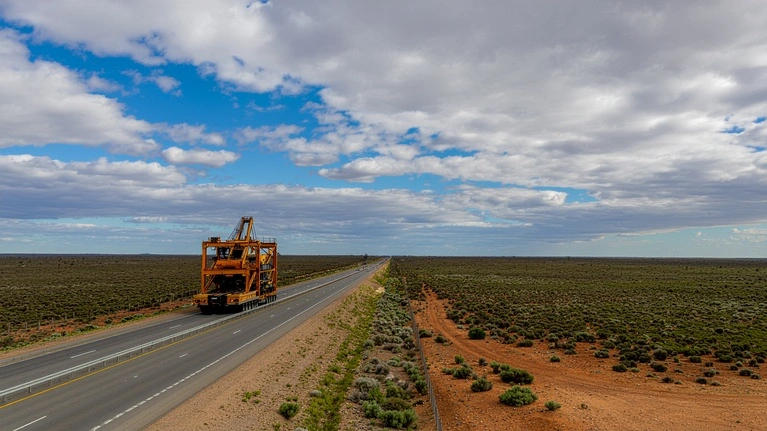
The distances matter too. If you’ve broken down 200 kilometres from Perth on a remote stretch of highway, you want the safest towing method for that kind of journey. A tilt tray means your car’s completely secured and level for hours of travel, which reduces the risk of additional damage from road vibrations or uneven weight distribution.
Salt air along the coast accelerates corrosion, and dragging a car with damaged components through that environment isn’t ideal. A tilt tray keeps everything off the road and minimises exposure to further environmental stress.
According to Main Roads WA, the state has over 18,000 kilometres of sealed roads and even more unsealed tracks. The variety of terrain means WA drivers face more diverse breakdown scenarios than most. Having access to the correct type of tilt tray tow truck WA isn’t a luxury here – it’s a practical necessity.
Start Here, Not with Perfection
When you’re calling for a tow, you don’t need to have all the answers. But knowing a few key details helps everyone get it right the first time.
Know your drivetrain. Is your car front-wheel drive, rear-wheel drive, all-wheel drive, or four-wheel drive? It’s usually in your owner’s manual or a quick Google search away. This single piece of information determines about 80% of the towing decision.
Check your ground clearance. If your car sits low – you scrape speed bumps, you’ve added a body kit, or it’s a sports car – mention that. It’s a clear indicator that a tilt tray is safer.
Describe the damage. If you’ve been in an accident, if wheels won’t turn, if there’s visible suspension damage, say so. These aren’t minor details; they’re critical for choosing the right equipment.
If you’re still unsure after considering those points, ask the dispatcher outright: “What do you recommend for my situation?” Experienced operators deal with this all day, every day. They’d rather spend 30 seconds explaining your options than send the wrong truck and waste everyone’s time.
The Hidden Cost of Getting It Wrong
Using the wrong towing method doesn’t just risk immediate visible damage. It can cause problems that don’t show up until later – stressed drivetrain components, misaligned suspension, or transmission issues that develop over weeks or months.
Insurance companies know this, which is why many policies now specify tilt tray towing Perth services for specific vehicle types. They’ve done the maths: paying for the right tow upfront costs less than dealing with damage claims later.
There’s also the stress factor. Watching your car get lifted at an awkward angle when you know it shouldn’t be is horrible. That knot in your stomach isn’t paranoia – it’s your gut telling you something’s wrong. Listen to it.
Why Tilt Tray Towing Costs What It Does
Tilt tray tow trucks used in WA are more expensive to buy, maintain, and operate than standard tow trucks. The hydraulic systems are complex, the trucks themselves are larger and heavier, and they require more fuel. That cost gets passed on, but it’s not arbitrary.
You’re also paying for versatility and safety. A tilt tray can handle almost any vehicle in virtually any condition. That peace of mind – knowing your car’s going to arrive at the destination in the same condition it left – is worth the modest price difference for most drivers.
When you’re comparing quotes, don’t just look at the dollar figure. Ask what’s included: Is it a tilt tray if needed? What’s the maximum distance covered? Are there additional fees for after-hours service? A cheaper quote that doesn’t include the right equipment isn’t actually more affordable if you end up paying for damage repairs later.
For reliable tilt tray services in Perth and across WA, transparency matters. You should know upfront what you’re getting and why it costs what it does.
The One Thing Most Drivers Get Wrong
The mistake seen repeatedly: drivers assume that because their car still runs, or because it’s “only” a minor issue, the towing method doesn’t matter. But towing isn’t just about moving a broken car – it’s about moving it safely.
A car with a blown tyre might run fine, but if the wheel’s damaged or the suspension’s compromised, towing it with two wheels down can make things worse. A car that overheats and won’t restart might seem fine, but if there’s internal engine damage, dragging it could cause more harm.
The condition of your car when it breaks down doesn’t always predict what’s safe to tow. That’s why the vehicle type and drivetrain matter more than the specific fault. Think of it like this: your car’s engine is like its heart, but the drivetrain is like its skeleton. You don’t tow based on whether the heart’s working – you tow based on whether the skeleton can handle the method.
When You Should Jsk for a Tilt Tray
If you’re reading this and still unsure, when in doubt, request a tilt tray tow truck WA services provide. It’s the safest option for the broadest range of vehicles and situations.
You won’t damage a car by using a tilt tray when a standard tow would’ve worked. But you absolutely can damage a vehicle by using a standard tow when a tilt tray is needed. The risk is one-directional.
This is especially true for newer vehicles (anything from the last decade), anything European or Japanese with complex drivetrains, electric or hybrid vehicles, modified cars, or anything you’re not 100% certain about.
If you’ve got roadside assistance cover through your insurance or a motoring club, check your policy. Many now specify tilt tray towing Perth for certain vehicle types, which tells you everything you need to know about industry best practice.
Why This Feels Harder Than It Should
You’re not a mechanic. You’re not a towing expert. You’re just someone whose car has let them down at the worst possible time, and now you’re expected to make technical decisions under pressure. It’s entirely reasonable to feel out of your depth.
The frustration comes from the gap between what you’re supposed to know and what you actually know. You’re worried about making the wrong call, wasting money, or looking foolish. But asking questions doesn’t make you look silly. Pretending you know when you don’t is what leads to problems.
The best operators won’t make you feel stupid for asking. They’ll explain your options clearly, recommend what they’d do if it were their car, and let you make an informed choice. If someone’s impatient or dismissive when you’re trying to understand your options, that’s a red flag about the service, not about you.
According to the Department of Transport WA, vehicle standards and towing regulations exist specifically to protect consumers and ensure safe practices. You’re entitled to clear information and professional advice when you’re arranging a tow.
What Happens After the Tow
Once your car’s loaded – whether on a tilt tray or a standard tow truck – your involvement doesn’t end. You should know where it’s going, get a clear timeframe for delivery, and have contact details for the driver or company.
If you’re having it towed to a mechanic, call ahead and let them know it’s coming. If it’s going to a smash repairer after an accident, confirm they’re expecting it and have space. These small steps prevent your car from sitting in a yard somewhere while everyone figures out the next move.
Take photos before the tow if there’s any existing damage, especially after an accident. It’s not about distrusting the tow company – it’s about having a clear record for insurance purposes. Most professional operators will do the same thing for their own protection.
And if something doesn’t feel right during the process – the truck looks poorly maintained, the driver seems rushed or careless, the equipment doesn’t look suitable – speak up. You’re the customer, and it’s your vehicle. Politely asking questions or raising concerns is entirely appropriate.
If you need to contact us after the fact – to follow up on delivery, ask about an invoice, or raise a concern – don’t hesitate. Good companies want to hear from you, especially if something’s gone wrong.
The Honest Truth About Towing in WA
Most breakdowns are stressful, most drivers are doing their best, and most problems come from miscommunication rather than bad intentions. When you know the difference between a tilt tray tow truck WA provides and a standard tow truck, you’re better equipped to communicate what you need.
You don’t have to become an expert. You need to know enough to ask the right questions and understand the answers. That’s the gap this knowledge fills.
Western Australia’s size, climate, and vehicle mix make towing more complex here than in many places. We’ve got everything from 40-year-old utes to brand-new electric SUVs, all breaking down in environments that range from suburban Perth to the middle of nowhere. The towing industry here has adapted to that diversity, which is why having options – and knowing which option suits your situation – matters so much.
Next time your car lets you down, you’ll know what to ask for. And that small bit of knowledge might save you a lot of hassle, money, and stress when you’re already having a bad day.