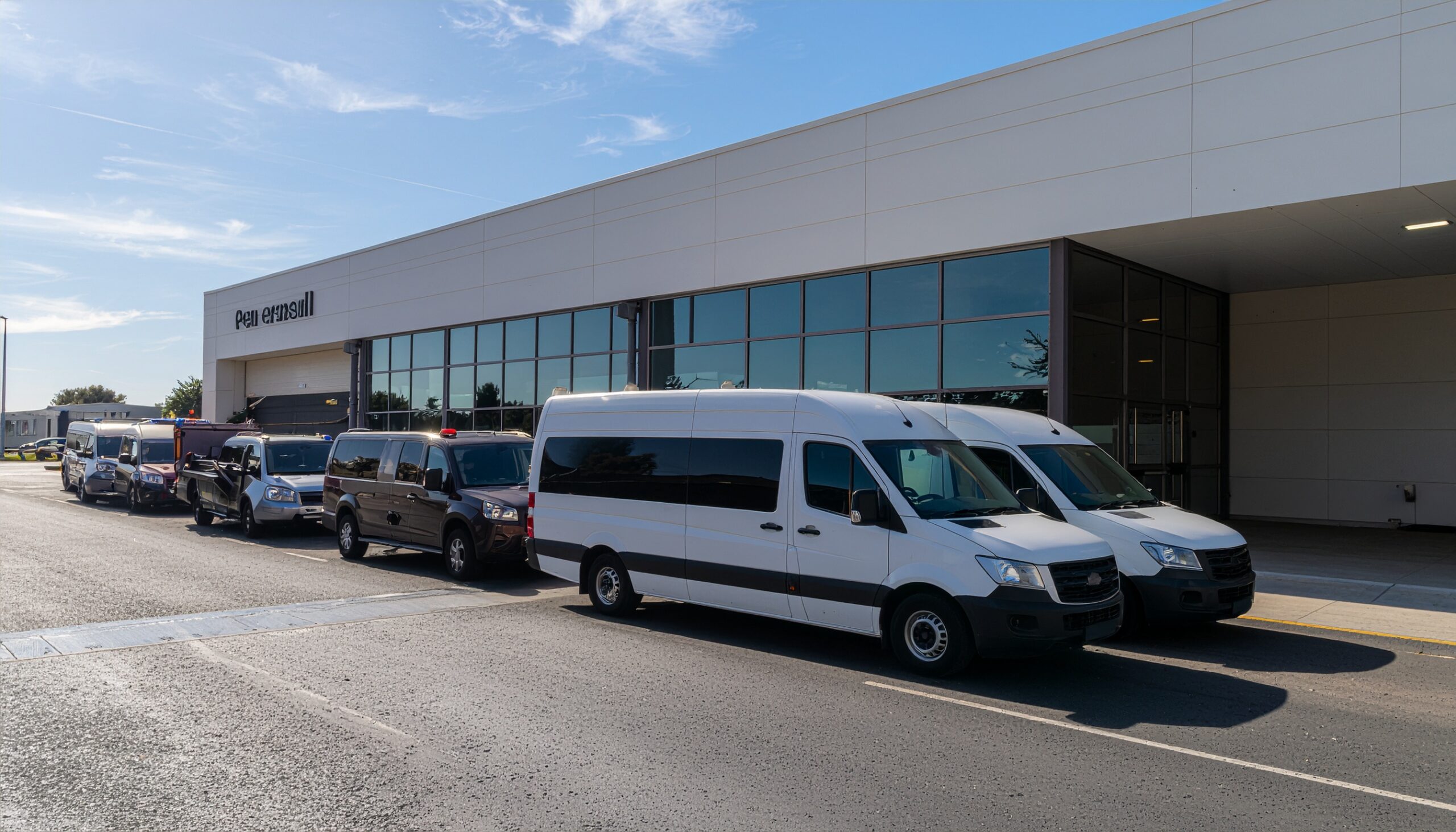
When a medical transport vehicle breaks down, the consequences extend far beyond inconvenience. Patient appointments get cancelled. Critical equipment sits stranded. Care schedules collapse like dominoes. Healthcare fleet towing isn’t just about moving a vehicle from point A to point B – it’s about understanding that the ambulette carrying three dialysis patients has a schedule measured in hours, not days.
The mobile blood collection van contains temperature-sensitive samples. The wheelchair-accessible transport vehicle serves clients who’ve arranged carers, medications, and their entire day around one appointment. Every hour that vehicle sits idle represents cancelled care – and that’s a consequence no towing company should treat as routine.
Most standard towing operators see a van. Healthcare fleet towing requires operators who see a critical link in Perth’s medical transport infrastructure. The difference shapes everything about how we respond – from the priority assigned to the callout, to the equipment we use, to the way we communicate with fleet managers during recovery.
Why Healthcare Vehicles Need Specialised Towing
Medical transport vehicles carry unique challenges that separate them from standard commercial fleet work. The modifications alone change the recovery approach entirely – wheelchair lifts, stretcher mounts, medical gas systems, and specialised suspension all require specific handling knowledge.
All Out Towing, Perth’s trusted towing provider, has recovered everything from patient transport vans on the Mitchell Freeway to mobile dialysis units on rural roads. The stakes are always the same: these vehicles need to be back in service immediately, handled with the precision their role demands.
Modifications That Standard Towing Damages
A patient transport vehicle sits lower than a standard van due to modified suspension designed for easier access. That changes clearance calculations immediately. Hook towing isn’t an option – the risk of damaging hydraulic lift systems or scraping modified rear bumpers makes our specialist tilt tray towing the only safe method. We’ve seen well-meaning operators cause $15,000 in lift mechanism damage trying to use conventional tow methods on modified vehicles. That damage doesn’t just cost money – it takes the vehicle out of service for weeks.
The equipment inside adds another layer to every medical vehicle recovery job. Even when a vehicle appears empty, it often contains securing systems, oxygen bottle mounts, or monitoring equipment bolted to the interior. Sharp braking or rough handling during recovery can damage these systems regardless of how carefully the vehicle appears to be driven.
Time Sensitivity That Has No Parallel
Time sensitivity separates healthcare fleet towing from almost every other commercial towing category. When we receive a call about a broken-down patient transport van, we’re not just recovering a vehicle. We’re recovering someone’s chemotherapy appointment, their dialysis session, their specialist consultation they’ve waited four months to access.
The Healthcare Vehicles We Recover Across Perth
Perth’s healthcare fleet spans far more variety than most people realise. Our medical vehicle recovery team has handled the full spectrum.
Patient Transport Vehicles
These modified vans and small buses form the backbone of non-emergency medical transport. When one breaks down with patients aboard, our response protocol prioritises passenger welfare first, vehicle recovery second. We coordinate with the transport provider to ensure patients reach their appointments via alternative transport if needed – even before we begin loading the vehicle.
Mobile Medical Units
Blood collection vans, mobile screening clinics, and community health vehicles contain sophisticated interior fitouts worth more than the vehicle itself. We’ve recovered mobile dental clinics with full treatment chairs, pathology collection vehicles with refrigeration systems, and health screening buses with examination rooms. These require healthcare fleet towing approaches that protect both the vehicle and the medical equipment secured inside.
Aged Care Facility Buses
Purpose-built for residents with mobility challenges, these vehicles feature low floors, wide doors, and extensive handrail systems. The modified suspension and accessibility equipment make them particularly vulnerable to damage from improper towing methods. We treat them with the same care we’d give our prestige car towing services – because to the aged care facility and its residents, they’re just as valuable.
Wheelchair-Accessible Taxis and Rideshare Vehicles
These represent someone’s independence and livelihood simultaneously. The driver loses income every hour the vehicle is off the road, and their regular clients lose their reliable transport option. We’ve responded to wheelchair taxi medical vehicle recovery calls at 2am from breakdown locations across Perth, understanding that getting them to a repairer by morning opening time makes the difference between one missed shift and three.
How We Handle Healthcare Fleet Recoveries Differently
Standard commercial towing follows a predictable pattern: assess the vehicle, load it, transport it, done. Healthcare fleet towing demands a different approach from the moment we take the call.
Priority Response Protocols
When we receive a healthcare fleet call, our dispatch system flags it immediately. We maintain dedicated capacity for medical vehicle recovery because we’ve learned that “as soon as possible” means something different when patients are involved. Our average response time for healthcare fleet calls sits at 23 minutes across Perth metro – faster than our standard 24-hour emergency towing response.
Patient Welfare Coordination
If a vehicle breaks down with patients aboard, our first question isn’t about the vehicle – it’s about the passengers. We coordinate with the transport provider to ensure patient safety and comfort while we work. That might mean running our truck’s air conditioning with doors open to cool waiting passengers, or helping coordinate alternative transport while we handle the medical vehicle recovery. The vehicle recovery happens after people are cared for.
Modified Vehicle Expertise
Our operators receive specific training on common healthcare vehicle modifications. We know that wheelchair lifts typically add 200-300kg to the rear weight distribution. That stretcher mounts create load points that can’t handle lateral stress. That medical gas systems have specific clearance requirements. This knowledge prevents the damage we’ve seen other operators cause through inexperience with healthcare fleet towing.
Equipment Protection Procedures
Before loading any healthcare vehicle, we assess what’s inside and how it’s secured. Loose medical equipment gets secured properly. Wheelchair restraint systems get checked to ensure they won’t shift during transport. Temperature-sensitive storage gets noted so we can prioritise transport speed. Refrigeration units in vehicles carrying temperature-sensitive medical supplies receive special consideration – we inform the fleet operator immediately if breakdown has left refrigeration non-functional.
The Tilt Tray Advantage for Medical Transport Vehicles
Using a standard tow truck on a modified healthcare vehicle is like trying to move a hospital bed with a furniture dolly – technically possible, but wrong in every way that matters.
Why Wheelchair Lifts Can’t Handle Hook Towing
Wheelchair lift systems extend below the standard floor line, with hydraulic rams and platforms that can’t handle the stress angles of hook towing. We’ve seen lift mechanisms bent, hydraulic lines severed, and mounting brackets torn when operators tried to lift these vehicles conventionally. Our tilt tray eliminates all that risk – the vehicle rolls on or gets winched at ground level, with no angles and no stress on modifications.
Weight Distribution in Modified Vehicles
Weight distribution changes dramatically in modified vehicles. The rear-heavy bias from wheelchair lifts, ramps, and securing systems means the centre of gravity sits further back than standard vans. This makes them unstable when partially lifted for hook towing. A tilt tray supports the entire vehicle evenly, maintaining proper weight distribution throughout every medical vehicle recovery.
Interior Protection That Matters
The sudden stop-start motion of hook towing can damage medical equipment, even when properly secured. Wheelchair restraint systems can shift. Mounted equipment can stress its bolts. Tilt tray transport provides smooth, stable movement that protects the sophisticated interior fitouts these vehicles carry – the same reason it’s the only acceptable method for healthcare fleet towing of any modified vehicle.
Common Healthcare Fleet Breakdown Scenarios We Handle
Perth’s healthcare transport operators face predictable challenges. We’ve responded to them all.
Overheating on Long Rural Runs
Mobile health services travelling to regional areas push vehicles hard. We’ve recovered medical transport vans from Bindoon, Toodyay, and Mandurah after cooling system failures on hot days. These recoveries often require coordination with the health service to ensure patients reach their destination via alternative transport while we handle the vehicle.
Transmission Failures in Modified Vehicles
The extra weight of patient transport modifications stresses transmissions beyond standard specifications. We regularly recover vehicles experiencing transmission problems, particularly in older fleet units. Quick healthcare fleet towing to the operator’s preferred transmission specialist minimises downtime in a way that a general workshop simply can’t match.
Electrical System Issues
The additional electrical load from wheelchair lifts, medical equipment, and accessibility systems can overwhelm ageing electrical systems. Our on-site vehicle assistance team can often diagnose the issue on-site – sometimes a jump start will get the vehicle mobile, other times medical vehicle recovery towing is necessary.
Accident Damage
Healthcare fleet vehicles aren’t immune to Perth’s roads. We provide professional accident towing for medical transport vehicles involved in collisions, working directly with fleet insurers and managing the additional complexity of damaged medical equipment and modifications in our incident documentation.
Working With Healthcare Fleet Managers and Operators
Healthcare transport operators face unique pressures – balancing patient care obligations, regulatory compliance, fleet maintenance, and cost control simultaneously. We’ve structured our healthcare fleet towing services to align with these operational realities.
Direct Billing and Fleet Accounts
Healthcare organisations need predictable costs and simple administration. We offer fleet account arrangements with direct billing, eliminating the need for drivers to handle payments during breakdowns. Monthly invoicing with detailed breakdown records helps fleet managers track vehicle reliability and maintenance needs without additional administrative burden.
After-Hours Availability
Medical transport doesn’t stop at 5pm. Neither do we. Our 24/7 operation means healthcare fleet operators can contact us at 2am for a breakdown with the same response quality they’d receive at 2pm. We’ve handled medical vehicle recovery at every hour, understanding that patient care schedules don’t accommodate business hours.
Preferred Repairer Networks
Most healthcare fleet operators have established relationships with mechanics who understand medical vehicle modifications. We transport to these preferred facilities as standard practice in healthcare fleet towing, even when it means travelling further. Getting a vehicle to someone who knows its modification history saves diagnostic time and ensures repairs address the specific needs of healthcare transport vehicles.
Incident Documentation
When we recover a healthcare fleet vehicle, particularly after an accident or mechanical failure, we provide detailed documentation including photos, load securement records, and transport details. This supports insurance claims, maintenance records, and fleet management reporting – all of which matter more in the regulated healthcare environment than in standard commercial fleet work.
The Real Cost of Healthcare Fleet Downtime
When a patient transport vehicle sits broken down, the costs multiply rapidly. Cancelled appointments mean rescheduling cascades. Patients who’ve arranged carers, taken leave from work, or coordinated complex medication schedules face disruption that extends far beyond the missed appointment.
For the healthcare transport operator, one vehicle down often means overtime for other drivers, rushed schedules that increase accident risk, and patient dissatisfaction that damages referral relationships. We’ve worked with operators who calculated that every hour of unexpected vehicle downtime costs them $180-$250 in direct and indirect expenses.
Fast healthcare fleet towing becomes cost-effective when you factor in these hidden expenses. Paying for priority recovery that gets a vehicle to a repairer three hours faster might save six cancelled appointments, two overtime shifts, and a week of schedule disruption.
Regional and Remote Healthcare Transport Recovery
Perth’s healthcare services extend far beyond the metro area. Mobile health clinics, patient transport services, and community health vehicles operate throughout the Wheatbelt, Peel region, and South West. When these vehicles break down in regional areas, the recovery challenges multiply.
We’ve recovered healthcare vehicles from Northam, York, Beverley, and throughout the Avon Valley. Regional medical vehicle recovery requires different logistics – longer travel times, coordination with remote repair facilities, and immediate patient welfare considerations if the vehicle was mid-route when it failed. Transport to metro facilities is often necessary because regional areas lack specialists familiar with medical vehicle modifications.
Conclusion
Healthcare transport vehicles represent critical infrastructure that most Perth residents never think about until they need it. These modified vans and buses quietly enable thousands of medical appointments every week, connecting patients with care when their own transport isn’t an option. When these vehicles fail, the impact ripples through the healthcare system in ways that demand a different standard of response.
Our healthcare fleet towing team understands that responsibility. We’ve recovered patient transport vans in thunderstorms at midnight, mobile health clinics broken down en route to regional communities, and wheelchair-accessible vehicles that represent someone’s only option for vital medical care.
For professional towing services in Perth, reach out to our team at 0418 959 216. All Out Towing provides comprehensive towing solutions in Perth – available 24 hours a day, with the specialist equipment and care that medical vehicle recovery demands.