Western Australia’s remote landscapes offer unique opportunities for ecotourism operators, but operating beyond sealed roads also requires careful planning for vehicle breakdowns and other disruptions.
For businesses carrying guests into remote or unfamiliar areas, a vehicle problem can affect more than the vehicle itself. It can interrupt an itinerary, create challenges for guest welfare and require decisions about communications, transport and escalation.
Ecotourism vehicle recovery planning should therefore begin before a tour departs. Understanding the route, checking access conditions, preparing communication arrangements and knowing when to seek professional assistance can help operators respond more effectively when something goes wrong.
Why Recovery Planning Matters for Remote Ecotourism
Remote tour operations can involve longer distances from conventional services and areas where mobile coverage may be limited or unavailable. The practical response to a vehicle problem will depend on the location, weather, road and track conditions, vehicle type and the resources available at the time.
For ecotourism operators, the priority should always be the safety of guests and staff. A recovery plan should make it clear who is responsible for assessing the situation, who needs to be contacted and what information should be provided to emergency or towing services.
Rather than assuming that a particular recovery technique or vehicle will work in every location, operators should base their planning on the specific vehicles, routes and operating conditions involved.
The Key Challenges Remote Operators Should Consider
Access and distance
A vehicle problem in a remote location may not be straightforward to resolve. Road conditions, track access, weather and the distance to the nearest suitable service can all affect how assistance is arranged.
Before departure, operators should understand the routes being used and identify any sections where access could become difficult. Where appropriate, this information can be incorporated into the business’s journey-management or emergency procedures.
Guest welfare
A broken-down tour vehicle creates a guest-management issue as well as a transport issue.
Operators should have procedures for keeping passengers accounted for and safe while assistance is being arranged. Depending on the circumstances, this may include access to drinking water, suitable shelter, communication equipment and emergency contacts.
If anyone is injured, seriously unwell or in immediate danger, emergency assistance takes priority. Call 000 where urgent police, fire or ambulance assistance is required.
Communication
Communication planning becomes particularly important where mobile coverage cannot be relied upon.
Operators should determine what communication methods are available on each route and ensure drivers know how to use them. Contact information for management, emergency services and relevant towing or transport providers should be readily accessible rather than stored only on a device that may not have reception.
Environmental and land-access considerations
Recovery or vehicle movement in national parks, conservation areas and other managed land may be subject to location-specific requirements.
Do not assume that the same access, recovery or vehicle-use rules apply across every part of Western Australia. Operators should check the requirements that apply to their particular route and follow directions from the relevant land manager or authority.
Build a Recovery Plan Before Departure
The most useful recovery plan is one that can be followed when people are under pressure.
A practical plan should identify:
- The vehicles being used and their relevant specifications
- Regular routes and alternative routes
- Communication methods available in each operating area
- Emergency contacts and escalation procedures
- The person responsible for coordinating assistance
- Relevant vehicle and manufacturer information
- Insurance contacts and policy requirements
- Procedures for communicating with guests and their families where appropriate
- Information that drivers should provide when requesting assistance
- Circumstances in which the tour should be stopped or altered
The plan should also be reviewed when vehicles, routes, operating areas or business procedures change.
For Perth-based operators looking to understand the broader range of towing and transport services available, All Out Towing provides towing services including vehicle, truck, machinery and specialised transport.
Assess the Situation Before Arranging Recovery
When a vehicle becomes disabled, the first decision should not automatically be how to extract it.
Start by establishing what has happened and whether everyone is safe. Consider the vehicle’s location, the surrounding environment, weather conditions, available communication and whether the vehicle can remain safely where it is while assistance is arranged.
Drivers should avoid attempting unfamiliar recovery procedures simply because equipment is available. Recovery equipment, attachment points and towing methods need to be appropriate for the specific vehicle and situation, and vehicle manufacturers’ instructions should be followed.
Where the situation cannot be managed safely by the operator’s existing procedures, professional assistance should be considered.
Information to Provide When Requesting Assistance
Having accurate information available can make it easier for a towing provider to understand the situation and determine what type of assistance may be appropriate.
When making a call, operators should be prepared to provide:
- The vehicle’s exact or best-known location
- Access information and nearby landmarks
- Vehicle make, model and type
- Whether the vehicle is carrying passengers
- Whether the vehicle can move under its own power
- Any visible damage or mechanical problem
- Road, track or access conditions that may affect arrival
- The intended destination, if known
- Any other hazards that may affect the job
Do not assume that a towing provider can reach every remote location or that a particular truck is suitable for every terrain. The provider should assess the available information and confirm what assistance can be offered.
When 24-Hour Assistance May Be Needed
Vehicle problems do not necessarily occur during convenient business hours. A breakdown late in the day can be more difficult to manage when guests are still on tour and alternative transport or accommodation needs to be considered.
Where professional towing assistance is appropriate, 24-hour emergency towing is one of the services available from All Out Towing. The company’s current service page states that its emergency towing service operates around the clock in Perth.
For a remote operation, however, availability should not be interpreted as a guaranteed response time or guaranteed access to every location. The actual service available will depend on the circumstances, location and resources required.
Planning for Different Vehicle Types
Ecotourism operators may use a range of vehicles depending on the nature of their tours. A passenger vehicle, commercial truck, coach or machinery unit can present very different transport requirements.
This is why vehicle details should form part of the operator’s emergency planning. Knowing the vehicle’s dimensions, weight, drivetrain and relevant transport requirements can help when discussing assistance.
Operators using commercial trucks should also consider how a breakdown could affect the remainder of the tour and any equipment or passengers being transported. All Out Towing provides truck towing services for truck breakdown and transport requirements. Its current service page states that its truck towing service operates 24 hours a day, seven days a week.
Transporting Vehicles After a Breakdown
A vehicle that has been recovered from a difficult location may not necessarily be suitable to continue the tour.
Before continuing, operators should consider whether the vehicle has sustained damage and whether it remains safe and legally suitable to drive. If there is uncertainty, the vehicle should be assessed appropriately rather than returning it to service simply because it has been moved from the original location.
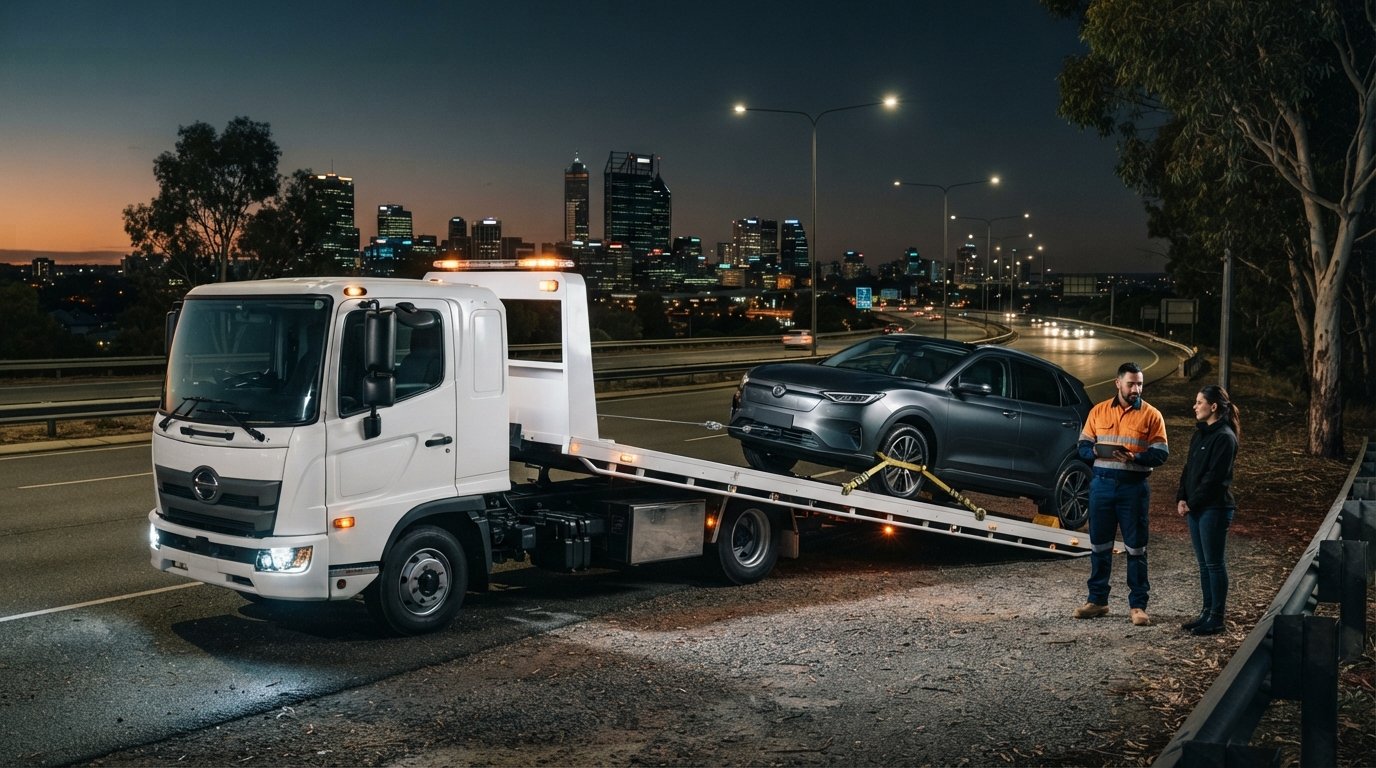
The appropriate transport method will depend on the vehicle and its condition. For example, All Out Towing’s current tilt tray towing services cover different types of vehicles and machinery, including 4WDs, AWD vehicles, boats, buses, caravans and large machinery.
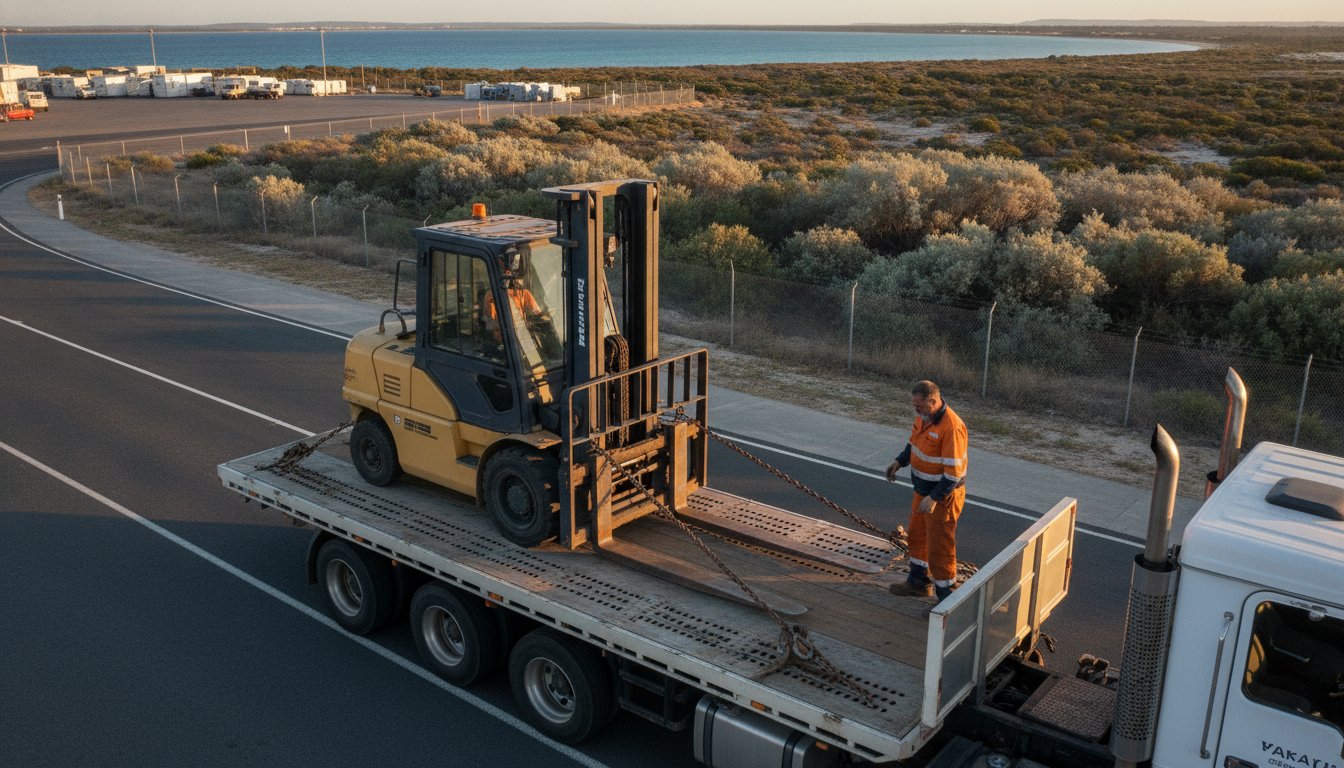
For larger equipment used as part of an ecotourism or operational fleet, the transport requirements may be different again. All Out Towing’s heavy machinery towing services cover equipment including excavators, forklifts, bobcats, rollers and farming equipment, with the company stating that it assesses load requirements to determine the appropriate towing vehicle.
Insurance and Documentation
Insurance arrangements should be confirmed before a vehicle enters a remote operating area.
Insurance cover, recovery limits and documentation requirements vary by policy and incident. Operators should confirm the requirements with their insurer before operating remotely rather than assuming that every recovery or transport expense will be covered.
Useful information to keep accessible may include:
- Insurance policy and claims contact details
- Vehicle registration and identification information
- Relevant vehicle documentation
- Business emergency contacts
- Details of the vehicle’s usual repairer or service provider
- Any existing internal incident-reporting requirements
Do not promise guests or staff that a particular recovery cost will be covered by insurance unless that has been confirmed under the applicable policy.
What to Do When the Situation Escalates
There will be situations where waiting for a normal towing response is not appropriate.
If anyone is injured, trapped, in immediate danger or requires urgent medical assistance, call 000 and follow the instructions of emergency services.
If the situation is not an immediate emergency but the vehicle cannot continue safely, the operator should follow its internal escalation procedure and arrange appropriate towing or transport assistance.
If the vehicle is carrying guests, the tour operator should also consider how passengers will be kept informed and supported while assistance is being arranged.
The goal is not to force a recovery at all costs. It is to manage the situation safely, protect guests and staff, and arrange an appropriate next step.
Supporting Specialist Transport Requirements
Not every vehicle or item associated with an ecotourism business will fit a conventional towing scenario.
Caravans, boats, motorcycles, machinery and other specialised vehicles or equipment can require different transport arrangements. All Out Towing’s specialised towing services currently cover a range of these transport needs, including caravans, motorbikes, boats and heavy machinery.
This can be particularly relevant when an operator needs to separate the immediate guest-management issue from the longer-term task of transporting a disabled vehicle or equipment to an appropriate destination.
A Practical Pre-Departure Checklist
Before taking guests into a remote operating area, review the following:
Vehicle
- Confirm the vehicle has been appropriately maintained.
- Check that required documentation is available.
- Understand the vehicle manufacturer’s relevant operating and transport requirements.
- Make sure drivers know what to do if the vehicle becomes disabled.
Route
- Review the planned route.
- Identify areas where access may be difficult.
- Check relevant road, track and land-access information.
- Consider alternative arrangements where conditions may change.
Communication
- Confirm mobile coverage limitations.
- Check alternative communication methods where required.
- Ensure emergency contacts are readily accessible.
- Make sure drivers understand the escalation procedure.
Guests
- Ensure passenger welfare procedures are understood.
- Know how guests will be managed if the vehicle becomes disabled.
- Have appropriate emergency and business contacts available.
Recovery and transport
- Know which towing or transport providers may be appropriate.
- Keep accurate vehicle details available.
- Understand insurance and claims requirements.
- Do not assume a particular recovery method, vehicle or response time without confirmation.
When to Review Your Recovery Plan
A recovery plan should not be treated as a document that is written once and forgotten.
Review it when:
- A vehicle is added or removed from the fleet.
- A regular route changes.
- Operating areas change.
- Access conditions change.
- Communication equipment changes.
- Insurance arrangements change.
- A previous incident identifies a weakness in the procedure.
- A new towing or transport provider is engaged.
After an incident, operators should also review what worked and what could be improved. A breakdown or recovery event can reveal gaps in communication, route planning, passenger management or escalation procedures that may otherwise remain unnoticed.
If your business needs to arrange towing or transport assistance, reach out to our team to discuss the vehicle, location and circumstances before making arrangements. All Out Towing’s current contact information lists 0418 959 216 and 24-hour towing availability.
Conclusion
Remote vehicle problems are an unavoidable consideration for ecotourism operators working beyond conventional road networks. The safest approach is to plan for the possibility before guests and vehicles are on the road.
A useful recovery plan should cover vehicle information, route assessment, communications, guest welfare, emergency escalation, insurance requirements and arrangements for appropriate towing or transport. It should also recognise that recovery methods and access requirements vary according to the vehicle, location and circumstances.
Most importantly, operators should avoid turning a vehicle problem into a larger incident by attempting unfamiliar recovery procedures or making assumptions about what equipment or assistance will be available. Where the situation exceeds the operator’s existing procedures, seek appropriate professional or emergency assistance.
For WA ecotourism businesses, good preparation is not about guaranteeing that every breakdown can be resolved immediately. It is about giving drivers and management a clear, practical process for making safe decisions when conditions change.