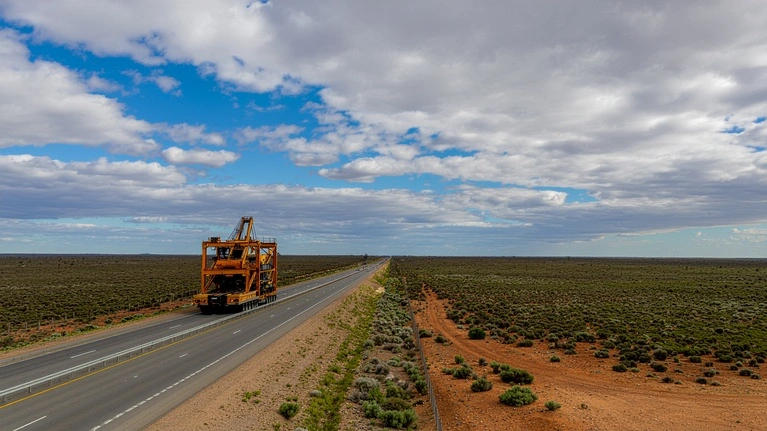
Most people don’t think about what’s inside their car until it breaks down on the Tonkin Highway with a boot full of camping gear, a back seat stacked with work tools, and a roof rack carrying two bikes. Then it becomes urgent – how do you get everything to its destination safely when the vehicle can’t be driven?
Loaded vehicle towing is more complex than towing an empty sedan. The weight distribution shifts. The centre of gravity changes. Cargo can move during transport, potentially damaging both your vehicle’s interior and the items being carried. Belongings secure transport requires planning, correct equipment, and operators who understand how cargo affects vehicle dynamics throughout loading and transit.
The stakes are real. We have transported vehicles carrying $15,000 worth of tradie equipment, full household moves, and irreplaceable camping setups. In every case, protecting what’s inside the vehicle matters as much as protecting the vehicle itself. Perth drivers in breakdown situations with loaded vehicles need to know that professional operators treat the cargo with the same care as the car.
What Counts as a Loaded Vehicle
Cargo That Changes the Towing Equation
All Out Towing provides comprehensive towing solutions in Perth, including specialist loaded vehicle towing for any vehicle carrying significant cargo. A vehicle is considered loaded for towing purposes when it’s carrying more than incidental personal items. Common examples include:
- Household moves: Vehicles packed with boxes, furniture pieces, or household items for a relocation
- Trade and work vehicles: Utes, vans, and station wagons carrying tools, power equipment, or materials
- Holiday and camping gear: Roof racks, bike carriers, kayaks, camping equipment, or packed luggage
- Bulk purchases: Vehicles loaded with building supplies, bulk groceries, or large retail goods
- Post-accident cargo: Vehicles involved in collisions with personal effects or work equipment inside
If the vehicle is carrying more than a spare tyre and a jacket, mentioning the cargo when calling for towing allows the operator to prepare the correct equipment and approach before arrival.
Exterior Cargo and Roof Rack Loads
Exterior cargo – roof racks, bike carriers, roof tents, or kayak mounts – affects towing in additional ways beyond the vehicle’s weight. It raises the vehicle’s centre of gravity, changes wind resistance during transport, and creates specific tie-down requirements during loading. Roof rack weight limits are set by the vehicle manufacturer. Exceeding those limits, even during towing, can damage roof rails or cause the rack to fail under load.
Why Loaded Vehicles Require Specialist Towing
How Cargo Affects Towing Stability
A vehicle loaded with personal belongings behaves differently during towing than an empty one. Weight shifts affect braking distances. Uneven loading creates lateral balance issues on the tilt tray. Loose items inside the vehicle can shift under acceleration and braking, potentially damaging the interior and the cargo itself. Loaded vehicle towing therefore starts with a proper cargo assessment – not just hooking up and driving.
Think of it as the difference between moving a full shopping trolley and an empty one. The full trolley needs more control around corners, more caution when stopping, and more awareness of what might shift internally. The same physics apply to a vehicle loaded with your belongings.
Weight Distribution and Tray Positioning
When a vehicle is heavily loaded at one end – common with utes loaded at the rear or station wagons with full boots – the weight distribution on the tilt tray needs adjustment. Operators position the vehicle on the tray to maintain balance and stability throughout transport. A rear-heavy vehicle loaded incorrectly on a flatbed can create handling issues in the tow truck itself. Getting this right from the start is part of belongings secure transport, not an afterthought.
How We Secure Personal Belongings During Transport
The Five-Step Cargo Assessment Process
Secure cargo towing begins before the vehicle is loaded. Our operators follow a structured process for every loaded vehicle recovery:
- Step 1 – Initial cargo inspection: Identify loose items, fragile cargo, and potential movement risks inside and outside the vehicle
- Step 2 – Securing loose items: Straps, blankets, and internal tie-downs stabilise tools, boxes, and loose equipment before loading begins
- Step 3 – Weight distribution check: Assess how cargo weight is distributed across the vehicle and adjust tray positioning accordingly
- Step 4 – Exterior cargo verification: Roof racks and external mounts are checked and tightened before any movement
- Step 5 – Final load confirmation: All vehicle anchor points are secured with rated straps and the load is confirmed stable before departure
Internal Cargo Stabilisation
Anything that can move during transport will move – unless it’s secured first. Operators use internal straps, soft blankets, and packing materials to prevent cargo from shifting during loaded vehicle towing. Tools get strapped individually or grouped into secured containers. Boxes are stabilised with padding between them. Roof cargo is given additional support if the vehicle’s own securing method is insufficient for towing loads.
Hazardous Materials That Must Be Removed
Some cargo cannot be transported in a loaded vehicle – regardless of how it’s secured. These include fuel cans, gas bottles, flammable chemicals, and other hazardous materials. Operators will request removal of these items before towing begins. Hazardous materials in an enclosed vehicle during transport create genuine safety risks for operators and other road users throughout the journey.
Tilt Tray – The Safest Method for Loaded Vehicle Towing
Why Hook Towing Fails Loaded Vehicles
Standard hook towing lifts the front or rear of the vehicle, angling it during transport. For a loaded vehicle, this angle causes unsecured items to slide toward the lower end. Cargo that seemed stable on flat ground suddenly shifts under the sustained incline. The result is damaged interior, damaged cargo, and a vehicle that requires additional repair on top of the original mechanical problem.
Hook towing also creates additional risk for vehicles with all-wheel drive or low ground clearance – both common in the loaded vehicles we recover. A ute loaded with tools is frequently 4WD. A station wagon packed for a house move is often a modern crossover with AWD.
How Flatbed Transport Keeps Cargo Stationary
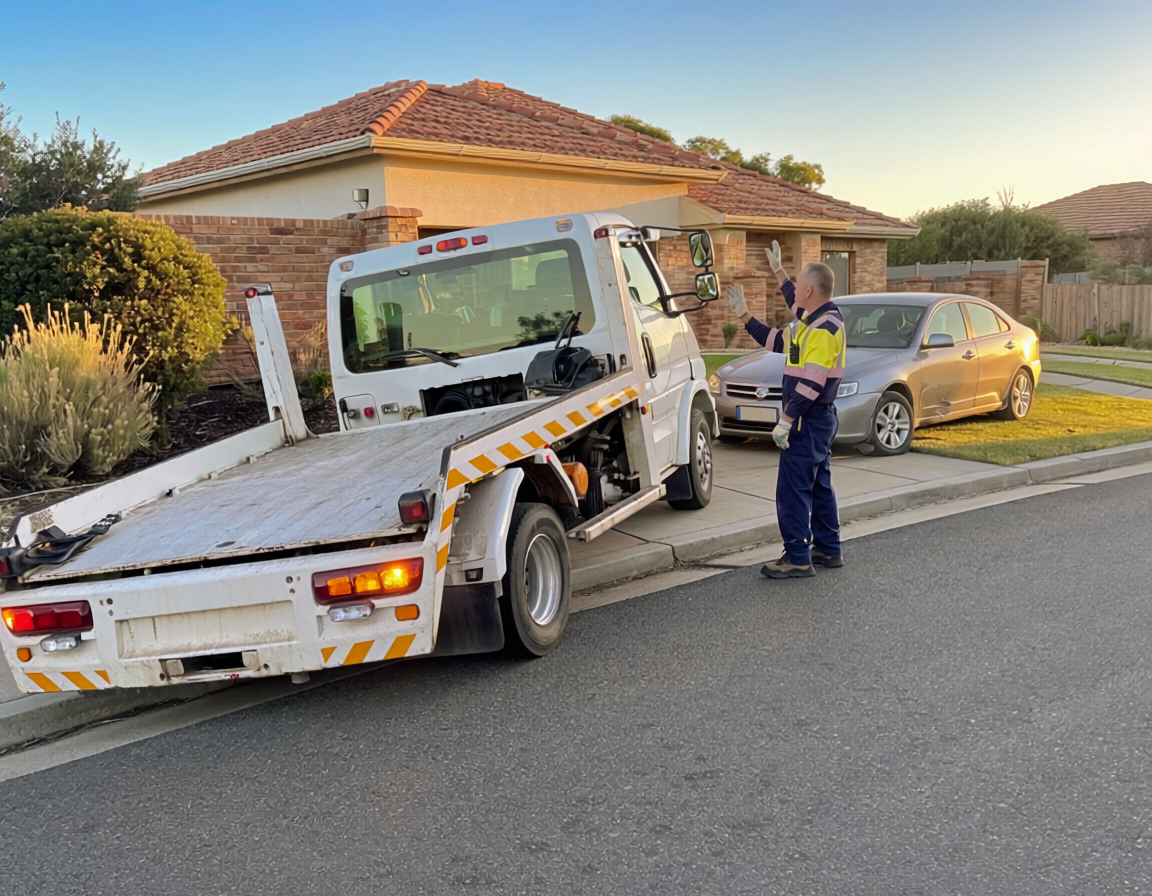
Our flatbed towing solutions keep the entire vehicle horizontal throughout loading and transport. The tray lowers completely flat to the ground – no angle, no incline. The vehicle is winched on straight, sits flat throughout the journey, and is winched off at the destination in the same flat position. Cargo inside the vehicle experiences no sustained tilt, no sudden angle changes, and no collective sliding risk during transport.
This is the correct method for belongings secure transport. We have transported vehicles loaded to the roof with moving boxes, bikes strapped to roof racks, and tradie utes with full tool loads – all delivered to their destinations with cargo intact and interior undamaged.
AWD and 4WD Loaded Vehicles
For all-wheel-drive and four-wheel-drive loaded vehicles, tilt tray transport is mandatory – not optional. Towing a 4WD with wheels on the ground while the drivetrain is connected destroys the transfer case. Adding a full cargo load to that incorrect towing method increases stress on every component involved. Loaded vehicle towing for AWD and 4WD vehicles must use a flatbed tilt tray with all wheels off the ground, in accordance with vehicle manufacturer towing specifications.
Handling Valuable and Fragile Items
Additional Precautions for High-Value Cargo
Not all cargo carries the same risk profile. A laptop, a family heirloom, or $10,000 worth of trade tools requires specific additional steps. When high-value or fragile items are confirmed at booking, operators take extra precautions including:
- Soft blankets and padding placed around fragile items before loading
- Individual securing straps for valuable equipment rather than general stabilisation
- Photographic documentation of cargo condition before loading and after delivery
- Confirmation of any specific handling requirements the owner identifies at the time of booking
Vehicle Contents Protection and Documentation
Vehicle contents protection during loaded vehicle towing works best when both operator and owner are aligned on what’s being transported and its value. Photographic documentation before loading establishes the condition of the cargo at pickup. The same documentation after delivery confirms its condition at the destination. This protects both parties and provides clear evidence for any insurance claim where cargo condition is disputed.
Common Loaded Vehicle Towing Scenarios in Perth
Tradie Vehicle Towing in Perth
Tradie vehicle towing in Perth is one of the most time-sensitive loaded vehicle towing scenarios. A plumber’s ute with $8,000 of tools, an electrician’s van with specialist equipment, or a carpenter’s wagon with timber and hand tools represents both the individual’s livelihood and significant financial value. When these vehicles break down, tools and equipment transport needs to be handled by operators who understand what’s at stake.
Direct delivery from the breakdown location to the workshop – or to the tradesperson’s home base – eliminates the risk of tools being left in a towing yard overnight. Our operators treat tools and equipment transport with the same seriousness as any other high-value cargo throughout the recovery process.
Breakdowns During House Moves
A vehicle breaking down during a house move is particularly stressful – timing is critical and the vehicle is typically loaded to capacity. Secure cargo towing handles this directly: the packed vehicle is collected from wherever it has broken down and delivered to the new address or a storage facility in a single movement. There’s no need to unpack the vehicle at the breakdown site, transfer everything manually, and repack at the destination.
Holiday and Camping Trip Mishaps
Breaking down on the way to or from a camping trip with a fully loaded vehicle – roof tent, bikes on the rack, boot full of gear – is exactly the kind of situation where fast emergency recovery matters most. The cargo represents both financial value and a planned holiday disrupted. Our team recovers the vehicle and delivers the entire loaded setup to your home or a chosen storage location, so the gear arrives safely even when the vehicle can’t deliver it there under its own power.
Trailers, Caravans, and Attached Cargo
Moving Vehicles with Attached Loads
If your vehicle is towing a trailer, boat, or caravan when it breaks down, the recovery can cover the entire setup. Attached loads that are roadworthy and within legal weight limits can be transported as part of the same recovery job. The operator assesses the trailer’s condition, confirms it’s properly secured, and plans the recovery to accommodate the combined length and weight of the vehicle and its attached load.
Legal Weight Limits and Roadworthiness
Trailer roadworthiness matters during recovery as well as during normal driving. A trailer with failed lights, a cracked coupling, or overloaded axles presents a safety and legal issue during transport. For specialist towing solutions involving boats, caravans, or unusual loads, the operator will confirm whether the attached load meets the requirements for combined transport before the recovery proceeds.
Preparing Your Loaded Vehicle for Collection
Steps to Take Before the Tow Truck Arrives
A few practical steps before the operator arrives make the loaded vehicle towing process faster and smoother:
- Secure all loose items using boxes, bags, or internal straps where possible
- Remove high-value or irreplaceable items from the vehicle if you have concerns
- Check that roof racks and external tie-downs are as tight as possible
- Clear the dashboard and front seats of loose items that could move during loading
- Let the dispatch team know about the cargo when you book – type, approximate weight, and any fragile items
Insurance Considerations for Personal Belongings
Loaded vehicle towing service is fully insured for vehicle recovery. Personal belongings inside the vehicle are typically covered under your own car or contents insurance – not the towing operator’s policy. If you’re carrying high-value items, confirming coverage with your insurer before transport gives you additional peace of mind. Most comprehensive car insurance policies include some level of contents protection, but limits and conditions vary by policy.
Conclusion
Towing a loaded vehicle is not just about moving metal from one location to another. It’s about protecting what’s inside – the tools that pay the bills, the camping gear for a family holiday, the boxes from a house move. Belongings secure transport done correctly means everything arrives at the destination in the same condition it left, with no lost items and no avoidable damage.
Secure cargo towing requires the right equipment, a structured assessment process, and operators who understand that the cargo matters as much as the vehicle carrying it. From tradie vehicle towing in Perth to holiday recovery with fully loaded roof racks, the approach is the same – assess, secure, load correctly, and deliver directly.
From service integration through to comprehensive coverage, All Out Towing provides comprehensive towing solutions in Perth for loaded vehicles of every type. For immediate assistance or to arrange loaded vehicle towing in Perth, call 0418 959 216 – our 24/7 team will talk through what you’re carrying and dispatch the right equipment for your specific situation.