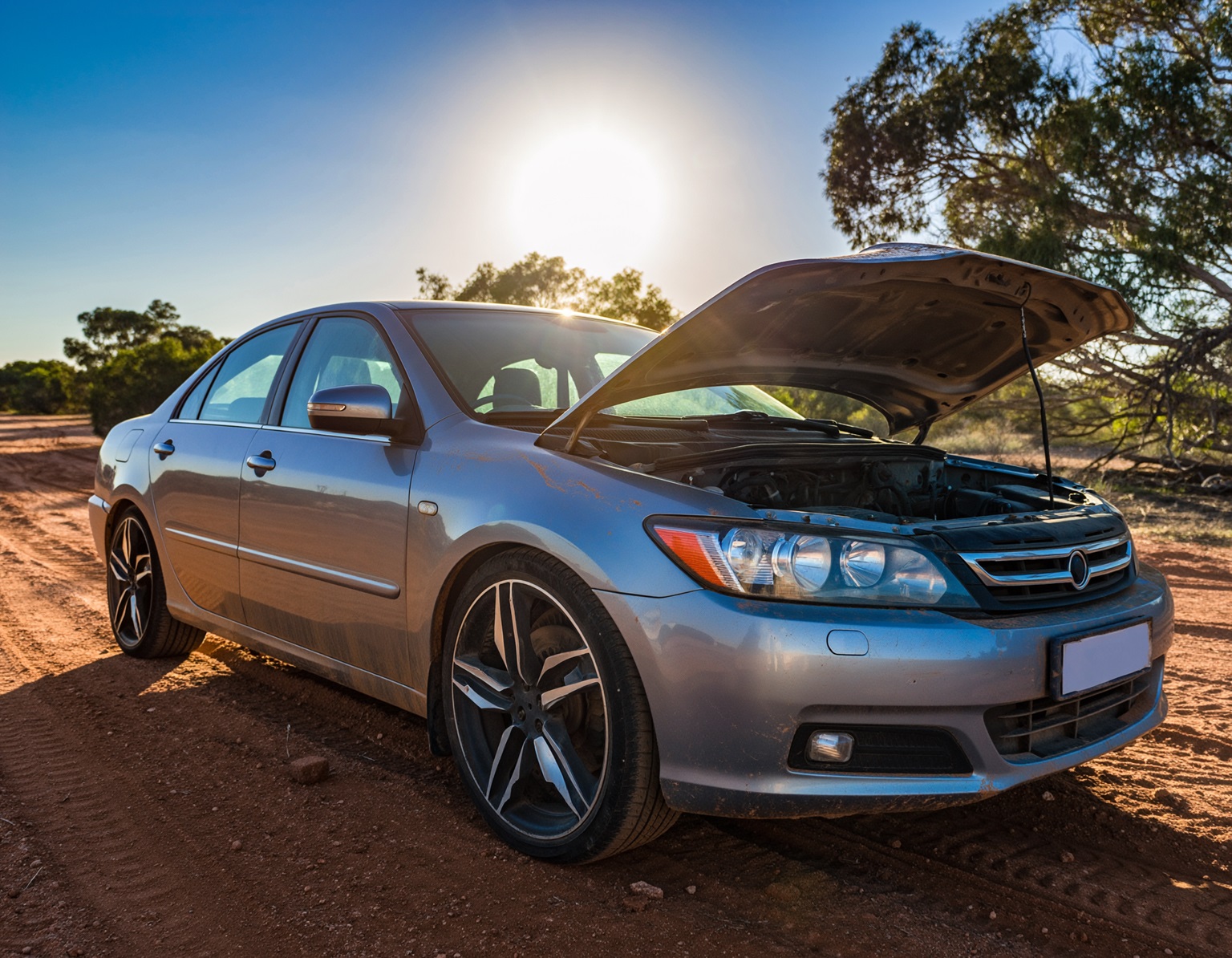
You’ve probably noticed your car behaves differently here than it would in Melbourne or Sydney. That’s not in your head. Western Australia’s climate puts unique demands on your vehicle – from relentless summer heat that bakes dashboards in Joondalup car parks to sudden winter downpours in the Perth Hills. Understanding these challenges isn’t just about smooth driving. It’s about avoiding a breakdown on Wanneroo Road or getting stranded in 40-degree heat with kids in the back.
Most drivers know maintenance matters, but the gap between knowing and doing can be huge when life’s busy. Add WA’s extremes and a delayed service quickly becomes a roadside problem. The good news is simple. Once you understand how climate affects your vehicle, you can prioritise car maintenance Western Australia actually needs.
Why Heat Does More Damage Than You Think
Perth summer days regularly push past 38 degrees. Under-bonnet temperatures go far higher. Every January and February, patterns repeat across the metro area: overheating engines, flat batteries in shopping centre car parks, and tyre failures on scorching bitumen.
Cooling systems work overtime in WA. Coolant breaks down faster in heat, losing its ability to regulate temperature. If you’re still running the same coolant from years ago, you’re pushing your luck.
Batteries suffer too. Heat accelerates chemical reactions and internal corrosion, shortening battery life. What might last five years elsewhere can fail in three here. That’s why callouts spike in summer.
Tyres expand with heat. If pressures are already high, that expansion pushes them into risky territory. Combine that with hot, coarse surfaces and existing wear and you’ve got a recipe for blowouts.
Analogy: Running old coolant in 40-degree heat is like wearing a wool jumper to the beach – you’ll overheat fast.
The Coastal Factor Few Consider
Live near the coast? In Perth, that’s most of us. Salt air accelerates corrosion on underbodies, brake components, and exposed metal. Suburbs like Quinns Rocks, Mindarie, and Burns Beach see faster ageing simply from daily sea breeze exposure.
Brake discs and callipers are especially vulnerable. Heat plus salt speeds surface rust and pitting. Exhausts cop it from both sides – salt and moisture outside, combustion by-products inside.
Regular underbody rinses aren’t vanity. They’re essential maintenance for car maintenance Western Australia drivers who park or commute near the coast.
Why Winter Still Catches People Out
WA winters aren’t severe, but the temperature swings and sudden downpours reveal weak points.
Windscreen wipers often harden and crack over summer sun. First heavy rain arrives and visibility drops to metres. Replace wipers before winter, not during it.
Tyre tread becomes critical on wet roads. Marginal tread that seemed fine in summer can’t evacuate water effectively, increasing stopping distances and hydroplaning risk.
Electrical gremlins appear when moisture reaches corroded connectors. If warning lights appear after the first rain, it’s often water exposing deterioration that built up over summer.
The Guilt You’re Probably Feeling
You know you should check fluids, tyres, and book services. Life happens, things slip, and then you’re calling for help. Guilt won’t fix the issue. What helps is acknowledging WA’s climate makes maintenance more urgent than elsewhere and adjusting priorities accordingly.
You’re not meant to be a mechanic. You just need clear, practical steps that reflect emergency preparedness WA realities.
What Actually Needs Your Attention First
Cooling system checks before summer
Have a technician test coolant concentration and inspect hoses for soft spots or cracking. Hoses often deteriorate from the inside out in heat. A two-year coolant flush is cheap insurance.
Battery testing from year three
Testing takes minutes and is often free. If your battery is three years old in WA conditions, plan a proactive replacement rather than waiting for a no-start.
Tyre pressure and condition monthly
Use a simple gauge when tyres are cold. Look for uneven wear, sidewall cracks, bulges, or embedded debris. Rotate on schedule and replace around 3 mm tread depth for safety.
Air conditioning service every two years
In WA heat, reliable A/C is a safety issue. Have refrigerant and compressor function checked before summer.
Underbody and brake inspections in coastal areas
Ask for rust checks on brake hardware, lines, and mounts. Rinsing the underbody after beachside parking helps slow corrosion.
Practical Car Maintenance Tips Perth Drivers Should Prioritise
- Check coolant level and quality monthly in summer.
- Inspect wipers at the start of winter – replace if streaking or cracked.
- Maintain tyre pressures to the placard value and recheck after heatwaves.
- Clean battery terminals and ensure clamps are tight.
- Rinse the underbody periodically if you park within a few kilometres of the coast.
- Keep fuel above a quarter tank on longer drives to reduce pump stress and avoid sediment issues.
Regional WA Makes It Harsher
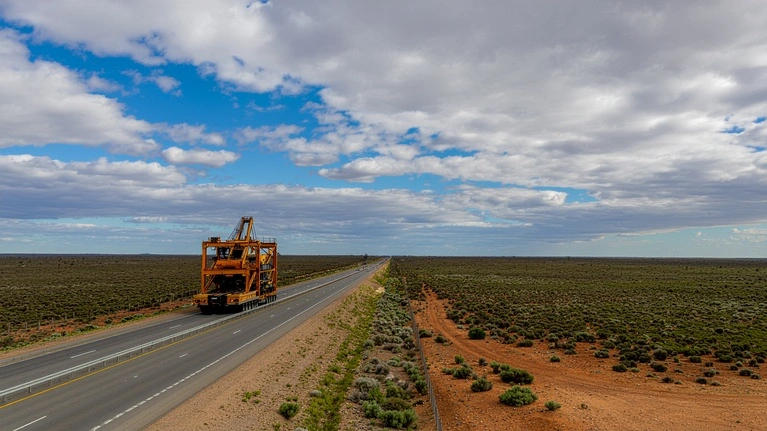
Outside the metro, conditions intensify. The Wheatbelt runs hotter with less coastal moderation. The Southwest brings more rain and humidity. The North combines extreme heat with red dust that infiltrates everything.
Dust clogs engine and cabin air filters faster. Replace more frequently if you travel on gravel or remote roads. Corrugations, potholes, and rough surfaces demand more frequent suspension checks and wheel alignments.
Longer distances between services mean more self-reliance. Carry extra coolant, oil, and water. Keep a torch, warning triangle, and gloves. And have a realistic plan if mobile coverage drops out.
When you need help on the road, our roadside assistance team can get you moving or arrange safe transport.
What To Do When Something Goes Wrong
Safety first. Move off the live lane if possible. Hazards on. If visibility is poor, use parking lights and set a warning triangle at least 50 metres behind.
Be honest about what you can handle. There’s no benefit in risky DIY on a verge. If you’re unsure, our 24-hour emergency towing is designed for exactly these moments.
Stay with the vehicle in remote areas unless help is clearly within safe walking distance. Hydrate, create shade, and share precise location details when you call.
Build A Simple, Sustainable Plan
Why make it complicated? Start small and keep it consistent.
- Monthly 15-minute check: tyre pressures, fluid levels, lights, wipers, any new noises or smells.
- Six-monthly service cadence: ask your mechanic to assess heat damage, salt corrosion, and cooling system health.
- Keep a WA-ready kit: water for you and the radiator, phone charger, basic tools, gloves, and a torch.
- Save key contacts: towing, insurer, trusted mechanic, and someone who knows your route.
Need a trusted partner? The first mention of All Out Towing is right here – lean on a team that understands car maintenance tips Perth drivers actually need on our roads.
When Prevention Isn’t Enough
Even well-maintained vehicles can fail in WA’s extremes. A hose can burst. A battery can die without warning. That’s not neglect – it’s reality.
Get safe, call early, and let professionals handle the heavy lifting. If you’re in a risky spot, fast-moving traffic, or on a narrow shoulder, prioritise relocation over repairs. Our vehicle towing support starts with the right solution for your situation: safe car towing services.
Moving From Reactive To Proactive
Proactive maintenance reduces risk, saves money, and lowers stress. You catch issues earlier and avoid the chain reaction that turns a small fault into a major failure. One change this week is enough to start – book that coolant test, replace those wipers, or check tyre pressures today.
Got questions or want guidance tailored to your driving and location? Feel free to contact us. We’ve helped thousands of WA drivers avoid breakdowns and get home safely when things do go wrong.