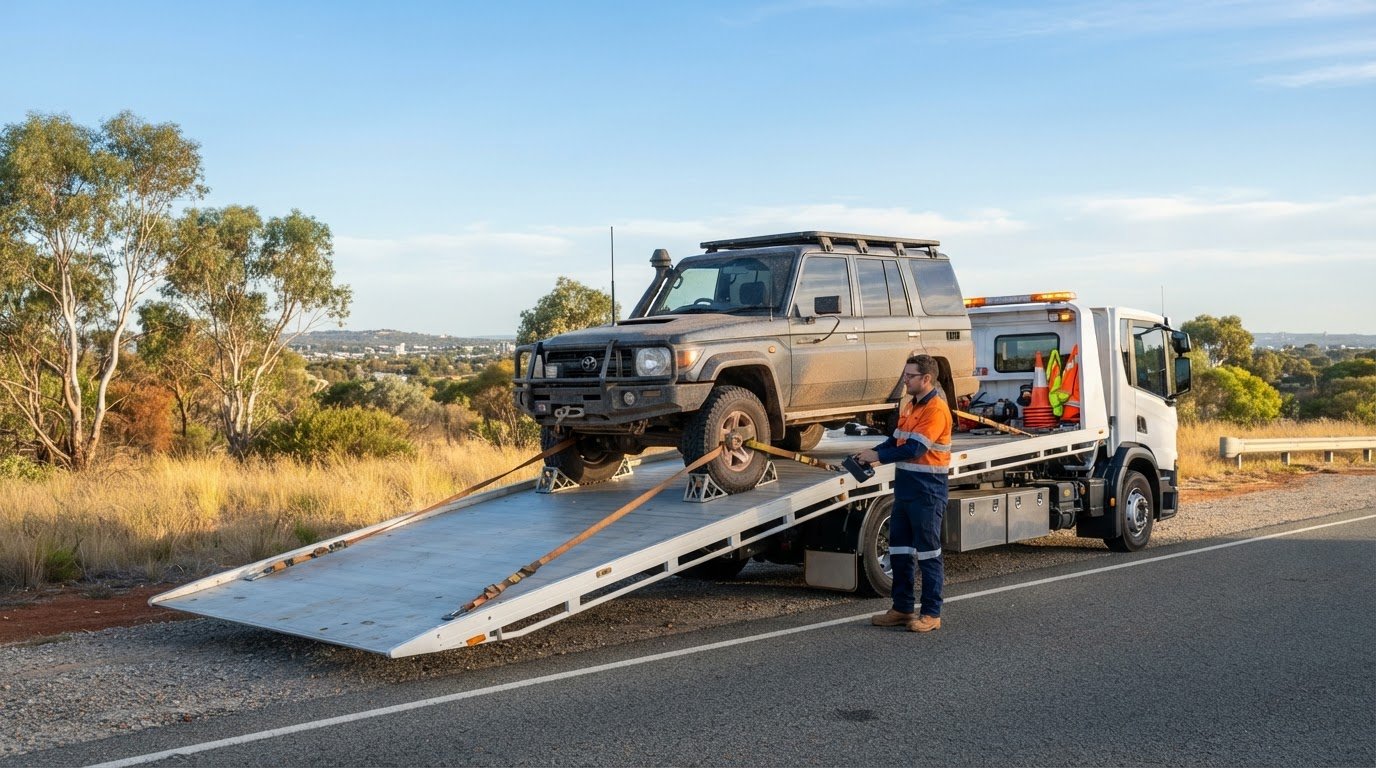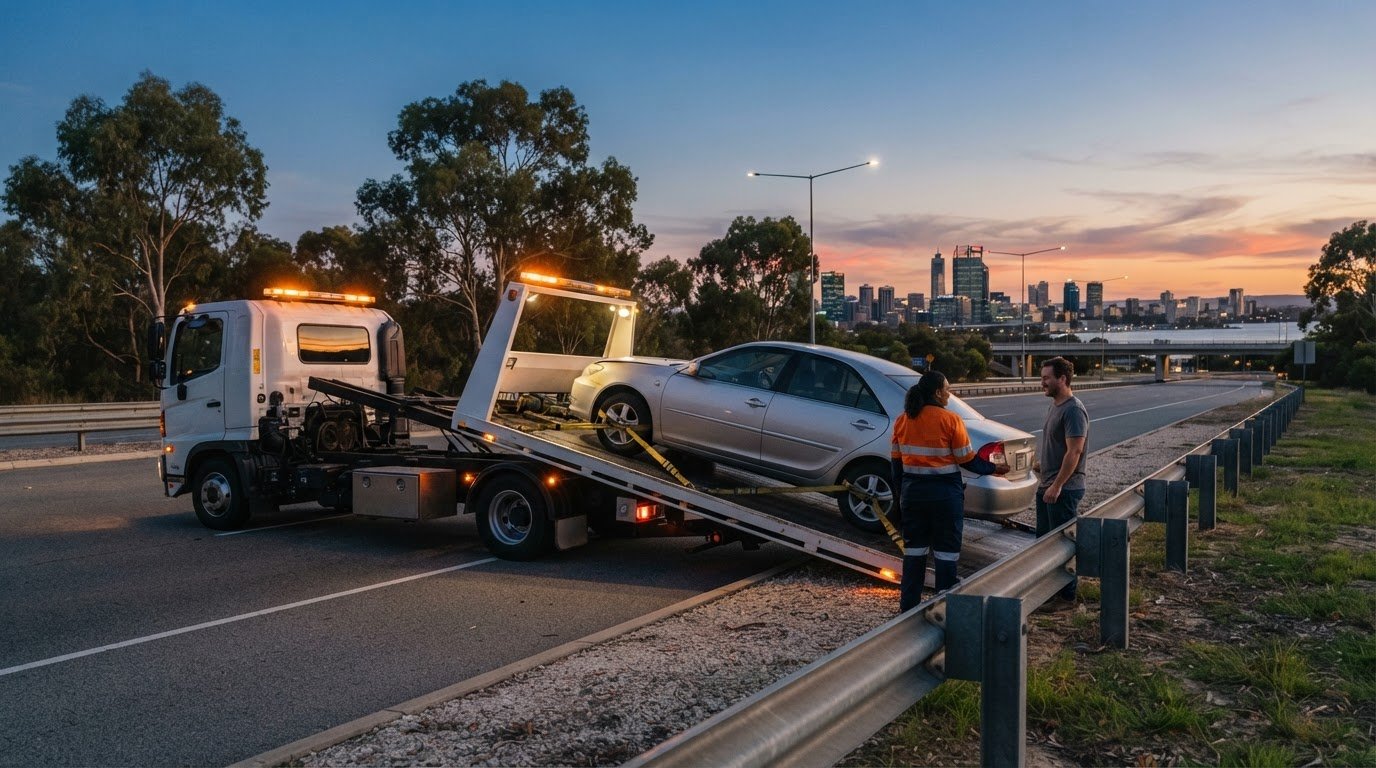
A breakdown or crash on a weekend doesn’t have to wait until Monday. A weekend tow truck service in Perth can operate day or night, with 24-hour car towing available across Perth and Western Australia. For a crash, you can choose who tows your vehicle and where it goes under Western Australia’s Towing Services Act 2024.
It’s understandable to feel shaken when your car won’t move, especially after a collision. This guide explains what weekend towing can cover, how to stay safe while you wait, and what to look for when choosing a tow truck after a crash. You’ll also learn how coverage across Perth and WA, including tilt tray transport, can help get your vehicle moved with care. Clear steps can make a stressful situation easier to manage and help you make an informed decision at the roadside.
Key Takeaways
- 24-hour towing is available for breakdowns and crashes, including on weekends. Move away from traffic and switch on your hazard lights while you wait.
- Coverage can extend across Perth and Western Australia. The pickup location, destination and vehicle type help determine the right transport option.
- After a crash, Western Australia’s Towing Services Act 2024 gives you the choice of who tows your vehicle and where it is taken.
- Read the Authority to Tow before signing, and make sure any agreed recovery charge is recorded before work starts.
- A tilt tray can load and transport a vehicle without towing it on its wheels. Consider this option if the vehicle is damaged or cannot be driven.
24/7 Towing availability for breakdowns, accidents and urgent callouts
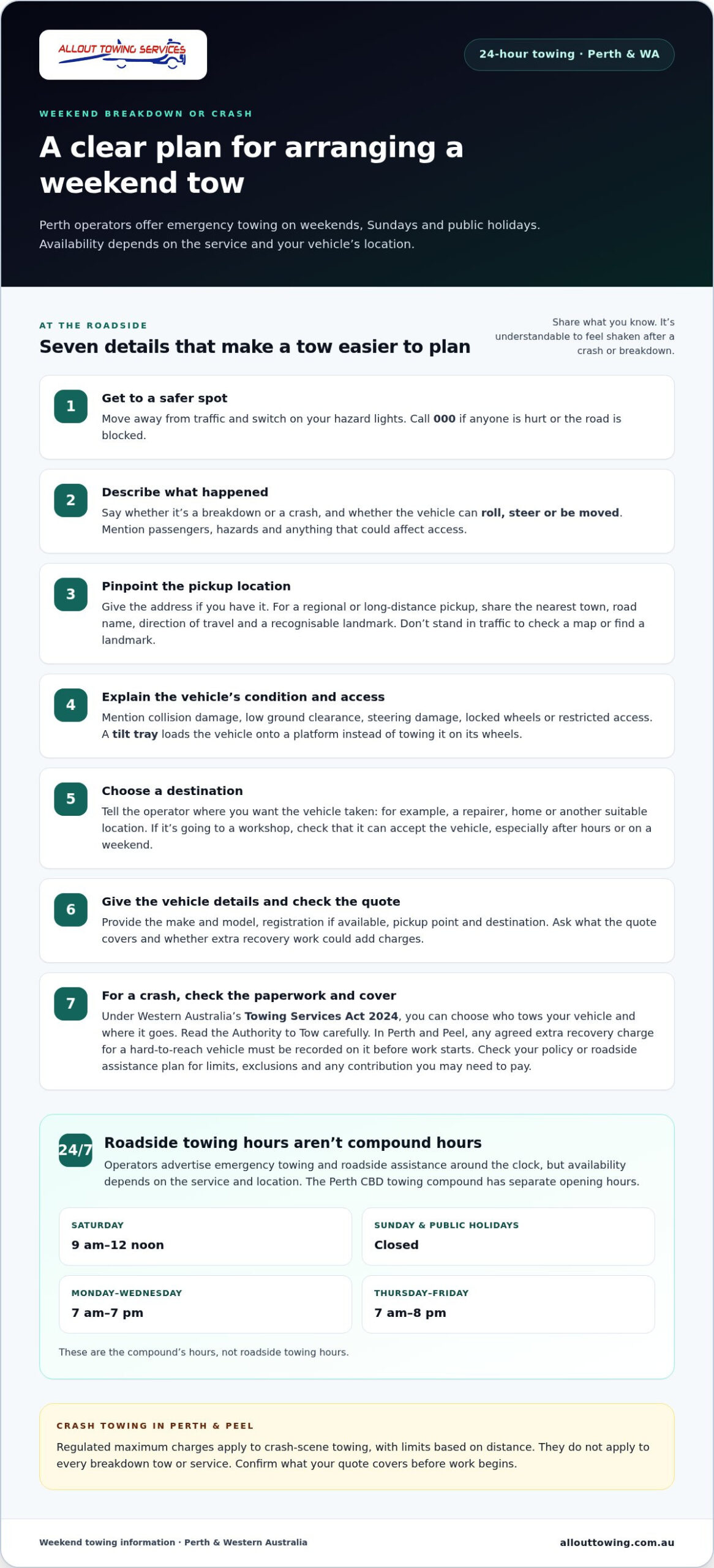
Perth has tow truck operators offering emergency service on weekends, Sundays and public holidays. A breakdown or accident can therefore be handled outside standard business hours. Availability depends on the service and the vehicle’s location. If you’re stranded, move away from traffic, switch on your hazard lights and call 000 if anyone is hurt or the road is blocked.
After a crash, vehicles may be taken to the Perth CBD towing compound at 57 John Street. It opens from 9am to 12pm midday on Saturdays and closes on Sundays and public holidays. Weekday hours are 7am to 7pm Monday to Wednesday, and 7am to 8pm Thursdays and Fridays. These are compound hours, not roadside towing hours.
Operators in Perth advertise 24/7 emergency towing and roadside assistance. The right service depends on whether you need a tow, a jump-start or another type of help. Describe what happened and whether the vehicle can roll, steer or be moved. For a regional or long-distance tow across Western Australia, give the nearest town, road name, travel direction and a clear landmark. Those details help identify the pickup point and plan the route.
A tilt tray can transport a lowered or prestige vehicle without towing it on its wheels. The operator lowers the tray and loads the vehicle onto the platform. Before dispatch, mention low ground clearance, steering damage, locked wheels or restricted access. This helps the operator plan the loading method and select suitable equipment.
For a crash in Perth and Peel, the maximum crash-scene towing charge for the first 50 km is A$523 from 1 July 2026. The maximum additional crash-towing charge after the first 50 km is A$4.75 per kilometre from 1 July 2026. These regulated maximums apply to crash towing, not every breakdown tow or service.
When booking, provide the pickup address, destination, vehicle make and model, registration if available, and a clear description of the problem. Mention passengers, hazards and access restrictions. Before accepting a quote, ask what it covers and whether extra recovery work could add charges. For a crash, read the Authority to Tow carefully. In Perth and Peel, any agreed extra recovery charge for a hard-to-reach vehicle must appear on it before work begins.
Car insurance and roadside assistance cover depend on your policy or plan. Check its towing limits, exclusions and any contribution you may need to pay using your policy documents or provider’s contact details. A weekend service call does not by itself determine whether your cover applies.
What Perth & WA areas do you service?
Allout Towing provides towing across Perth and Western Australia, including metropolitan and regional transport. In Perth’s northern suburbs, a breakdown near Kingsley or Wanneroo calls for a different pickup plan from a job farther from the city. The location, destination, vehicle condition and access all shape the route and equipment needed. For a remote stop, share the nearest town, road name, direction of travel and a recognisable landmark.
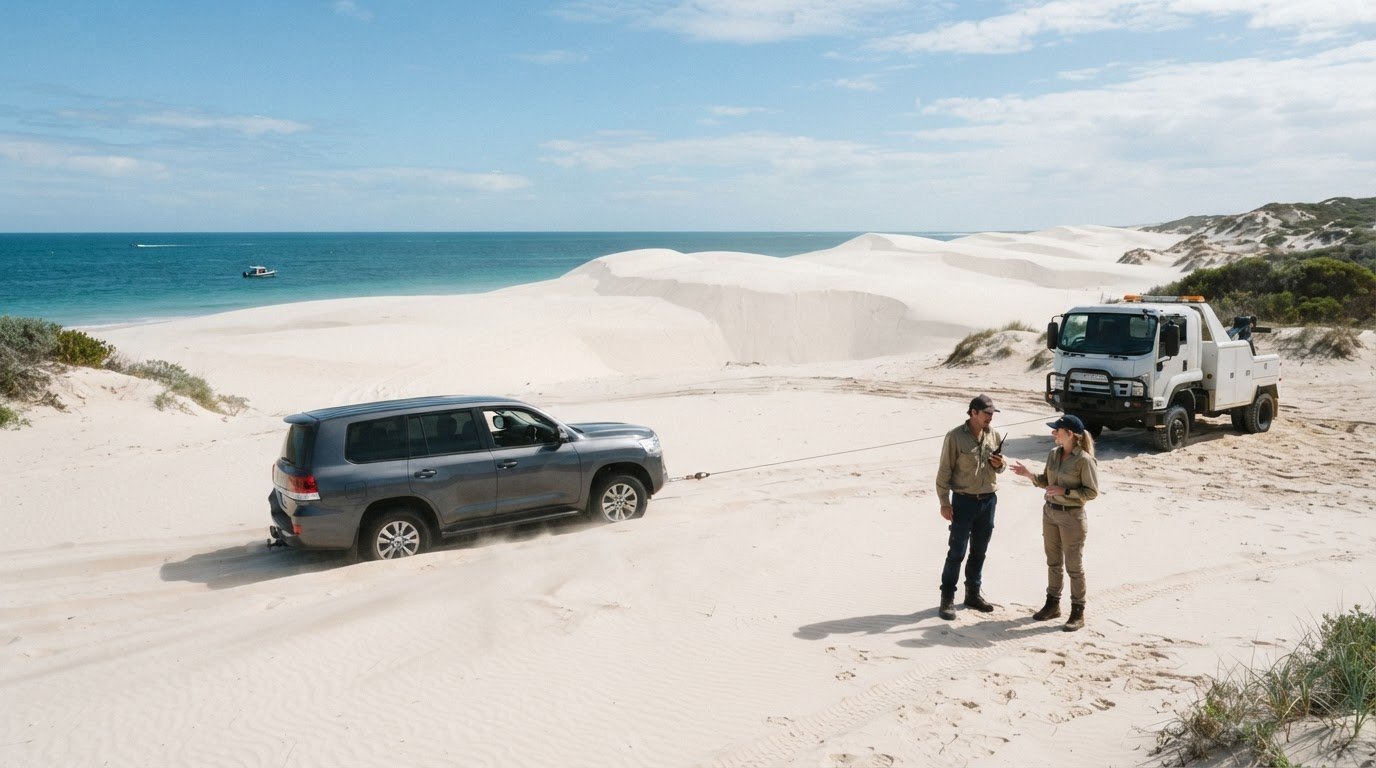
Regional journeys need clear location details. A vehicle on a highway shoulder may be easier to reach than one on an unsealed access track or in a confined worksite. Tell the operator if the vehicle is off the road, facing a barrier or unable to roll. For machinery, describe the equipment, its position and any space restrictions around the loading area. These details help plan the loading and transport.
Perth’s northern suburbs include Kingsley, Wanneroo, Yanchep and Duncraig. A precise pickup address helps distinguish a northern-suburbs job from one closer to central Perth. Give the locality and street address where possible, along with the nearest cross-street. If you’re on a highway, include the road name, travel direction and nearby exit or landmark. Clear directions reduce confusion, especially at night or on a busy road.
A tilt tray can carry vehicles that shouldn’t be driven, including lowered and prestige vehicles. Before dispatch, mention low ground clearance, collision damage, locked wheels or restricted access. For machinery transport, explain what equipment needs moving and whether the pickup point has firm, level access. A driveway, underground car park or narrow worksite may affect how the truck can approach and load. Sharing these details early helps match the job to suitable equipment.
For a regional tow, decide on the destination before booking. This may be a home, repairer or another suitable location. The distance, route, vehicle size and loading conditions influence the transport plan and quoted cost. If you’re unsure how to describe a rural pickup, use your phone’s map to find the nearest named road or town, then explain where the vehicle is in relation to it. Don’t stand in traffic to get a better signal or view of a landmark.
Before arranging vehicle transport, prepare the pickup location, destination, vehicle type and any access limits. Mention any machinery or cargo the vehicle is carrying, and explain damage that could affect loading. These details help organise a suitable tilt tray or other transport equipment. For a pickup in Perth or regional WA, clear directions and a chosen destination make booking more straightforward.
Transport to a chosen mechanic or repairer
If your vehicle breaks down or is damaged in an accident, you can arrange transport to a repairer you choose. Give the operator the workshop’s name, suburb and street address, such as a repairer in Joondalup or Yanchep. Before the truck leaves, contact the workshop about accepting the vehicle, especially after hours or on a weekend. A clear destination helps avoid confusion during an urgent callout.
Share these details when booking: the vehicle’s make and model, its location, the repairer’s address and what prevents it from being driven. Explain whether the wheels turn, the steering works and the vehicle can roll. If it’s in a tight driveway or underground car park, describe the access. These details help the operator plan recovery and choose suitable loading equipment.
After an accident, tell the operator about visible damage and any hazards around the vehicle. Don’t try to drive a car with damaged steering, wheels or bodywork. If the vehicle is lowered or has limited ground clearance, mention that before dispatch. A tilt tray loads the vehicle onto its platform for transport rather than towing it on its wheels, which can suit vehicles that need careful handling.
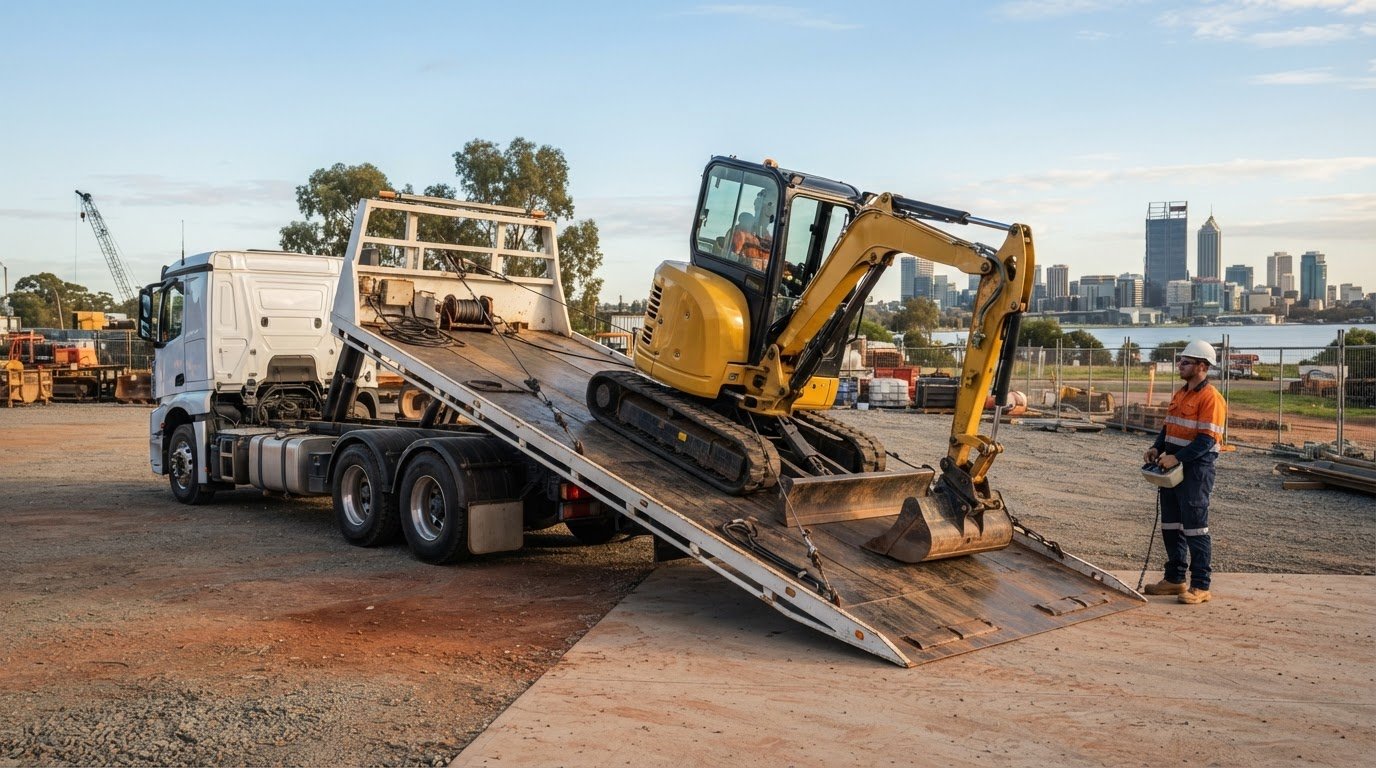
Machinery and equipment transport needs a different booking description from a car tow. Identify the equipment, its position and the destination. For example, explain whether a forklift is inside a workshop or parked at an outdoor worksite. Describe soft ground, narrow entrances or overhead obstructions. These conditions can affect loading and which truck can reach the pickup.
For container transport, provide the container’s location, destination and access details. Explain whether the truck can approach and leave the site without tight turns or blocked driveways. Describe nearby obstacles and the available loading space, too. Clear site information helps the operator plan suitable transport and account for access conditions.
Across Perth, a chosen destination can be a mechanic, repairer, home or worksite. Confirm the exact address and a contact person before the truck arrives. If the destination changes, share the new details before loading where possible. The pickup point, distance, vehicle or equipment type, access and loading needs all affect the quote. Ask for a quote based on the destination and planned transport so you understand what the arrangement covers.
When you’re stressed after a breakdown, writing down the pickup and destination details can make the call easier. Include a nearby landmark if the vehicle is difficult to find, and keep clear of traffic while waiting. For urgent recovery, accurate directions and a suitable destination help the operator plan the next step.
Perth service areas
Perth and regional Western Australia require different pickup planning. Give the operator the suburb, street and nearest cross-street. If you’re beside a major road, name the road and your direction of travel. A pickup near a shopping centre in Joondalup, for example, may be easier to locate with a nearby entrance or landmark. Clear directions help the team find the vehicle and plan an approach.
Perth’s northern suburbs include Kingsley, Wanneroo and Yanchep. A suburb alone may not pinpoint a breakdown, so add the road, driveway, car park level or worksite entrance. For an underground car park, give the height restriction and access route. For a roadside emergency, describe the nearest exit, intersection or recognisable sign.
Across Perth, pickup details matter as much as the suburb. A vehicle in a narrow laneway needs a different approach from one parked in an open car park. Tell the operator if the car is in a basement, on soft ground, behind a gate or blocking an accessway. Mention damaged wheels, low ground clearance or limited steering. These details help the team plan loading and select suitable equipment.
Regional WA locations can be harder to describe, particularly when a vehicle stops away from a town. Use your phone map to identify the nearest named road, settlement or landmark. Include your direction of travel and any visible road signs. If there’s no street address, explain the distance from a known junction in plain terms, such as “past the turn-off towards the town”. Stay clear of traffic while sharing your location.
For machinery or vehicle transport, describe the pickup site as well as the destination. A forklift at a Wanneroo worksite, for example, may need clear access for loading and turning. Tell the operator about overhead obstructions, gates, slopes and surface conditions. A tilt tray transports vehicles that should not be driven, while heavier equipment may need a different truck and loading plan.
Across Perth and WA, transport routes range from suburban streets to regional roads. The route, distance, vehicle condition, access and equipment required all affect the transport plan. Give both the pickup and destination when arranging help, even if the destination is a repairer or another known location. Accurate details help the team assess the job and explain the next steps.
Choosing a tow truck after a crash in Western Australia
After a crash in Western Australia, you choose who tows your vehicle and where it goes under the Towing Services Act 2024. Read the Authority to Tow before signing it, and make sure the destination matches your instructions. A collision can leave you shaken, so take time to understand what you’re agreeing to.
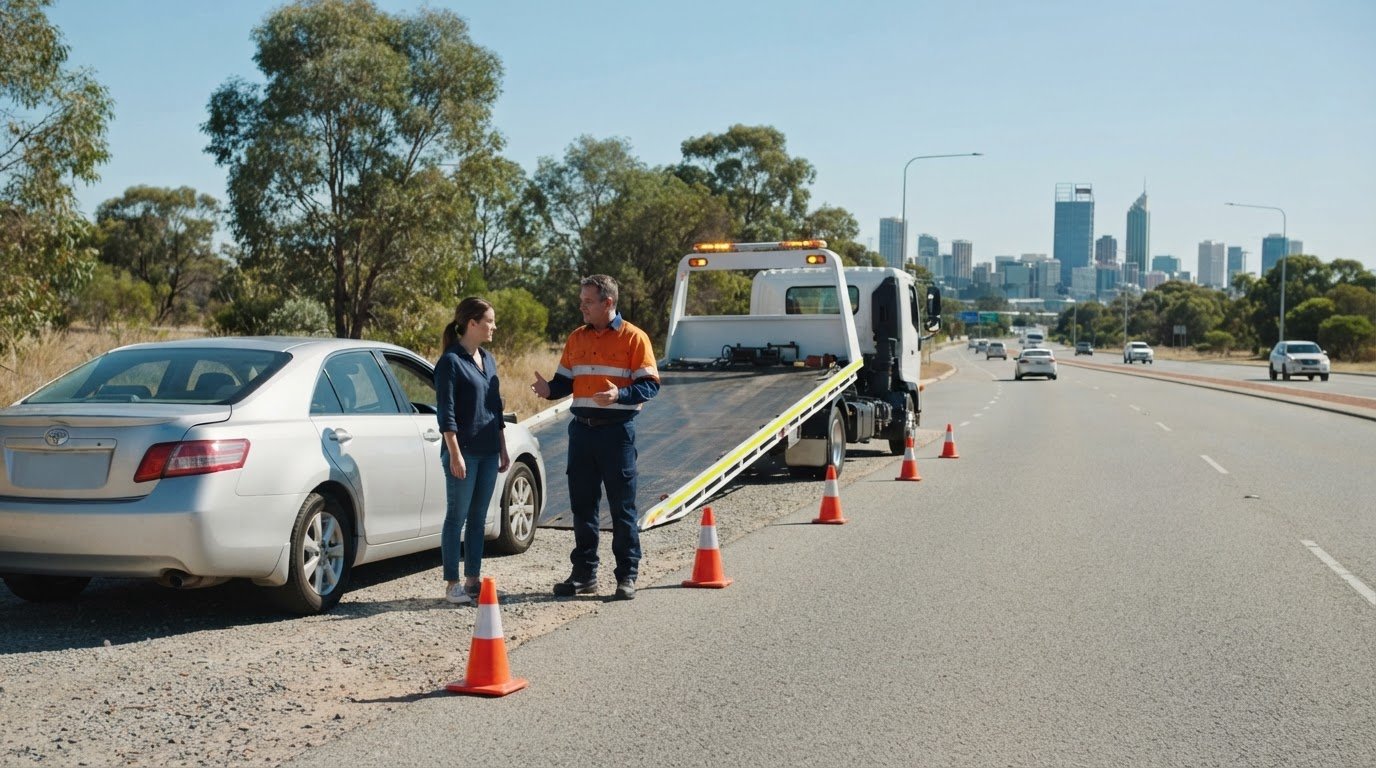
Start with safety. If anyone is hurt or the road is blocked, call 000. Move away from traffic and switch on hazard lights if it’s safe to do so. On a major road in Perth’s metropolitan area, Main Roads may move a vehicle obstructing traffic to a safer location at no cost. Once the immediate danger passes, decide where you want the vehicle taken.
Before authorising a tow, tell the operator your chosen destination and explain the vehicle’s condition. Mention damaged wheels, steering problems, low clearance or difficult access. A car with collision damage may need a tilt tray rather than a conventional tow. Clear information helps the operator plan suitable equipment and loading.
In Perth and Peel, a vehicle that’s hard to reach may involve an additional recovery charge. The charge must be agreed to on the Authority to Tow before work starts. Read the document carefully and check the destination, agreed work and any recovery charge before signing. Keep a copy or take a clear photo for your records.
Allout Towing provides a free quote, with the cost depending on the job. Distance, vehicle condition, access and recovery work affect the quote. If the vehicle is off-road or trapped in a confined area, explain that before the truck is dispatched. This helps make the quote specific to your situation.
For a regional crash or breakdown, give the operator the nearest town, road name, direction of travel and a recognisable landmark. Confirm the destination address, including the repairer’s name if you’ve chosen one. These details help avoid misunderstandings on longer journeys and clarify where the vehicle should be delivered.
Before the truck loads your vehicle, check that the Authority to Tow reflects your choice and any agreed recovery work. If you feel rushed, pause and ask for the document’s terms to be explained. For help arranging accident towing in Perth, use the contact options on the towing website.
Allout Towing: Tilt Tray Perth Services
Allout Towing can arrange vehicle transport when a breakdown or crash leaves your car unable to continue. Its Tilt Tray Perth Services suit vehicles that need loading onto a tray, including cars that shouldn’t be driven after a collision. For urgent towing needs, 24 Hour Car Towing is also available.
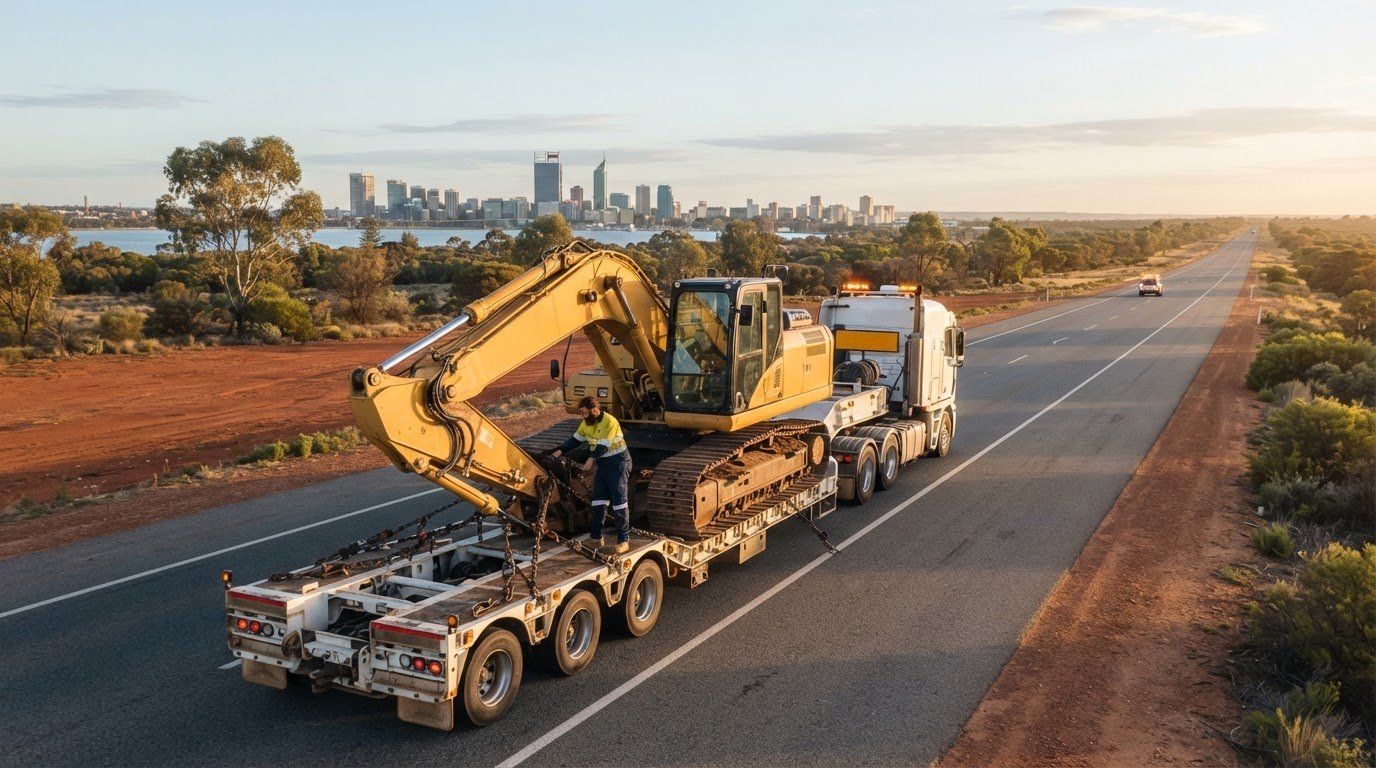
For larger transport jobs, Allout Towing offers Super tilt heavy transport and Container Transport. When you call, share the pickup location, destination, vehicle or load type, and any access restrictions. These details help the team understand the job and discuss suitable transport.
If you need help moving a vehicle or load, contact Allout Towing to discuss your requirements.
Take the next step with confidence
A breakdown or crash can leave you shaken, especially when it happens outside regular business hours. Focus first on your safety, then arrange transport that suits your vehicle and situation. If you need a weekend tow truck service in Perth, Allout Towing offers Tilt Tray Perth Services, 24 Hour Car Towing and Super tilt heavy transport.
When you contact Allout Towing, explain what has happened and what needs moving. A clear description helps the team understand whether you need a car transported or a larger load moved. Share the pickup and destination so the next step is clear.
There’s no need to have every detail figured out before you reach out. Start with your location and the vehicle or load involved, then talk through the transport you need. Contact Allout Towing for assistance and take the next step towards getting your vehicle or load where it needs to go.
Frequently Asked Questions
Are you available 24/7?
Yes. Allout Towing provides towing 24 hours a day, seven days a week across Perth and Western Australia. That includes help for a Sunday breakdown or a public-holiday accident. For a weekend tow truck service in Perth, describe what has happened and whether the vehicle can roll, steer or be moved. These details help the operator understand the job before dispatch.
Are you fully insured and qualified?
Allout Towing’s drivers are fully insured and police-certified. Explain whether you need a car, truck or recreational vehicle transported, as the vehicle type affects the equipment required. For example, a damaged car may need a different loading approach from one that won’t start. Ask the operator to explain the planned transport before agreeing to the tow.
Can you handle difficult or specialist towing jobs?
Yes. Allout Towing handles specialist transport, including prestige vehicles, caravans, motorhomes, campervans, machinery and containers. Its heavy transport capacity reaches up to 10 tonnes. When you call, describe the vehicle or load, its condition and the access at both locations. A forklift inside a workshop, for example, needs a different loading plan from a car parked in an open driveway.
How much does towing cost?
Allout Towing provides a free quote, and the cost depends on the job. The pickup and destination, distance, vehicle type, access and recovery work all affect the quote. Moving a car from an open driveway differs from recovering one that’s difficult to reach. Give accurate details about the vehicle and both locations so the quote reflects the transport you need.
How quickly can you arrive?
Allout Towing’s stated average response time for 24-hour emergency towing in metro Perth is under 30 minutes. Provide your suburb, street or nearest cross-street, plus your direction of travel if you’re on a major road. Also describe the vehicle and any access restrictions. These details help the operator understand where you are and what type of truck the job calls for.
Looking for a Tow Truck in Perth, Western Australia?
Allout Towing provides car and truck towing across Perth and Western Australia, including Perth’s northern suburbs: Joondalup, Quinns Rocks, Wanneroo, Yanchep and Clarkson. If you’re outside these suburbs, give the operator your exact location and destination. For a regional trip, include the nearest town or named road to help identify the pickup point.
Need a tow right now?
Call Allout Towing on 0418 959 216 to discuss the job. Share your location, vehicle type, destination and what has happened. If you’re at a crash scene, move away from traffic and call 000 if anyone is injured or the road is blocked. Once you’re safe, explain whether the vehicle has collision damage, locked wheels or limited access.
What are the weekend towing prices in Perth, including call-out fees and per-kilometre rates?
Allout Towing provides a free quote rather than a fixed weekend rate. The quoted cost depends on the pickup and destination, distance, vehicle type, site access and any recovery work needed. When requesting a quote, ask what the call-out covers and how distance or extra recovery affects the total. For crash towing, review the Authority to Tow and agreed charges before signing.