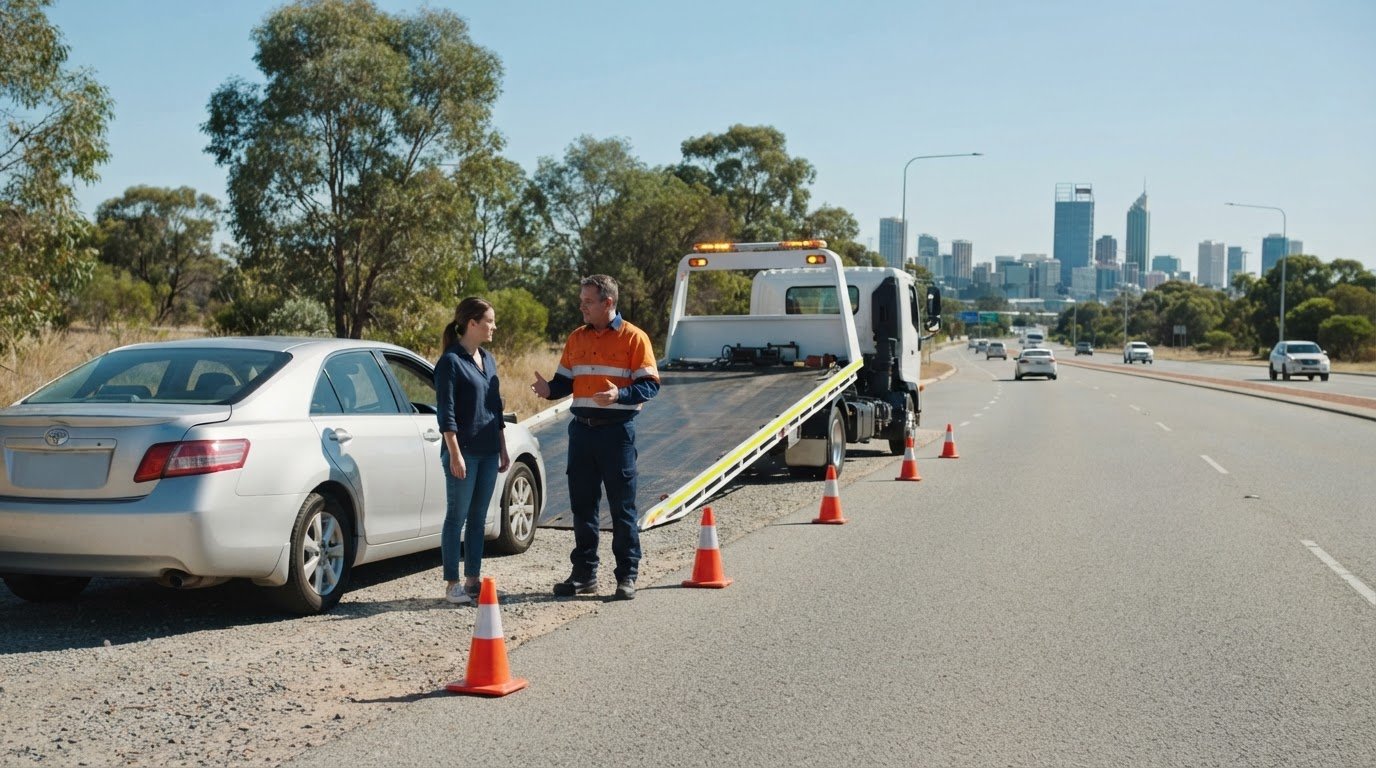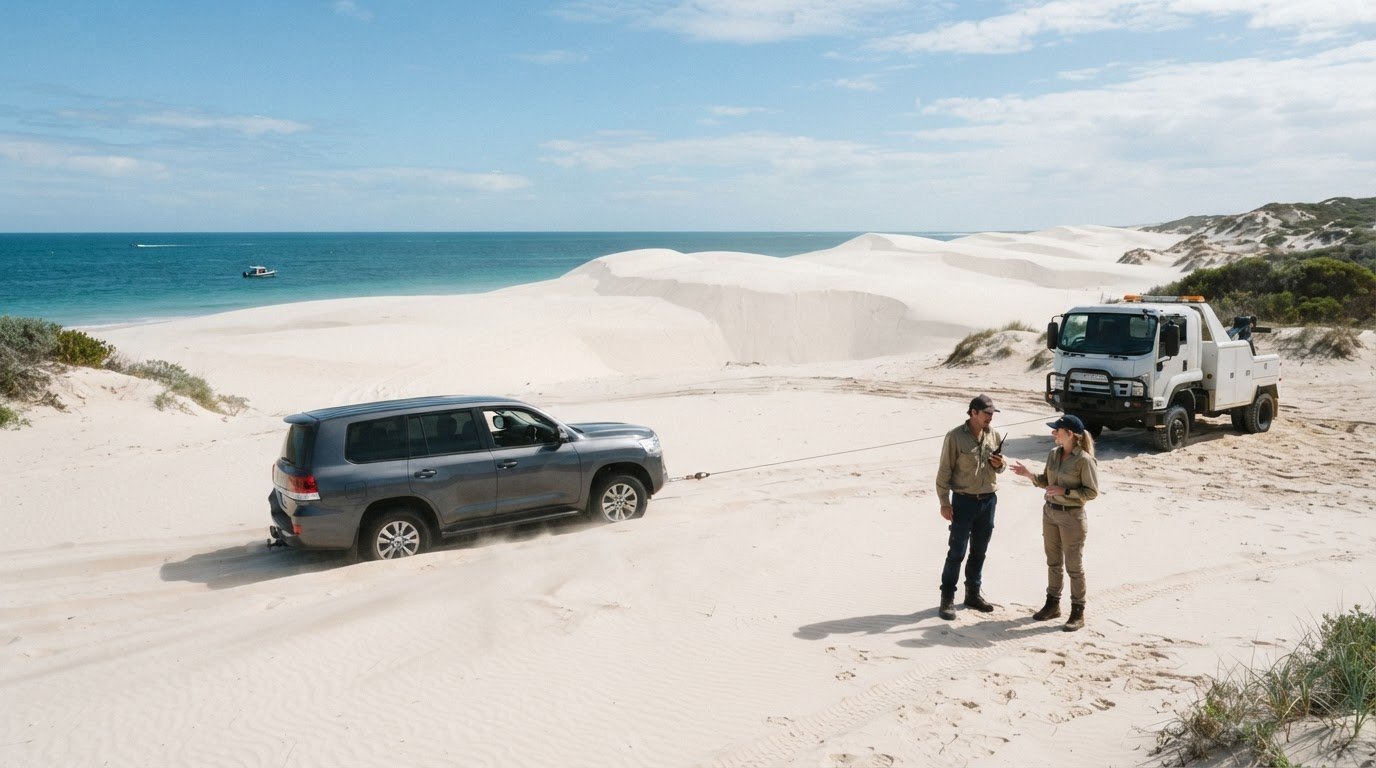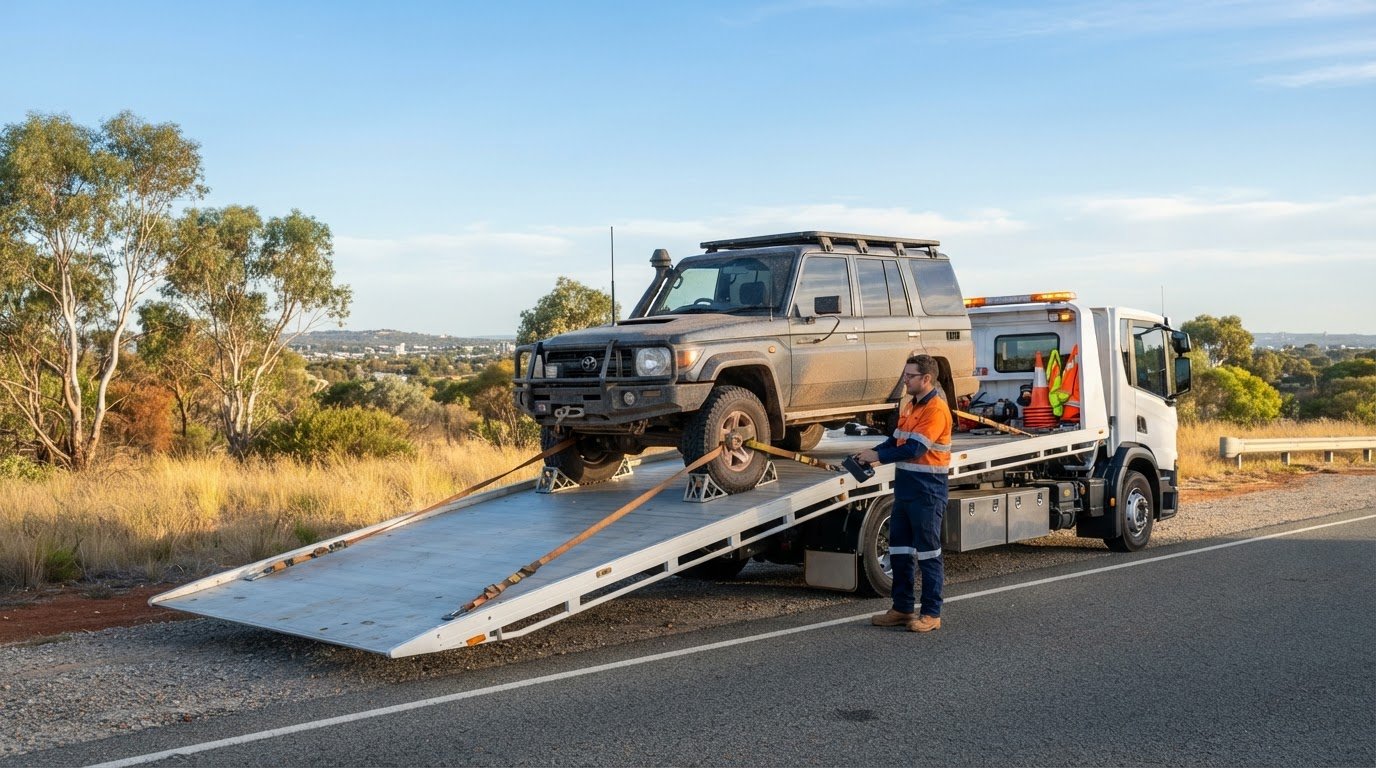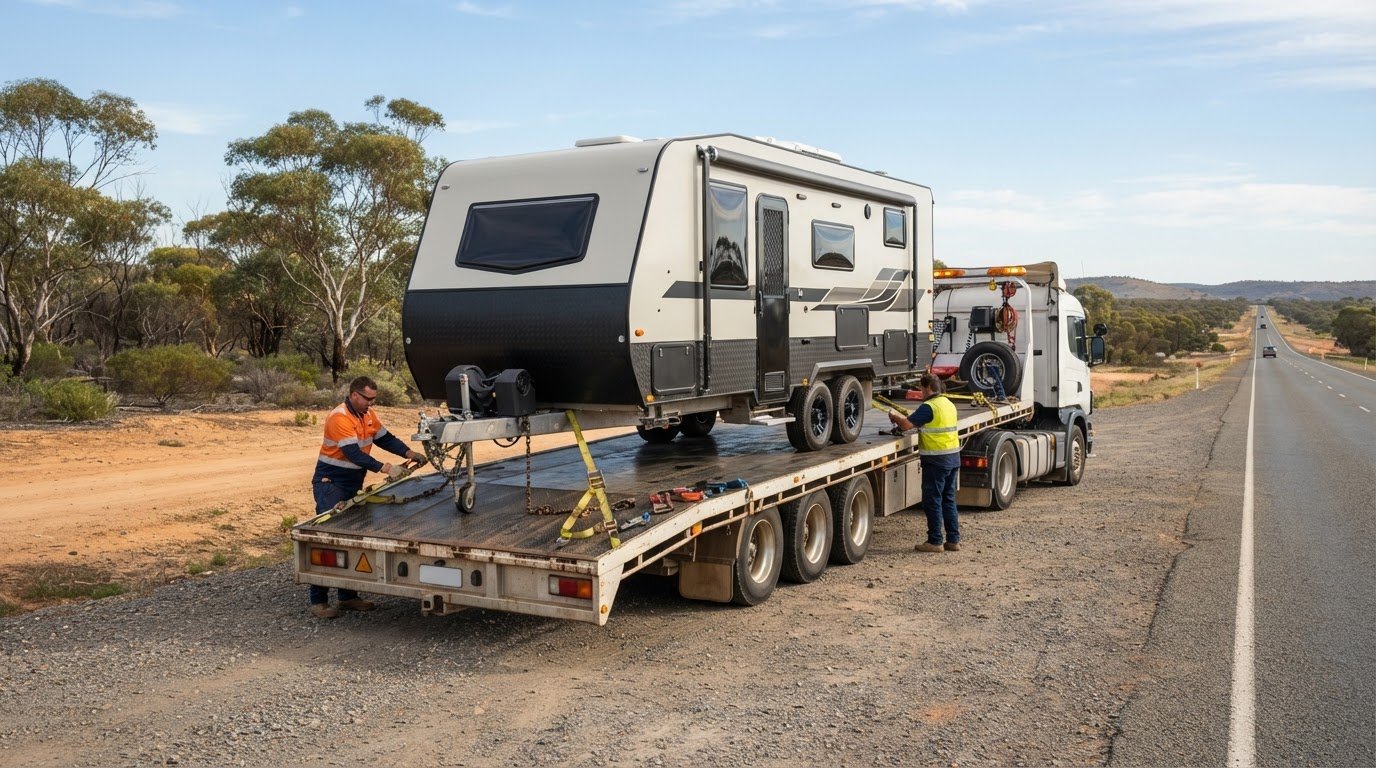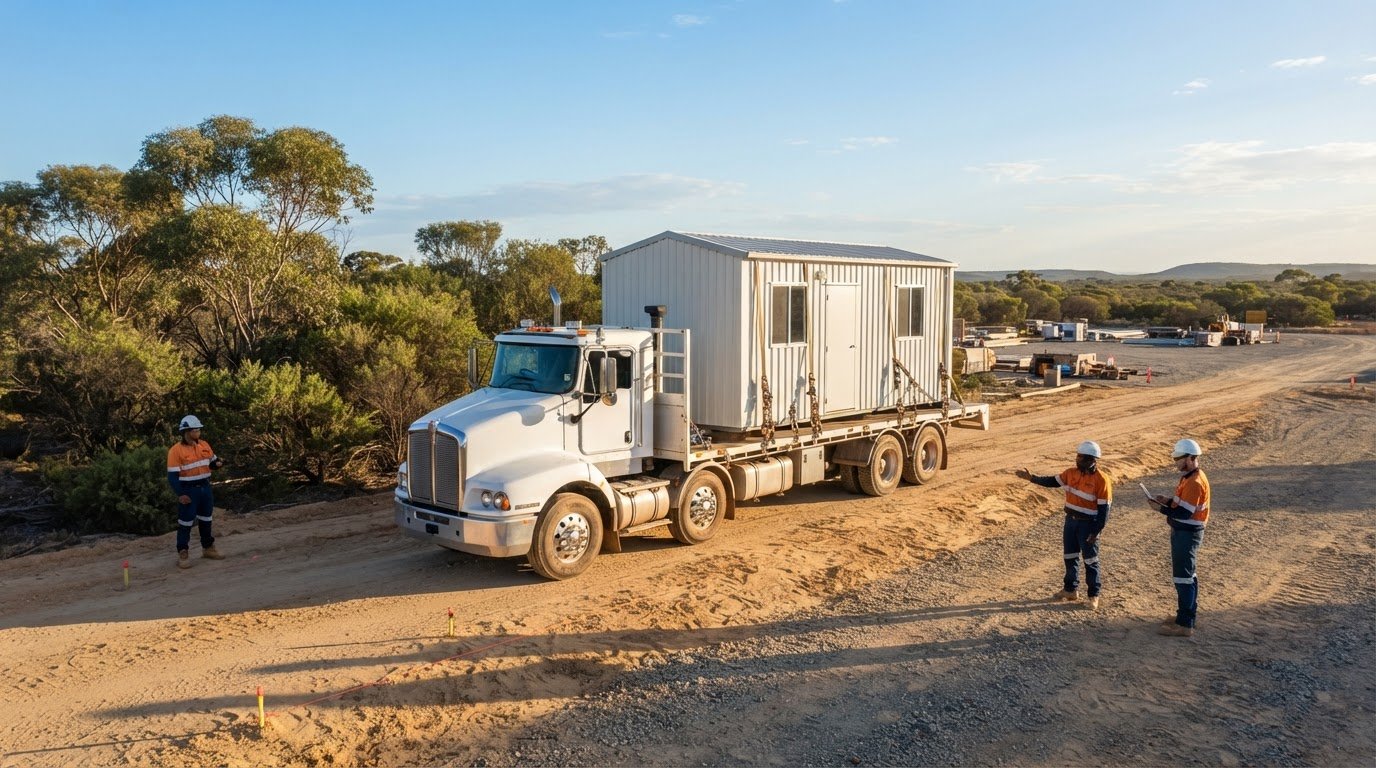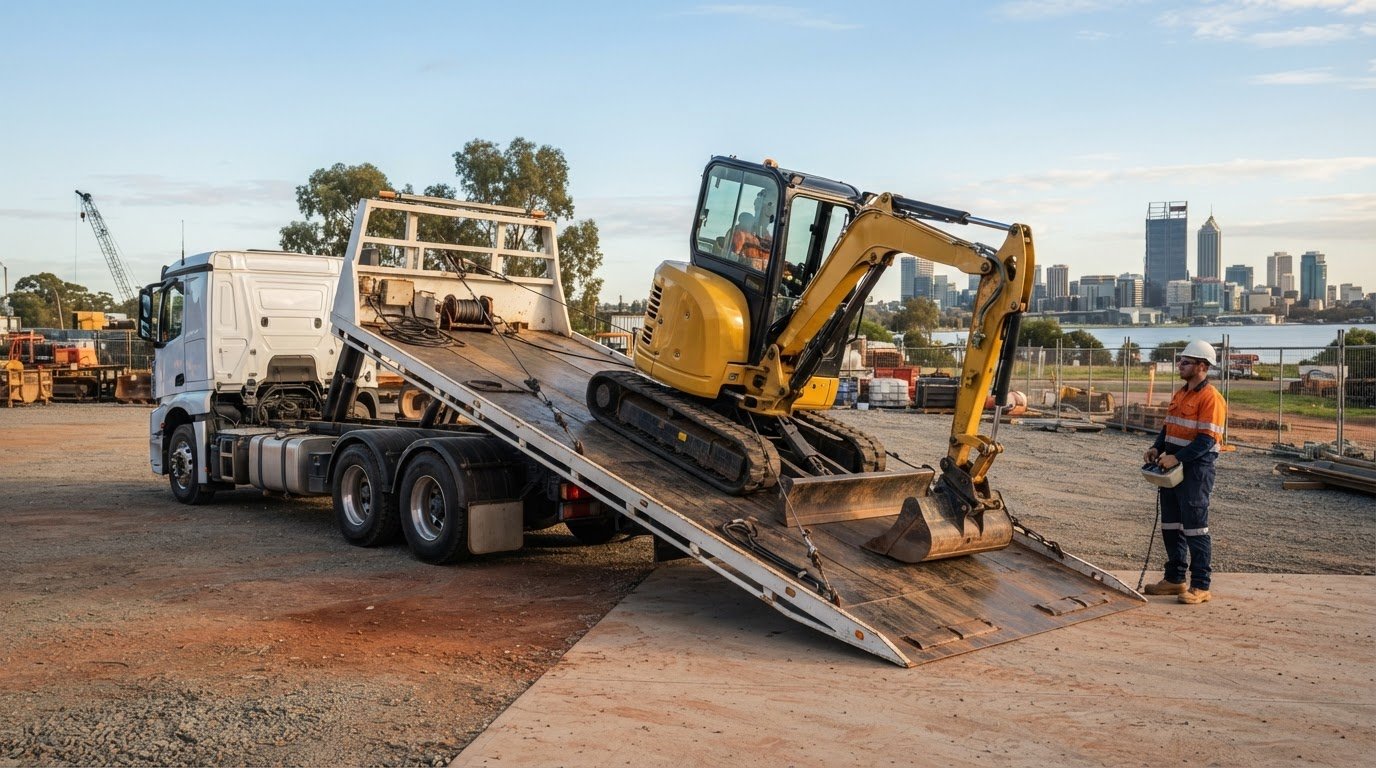
The loading method matters as much as the truck. Super tilt hire for heavy machinery in Perth uses a hydraulically tilting deck and remote controls to help load equipment without separate ramps. The operator can control the tray remotely during loading.
Moving an excavator, forklift or other large machine takes more than finding a truck with enough space. With super tilt hire for heavy machinery, the loading method and transport plan need to suit the equipment’s size, weight and shape. It’s understandable to want clear answers before arranging a move.
This guide explains how hydraulic loading and remote tray controls work, what machinery transport can involve, and which details help shape a transport plan. You’ll also learn what to prepare before booking and how to decide whether this approach suits your heavy machinery move in Perth.
Key Takeaways
- Match the transport setup to the machine’s dimensions, weight and loading needs, whether it’s an excavator, bobcat, skid steer or forklift.
- Check the route and delivery access as well as the trailer deck space when planning a machinery move across Western Australia.
- Understand how remote controls and winches help operators manage loading from a suitable position.
- Compare fleet capacity and tray length with the equipment being moved to identify a suitable heavy-haul option.
- Have the pickup and drop-off details ready so the transport plan can account for the machinery and site conditions.
Why Choose a Super Tilt Trailer?
A super tilt trailer has a tilting deck and can carry heavy machinery such as excavators, bobcats, skid steers, forklifts, loaders, tractors, dozers and boom lifts. Trailer-only hire does not include a tow vehicle or operator, so you need to arrange both separately.
Machinery and plant transport
Excavators, bobcats, skid steers and forklifts each have different shapes and loading needs. A compact skid steer, for example, differs from an excavator with its boom and bucket attached. Identify the machine and list its attachments before arranging transport. This helps establish how the full load will fit and what to consider for the move.
Also note whether the equipment runs, steers and can be positioned for loading. A forklift that moves under its own power presents a different loading situation from a machine that cannot operate. For plant equipment with removable attachments, record which parts are travelling with it. Clear details help prevent confusion when the machinery is collected.
Heavy equipment and oversized loads
Super tilt trailers can transport heavy equipment, vehicles and oversized machinery, including large construction and agricultural equipment. Key considerations include the load’s overall shape, weight and dimensions. An excavator with a boom attachment, for instance, takes up a different footprint from a compact forklift.
Describe the load as it will travel, not just the base machine. Include attachments, loose components and any part that projects beyond the main body. If several items need moving, list each one separately. This gives the transport planner a clearer picture of the complete load and helps avoid overlooking smaller items.
Some super tilt trailers can also transport containers and transportable buildings. These loads differ from mobile plant equipment, so specify whether the job involves a container, machinery or both. For a mixed load, describe each item and the intended transport arrangement clearly.
Before arranging a move, prepare these details:
- Machine type and make, such as an excavator, bobcat or forklift.
- Whether it runs and can be positioned for loading.
- Attachments travelling with it, including buckets, forks or booms.
- Whether the load is one machine, several items, a vehicle or a container.
These details help define the job before equipment is assigned. For example, describe a bobcat travelling with an attachment as one complete load. An accurate description helps ensure the transport arrangement reflects what will actually be collected and delivered.
Super Tilt trailer winching capabilities can reduce the need for additional equipment such as cranes when moving oversized or odd-shaped loads. For an oversized or odd-shaped load, this possible reduction in additional equipment is a reason to consider the trailer option. Include the load’s shape and size when describing the job, so the transport requirements can be considered in context, including whether cranes or other additional equipment may be needed.
Super tilt trailer hire in Western Australia
For a machinery move in Western Australia, compare the trailer dimensions with the load and decide who will arrange the towing. Hire terms, site access and the transport setup all affect the plan.
Trailer dimensions and extendable deck
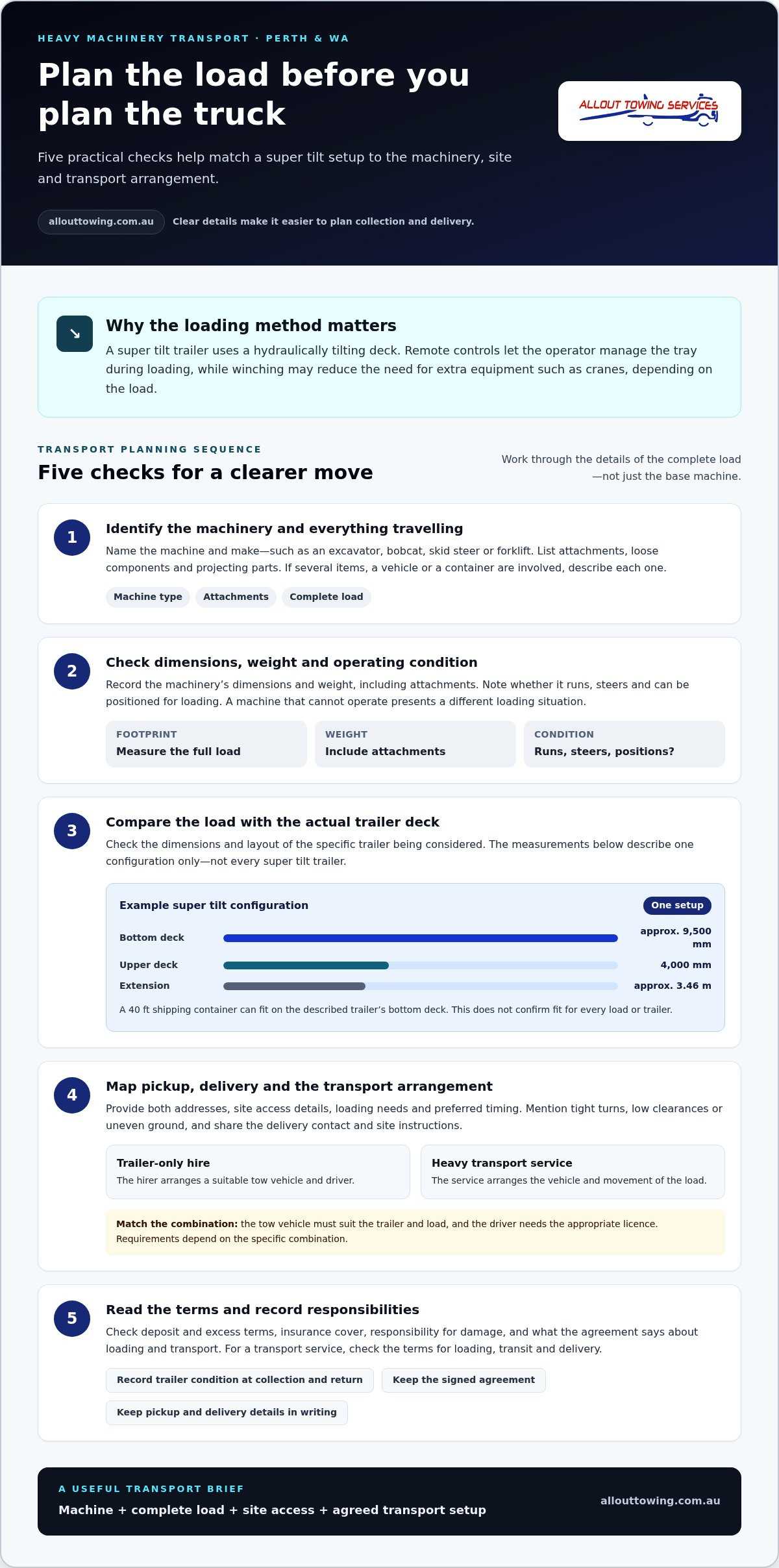
One super tilt configuration has a bottom deck of approximately 9,500 mm, an upper deck of 4,000 mm and an extension of approximately 3.46 metres. Measure the complete load, including attachments, and compare its footprint with the usable deck. A 40 ft shipping container can fit on the described trailer’s bottom deck, but that does not establish fit for every load.
These measurements describe a particular setup, not every tilt trailer. Check the dimensions of the trailer being hired, including its deck arrangement and extension. For an oversized item, account for parts that project beyond the main body, not just the machinery’s base length.
A suitable towing vehicle must match the trailer and load, and the driver needs the appropriate licence for that combination. There isn’t one truck or licence class that applies to every super tilt trailer in Australia. The right combination depends on the trailer, load and towing vehicle.
Trailer hire and machinery transport are different arrangements. With trailer-only hire, the hirer arranges a suitable tow vehicle and driver. A heavy transport service arranges the vehicle and movement of the load. The key distinction is whether you need a trailer or a complete transport service.
Booking pickup and delivery
To arrange a move, prepare the machinery type, its dimensions and weight, and the pickup and delivery addresses. Include site access details, loading requirements and preferred timing. Then establish who supplies the trailer, tow vehicle and driver, and who manages loading and unloading. This gives everyone a clear basis for planning collection and delivery.
For Perth sites, describe access at both ends, including tight turns, low clearances or uneven ground. Share the delivery contact and any site instructions before the move. Keep the agreed arrangements in writing so pickup and delivery details are easy to follow.
Insurance, deposits and damage terms
Read the hire agreement before committing. Check the deposit and excess terms, what the insurance covers, who is responsible for damage, and whether the agreement addresses loading and transport. These details set out the hirer’s responsibilities if the trailer or load is damaged.
Record the trailer’s condition at collection and return, and keep the signed agreement. For a transport service, read the terms covering the machinery during loading, transit and delivery. Clear paperwork helps everyone understand their responsibilities before the move begins.
Tilt-tray loading and remote tray controls
Remote controls let an operator manage a super tilt trailer’s loading equipment from a position with a clear view of the machinery and tray. The system includes radio remote controls, deck winches and a tilting tray. Remote operation can reduce injury risk during loading by allowing the operator to control the equipment without standing beside its controls.
The lower deck has two winches rated at 17,000 lb each, with approximately 27 metres of cable per winch. The upper deck has a separate 12,000 lb winch. These ratings describe the winches, not the trailer’s payload capacity. A winch rating alone does not show whether a particular machine is suitable for the trailer or loading setup.
Before loading begins, the operator considers where the machinery sits in relation to the deck and winch line. The line needs a workable path to the machine, while the operator needs to see how the load responds. For an excavator positioned at an angle, its starting position can affect how smoothly it tracks towards the deck.
Remote operation supports controlled movement, but it doesn’t make the load move itself. The operator uses the controls to manage the winch and monitor the machinery as it moves. If the line catches, the load veers or movement becomes uneven, the operator can pause and reassess the setup rather than continue through a problem.
When discussing a machinery move, share details that help plan the loading approach:
- Where the equipment will be positioned when the truck arrives.
- Whether the machine can be aligned with the planned winch path.
- Any attachments or parts that may affect its movement onto the deck.
- Whether the pickup area gives the operator a clear view of loading.
The lower-deck and upper-deck winches serve different positions on the trailer. The operator selects the setup that suits where the machinery needs to go. For example, a machine intended for the lower deck requires a different winch position from one headed to the upper deck. Cable length also helps determine how the trailer and machine can be positioned for loading.
Remote controls are useful for loading heavy machinery because the operator can manage the equipment while observing the load. They don’t replace proper planning or judgement. Provide accurate pickup details, including the machine’s starting position and surrounding access, so the operator can assess the loading approach.
Allout Towing’s super tilt trailers are fully remote operated, helping reduce injury risk during loading and allowing operators to oversee the machinery from a clear position.
Fleet options for heavy haulage
The right heavy-haulage truck depends on the load’s weight and dimensions. Compare those details with tray length and capacity before arranging construction equipment transport.
Available fleet options
The fleet includes two tilt slide trucks, each with a seven-metre tray and a 4.5-tonne weight capacity. Each can also accommodate a second car pickup. A heavier tilt slide truck has a 10-metre tray and a 10-tonne capacity. These options suit different loads, so identify the machine and any additional vehicle before selecting a truck.
For example, a compact machine may suit a shorter tray, while longer equipment may need more deck space. Tray length alone doesn’t determine suitability: the load’s weight, dimensions and shape all matter. Include attachments in your measurements, since an excavator boom or bucket can affect the space required.
Heavy-haulage capacity
Capacity helps narrow the fleet choice: the listed options have 4.5-tonne and 10-tonne weight capacities. Compare the machinery’s transport weight with the relevant truck’s capacity, then consider its dimensions and loading position. Don’t treat the longer 10-metre tray as proof that every oversized load will fit.
For heavy equipment, provide the machine’s make and model, weight, overall length and width, plus details of its attachments. If you’re moving several items, describe each one separately. A forklift and an excavator, for instance, have different shapes and may need different space and positioning.
Use this information to describe the job clearly:
- State whether the load is one machine, several machines or a vehicle with equipment.
- Give its weight and dimensions, including any attachment that extends its footprint.
- Describe the pickup and delivery access, including turning space and ground conditions.
- Note whether the move involves construction machinery or another type of heavy equipment.
Those details help match the truck to the actual load, rather than choosing by tray length alone. The same approach applies to a single machine moving between worksites or multiple items travelling together. Each item needs to fit the available tray and remain within the applicable capacity.
Location also matters when comparing fleet information. A 45 ft Super Tilt trailer listed for hire in Mackay, Queensland, is a different option from the Perth tilt slide trucks described here. Don’t assume a trailer available in Queensland is part of a Perth transport fleet. For a local move, focus on the truck, tray and capacity available for that job.
Before arranging transport, match the load details against the 4.5-tonne or 10-tonne fleet option and its tray length. If the machinery is oversized, its full dimensions and site access become especially useful planning details. A clear description helps determine which heavy-haulage setup fits the move.
Hydraulic tilting for loading machinery
Australian load restraint involves securing cargo with chains, straps or nets to prevent movement. Oversize transport planning depends on the load’s dimensions and route. Under Chain of Responsibility, every party involved in transport is liable for compliance.
Hydraulic tilt loading
A hydraulic tilt mechanism lowers the trailer deck to create a loading angle for machinery. This allows loading without separate ramps or additional equipment. The operator assesses the machine’s approach and the available ground before positioning the deck.
For ramp-free loading, check that the site gives the machine a clear path onto the tray. A forklift, for example, needs enough room to line up with the deck. Ground conditions and the machine’s dimensions help determine whether this approach suits the pickup location.
Securing heavy loads
After loading, restraints keep machinery from shifting during towing. Chains, straps or nets must suit the load and its position on the deck. An excavator’s shape and attachment points differ from a forklift’s, so the securing arrangement needs to account for the specific machine.
Before transport, check that the load is positioned correctly and each restraint is secure. Look for slack, movement or contact with parts that could be damaged. If an attachment changes the machine’s footprint, include it when assessing how the load can be restrained.
Loading safety
Keep people clear of the loading path while machinery approaches the tilted deck. The operator needs a clear view of the machine, tray and surrounding area. Stop loading if the machine slips, catches or moves unexpectedly.
Site access matters too. Check the ground for uneven or soft areas, then clear obstacles from the route to the trailer. These practical checks help reduce hazards during loading and give the operator room to position the machinery carefully.
For an Australian transport plan, consider the load’s dimensions and the route before arranging the move. The load’s size can affect how it is carried and whether additional oversize planning is needed. Keep the machine’s measurements and pickup and delivery details together so the operator can assess the job.
Use this preparation sequence before loading:
- Clear the approach to the trailer and identify any uneven ground.
- Position the machine in line with the lowered deck.
- Keep bystanders away while the machine moves onto the tray.
- Secure the load and check for movement before towing begins.
Careful preparation helps protect the machinery, people at the site and other road users. For help arranging a machinery move, enquire about heavy machinery transport.
Allout Towing: Tilt Tray Perth Services
Allout Towing transports heavy machinery around Perth and Western Australia. Its super tilt heavy transport service suits machinery moves where the load’s dimensions, weight and site access need to shape the plan.
For a machine that cannot drive onto the tray, hydraulic tilting and winch-controlled loading support a controlled loading process. When arranging transport, share the machinery type, its measurements, pickup and delivery locations, and any access constraints. These details help plan the right approach for the move.
Allout Towing also provides Container Transport and 24 Hour Car Towing. For a heavy machinery move in Perth, contact Allout Towing or visit allouttowing.com.au to discuss your transport needs.
Prepare your machinery move
Your next step is to turn the transport decision into a clear move brief. Before arranging super tilt hire for heavy machinery, nominate a site contact at each end of the journey and make sure they can coordinate access and loading on the day.
Include the delivery sequence if the machine needs to arrive before other work can begin. Note site access arrangements, who will receive the load, and where the truck should report. If the move involves several machines, list the order in which each should be unloaded. These practical details help everyone follow the same plan and reduce confusion at pickup or delivery.
Allout Towing offers Tilt Tray Perth Services, 24 Hour Car Towing and Super tilt heavy transport. Contact the team with your move details and discuss your machinery transport needs. With a clear plan in place, you can take the next step with confidence.
Frequently Asked Questions
What are a super tilt trailer’s payload capacity, deck dimensions and ramp specifications?
Specifications depend on the trailer and transport setup. Allout Towing’s heavy-tow tilt slide truck has a 10-metre tray and a 10-tonne capacity; its other tilt slide trucks have seven-metre trays and 4.5-tonne capacities. A super tilt trailer uses a hydraulic tilting deck for ramp-free loading. Check that the machine’s loaded dimensions fit the tray, including attachments, before planning the move.
Should I hire a super tilt trailer or arrange tilt-tray transport for heavy equipment?
Choose based on whether you’re arranging the truck and driver yourself or need the machinery transported. Trailer hire requires a suitable tow vehicle, a qualified driver and responsibility for the loading arrangement. A transport service arranges the move for you. A low-loader is another transport option, so compare how each setup handles your machine’s dimensions, loading needs and pickup access.
What safety risks and loading procedures apply to heavy machinery on a super tilt trailer?
The main risks include a machine shifting during loading, a winch line moving unexpectedly, or people entering the loading area. Before loading, clear the path and keep bystanders away from the tray and cable. The operator needs a clear view of the machine’s movement. After loading, check the restraints and make sure the machine stays in position before transport begins.
Where is super tilt hire available near major Australian cities?
Hire locations vary, so don’t assume a trailer advertised near another city is available for a Perth move. Allout Towing provides heavy machinery transport across Perth and Western Australia, including northern suburbs such as Joondalup, Wanneroo, Yanchep, Clarkson and Butler. For a move elsewhere in WA, provide the pickup and delivery locations when discussing transport so the route can be considered.