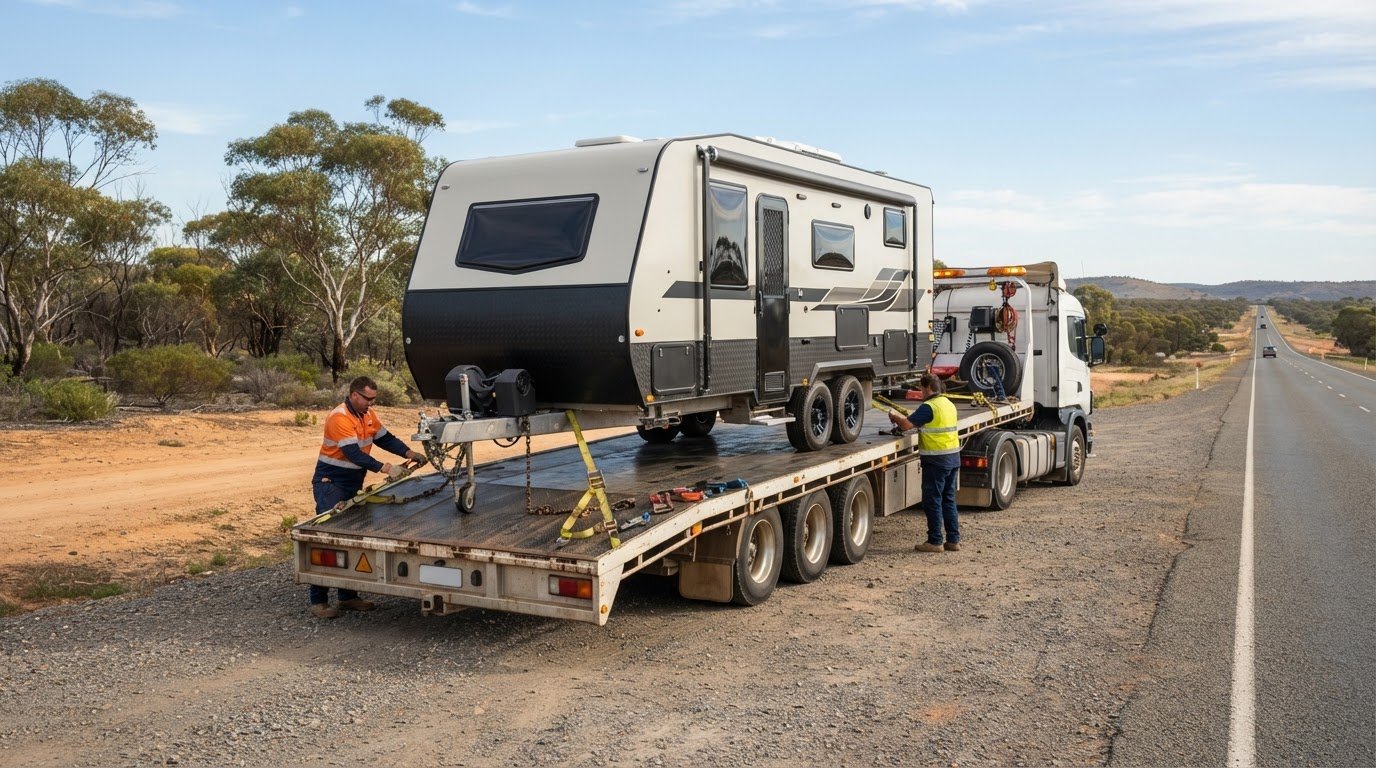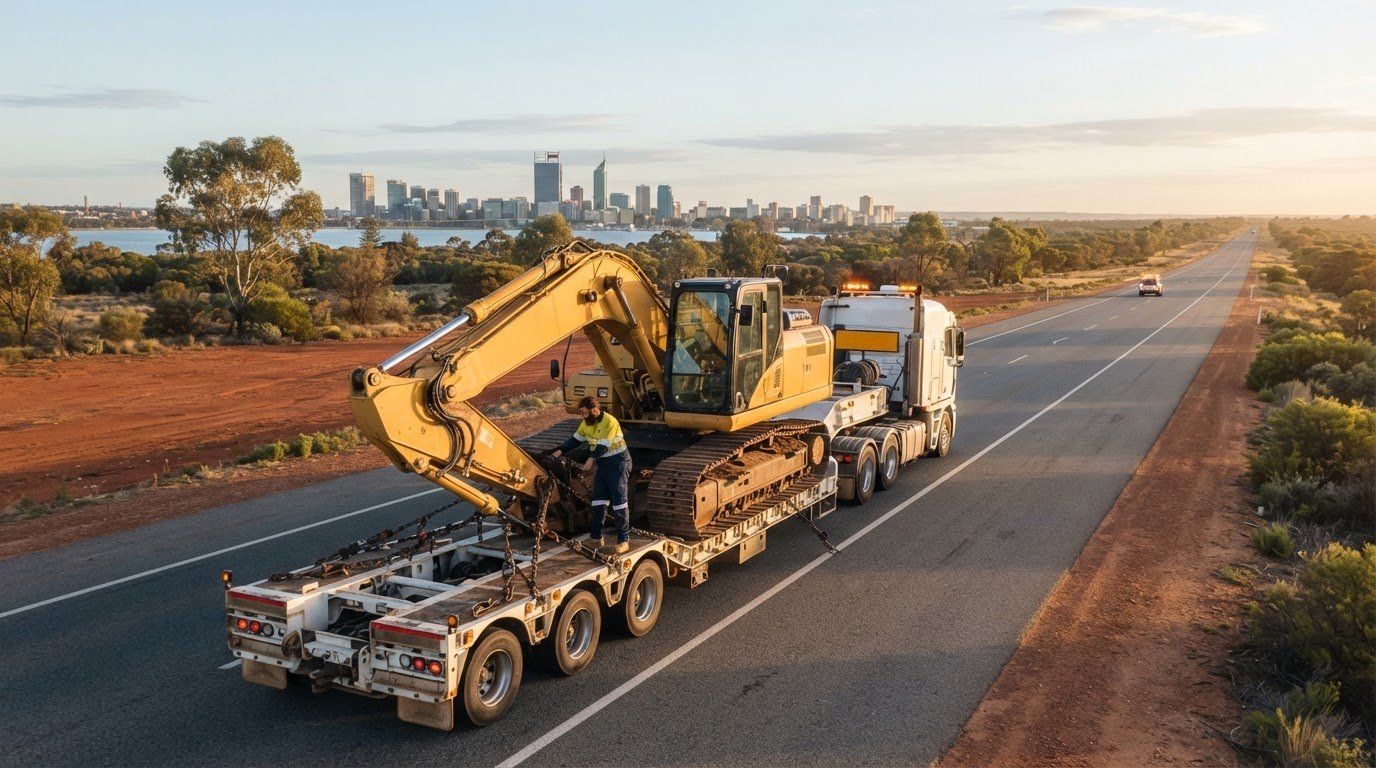
For machinery transport in Western Australia, loads wider than 2.5 m, higher than 4.3 m or longer than 19 m require the relevant wide-load, height or length permit. Safe transport starts with matching the machine’s dimensions and weight to suitable equipment, a workable route and secure load restraint. Oversized moves can need days or weeks of planning.
Protecting valuable machinery in transit takes more than the right truck. Loading, restraint, clearances and route planning all matter, particularly on long-distance moves across Western Australia.
This guide explains permits, machinery transport across Western Australia and interstate, and what affects costs from Perth to the East Coast. You’ll also find practical preparation steps for construction and agricultural equipment, plus guidance on choosing transport that suits the machine and journey.
Key Takeaways
- Measure the machine and record its weight before arranging a move. These details help determine the transport setup and permit needs.
- For interstate moves, compare the route and delivery requirements as well as the transport method, so you can plan around the journey.
- Perth-to-East-Coast costs depend on factors such as distance, machinery size and weight, and loading requirements. Use these details to prepare for a tailored quote.
- Before collection, secure loose items and prepare the machine for transport. The article explains practical steps for construction and agricultural equipment.
- Match the transport option to the load: tilt tray services suit some machinery moves, while heavier or oversized equipment may call for a different setup.
Q: What permits are required for machinery transport in Western Australia?
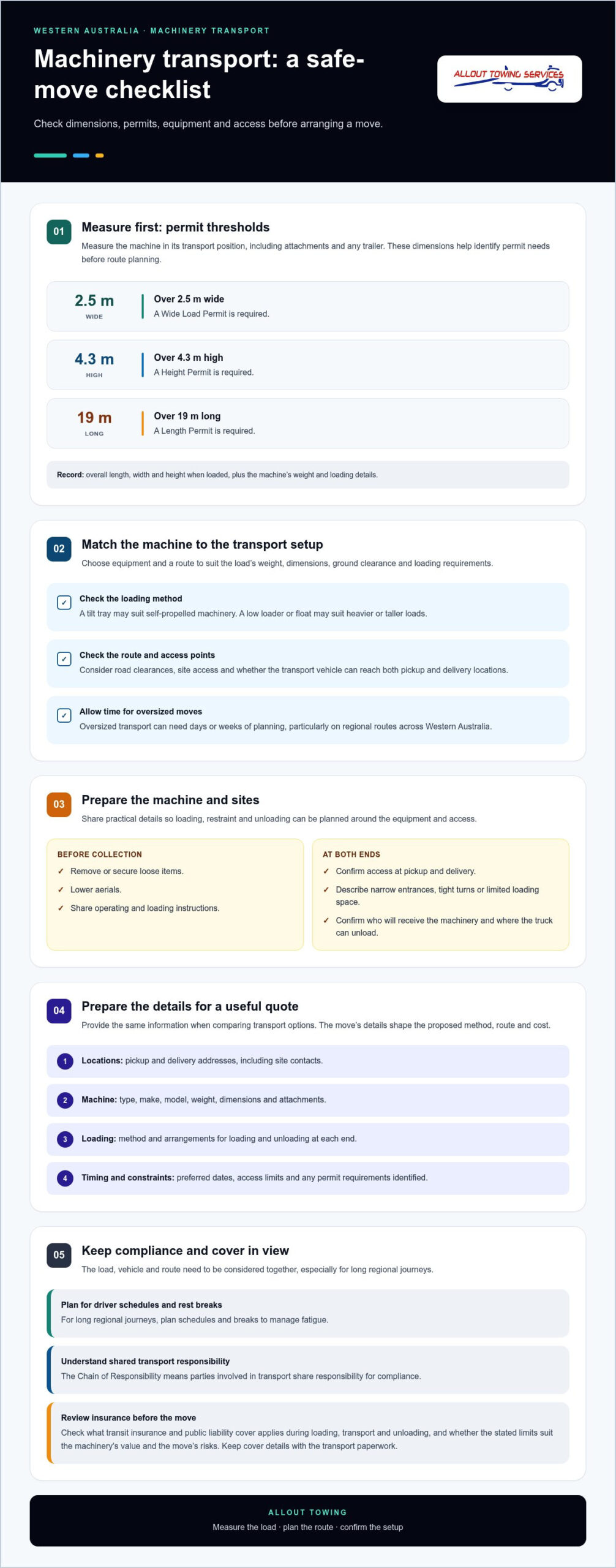
For machinery transport in Western Australia, a load over 2.5 m wide requires a Wide Load Permit. A load over 4.3 m high requires a Height Permit, while machinery over 19 m long requires a Length Permit.
Measure the machine in its transport position, including attachments and any trailer. These dimensions help identify permit requirements before route planning. Oversized freight may need days or weeks of preparation, particularly when the route crosses regional Western Australia.
A 70 tonne excavator travelling across regional Western Australia needs specialised heavy-haulage capability. The transporter must match its equipment and route plan to the machine’s weight, dimensions and loading needs. Smaller equipment may suit a different setup.
Choose a transport method based on the machine’s weight, ground clearance and loading requirements. A tilt tray may suit self-propelled machinery, while a low loader or float may suit heavier or taller loads. The right setup depends on both the equipment and the route.
Road access depends on the load’s dimensions and clearances along the route. Permit thresholds help identify when a wide-load, height or length permit is required. Route planning must also account for roads and access points along the journey.
- Record the machine’s overall length, width and height when loaded.
- Include attachments that change its transport dimensions.
- Provide its weight and loading details for the quote.
- Plan the route around the load and site access.
These details help the transport operator assess permits and suitable equipment. They can also prevent you from arranging a truck that cannot safely load the machine or reach the destination.
For long regional journeys, plan driver schedules and rest breaks to manage fatigue. Heavy vehicle compliance also involves considering the load, vehicle and route together. The Chain of Responsibility is the legal principle that parties involved in transport share responsibility for compliance.
Before loading, remove or secure loose items and lower aerials. Confirm access at pickup and delivery, and share any operating or loading instructions with the transport team. These details help the operator plan loading and secure the machinery for travel.
Review your insurance cover for the machinery during loading, transport and unloading. Check what transit insurance and public liability cover applies, and whether the stated limits suit the equipment’s value and the risks of the move. Keep the cover details with the transport paperwork.
For a useful quote, provide the pickup and delivery locations, machine dimensions and weight, loading method and preferred timing. Mention permit needs and site access limits, such as a narrow entrance. This information helps assess the transport vehicle, route and any additional haulage requirements.
Agricultural machinery transport across Western Australia and interstate
Moving agricultural machinery between farms, depots and worksites takes planning around the equipment and destination. A tractor travelling from Perth to a regional property may have different access needs from a seeder heading interstate. Provide the machine’s make, model, weight and dimensions, along with both addresses. Describe site access too, including unsealed approaches, tight turns or limited loading space.
How long does machinery transport take between Perth and regional Western Australian towns? The destination and route determine transit time. Freight to remote Western Australian sites might spend two or three days in transit; Perth to Kalgoorlie is listed at 1-2 days, while Perth to Port Hedland is listed at 2-3 days.
For interstate journeys, allow for distance and delivery coordination. The listed transit time from Perth to Melbourne is 5-7 days. Align collection and delivery with farm schedules, machinery handover and any site access arrangements. A receiving contact should know when the load is due and where the truck can safely unload.
Quotes depend on the machine’s weight, dimensions, route, access, loading needs and any permit requirements. The price depends on the move and is provided after a quote request, with those transport and access factors shaping the cost. To help compare options, give each transport partner the same details and ask for the route, transport method and expected transit time in writing.
For a regional or interstate move, prepare these details before requesting a quote:
- Pickup and delivery locations, including the site contact.
- Machine type, weight, dimensions and any attachments travelling with it.
- Loading and unloading arrangements at each end.
- Preferred collection and delivery dates, allowing for the stated route transit.
- Any access limits or permit requirements already identified for the load.
Interstate delivery also needs a clear handover plan. Confirm who will receive the machinery, where the truck should enter and whether the unloading area is accessible. A narrow turn at a farm entrance, for example, may affect the approach and unloading plan even if the machine fits the transport vehicle.
Before booking, check that the proposed transport method suits the machine’s size and loading requirements. A suitable vehicle and clear route plan help protect the equipment in transit. Keep the quote, agreed schedule and delivery details together so the sender, transporter and receiving site share the same information.
Q: How much does it cost to transport machinery from Perth to the East Coast?
The quote depends on the machine, transport setup, route and delivery arrangements. Provide accurate dimensions and weight, pickup and delivery details, and loading requirements to get a useful quote.
Low loader transport for oversize equipment
A low loader carries heavy equipment on a lower deck than many standard transport vehicles, which may suit taller machinery. However, the loaded height and overall dimensions still matter. A raised cab or attached implement, for example, can change the loading plan once secured.
Ask for the quote to use the machine’s transport-ready measurements, not just its catalogue dimensions. Include attachments, removable parts and loading equipment. The route across Western Australia and into the eastern states also affects planning, as clearances and access can shape the journey.
Oversize and overmass machinery
Oversize describes a load that exceeds relevant dimensional limits; overmass refers to its weight. A machine may be one, the other or both. A wide implement travelling from Perth, for example, presents different transport considerations from a compact but particularly heavy machine.
Provide the machine’s weight and loaded dimensions together. This information helps identify a suitable vehicle, assess loading and restraint needs, and plan permits or route arrangements. Oversized freight may require days or weeks of planning, so preparing early helps coordinate collection and delivery.
Oversized and overweight freight
Oversized and overweight freight needs a plan built around the load, not just the distance. Route, equipment, loading method, permits and site access can all affect the quote. A machine that needs special loading or a route adjustment may require different arrangements from standard freight.
There is no single East Coast price for every load. Share the machine’s details when requesting a quote, and ask it to set out the transport method, route assumptions and any separate planning or permit costs.
To help prepare a request, gather:
- Machine make, model, weight and loaded dimensions.
- Pickup and delivery locations, including site access details.
- Attachments travelling with the machine and loading arrangements.
- Preferred collection and delivery timing.
Compare quotes using the same information, and check that each covers the same route and transport requirements. For moves across Western Australia or interstate, clear details help distinguish a basic haulage plan from one that includes extra preparation for oversized freight.
Transport of construction machinery, earthmoving equipment and plant hire assets
Excavators, bobcats, forklifts and elevated work platforms each need a transport plan suited to their shape and loading requirements. Start by recording the equipment details and site access conditions at both ends.
Construction and earthmoving equipment
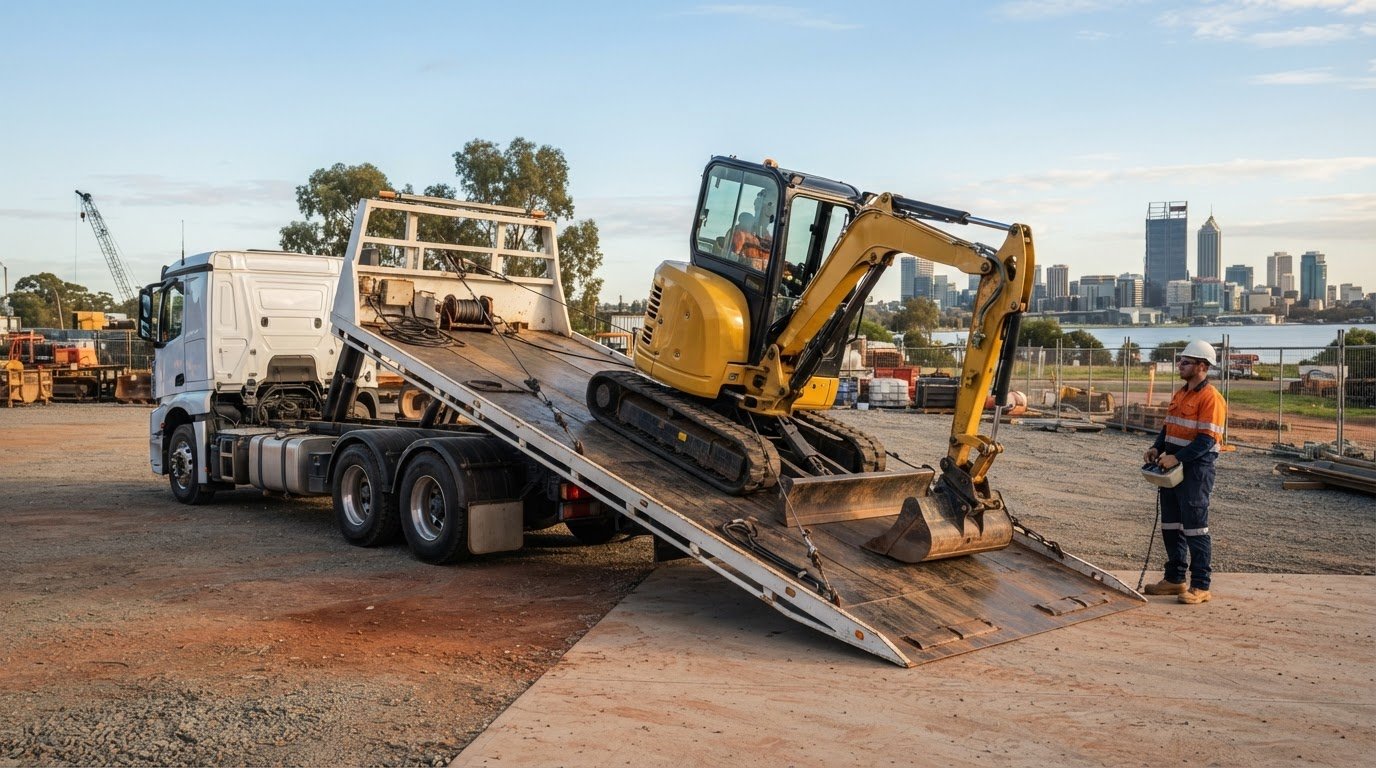
For an excavator or bobcat, provide its transport-ready dimensions, weight and attachment details. A bucket, blade or other fitted equipment can affect the load’s size and position on the trailer. Tell the operator whether the machine can be driven onto the deck or needs winch-controlled loading.
Before collection, lower raised parts and secure loose items. Share access constraints, such as a narrow entrance or uneven loading area. This information helps the operator plan the machinery transport and select a suitable vehicle.
Mining and construction equipment
Mining and construction freight may involve moving machinery between a Perth depot, worksite and regional project. Give the transport operator the pickup and delivery locations, the machine’s operating condition and any site-specific loading instructions. A forklift heading to a construction site, for example, needs a clear handover and unloading plan.
For plant hire equipment, coordinate collection with the hire depot and receiving site. Confirm who will meet the driver and where the machinery should be unloaded. Clear instructions help prevent delays caused by a locked gate, an unavailable site contact or an obstructed work area.
Specialised trailers and equipment
Trailer choice depends on the machinery’s weight, dimensions, ground clearance and loading method. A low loader may suit taller equipment, while a tilt tray may suit machinery that can be loaded onto its deck. Operators assess the actual transport configuration to choose a suitable setup, rather than relying on the machine’s name alone.
For an elevated work platform, include its type and any parts that fold or extend. Explain how it can be loaded and secured. For a manufacturing machine, identify removable sections and lifting points so the loading plan accounts for its shape and handling requirements.
Prepare these details before arranging construction or mining freight:
- Machine make, model, weight and transport-ready dimensions.
- Attachments, removable parts and loading instructions.
- Pickup and delivery access, including site contacts.
- Any timing requirements for a plant hire return or project delivery.
These details help match specialised trailers and transport equipment to the load. They also give the operator practical information for planning loading, restraint and delivery access. If the equipment cannot move under its own power, state that when arranging transport.
Machinery transport across Perth and Western Australia
Machinery moves within Perth need the same clear planning as regional freight. The transport method, loading arrangements and destination access all affect the move. Depending on the machine and journey, options may include tilt tray, low loader, float or specialised heavy haulage.
For a local move, start with the pickup and delivery addresses, then provide the machine’s dimensions, weight and loading needs. A forklift moving between a Perth depot and a worksite, for example, may need a clear entry point and space for unloading. Share site access details before arranging collection.
Regional freight needs extra attention to distance, route and delivery coordination. A load travelling to Port Hedland covers more than 1,600 kilometres by road from Perth. A Perth-to-Newman trip is roughly 1,200 kilometres. Remote Western Australian freight might spend two or three days in transit, so coordinate the arrival with the receiving site.
What machinery transport services are available in Western Australia? Options include tilt tray transport for suitable equipment, low loader or float haulage, and specialised heavy transport for larger machinery. The machine’s dimensions, weight, loading method and route help determine the right setup.
Road regulations and access conditions matter across Western Australia. Loads exceeding relevant dimensions may need permits and route planning, and the destination may have its own access limits. Check the machine’s loaded measurements, including attachments, and provide them with the pickup and delivery locations when requesting a quote.
Use this preparation sequence to help arrange reliable transport:
- Record the machine’s make, model, weight and transport-ready dimensions.
- Describe whether it drives, rolls or needs winch-controlled loading.
- Note access details at both locations, such as narrow gates or uneven ground.
- Give the receiving contact the expected delivery arrangements.
For a move from Perth to a remote site, identify who can receive the load and where it can be unloaded. A truck arriving before the site is ready can complicate delivery. Include the site contact and unloading area in the booking details.
Quotes are easier to compare when each provider receives the same information. Include the route, machine details, loading needs and preferred timing. Ask for the transport method and route assumptions in writing. This makes like-for-like comparisons easier than relying on a broad description such as “machinery freight”.
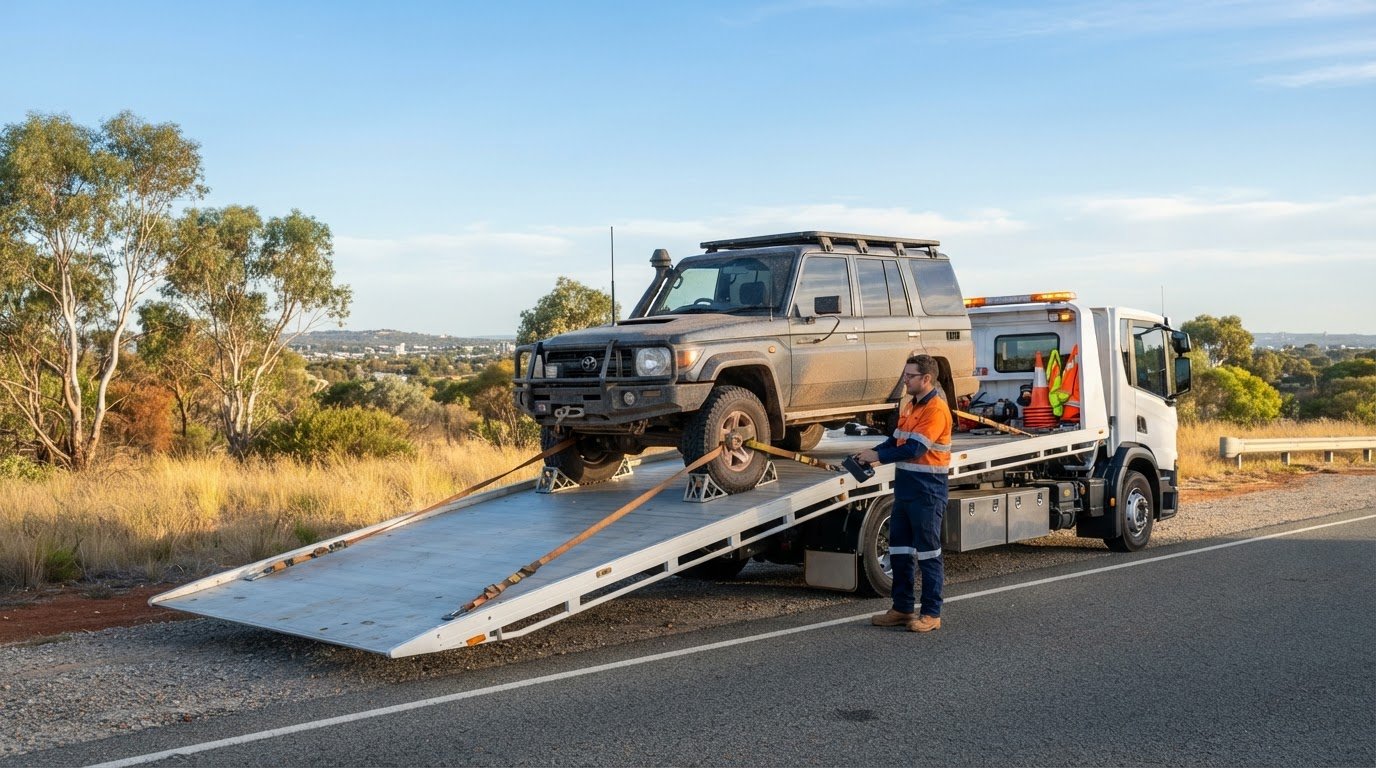
Careful loading and load restraint help keep equipment secure during travel. Before collection, remove or secure loose items and lower aerials. Share handling instructions with the transport operator, particularly for machinery with movable arms, attachments or fragile components.
Allout Towing: Tilt Tray Perth Services
Allout Towing provides Tilt Tray Perth Services and Super tilt heavy transport for machinery moves in Western Australia. The suitable option depends on the equipment and transport requirements. Share the job details when arranging your move.
For a machinery transport enquiry, call Allout Towing on 0418 959 216 or contact the team online. Include your pickup and delivery locations and the machinery details so you can discuss the next step.
Plan your next machinery move with confidence
A clear transport brief is a practical starting point for any machinery move. Gather the machine’s details, pickup and delivery access information, loading requirements and preferred timing before arranging transport. This keeps planning focused on the equipment and journey, rather than last-minute details.
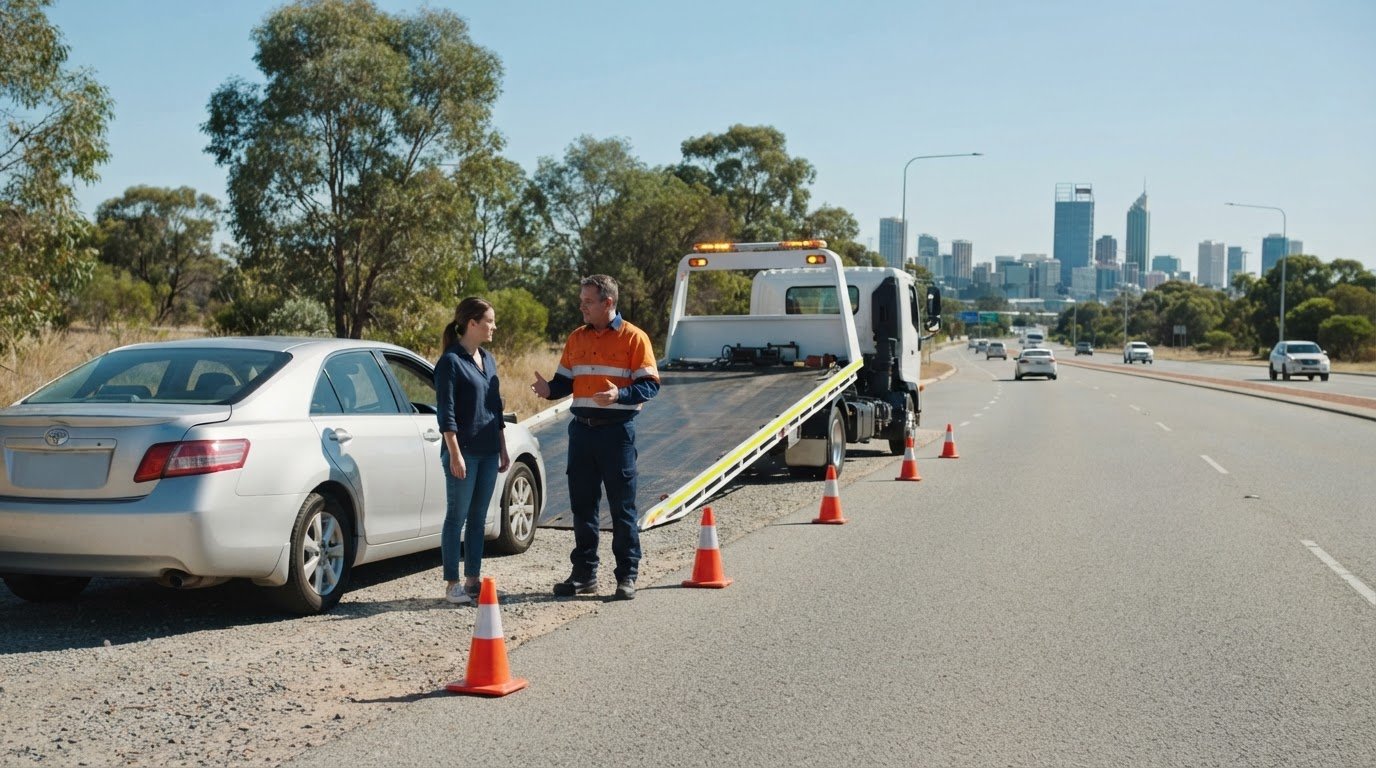
For machinery transport in Western Australia, Allout Towing offers Tilt Tray Perth Services and Super tilt heavy transport. Its 24 Hour Car Towing service is also available for vehicle towing needs. Choose the service that fits the job, then share the load and route information to discuss the next step.
Taking time to prepare those details can make a complex move easier to organise. Contact Allout Towing to discuss transport and take the next step towards moving your equipment.
Frequently Asked Questions
How do you ensure my machine is transported safely?
Use a clear handover process before the machine leaves and when it arrives. Photograph its condition from several angles, including existing marks and detachable components. Keep the images with the job records, and ask the receiving contact to compare the machine against them at delivery. Provide written handling instructions for delicate controls or parts so the transport operator knows what needs particular care.
Need Reliable Transport Fast?
For a time-sensitive machinery move, contact Allout Towing and explain the required delivery window. Allout Towing provides machinery transport and Super tilt heavy transport in Western Australia. Its 24 Hour Car Towing service is for car towing, not a stated response time for machinery moves. If the date is fixed, say so at the start of the conversation to discuss practical arrangements.
Q: Can you arrange backloading for machinery from Perth?
Backloading may suit a move if a compatible return journey and flexible timing line up. Market estimates say it can save up to 50% on machinery transport costs, though the actual saving depends on the available route and load. It may not suit a fixed delivery deadline. Consider it alongside a direct trip, and compare the agreed collection and delivery arrangements before deciding.
What information do you need to provide a quote?
Along with the machine details, include clear photographs and its serial or asset identification number, if available. Explain whether it has fragile controls, removable components or manufacturer handling instructions. State your preferred collection window and identify who can approve the move. These details clarify the job scope and reduce confusion between the person arranging transport and the recipient.
How much does machinery transport cost in Western Australia?
Allout Towing provides a free quote rather than one fixed price for every machinery move. Review the written quote for the agreed service scope, collection and delivery arrangements, and any separately identified charges. Keep it with your booking records so everyone involved can refer to the same terms. Machinery transport costs vary with the job across Western Australia.
Which companies transport heavy machinery in Perth and regional WA?
Allout Towing provides machinery transport and Super tilt heavy transport in Western Australia. The drivers are fully insured and police-certified. When arranging a move, make sure the person coordinating the machinery and the receiving site contact share the same handover plan. This is especially useful when a depot, contractor and regional worksite each have a role.
What permits are required to transport oversized machinery in Western Australia?
The permit category depends on the load’s classification and the proposed journey. Before booking, ask for the transport plan to identify which permits are being arranged and who is responsible for each step. Keep permit details with the job paperwork and communicate any route or load changes promptly. Clear records help the transport team and receiving site follow the same plan.
What are the risks and safety requirements when loading and transporting heavy machinery in Western Australia?
Unsecured machinery or components can shift in transit, potentially damaging the load or transport vehicle. The operator should check the load restraint before departure and reassess it if the load or its position changes. Keep clear of the loading operation and follow the operator’s directions. At delivery, inspect the machine before completing the handover and promptly record any concerns about its condition.