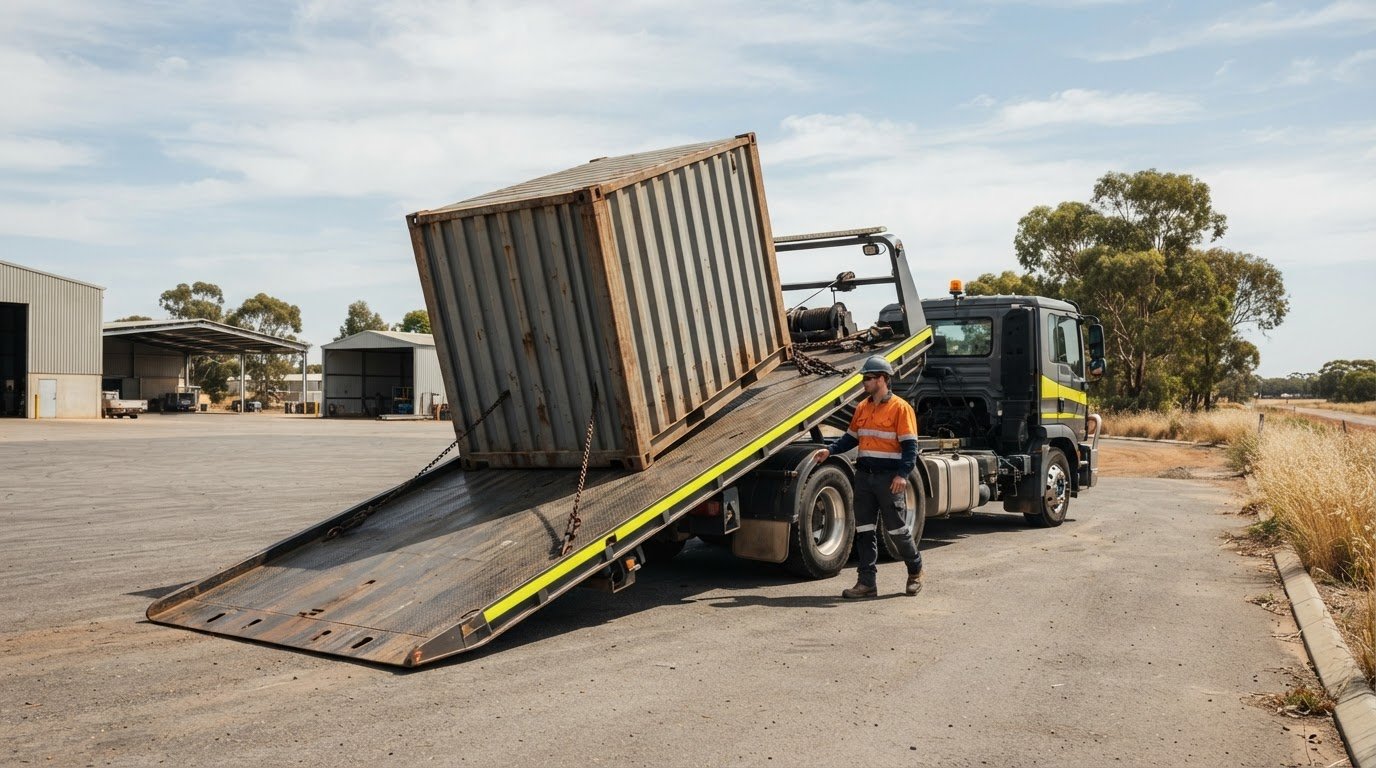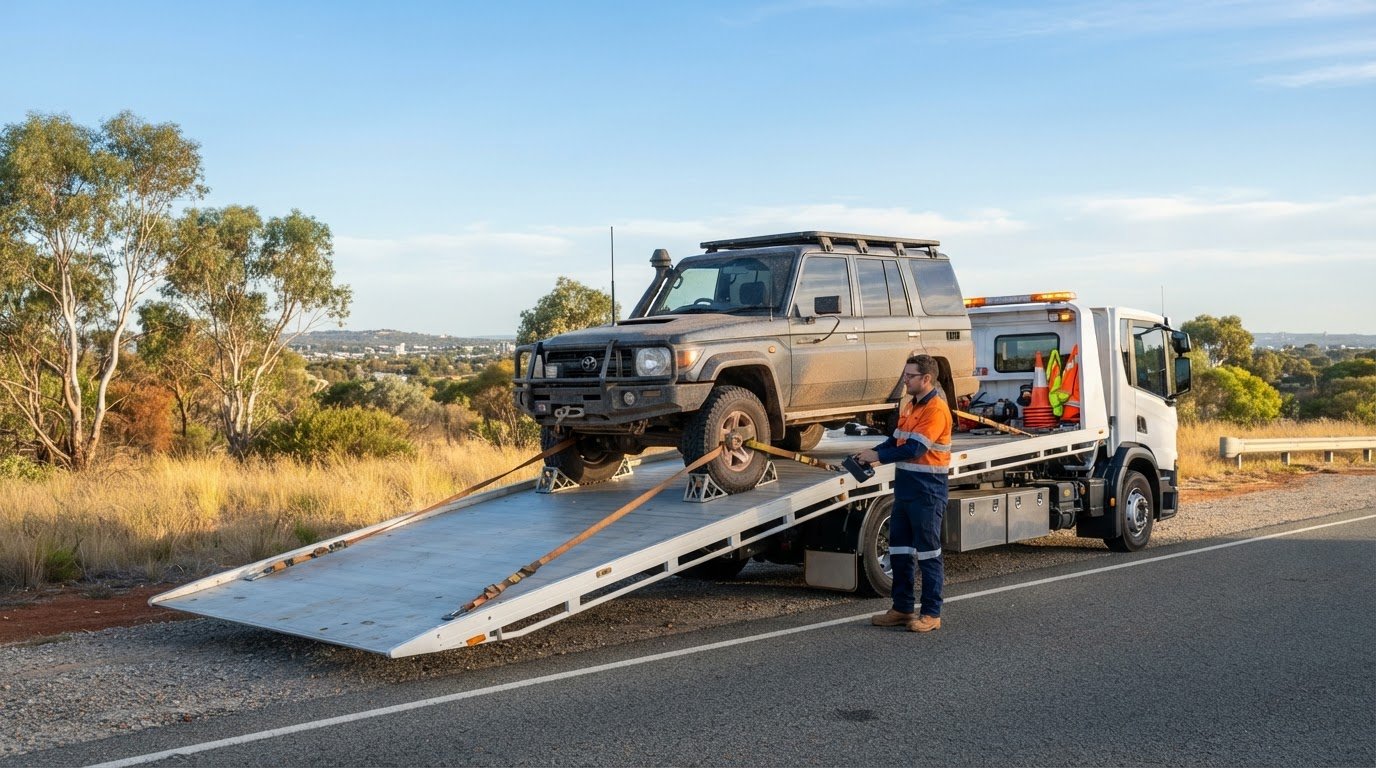
A 4WD breakdown can leave you stranded somewhere unfamiliar, with the added worry that loading or towing could damage your vehicle. If you need 4WD towing Perth drivers can rely on, start by explaining where the vehicle is, what condition it’s in and where it needs to go. Those details help the towing team plan a safe, suitable way to move it.
It’s understandable to feel unsure about what happens next. Allout Towing is a family-owned local business with more than 30 years of towing industry experience, providing towing across Perth and Western Australia. This guide explains what to do while you wait for help, what information to share when arranging a tow, and how the vehicle and access conditions inform the towing plan.
You’ll also learn how tilt tray trucks can support 4WD transport, why careful loading and secure load restraint matter, and what to expect when arranging help from a roadside location. These practical steps can help you make informed decisions and feel more confident that your 4WD is being handled with care.
Key Takeaways
- For 4WD towing Perth, share your location, vehicle condition, destination and any access concerns so the towing plan can account for the job.
- Breakdown towing, accident recovery and planned transport can call for different equipment and loading considerations.
- Before help arrives, prioritise your safety, follow emergency-service directions and pass on clear details about where your 4WD is.
- Allout Towing provides 24-hour towing across Perth and Western Australia, including tilt tray transport for suitable vehicles and situations.
Need 4WD towing in Perth? Start with the situation and the safe next step
A breakdown or accident can leave you shaken, especially if your 4WD is stopped somewhere unfamiliar or unsafe. Focus on your safety first. Once you’re in a safe position, consider whether the vehicle can continue, needs roadside assistance or must be transported. 4WD towing Perth drivers arrange can cover breakdowns, accident recovery and planned vehicle transport. The right next step depends on what has happened and where the vehicle is.
4WD towing is vehicle transport using a suitable tow truck to move a four-wheel drive safely from one location to another. The job might involve taking a disabled vehicle to a chosen destination, moving a damaged 4WD after an incident or transporting a vehicle that isn’t being driven. A tilt tray truck may suit some transport jobs, but the vehicle’s condition and the conditions at the pickup point matter when planning the tow.
It’s useful to distinguish transport from attempts to free a vehicle that’s bogged or stuck on difficult terrain. A 4WD that won’t start on a suburban street presents a different job from one that’s off the road, in soft sand or on a muddy track. Don’t assume a tow truck can safely access or extract a vehicle from every location. Describe the ground, the vehicle’s position and any obstacles so the operator can understand the situation and plan the next step.
The term “recovery” can refer to several situations. The general Vehicle Recovery overview describes different reasons and methods for recovering vehicles, but the practical response depends on what has happened and where the 4WD is. Clear details help distinguish a transport request from a vehicle that’s stuck and may need a different assessment.
When does a 4WD need towing rather than roadside assistance?
Towing is usually the next step when your 4WD can’t safely continue its journey, such as after a collision or a breakdown that leaves it undriveable. roadside assistance is help provided to drivers at the roadside for minor breakdowns, such as jump-starts, tyre changes or fuel delivery. If a flat battery is the problem, see the related car jump start service guide. If the vehicle remains unsafe or unable to move, arrange towing instead.
What does 4WD recovery mean in a Perth service search?
“Recovery” may mean roadside towing, accident recovery or retrieving a vehicle that’s stuck. These aren’t automatically the same service or require the same equipment. When arranging help, give the clearest location you can, describe the 4WD and explain whether it’s on a road, shoulder or difficult-access surface. Mention damage, blocked access and nearby hazards. This gives the team useful context when planning transport or recovery.
How 4WD towing works: vehicle details, access and tilt tray transport
Once you know the vehicle needs to be moved, the towing plan starts with details about the 4WD and conditions at each end of the trip. Vehicle transport is the movement of a vehicle from one location to another, often using specialized equipment to protect the vehicle. The aim is to match the vehicle, its condition and the job to suitable equipment and a practical loading approach, rather than assume one setup suits every 4WD.
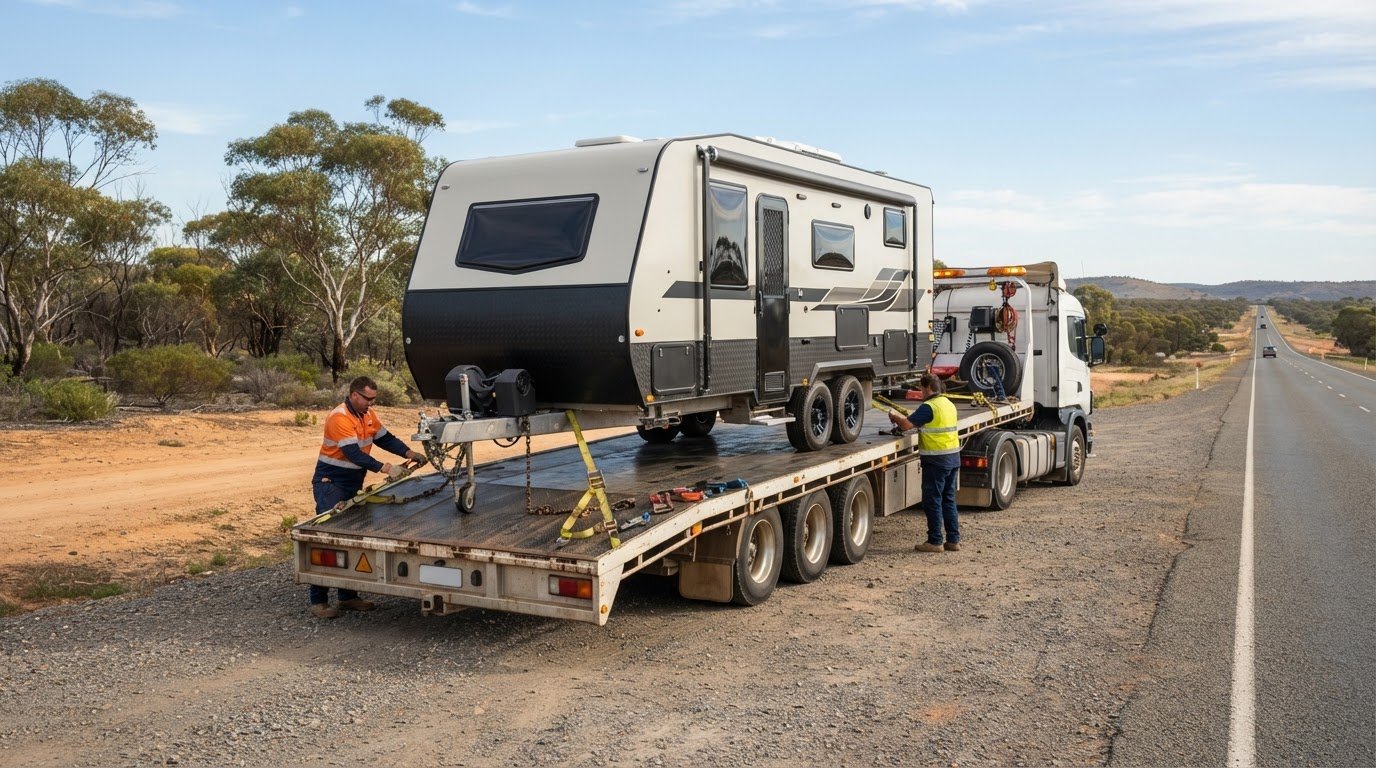
For a Perth tow, sharing the street name may not be enough. A vehicle parked in an open driveway presents different access considerations from one in a narrow car park, on a busy roadside or behind a gate. A vehicle that rolls and steers also differs from one that has sustained damage or cannot move under its own power. These details help the operator plan how to reach and load the vehicle.
What information helps plan a 4WD tow?
Give the operator the make and model, the vehicle’s condition and its exact pickup location. Explain where you want it taken, any access restrictions and whether it’s carrying a load such as camping gear or tools. Mention issues such as a low-clearance entrance, tight turning space or limited room beside the vehicle. Clear information helps the team assess the job and consider suitable equipment.
Be specific about what the vehicle can and can’t do. For example, say whether it starts, rolls or steers, and describe any visible damage, rather than calling it only “broken down”. If you’re unsure, say so. Don’t put yourself at risk to inspect the 4WD or move belongings. Pass on what you can observe from a safe place.
When can a tilt tray be relevant for 4WD transport?
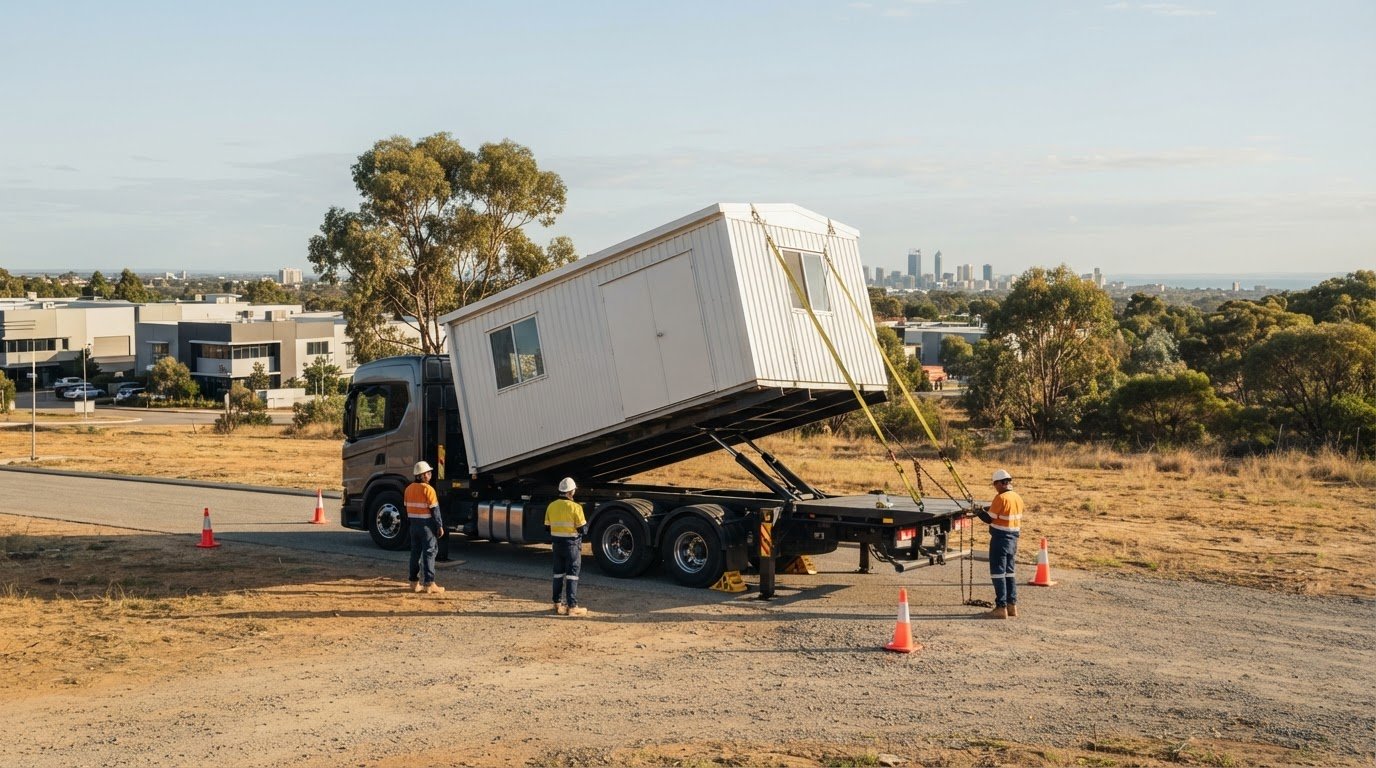
A tilt tray is a truck platform that angles down to load a vehicle, then returns to a level position for transport. It can be considered for disabled 4WDs and planned vehicle moves. It isn’t automatically the right choice for every job. The vehicle’s condition, access around it and transport requirements all inform the decision.
Allout Towing has tilt slide trucks with different tray lengths and stated capacities. These fleet details don’t mean a particular truck will suit every vehicle or location. The team considers the job requirements when planning. A 4WD stuck off-road may need an assessment distinct from ordinary loading and transport. Don’t assume a tilt tray alone can retrieve it from difficult terrain.
Before arranging a tow, gather the vehicle, location, destination and access details. This helps clarify whether you need transport for a disabled vehicle or assistance with a more difficult recovery situation. If you’re organising a move or need help with a 4WD that can’t continue, contact Allout Towing about 4WD transport and share those details so the team can plan the job appropriately.
Choosing 4WD towing in Perth: match the job, vehicle and access
A 4WD’s size alone doesn’t tell you which towing setup will suit. The operator needs to consider the vehicle’s condition, where it’s positioned, how a truck can reach it and what the job involves before selecting equipment. Transporting a vehicle that can be loaded at the roadside differs from assessing one that’s stuck beyond easy access.
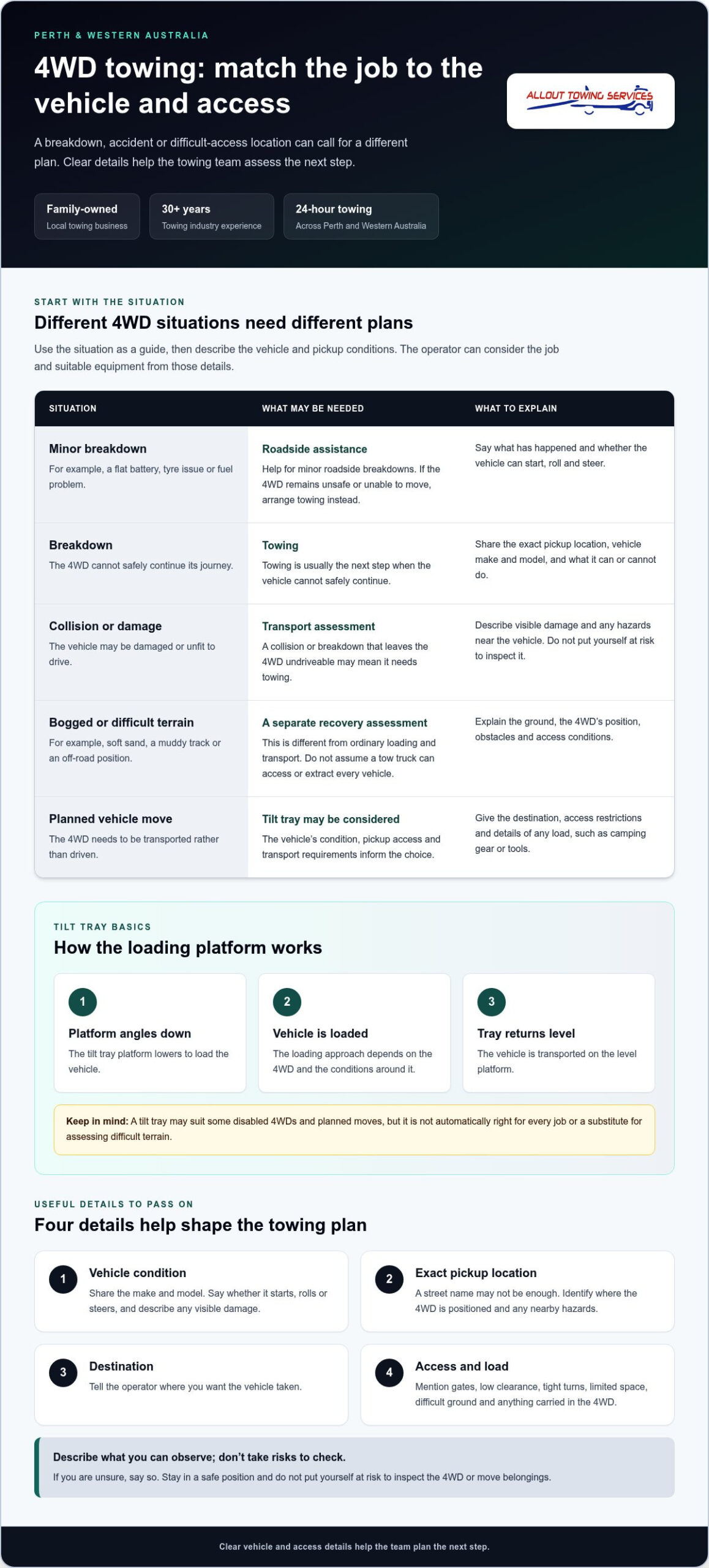
When arranging 4WD towing Perth drivers need, use these scenarios to explain the job:
- Breakdown: Explain why the 4WD can’t continue, where it’s stopped and whether it can roll or steer. Describe the roadside access so the operator can plan how to reach and load it.
- Accident recovery: Describe visible damage, the vehicle’s position and any access or traffic concerns. Its condition can affect how the team plans loading.
- Planned transport: Give the pickup and destination details, access restrictions at each end, and whether the vehicle is carrying a load. These details help shape the transport plan.
- Difficult-access recovery: Describe the surface, the 4WD’s position and any obstacles or limited access. This helps the operator understand the situation before assessing the next step.
Breakdown or accident: what changes the towing plan?
A vehicle stopped somewhere a truck can readily reach may present a different job from one behind a barrier, in a restricted area or on difficult ground. After an accident, report visible damage and whether the 4WD appears able to roll or steer. Don’t put yourself at risk to inspect or move it. Follow emergency-service directions and tell the operator about hazards at the scene.
Keep your description factual. You don’t need to diagnose the fault or suggest a repair. Explain what happened, what you can observe and where the vehicle is. That gives the towing team useful context without asking you to assess a vehicle you may not know well.
Transport from Perth or elsewhere in Western Australia
A local Perth move and a country towing request need different pickup and destination details. For a city job, provide the street address and describe access at both ends. For transport elsewhere in Western Australia, state the town or location at each end and mention any known access issues. Allout Towing provides country towing as well as towing in Perth.
If you need round-the-clock assistance rather than planned transport, the 24 Hour Towing Perth guide covers that service. In every case, clear information helps the operator assess the job and consider equipment suited to the vehicle and access conditions.
Stranded with a 4WD? Take these steps before the tow truck arrives
A breakdown or incident can make it hard to think clearly. Focus on people’s safety first, then share the details the towing team needs to plan the job. Don’t put yourself in danger to inspect the vehicle, take photos or move it. If emergency services are at the scene, follow their directions.
- Check for immediate danger. If it’s safe to do so, move yourself and any passengers away from traffic and other hazards. Don’t stand behind or beside the 4WD where passing vehicles could put you at risk.
- Follow emergency-service directions. If police or other emergency responders are managing the scene, do what they ask and wait for their instructions before arranging vehicle movement.
- Note your location. Share the road name, suburb or nearest landmark, plus which direction you’re travelling. If you’re away from a recognisable address, describe the access track or entrance as clearly as you can.
- Explain the vehicle’s condition. Tell the operator whether the 4WD is damaged, can roll or steer, or is carrying a load. Mention anything you can see that may affect safe access or loading.
- Stay available by phone. Keep your phone nearby in case the operator needs to clarify the location, destination or access conditions. Avoid leaving the scene unless it’s unsafe to stay.
What should you do while waiting for 4WD towing?
Stay in a safe place and keep the vehicle’s position and visible hazards clear in your mind. Don’t attempt to pull a 4WD free with another vehicle or improvise a recovery. Without suitable training and equipment, a pull can put people at risk and damage vehicles. If the vehicle is off-road or difficult to reach, explain that clearly rather than trying to bring it closer yourself.
Let the towing team assess the job and plan the appropriate next step. A roadside tow and a vehicle stuck on difficult ground aren’t necessarily the same task. Be ready to describe what you can see, but don’t climb under the vehicle or approach unstable ground to gather more information.
What details should you share when arranging help?
Give the pickup location and destination, the 4WD’s make and model, and a plain description of its current condition. Mention accident damage, restricted access such as a narrow entrance, and whether the vehicle is carrying camping gear, tools or other cargo. These details help the operator consider the vehicle and conditions when planning suitable equipment.
Arrival time depends on factors such as your location and conditions at the time, so don’t assume an exact timeframe. If you need 4WD towing Perth drivers can arrange for a breakdown or incident, contact Allout Towing to organise a tow and give the operator these details.
Arrange 4WD towing in Perth with Allout Towing
If your 4WD needs moving, clear information helps the team understand what the job involves. Allout Towing is a family-owned local business providing towing across Perth and Western Australia. The team provides licensed and insured towing, and considers the vehicle’s condition, pickup location and access when planning suitable transport.
What Allout Towing brings to a 4WD transport job
Every tow has its own practical details. A vehicle at an open roadside, for example, may be easier to access than one behind a narrow gate or in a tight parking area. Tell the team what you know about the vehicle, its position and any visible hazards. This helps them understand the job and plan an appropriate way to transport it. If you’re uncertain about a detail, describe what you can see rather than guessing.
How to arrange 4WD towing in Perth
When you call, share the pickup location, destination, vehicle make and model, and its current condition. Mention accident damage, access restrictions and whether the 4WD is carrying a load. If you’re calling from an unfamiliar spot, nearby road names or landmarks can help explain where the vehicle is.
For 4WD towing Perth drivers can arrange with a local team, call Allout Towing on 0418 959 216. You can also use the contact option on the Allout Towing homepage to enquire about towing or vehicle transport. A clear account of the situation helps the team plan the next step for your vehicle.
Take the next step with confidence
You don’t need to work out the technical towing setup before asking for help. Your next step is to explain what’s happening and where the vehicle is. If you’re arranging 4WD towing Perth drivers can feel more confident when the operator understands the vehicle’s position, condition and destination from the start.
It’s fine to say when you’re unsure about a detail. Stick to what you can see and describe any access concerns plainly. That gives the towing team a practical starting point without asking you to diagnose a fault or attempt a risky recovery. If the situation feels urgent, keep yourself and any passengers in a safe place while you organise transport.
When you’re ready to arrange a tow, phone 0418 959 216 to discuss your 4WD towing needs. A calm, clear conversation can make the next step feel manageable. Focus on staying safe while the team arranges the transport plan.
Frequently Asked Questions
Is a tilt tray suitable for every 4WD tow?
No. A tilt tray may suit a disabled 4WD or one that’s difficult to load, but the right setup depends on more than the vehicle type. An accessible vehicle that can roll presents different loading needs from one with accident damage or limited access around it. Share the vehicle’s condition, location and any obstacles so the operator can assess the job before selecting equipment.
Can I arrange 4WD towing after a breakdown or accident?
Yes. Allout Towing provides towing after a breakdown or accident across Perth and Western Australia. Explain what happened, where the vehicle is and whether it can be reached safely. If emergency services are managing an incident, follow their directions and tell the operator about any restrictions at the scene. Clear information helps the team understand the circumstances and plan the transport.
How much does 4WD towing in Perth cost?
There isn’t one price that applies to every 4WD towing job in Perth. The cost depends on details such as the pickup and destination, the vehicle’s condition and access requirements. To discuss your job, call Allout Towing on 0418 959 216 and describe it as clearly as you can. If you’re unsure about an access detail, explain what you know rather than guessing.
Can Allout Towing transport a 4WD across Western Australia?
Yes. Allout Towing provides towing across Perth and Western Australia, including country towing. For a regional trip, give the pickup and destination locations so the team can understand the distance and transport requirements. Also mention the 4WD’s condition and any access issues at either end. A vehicle ready for collection at an open property entrance may present different practical needs from one behind a restricted gate.
Does a 4WD need special preparation before towing?
There’s no single preparation routine for every breakdown or accident. First, make sure you and your passengers are safe, then follow any directions from emergency services. Tell the operator about visible damage, the vehicle’s position and nearby hazards. Don’t try to move a disabled 4WD or recover it yourself if that could put anyone at risk. If you can’t safely check something, say so.
What details should I have ready when calling for a 4WD tow?
If possible, have the pickup location, destination, vehicle make and model, and a description of its condition ready. Mention whether it’s involved in an accident, carrying a load or difficult to access. If you’re on an unfamiliar road, nearby intersections, road signs or landmarks may help explain your location. You don’t need to know the technical cause of the problem. Describe what you can observe.