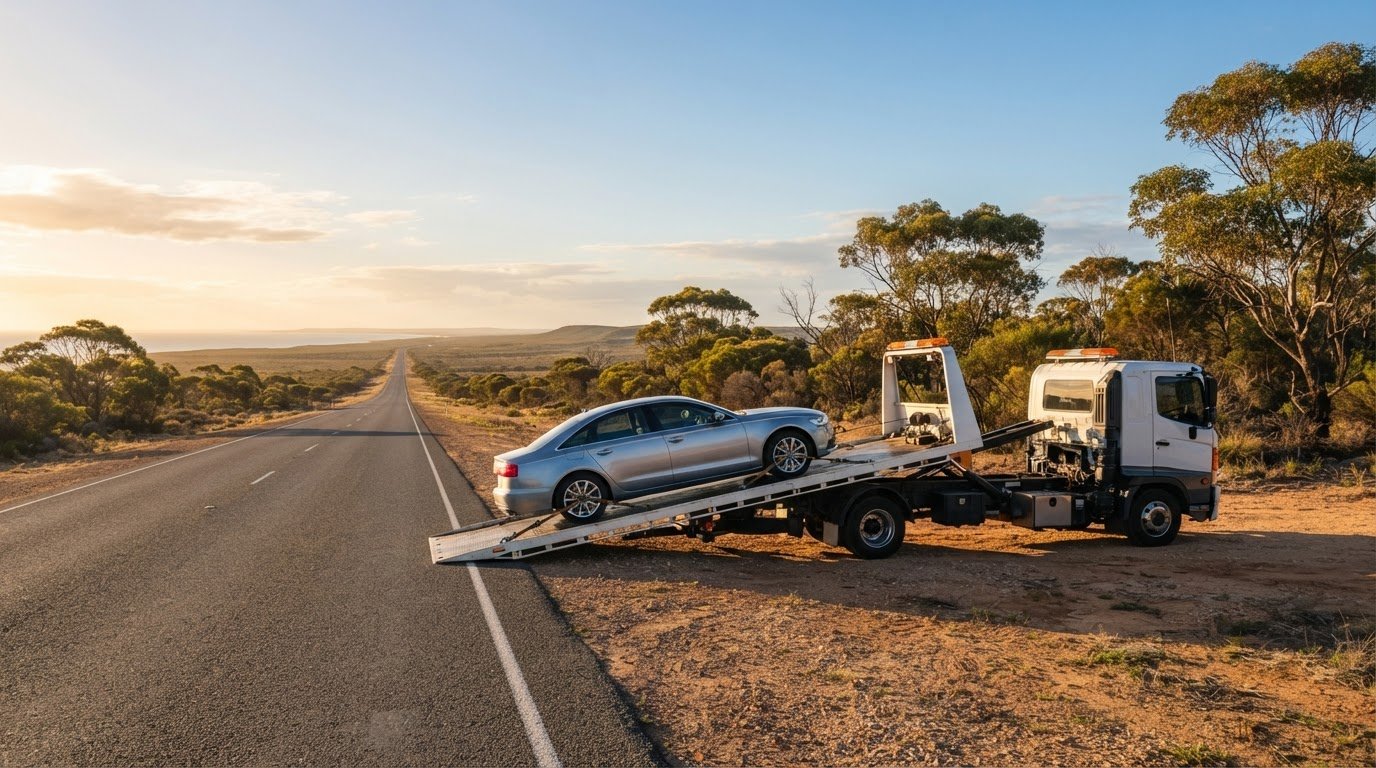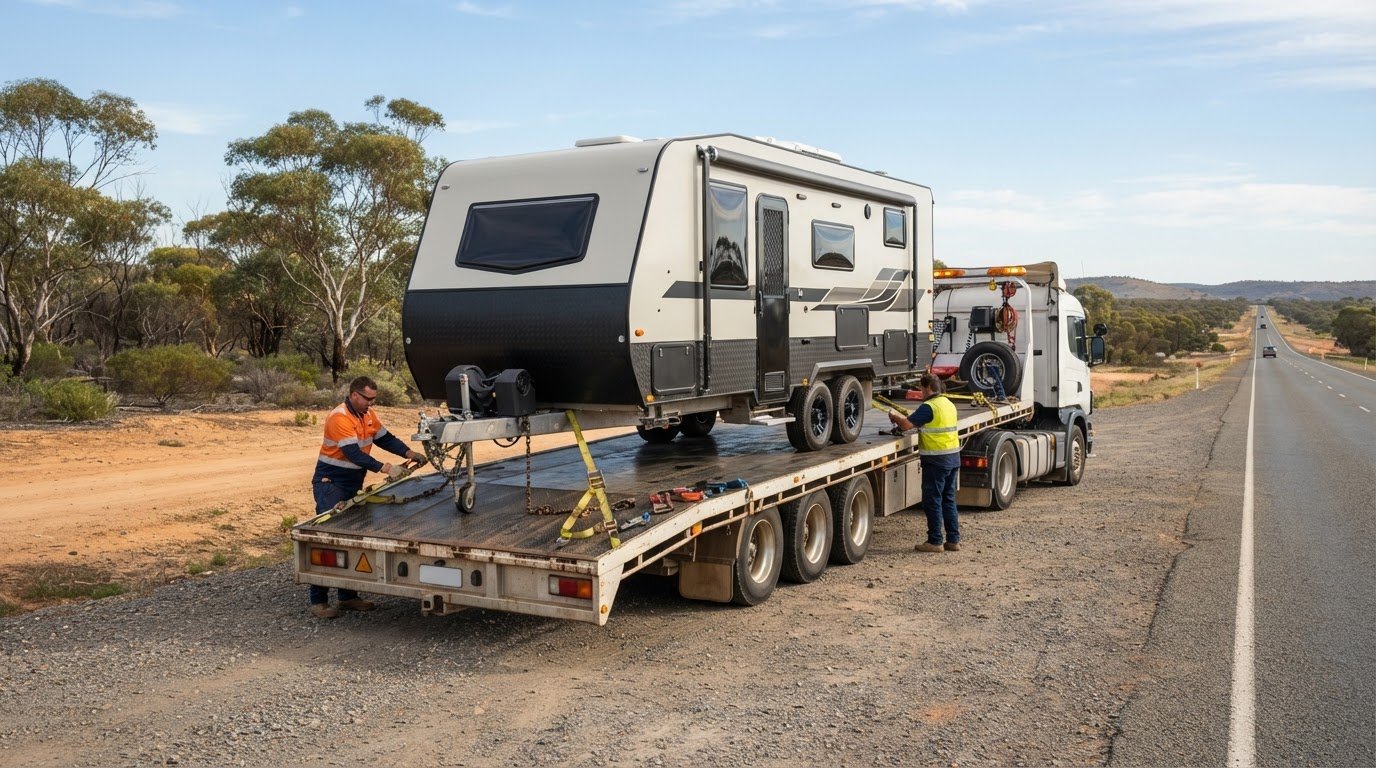
The biggest truck isn’t automatically the right choice for a fifth wheeler move. Safe fifth wheeler transport WA depends on matching the vehicle’s dimensions and weight with suitable equipment, a workable route and safe access at both ends. That matters across Western Australia, where a move may involve long distances, regional roads or a challenging pickup location.
It’s understandable to worry about damage during loading or transit, or to feel unsure about what information to provide. Accurate vehicle and destination details help the operator plan the move and select an appropriate transport approach. Allout Towing is a family-owned WA business with more than 30 years of towing industry experience. Its services include caravan and recreational vehicle towing, tilt tray transport and heavy transport, with licensing and insurance coverage.
This guide explains what details to prepare, how size, weight and condition affect equipment selection, and why route and site access matter. You’ll also find practical steps for preparing the fifth wheeler and sharing loading information, so you can organise a well-planned move with greater confidence.
Key Takeaways
- Begin your fifth wheeler transport WA plan by gathering accurate vehicle and move details.
- Understand how the fifth wheeler’s size, loaded weight, condition and access needs influence equipment selection.
- Plan for a Perth or regional move by describing destination access, route constraints and loading requirements.
- Prepare delivery instructions and vehicle condition details to help the operator plan handling and load restraint.
- Allout Towing’s recreational vehicle, caravan, tilt tray and heavy transport services can support a carefully planned move in WA.
Planning fifth wheeler transport in WA: start with the move
Arranging a fifth wheeler move can feel like a lot to manage, especially if you’re unsure what information the transport operator needs. Start with the vehicle, the route and access at each end. These details help identify loading constraints early and make the planning conversation more useful.
Gather the fifth wheeler’s overall dimensions, loaded weight and condition. Then describe the trip: is it a local move around Perth, a regional journey or transport to a remote property? Provide the collection and delivery locations, along with any restrictions that could affect a truck’s access or positioning. The transport plan needs to account for both the load and the places the truck must reach.
What details should you gather before arranging a move?
Use reliable vehicle documents for measurements and weight. If you’re unsure whether a figure reflects the fifth wheeler as it will be transported, say so rather than guessing. Note where the information comes from and flag anything that may have changed, such as added equipment or cargo. Clear details help the operator assess the move and consider suitable equipment.
- Dimensions: Record the overall length, width and height, including fixed fittings that affect the vehicle’s outer measurements.
- Loaded weight: Provide the documented weight that best reflects the fifth wheeler in its transport condition. Say whether it will carry belongings or other items.
- Condition: Explain whether it’s roadworthy, mobile and ready for loading. Mention visible damage or any issue that could affect movement or handling.
- Access: Describe the approach and available space at both ends. Include narrow gates, steep slopes, tight turns and overhead restrictions such as branches or structures.
- Journey: Identify the collection and delivery points. Explain whether either site is in a built-up area, a regional town or a remote location.
Photos can make access details easier to explain, especially if there’s a tight entrance or limited room to manoeuvre. Take a clear view of the entrance and the area where the fifth wheeler is parked. Keep people and traffic safely out of the way while taking photos.
How does a fifth wheeler differ from a standard caravan?
A standard caravan commonly connects to a tow vehicle at a rear tow hitch. A fifth wheeler instead couples through a specialised fitting mounted in the tow vehicle’s tray. This fifth wheel coupling changes how the two vehicles connect when the fifth wheeler is towed on the road.
That difference doesn’t mean a standard caravan towing setup automatically suits fifth-wheeler transport. The coupling type is useful context, but it doesn’t replace the fifth wheeler’s actual measurements, loaded weight, condition or access details. Share those specifics so the transport approach is based on the vehicle and the move, not an assumption about its general type.
Before arranging fifth wheeler transport WA, gather the vehicle information and describe access at both ends. That gives the planning conversation a practical starting point and helps identify constraints early.
How fifth wheeler transport equipment is matched to the load
Choosing equipment for a fifth wheeler isn’t a matter of picking the truck with the biggest tray. The operator needs to consider the vehicle’s length, width, height and loaded weight, along with its condition and the space available for loading at collection and delivery. A fifth wheeler that can move under its own wheels may have different loading needs from one that cannot, so describe its condition clearly.
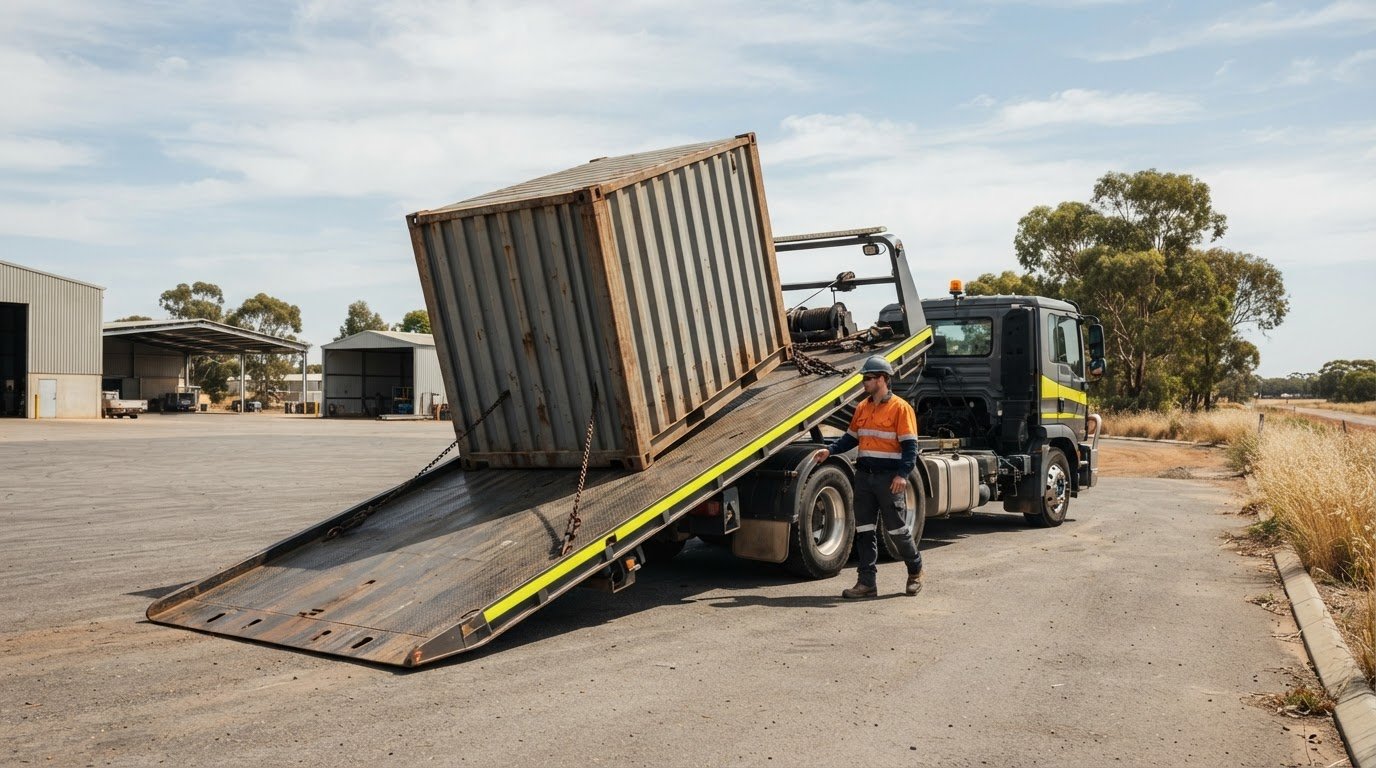
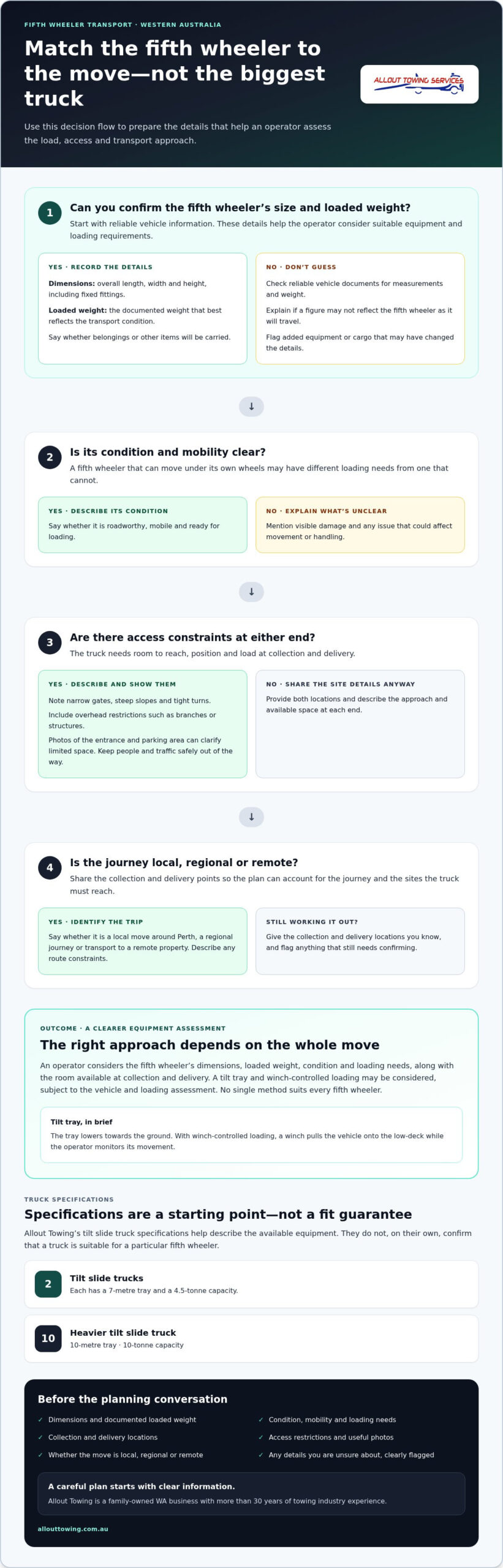
A tilt tray is a truck tray that lowers towards the ground to help load a vehicle in a controlled way. With winch-controlled loading, a winch pulls the vehicle onto the low-deck while the operator monitors its movement. Whether this approach suits a particular fifth wheeler depends on its measurements, weight, condition and loading requirements. Allout Towing provides tilt tray transport as part of its vehicle and heavy transport services.
| Planning factor | Tilt tray loading | Other transport approach |
|---|---|---|
| Loading approach | A lowering tray and winch-controlled loading may be considered, subject to the fifth wheeler and loading assessment. | The approach is determined from the actual vehicle and move requirements, rather than assumed from a standard caravan setup. |
| Access needs | Consider the space needed for the truck to position and operate at the collection and delivery sites. | Describe the site layout and constraints so the loading and transport plan can account for them. |
| Information required | Provide dimensions, loaded weight, condition and any details that may affect loading. | Share the same vehicle and access information to support assessment of a suitable approach. |
This table is a planning guide, not a promise that one method suits every vehicle. A tight entrance, slope, restricted overhead clearance or limited room to position a truck may affect loading. Describe these conditions before the move is arranged, and include photos where they show a constraint more clearly than words.
What do tray length and capacity tell you?
Allout Towing has two tilt slide trucks with 7-metre trays and a 4.5-tonne capacity each, plus a heavier tilt slide truck with a 10-metre tray and a 10-tonne capacity. These are truck specifications, not proof that a particular fifth wheeler will fit or be suitable to load. The vehicle’s full dimensions, loaded weight, condition and loading needs still matter.
Safe equipment matching depends on the load’s dimensions, weight and access conditions. Tray length and rated capacity are useful starting points, but they don’t establish suitability on their own. If a move raises questions about road access or heavy-vehicle requirements, consult Main Roads Western Australia Heavy Vehicle Services for current guidance.
For a considered fifth wheeler transport WA plan, provide the vehicle and site details together. You can also discuss tilt tray transport with Allout Towing as part of planning the move.
Choosing a fifth wheeler transport plan for WA roads
A clear plan helps take the pressure out of organising a fifth wheeler move. Work through the key details in order, from the vehicle and destination to access, timing and loading needs. This gives the transport operator a useful picture of the job without relying on assumptions about the fifth wheeler or the route.
- Identify the vehicle. Gather its overall dimensions, loaded weight and condition. Note anything that could affect how it’s loaded or secured.
- Set out the destination. Provide the collection and delivery locations, including whether either is in Perth, a regional centre or a remote area.
- Describe access. Explain the approach to each site and mention narrow entrances, slopes, tight turns, overhead restrictions or limited room to position transport equipment.
- Discuss timing. Share your preferred timing and any practical constraints at the pickup or delivery point, such as restricted access periods.
- Flag loading needs. Say whether the fifth wheeler can move under its own wheels and describe anything that may affect loading or restraint.
For a regional or remote WA move, place names alone may not reveal what the truck will encounter. Describe the final access road and the space available at each end. Road width, overhead clearance and turning room can all affect transport planning. Don’t assume a route suitable for an ordinary vehicle will also suit the transport vehicle and load.
Road access and permit requirements depend on the vehicle, load and journey. Before making decisions about a road restriction or permit requirement, check current guidance from Main Roads Western Australia. Don’t treat a general rule of thumb as confirmation that a specific route or load is suitable.
What should you consider on a regional WA move?
Be specific about where the fifth wheeler will be collected and delivered, particularly if either site is remote or has an unsealed or restricted approach. Share known clearance and turning constraints, along with any site instructions. These details help the operator assess the whole move, rather than planning only for the distance between two place names.
How can you compare transport approaches fairly?
Compare proposed approaches using the same information: loading method, truck and tray dimensions, rated capacity, and the access needed at both ends. A stated tray length or capacity describes the truck; it doesn’t prove the individual fifth wheeler is a suitable match. Keep confirmed measurements separate from estimates, and identify unknowns before finalising the plan.
If the load’s size or transport needs call for larger-load planning, Super Tilt Heavy Transport WA provides relevant context. For broader recreational vehicle transport considerations, see Recreational Vehicle Towing Perth. A sound fifth wheeler transport WA plan brings the vehicle details, access conditions and current road guidance together before the move.
Preparing your fifth wheeler for transport in Western Australia
A few practical checks before collection can make the move easier to manage and give the operator useful information for safe handling. If you’re feeling unsure, focus on accurate details rather than trying to solve the loading plan yourself. Share what you know, flag anything uncertain and follow the transport operator’s instructions.
What should owners do before collection?
Before collection, record the fifth wheeler’s measurements and loaded weight, note its condition and describe anything that may affect movement or loading. Take clear photos of visible condition, including existing damage, and keep them with your move details. Make the approach and working area accessible for the planned equipment where practical. Tell the operator about any site constraint that could affect positioning.
- Measurements and weight: Have the overall dimensions and reliable loaded-weight information ready. Point out fittings or items that affect the vehicle’s size or load.
- Condition and mobility: Note visible damage and explain whether the fifth wheeler can move under its own wheels. Mention any known loading or movement issue.
- Collection access: Clear the approach and the area around the vehicle where practical. Report gates, slopes, tight turns, overhead restrictions or limited room for equipment.
- Delivery instructions: Give clear directions for the destination and identify access details or site instructions that could affect unloading.
- Contents: Remove loose items where possible, and secure anything that will remain inside. Follow the operator’s instructions about preparing the vehicle and its contents.
How can owners reduce loading and transit risks?
Accurate information helps the operator plan an appropriate loading method and consider how the fifth wheeler should be handled. Don’t assume a vehicle is ready to load simply because it looks intact or can move. Explain any known issues before collection, then follow the operator’s directions. Clear communication helps avoid last-minute surprises and supports careful handling, but it can’t guarantee a damage-free outcome.
Load restraint means securing a vehicle or cargo with chains, straps or nets to prevent movement during transport. The operator manages the transport load, while you can help by sharing details that may affect how the fifth wheeler can be secured. Don’t attach or adjust restraints yourself unless the operator directs you to do so.
For fifth wheeler transport WA, keep your measurements, condition notes, photos and access instructions together so they’re easy to share. If you’re ready to plan the move, contact Allout Towing to discuss fifth wheeler transport and the information needed for collection.
Arrange fifth wheeler transport with Allout Towing in WA
Planning a fifth wheeler move is easier when the transport conversation starts with the vehicle and the journey, not an assumption about which truck will suit. Allout Towing provides caravan and recreational vehicle towing, alongside tilt tray transport and heavy transport. The plan takes the fifth wheeler’s measurements, loaded weight, condition and destination into account, including details that may affect collection or delivery.
What can you expect when arranging transport?
Have the collection and delivery locations ready, along with the fifth wheeler’s dimensions and loaded weight. Describe its condition and whether it can move under its own wheels. Share access instructions that may affect positioning or loading, such as a restricted entrance or limited turning space. These details help the operator understand the job and discuss a suitable transport plan for the vehicle and route.
If you’re missing information, explain what you know and what remains uncertain rather than guessing. You can provide photos of the vehicle or access points to show relevant details. Keep delivery directions clear, especially if the destination has a particular entrance or handover point.
What is the next step for a WA fifth wheeler move?
Before getting in touch, gather the details that will help explain the move:
- Locations: Note where the fifth wheeler will be collected and delivered.
- Vehicle information: Have its dimensions, loaded weight and condition to hand.
- Access and loading: Flag any site constraints or issues that could affect loading.
- Timing: Share your preferred timing and any practical limits at either location.
This gives the transport discussion a clear starting point. You don’t need to decide which equipment is right. Focus on describing the fifth wheeler and the move accurately so the requirements can be considered together.
To discuss fifth wheeler transport WA, call Allout Towing on 0418 959 216 or make an online enquiry. If the move relates to an urgent breakdown, mention that when you get in touch.
Take the next step with confidence
Arranging a move can feel stressful, but you don’t need to have every detail figured out before starting the conversation. Be ready to explain what you’re moving and where it needs to go. If something is uncertain, say so rather than guess.
For fifth wheeler transport WA, discuss your move directly with Allout Towing. Start with the information you have and work through any remaining details as part of planning the transport.
Call Allout Towing on 0418 959 216 to discuss your fifth wheeler move. Share the vehicle details and destination to get the conversation started.
Frequently Asked Questions
Can a fifth wheeler be transported if it is not roadworthy?
A non-roadworthy fifth wheeler may still be transported, but the plan depends on its condition and loading needs. Tell the operator whether it rolls, steers and brakes, and describe any issue such as a locked wheel or damaged coupling. This helps them understand the situation and plan appropriate handling. Don’t try to move it yourself if doing so feels unsafe.
Do I need to be present when my fifth wheeler is collected?
Attendance depends on access, handover instructions and the agreed transport plan. Arrange a clear contact person who can answer questions about collection, and make sure they understand the arrangements. Share delivery details in advance, including where the fifth wheeler should be taken and directions for reaching the site. This avoids relying on assumptions on collection day.
Should I empty my fifth wheeler before transport?
Don’t assume every fifth wheeler must be completely empty. Secure loose belongings and follow the operator’s instructions about what can stay inside. Mention heavy or fragile contents, such as packed toolboxes or glassware, when arranging the move. Added weight and items that may shift can affect planning, so describe contents separately from the external loading and restraint process.
Can a fifth wheeler be moved to a regional WA destination?
Yes, a regional move can be planned around the collection and delivery locations, vehicle dimensions, access and route requirements. Give the operator the destination and describe any remote approach, narrow entrance or limited turning space. Don’t rely on assumptions about road access or permits. Check current Main Roads Western Australia guidance for requirements relevant to the proposed journey.
What information should I provide when requesting fifth wheeler transport?
For fifth wheeler transport WA, prepare the collection and delivery locations, overall dimensions, loaded weight, vehicle condition and access details. Include whether the fifth wheeler can move under its own wheels and any site instructions that may affect collection or delivery. Accurate information helps the operator assess the transport needs and equipment. Call Allout Towing on 0418 959 216 or make an online enquiry.
Can a fifth wheeler be transported with personal belongings inside?
Don’t assume all belongings can remain inside during transport. Tell the operator what’s stored in the fifth wheeler, especially heavy objects or fragile items, and follow their directions about what to remove or secure. Loose kitchenware, for example, may shift even if cupboards are closed. Sharing what the vehicle is carrying helps the operator account for its contents and weight when planning the move.