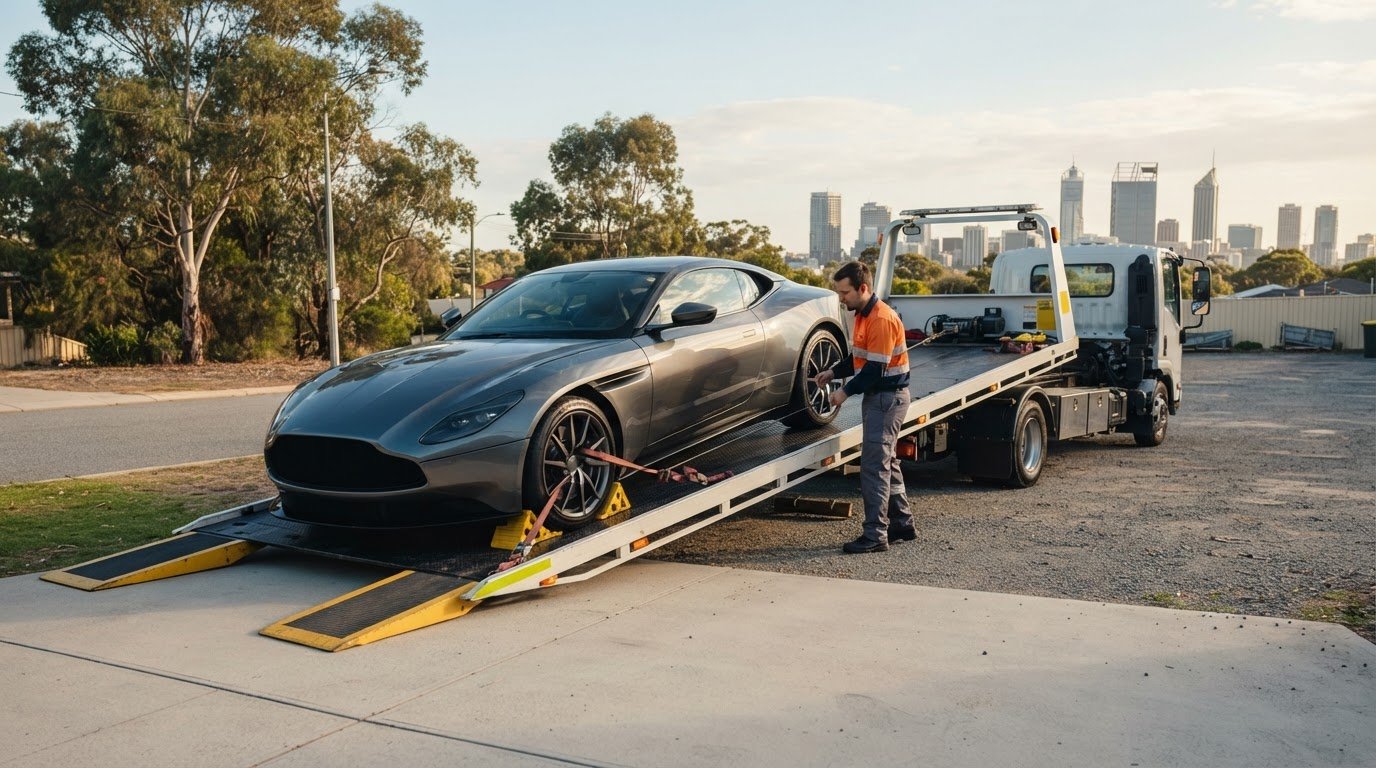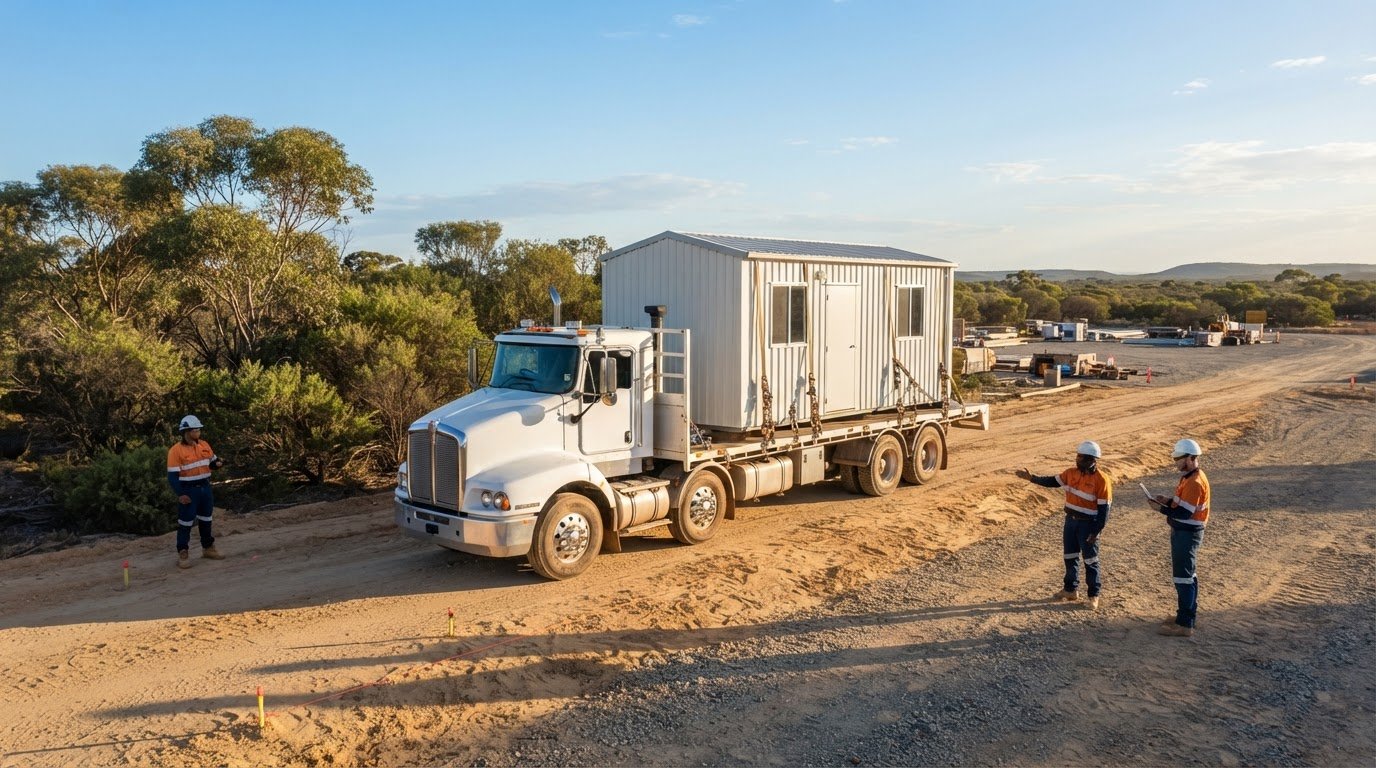
Could a donga’s dimensions matter more than what it’s called? A site office, demountable or portable building all need careful assessment before transport. If you’re unsure whether the unit’s weight and measurements suit the available truck, or you’re worried about tight access and delivery timing, you’re not alone. Good donga transport services start with accurate load details and a practical plan for both sites.
A safe move depends on matching the building, truck and site plan. This guide explains what to measure and share before booking, how access conditions can affect the move, and what to consider when assessing equipment, experience, licensing and insurance. You’ll also learn why accurate load information matters when planning the journey.
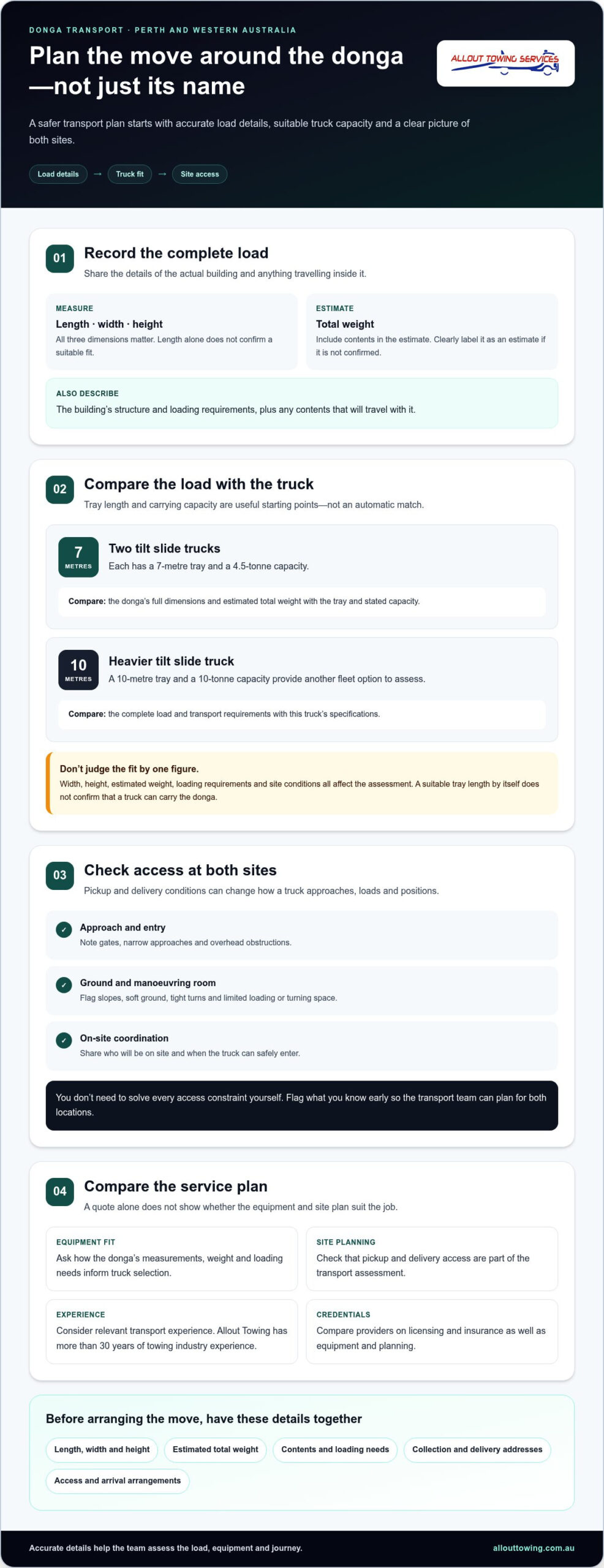
Allout Towing provides donga transport, tilt tray and heavy transport services across Perth and Western Australia. Our fleet includes two tilt slide trucks with seven-metre trays and 4.5-tonne capacities, as well as a heavier tilt slide truck with a ten-metre tray and 10-tonne capacity. With more than 30 years of towing industry experience, we can help you plan a donga move around the load and site conditions, with safety in focus.
Key Takeaways
- Record the donga’s length, width, height and estimated total weight so the transport plan accounts for the full load.
- Good donga transport services match the building to suitable truck capacity and tray dimensions, rather than relying on the building’s name alone.
- Compare providers on equipment fit, relevant experience, licensing, insurance and how they plan for pickup and delivery access.
- Prepare the collection and destination addresses, site access details and delivery coordination before arranging the move.
- A low quote alone doesn’t show whether the equipment and site plan suit your donga. Consider safety and job fit as well.
Donga Transport Services: What the Move Involves
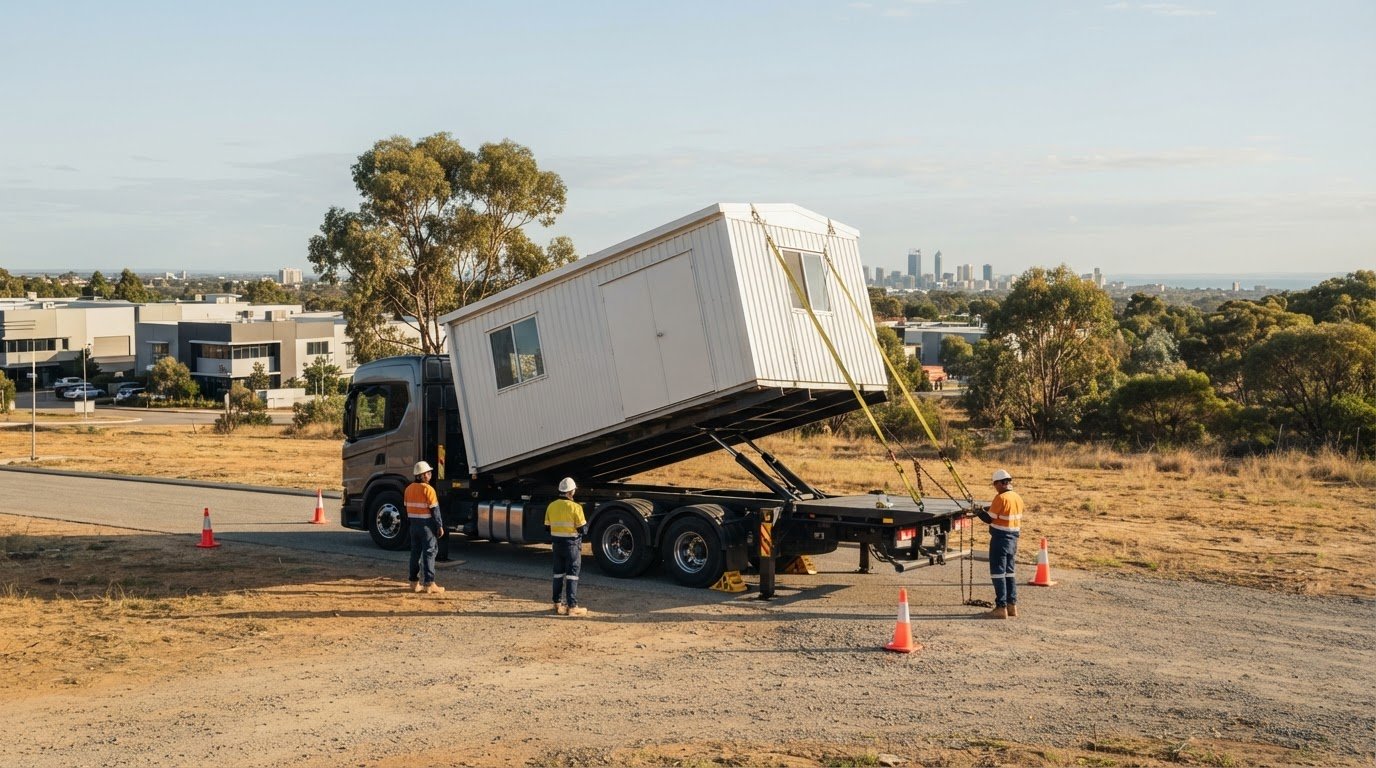
Donga transport moves a portable building from one location to another using suitable transport equipment and a plan for the load and both sites. In Australia, “donga” commonly describes a portable building used for temporary accommodation; the Donga (portable building in Australia) reference explains this local meaning.
A donga move isn’t quite like sending general freight. A portable building’s overall dimensions, structure and loading requirements affect how it can be carried. There’s no single transport plan for every donga. Its actual measurements and estimated total weight help determine suitable equipment, while access at pickup and delivery affects how the truck can approach and position for loading.
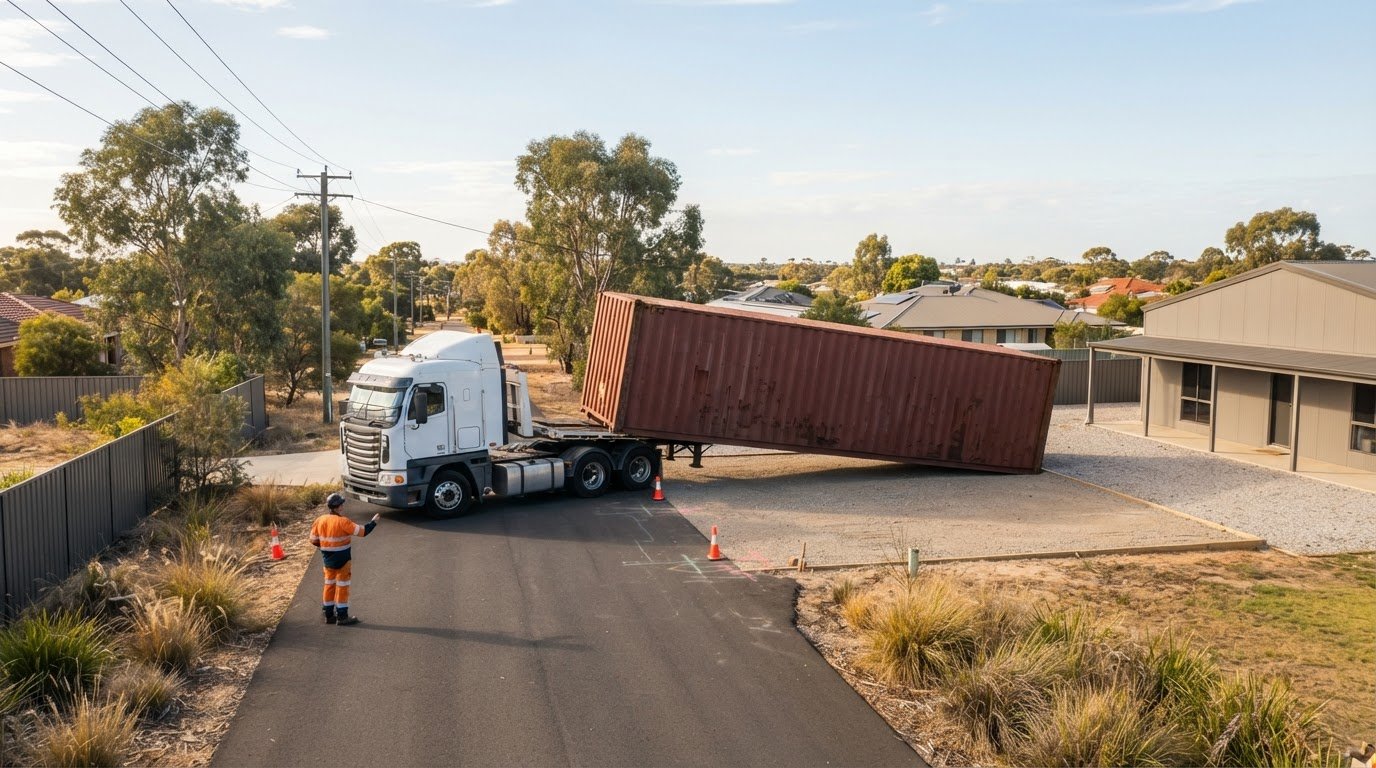
That’s why donga transport services start with a clear picture of the building and the journey, not just pickup and drop-off addresses. A unit at a work site might have open access, while a school entrance or rural property could have tight turns, uneven ground or limited room to manoeuvre. These are details to assess for each site, not conditions to assume a truck can navigate without planning.
What details make a donga move different?
Dimensions and weight are central to choosing suitable equipment. Length, width and height describe the space the building occupies; its estimated total weight helps determine whether the truck’s capacity is appropriate. If contents will travel inside, include them in the weight estimate rather than describing the empty unit alone. Clear details help the transport operator plan for the actual load instead of relying on a rough visual estimate.
Access matters at both ends. Note gates, narrow approaches, overhead obstructions, slopes, soft ground and the available turning or loading space. You don’t need to solve every site constraint yourself, but flagging what you know early helps prevent surprises on moving day. Include who will be on site and when the truck can safely enter.
Who commonly arranges donga transport in WA?
Site managers may arrange a move when temporary offices or amenities need to shift between work sites. Portable building owners and equipment-hire businesses may also need to reposition units for a new project or property. Every job still depends on the specific building and route, so share the details even if you’ve arranged a similar move before.
In Perth, a move between accessible sites may need a different plan from delivery to a regional Western Australian property. Distance alone doesn’t describe the job: road access, arrival arrangements and conditions at the destination also shape the plan. Sharing these details early helps the transport team prepare for a safe, suitable move.
Match the Donga’s Weight and Dimensions to the Tilt Tray
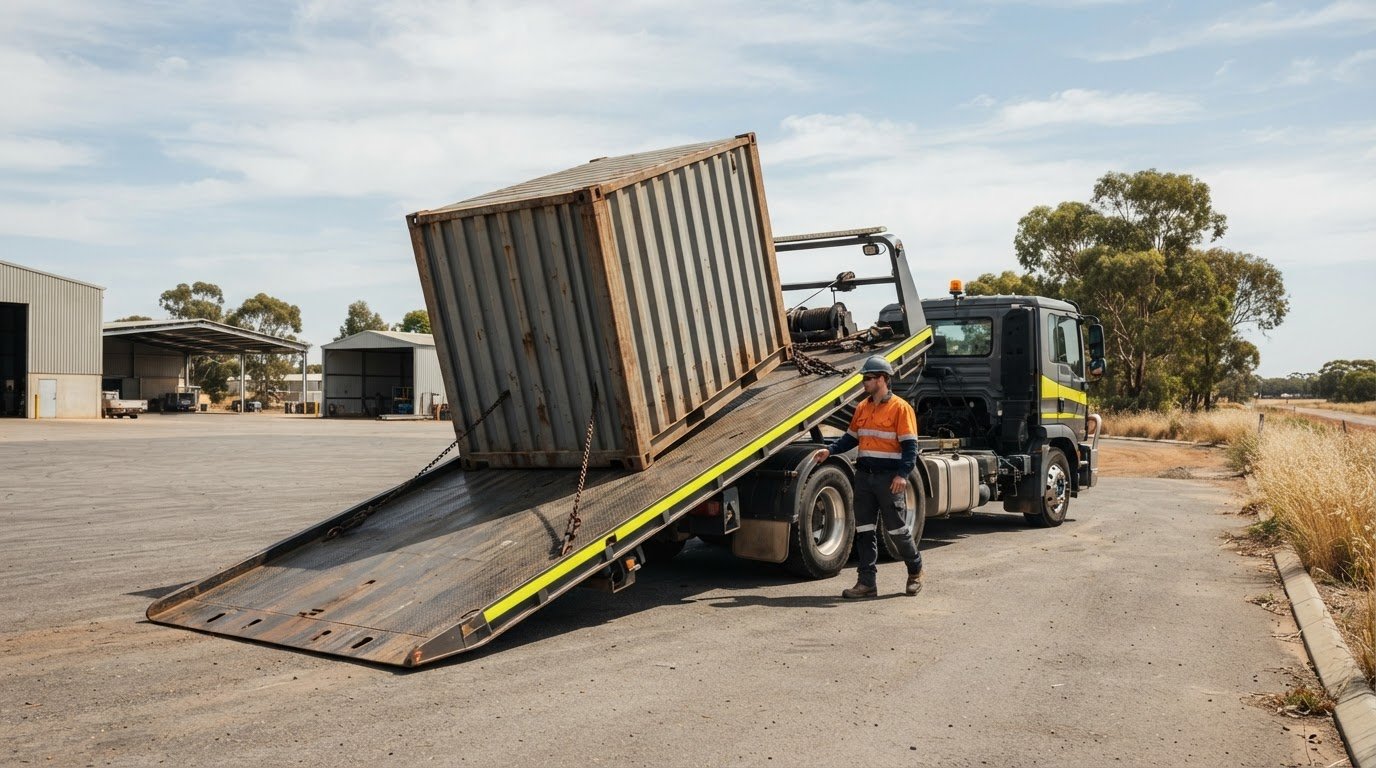
A truck’s tray and carrying capacity are only part of the fit assessment. Consider the donga’s full measurements, estimated weight, loading requirements and route together. A building that appears to fit by length alone may still present other transport challenges. Use the fleet specifications as a starting point for assessing the job, not as an automatic match for every donga.
Allout Towing’s fleet includes two tilt slide trucks and a heavier tilt slide truck. Compare the building and transport requirements with the relevant truck details:
| Fleet option | Details to compare with the donga | Why it matters |
|---|---|---|
| Two tilt slide trucks | Seven-metre trays and 4.5-tonne capacity each | Tray length and capacity help assess whether the load and loading plan may suit the truck. |
| Heavier tilt slide truck | Ten-metre tray and 10-tonne capacity | This provides another fleet option to assess for a different transport requirement. |
The specifications are a comparison guide, not a guarantee that a particular truck can carry a specific building. A donga’s width and height can affect the plan even when its length seems suitable. Its estimated total weight also needs to be considered against the truck’s stated capacity. Don’t decide that a truck is suitable based on one measurement or figure alone.
Which truck specifications matter for a donga?
Tray length tells you how long the truck’s loading platform is. Carrying capacity is the stated weight allowance for the load. Compare both with the donga’s measured dimensions and estimated total weight, then consider its width, height and how it can be loaded. If the weight is an estimate, label it clearly so it isn’t mistaken for a confirmed measurement.
When arranging donga transport services, share details of the complete building and move. Contents, loading requirements and site conditions can affect the assessment, so don’t rely on one suitable number to decide that a truck is right. Allout’s fleet specifications describe the vehicles available; the truck selection should account for the individual job.
When might super tilt or heavy transport be relevant?
Super tilt and heavy transport may suit a donga move when its measurements, weight or broader transport needs call for a different setup. The right equipment depends on the complete load and planned journey. Allout’s super tilt heavy transport in WA guide provides further context for larger transport requirements.
Before arranging the move, bring together the donga’s measurements, a weight estimate and the key loading details. This gives the transport team a clear basis for assessing equipment fit. If you’re preparing a donga move, discuss the transport requirements with Allout Towing.
Compare Donga Transport Services on Safety, Experience and Fit
A quote is only useful if the plan suits the load. A low price alone won’t show whether the truck can carry the donga, whether its dimensions suit the tray or whether the pickup and delivery sites have been considered. Compare donga transport services by looking at equipment fit, relevant experience, licensing and insurance together, rather than judging the job by one figure.
Use these points to assess the transport plan:
- Load fit: Compare the truck’s stated tray dimensions and weight capacity with the donga’s measured size and estimated weight.
- Site planning: Consider access at both collection and delivery, not just the distance between addresses.
- Relevant experience: Look for experience with planned transport of buildings and other substantial loads.
- Credentials and cover: Consider licensing, insurance coverage and attention to safe work practices.
How to assess a provider’s equipment and credentials
Compare the donga’s details with the truck specifications. Suitable capacity doesn’t prove that the tray dimensions or loading plan will work, so assess the complete load. Allout Towing provides tilt slide and heavy transport options, with licensing, insurance coverage and compliance with safety standards. These support the service, while the truck still needs to suit the individual job.
Licensing and insurance are practical safeguards for a planned move. Check that the transport plan explains how the equipment and safety approach relate to your donga, rather than relying on a price without details of how the job will be handled.
Why local experience matters for Perth and WA moves
Collection and delivery arrangements can differ between a Perth work site and a regional Western Australian property. Route planning, access details and coordination with the people at each site all contribute to a workable plan. Regional destinations can bring different requirements, so assess the actual locations rather than assuming arrangements from one move will apply to another.
As a family-owned local business, Allout Towing brings practical familiarity with transport planning in Perth and WA. For heavy-load planning considerations that also apply to site logistics, the machinery transport planning in Perth guide offers related information.
Before arranging a move, consider how clearly the plan addresses the load, site access and safety. That helps you assess the whole job, not just the quote.
Plan a Donga Move: Load Details, Access and Delivery
Good preparation reduces last-minute uncertainty and gives the transport team useful information to plan the truck and movement. Separate measured facts from estimates and flag anything you’re unsure about. Follow these steps to organise the key details for a donga move.
- Record the building details. Note the donga’s length, width and height, plus its estimated total weight. Include loading information, such as whether anything will remain inside during transport. Make clear which figures are measured and which are estimates.
- Write down both addresses. Provide the full collection address and destination, with useful directions for finding the entry point. Include the site contact and any specific arrival instructions.
- Describe access at each end. Note gates, narrow approaches, overhead obstructions, slopes, soft or uneven ground, and space to turn or position the truck. Mention known restrictions that could affect safe access or loading.
- Coordinate site readiness. Arrange who will meet the truck, make sure the relevant access is available, and agree on a suitable collection and delivery window with the people responsible for each site.
- Share updates promptly. If the building’s weight, contents, access or delivery arrangements change, pass on the new information before the move. A changed detail can affect the equipment or coordination plan.
Prepare the donga and destination details
Keep your measurements and site notes together so they’re easy to share. At collection, identify where the truck can safely approach and where loading can take place. At delivery, consider whether the unit can reach its intended position and whether the site will be ready. Don’t assume access conditions are identical at both ends; describe each location separately.
If access is unfamiliar, ask someone who knows the property to describe the approach and any practical constraints. Photos can help explain a tight entrance or an obstacle, but they don’t replace clear measurements and a site description. Accurate information helps the transport team match equipment to the load and plan the move.
Coordinate transport for a work site or regional destination
For a work site, coordinate with the person responsible for entry and the area where the donga will be delivered. Confirm that access arrangements and the receiving area will be ready during the agreed window. For a regional Western Australian move, share the destination and known site constraints early. Regional journeys can involve different coordination needs, so don’t assume that arrangements for a Perth site will automatically apply elsewhere.
Where site logistics involve machinery as well as a building move, Perth forklift transport planning offers related guidance. To organise donga transport services, contact Allout Towing to discuss your move.
Arrange Donga Transport Services with Allout Towing
A planned donga move starts with clear job details. Allout Towing provides donga transport, tilt tray and heavy transport services across Perth and Western Australia. Sharing the building information and site arrangements gives our team a practical basis to plan the transport requirements and coordinate the move.
Allout has two tilt slide trucks with seven-metre trays and 4.5-tonne capacities, plus a heavier tilt slide truck with a ten-metre tray and 10-tonne capacity. The right option depends on the particular building and job, so consider the fleet details alongside the donga’s measurements, weight and loading needs.
What to include when requesting a donga transport quote
Give Allout Towing a clear picture of the move. If you only have estimated figures, identify them as estimates. Include the collection and delivery locations, site access information and preferred timing so our team can plan around the practical requirements.
- Building information: Known dimensions, estimated weight and relevant loading details.
- Location details: Collection and delivery addresses, including useful directions or entry instructions.
- Access conditions: Known constraints at both sites, such as narrow approaches, overhead obstacles or limited turning space.
- Timing and coordination: Your preferred transport window and the site contacts who can assist with access and handover.
Detailed information helps Allout plan for the specific load and arrangements at each end. If the building details or site conditions change, share the update before the move so the transport plan reflects the current job.
Take the next step with a local transport team
Moving a work-site building can affect site operations, so it’s understandable to want the arrangements clear before transport day. Allout Towing is a family-owned local business serving Perth and Western Australia. Our tilt tray and heavy transport services help plan a donga move around the job’s requirements.
If the load needs further heavy-transport context, Allout’s super tilt transport guide covers related considerations. To discuss your donga move, call Allout Towing on 0418 959 216 or enquire online about donga transport services. Share the details you have and take the next step towards a well-planned move.
Set Your Donga Move in Motion
A donga relocation can feel like a lot to coordinate, especially when a work site depends on the building being in place. You don’t need every detail resolved before getting started. Gather the information you have, note anything still to be confirmed, and discuss the job with a transport team experienced in planned building moves.
Choosing donga transport services is about more than arranging a truck. A clear conversation about the job helps turn your requirements into a practical transport plan. Allout Towing is a family-owned local business with more than 30 years of towing industry experience. Our tilt slide fleet includes two seven-metre trays with 4.5-tonne capacities and a ten-metre tray with a 10-tonne capacity. Licensing, insurance coverage and safety compliance support the care taken with each move. The fleet specifications are a guide, and the right truck depends on the donga and job requirements.
Take the next step when you’re ready. Discuss your donga transport requirements with Allout Towing and start planning a move that fits your building and site. A clear, well-prepared approach can make the process easier to manage.
Frequently Asked Questions
What is donga transport?
Donga transport moves a portable building, such as a site office or temporary work-site facility, to another location. The term describes the building, not a standard size or transport method. Relocating an office between two Perth sites may involve different planning from delivering an amenity building to a regional property. The building and locations determine the transport needs.
How much does donga transport cost in Perth?
The cost of a donga move in Perth depends on the building, journey and conditions at pickup and delivery. To help Allout Towing assess the job and prepare a quote, provide the collection and destination addresses, measurements, estimated weight and known access constraints. If a detail is uncertain, label it as an estimate so the information is clear from the start.
Can a tilt tray truck transport a donga?
A tilt tray truck can transport a donga when the truck and loading plan suit that specific building and journey. Tray length and capacity are part of the assessment, but they don’t establish fit by themselves. The building’s complete dimensions, weight and loading needs also matter. Allout Towing provides tilt slide and heavy transport options, and assesses the setup for the individual load.
What information should I have ready before arranging donga transport?
Have the building’s known length, width, height and weight estimate ready, along with the collection and delivery addresses. Note whether contents will remain inside and describe access limits, such as a tight entrance or limited room to turn. A preferred collection or delivery window can help with coordination. Mark estimated figures clearly, and share photos if they help explain a site feature.
Can a donga be transported from Perth to regional Western Australia?
Yes, Allout Towing provides transport across Perth and Western Australia, including regional moves. Each journey needs planning around its destination and site conditions. A rural property may have a different entry point or arrival arrangement from an established Perth site. Share the full destination address, route details you know and access instructions so the team can plan for the journey and delivery.
Does the donga need to be empty before transport?
Don’t assume contents can stay inside during transport. Items left in the building may affect the total load and need to be considered in the transport plan. Make a note of anything that will remain, including loose equipment or furnishings, and share that information when arranging the move. This helps the team assess the donga and its contents together and plan how to handle the load safely.