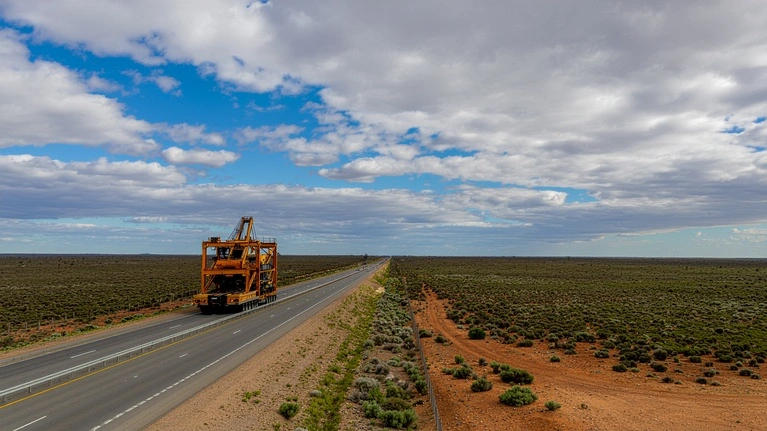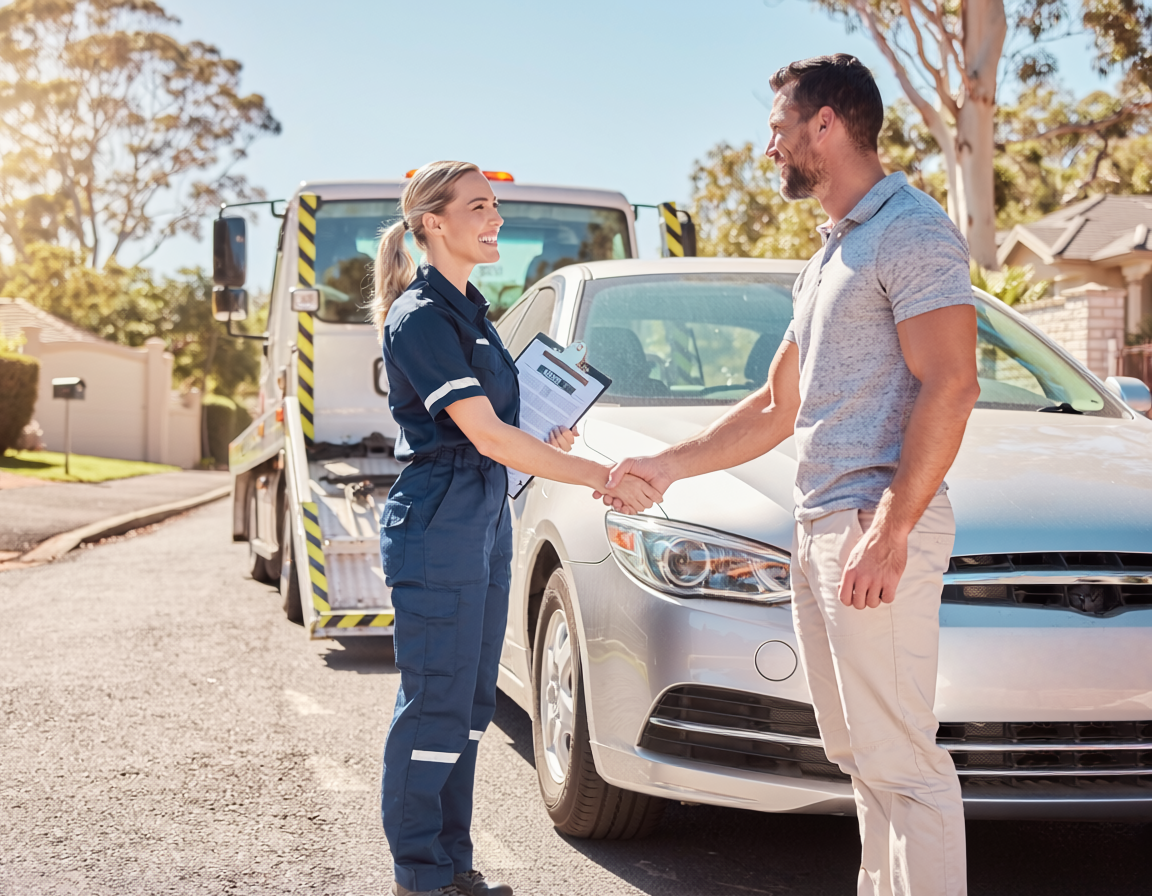
When your car breaks down on the Mitchell Freeway at 2am, or your excavator needs moving from Balcatta to Joondalup, you’re not simply buying a tow. You’re trusting someone with your safety, your vehicle, and often your livelihood.
The towing industry in Western Australia operates under specific regulations. However, the gap between minimum compliance and genuine professional towing in Perth is significant. Some operators meet the bare legal requirements and nothing more. Others build their entire operation around guarantees that go far beyond what the law demands.
Understanding towing service standards protects you before an emergency happens. Knowing what questions to ask, what documentation to request, and what guarantees to demand means you’re never at the mercy of whoever happens to answer the phone at midnight.
This guide explains what professional towing in Perth actually looks like – from licensing requirements through to damage guarantees – so you can separate genuine quality from empty promises before you ever need to call.
What Makes a Towing Service Professional in Perth
Beyond the Truck and the Logo
Professional towing isn’t about having a vehicle with a company name on the door. It’s about documented standards, transparent processes, and genuine accountability when something goes wrong. Towing service standards in Perth cover everything from driver qualifications and vehicle certifications through to insurance coverage and pricing transparency.
Every legitimate towing operator in Perth must hold a Tow Truck Driver’s Licence issued by the Department of Transport WA. That’s the baseline requirement. Professional operators layer additional certifications, insurance coverage, and operational procedures on top of that foundation – creating a service that exceeds what the law demands.
Think of it this way: a provisional driver with a valid licence can legally operate a vehicle. However, you wouldn’t trust them to transport your $80,000 prestige car on a flatbed through peak-hour traffic. Experience, specialised training, and verified professional standards are what actually protect your vehicle.
Tow Truck Licensing in Perth and Regulatory Compliance
Western Australian towing operators must comply with the Tow Truck Act 1974 and associated regulations. This legislation covers tow truck licensing in Perth and establishes baseline requirements that all commercial operators must meet:
- Driver licensing requirements and background check obligations
- Vehicle registration and roadworthiness standards for all towing equipment
- Mandatory insurance coverage including public liability and professional indemnity
- Pricing transparency and invoicing requirements for all jobs
- Proper storage facilities for any impounded vehicles
Professional operators don’t simply tick these boxes – they exceed them. Comprehensive insurance coverage protects customer vehicles up to full market value, not just the minimum statutory requirement. Drivers undergo ongoing training in advanced recovery techniques, not just the initial towing operator certification course.
Industry Certifications That Actually Matter
Nationally Recognised Towing Qualifications
Beyond government licensing, genuine professional towing in Perth involves investment in industry-recognised training and towing operator certification. These qualifications represent practical expertise that directly affects how safely and efficiently your vehicle is handled:
- Certificate III in Automotive Towing Operations: A nationally recognised qualification covering advanced techniques, load restraint standards, and workplace safety procedures
- Heavy Vehicle Licensing (HR, HC, MC): Required for operators towing trucks, machinery, or using large tilt tray vehicles
- Load Shifting Tickets: Essential for heavy machinery towing and construction equipment transport
- First Aid and Emergency Response Training: Critical for accident towing and roadside emergency scenarios
These aren’t certificates displayed on a wall. They represent hundreds of hours of practical training that directly affect how your vehicle is handled, loaded, and delivered.
Verifying Credentials Before You Book
Checking towing operator certification before an emergency gives you confidence when it matters most. Every WA tow truck must display a unique licence number. The Department of Transport WA can verify this licence status. Legitimate operators provide a Certificate of Currency showing current insurance coverage on request – if they hesitate or refuse, that’s a significant warning sign.
The Guarantees You Should Demand
Specific, Measurable, and Backed by Consequences
A guarantee is only valuable when it’s specific, measurable, and backed by clear consequences. “We care about your vehicle” is marketing language – not a guarantee. Professional towing service standards in Perth include documented commitments covering response times, vehicle safety, pricing transparency, and damage liability.
Response Time Commitments
When you’re stranded on a roadside, vague assurances about arrival times aren’t acceptable. Professional operators provide specific estimated arrival times based on current location and dispatch capacity. Reliable professional towing in Perth should commit to:
- Under 30 minutes for breakdowns within 15km of Perth CBD during standard hours
- Under 60 minutes for metropolitan Perth locations after hours
- Clear communication if delays occur, with updated timeframes every 15 minutes
- GPS dispatch systems that track every job in real time
GPS-tracked fleets eliminate the uncertainty of not knowing whether a truck is 5 minutes away or still across the city. Towing service standards that include real-time tracking are now an industry expectation, not a premium feature.
The Damage-Free Towing Guarantee
This is where the difference between professional and amateur operators becomes painfully clear. Every towing company states they won’t damage your vehicle. The critical question is: what happens if they do?
Professional operators providing a genuine damage-free towing guarantee include the following in writing:
- Pre-transport vehicle inspection with photographic documentation from multiple angles
- Appropriate equipment selection for each specific vehicle type – never using wheel-lift on AWD vehicles
- Load securing that meets the Australian Load Restraint Guidelines
- Full insurance coverage for any damage caused during transport
- Immediate claims processing without delays or disputes
Our specialist tilt tray towing exists specifically to eliminate drivetrain damage, underbody scraping, and bumper contact risks. The deck lowers completely flat to the road surface. Your vehicle is winched on at a low, controlled angle. No steep ramp angles. No mechanical stress. The damage-free towing guarantee is built into the method itself.
Transparent Pricing Structures
Pricing in the towing industry can be murky. Some operators quote a low base rate, then add fees for distance, after-hours service, tolls, waiting time, and administration charges. Professional towing service standards require upfront comprehensive quotes that include:
- Base towing fee covering the first distance bracket
- Per-kilometre rate for additional distance beyond that bracket
- Any after-hours or weekend surcharges applied to the job
- Waiting time charges and the conditions under which they apply
- Accepted payment methods confirmed before dispatch
Before any truck is dispatched, the customer knows exactly what they’ll pay. That’s not a bonus feature – it’s a basic professional standard.
Equipment Standards That Protect Your Vehicle
The Right Equipment Is the Foundation
The correct equipment isn’t optional – it’s the entire foundation of damage-free transport. Using the wrong truck for a specific vehicle type is like using a sledgehammer to hang a picture frame. The approach might technically function, but the consequences are expensive.
Professional towing in Perth requires operators who understand which method suits which vehicle type and who never cut corners on equipment selection to save time.
Tilt Tray vs Wheel-Lift: When Each Applies
Different vehicles require fundamentally different transport methods. Damage-free car towing via a tilt tray is the appropriate method for:
- All-wheel-drive and 4WD vehicles, to prevent drivetrain and transfer case damage
- Prestige, classic, and modified vehicles requiring paint and underbody protection
- Lowered cars that would scrape on steep ramp angles
- Vehicles with seized wheels, damaged steering, or extensive collision damage
- Motorcycles and heavy machinery requiring full flatbed support
The vehicle sits completely flat on the tray throughout loading and transport. Zero mechanical stress. Zero underbody contact risk. The tilt tray method is the current standard for professional towing in Perth when any of those vehicle types are involved.
Wheel-lift towing – where the front or rear wheels lift while the other end rolls – remains appropriate only for standard two-wheel-drive sedans on sealed roads with functioning steering and suspension. Hook towing under the bumper is largely obsolete for modern vehicles. Professional operators have moved away from this method entirely.
Load Restraint and Safety Standards
Once your vehicle is on the truck, proper securing determines whether it stays there safely. Professional operators follow the National Transport Commission’s Load Restraint Guide, which specifies minimum restraint capacity based on vehicle weight, correct positioning of chains, straps, and wheel chocks, and documentation of restraint methods used for every job.
For heavy machinery transport by certified operators with industry expertise, this becomes even more critical. A 5-tonne excavator that shifts during transport doesn’t just damage itself – it can affect the stability of the tow truck. Rated chains, multiple securing points, and redundant restraints are standard practice for every heavy load.
Vehicle-Specific Transport Protocols
Towing service standards that genuinely protect customers include separate protocols for different vehicle categories:
- Prestige and classic vehicles: Prestige car towing services delivered by experienced operators using soft straps rather than chains on visible bodywork, enclosed transport options where appropriate, and comprehensive pre and post-transport documentation
- Commercial trucks: Heavy-duty recovery equipment, air brake knowledge, and fast response times for breakdowns blocking major arterial roads
- Motorcycles: Dedicated wheel chocks, soft tie-downs, and operators trained to secure bikes without damaging fairings or controls
The Insurance and Liability Framework
What Professional Coverage Actually Looks Like
Here’s what most customers don’t realise: if a towing operator damages your vehicle, your own insurance may not cover it. You’re relying entirely on the towing company’s insurance and their willingness to process a claim. Towing insurance requirements for professional operators in Perth include several distinct layers of coverage:
- Public Liability Insurance: Covers third-party property damage and injury – minimum $20 million coverage for professional commercial operators
- Professional Indemnity Insurance: Covers errors in service delivery that cause financial loss
- Motor Vehicle Insurance: Covers the towing vehicles and equipment themselves
- Goods in Transit Insurance: Specifically covers vehicles being transported, up to their full market value
Proof of insurance should be available on request before transport begins. For any high-value vehicle or machinery, requesting that documentation is entirely reasonable – and professional operators will provide it without hesitation.
Claims Process and Resolution
When damage does occur, professional operators have a clear, documented claims process:
- Immediate documentation: Photos of any damage and an incident report filed within 24 hours
- Direct insurer contact: Customer receives the insurer’s details and claim reference number promptly
- Independent assessment: A qualified assessor inspects the damage without pressure from the operator
- Prompt resolution: Repairs authorised or settlement paid within standard insurer timeframes
Operators who dodge, delay, and deny claims are demonstrating exactly why their towing service standards don’t meet professional expectations. A clear claims process is not a sign of expecting problems – it’s evidence that the operator is prepared to take responsibility when required.
How to Verify Standards Before You Need Them
Don’t Wait for an Emergency
The worst time to research towing service standards is when you’re stranded at midnight. Verifying an operator’s credentials in advance takes 10 minutes and provides significant peace of mind:
- Check tow truck licensing in Perth: Every WA tow truck displays a unique licence number. Verify with the Department of Transport WA before booking
- Request insurance certificates: A Certificate of Currency proves insurance is current. Hesitation or refusal is a clear warning sign
- Confirm equipment for your vehicle type: Ask what method they’ll use for your specific drivetrain. A wheel-lift recommendation for an AWD vehicle signals either incompetence or dishonesty
- Get written quotes: Professional operators provide detailed written quotes before dispatch. Verbal estimates that “depend on the situation” are red flags
- Read reviews carefully: Look beyond star ratings to patterns in reviews about damage claims, pricing disputes, and communication during problems
What to Do When Standards Aren’t Met
If you experience service that falls below professional towing standards, document everything immediately. Keep photos of any damage, copies of quotes, and records of all communication. Legitimate complaints can be raised with:
- Department of Transport WA: For tow truck licensing in Perth violations or operator conduct
- Consumer Protection WA: For pricing disputes or misleading conduct claims
- Your insurer: If the incident involves a vehicle damage claim
Professional operators welcome the opportunity to resolve legitimate concerns before they escalate. An operator who becomes defensive or refuses documentation when a reasonable complaint is raised is demonstrating exactly why those towing service standards matter.
Perth’s Unique Conditions and Why Standards Matter Here
Geography and Demand
Perth’s isolation and sprawling geography create specific challenges for towing operations. The metro area stretches roughly 150 kilometres north to south. Response times that might be acceptable in a compact city can be genuinely dangerous here when a vehicle is blocking a freeway during peak hour.
Perth’s mining and construction activity generates more heavy machinery towing requirements than most Australian cities. Moving a 12-tonne excavator from a mine site to Perth for repairs requires experienced operators who understand towing service standards for specialist equipment – not operators with a standard truck and an improvised approach.
Summer temperatures above 40°C affect towing operations directly. Vehicles overheat faster. Road surfaces become soft. Operators face heat stress during extended jobs. Professional towing in Perth accounts for these conditions in both response planning and equipment selection.
The True Cost of Choosing on Price Alone
Budget operators reduce costs somewhere – and it’s usually in areas that aren’t visible until something goes wrong. Underinsured operations, poorly maintained equipment, and inexperienced drivers are the typical trade-offs for a cheaper quote. The real cost calculation looks like this:
- A $50 saving on towing fees
- Plus $5,000-$15,000 in drivetrain or underbody damage from incorrect equipment
- Plus the original towing fee you already paid
- Plus the time and stress of a disputed damage claim
Professional towing service standards are insurance against all of that. When you’re moving a $60,000 vehicle or a $200,000 piece of machinery, the equipment, expertise, and accountability that come with verified standards are exactly where the value lies.
Conclusion
Professional towing service standards aren’t complicated in principle. They involve clear guarantees, appropriate equipment, transparent pricing, and genuine accountability. What separates professional towing in Perth from the minimum compliance approach is the commitment to exceeding those requirements – not as a marketing position, but as an operational standard.
All Out Towing maintains a modern fleet of tilt tray trucks and specialised equipment across Perth. To arrange professional vehicle recovery delivered by certified operators who exceed towing service standards on every job, call 0418 959 216 to speak with our dispatch centre about your towing requirements.