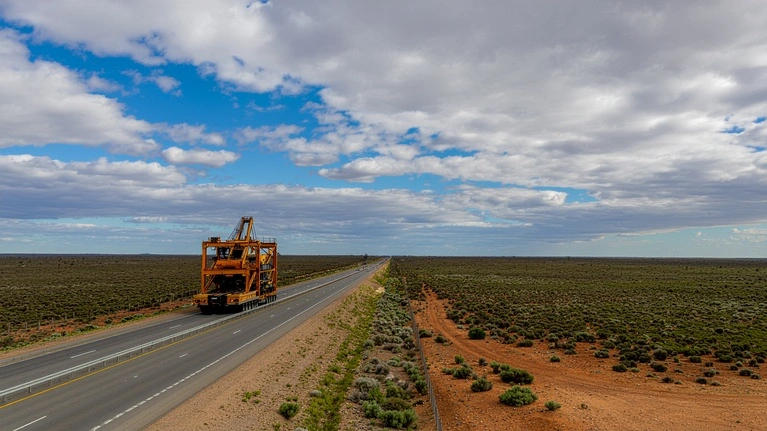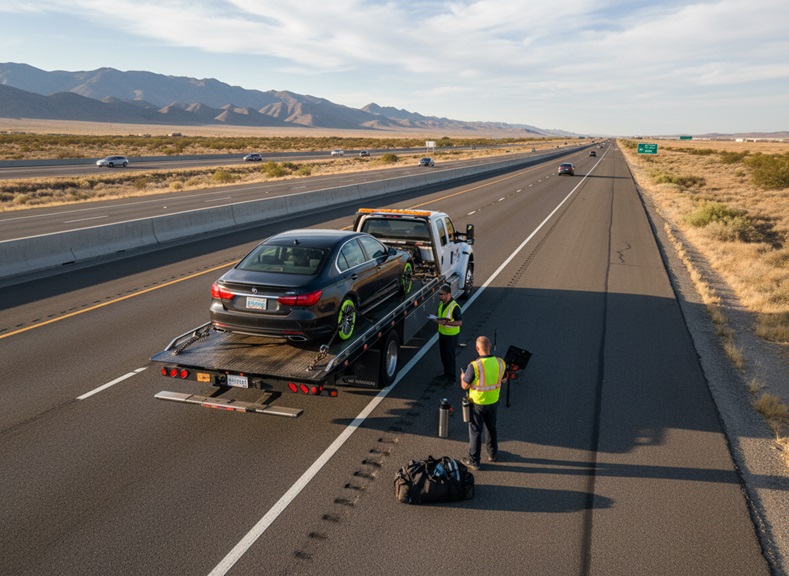
Moving a car across state lines isn’t something most people do often, which is why it’s easy to underestimate what’s involved. You’re not just driving to Mandurah and back , you’re committing your vehicle to thousands of kilometres across some of Australia’s harshest terrain. Whether you’re relocating for work, selling a vehicle interstate, or bringing one back home to WA, preparation is everything.
Here’s the truth: a car that runs perfectly around Perth can develop problems when subjected to the sustained demands of interstate vehicle transport WA. It’s not about your car being unreliable , it’s about understanding that long-haul towing puts stress on every mechanical system in ways city driving never does. The good news? With the right preparation, most problems are completely preventable.
Why Interstate Transport Feels Overwhelming
It’s normal to feel uncertain when arranging interstate car transport WA. You’re handing over one of your most valuable assets for several days, often to people you’ve never met. That can feel daunting.
The hesitation often comes from not knowing what’s important. Should you empty the car? What about that slow oil leak? Will your roof racks cause issues? These are practical questions, not overthinking. The confusion usually stems from mixed advice , one person says one thing, another says the opposite.
Once you understand the process, it becomes far simpler. Preparing properly isn’t complicated, but it does require attention to the details that matter most for interstate vehicle transport WA.
Mechanical Reality Check
Your vehicle needs to be mechanically sound, not just “fine around town.” A car that handles short commutes may struggle under the strain of sustained heat, load, and vibration across long distances.
Cooling System:
If your vehicle runs warm in Perth traffic, it’ll overheat across the Nullarbor. Have a mechanic pressure-test the cooling system and inspect hoses, belts, and radiator caps. Replace any suspect parts now, not halfway to Norseman.
Tyres:
Even when your car’s being transported, tyres still bear weight. Check for bulges, cracks, and tread wear. A damaged tyre can fail on a trailer, causing secondary damage.
Fluid Leaks:
What looks minor in your driveway can create safety hazards during transport. Fix any oil, coolant, or transmission leaks before loading. Leaks can damage transport equipment or incur cleaning fees.
Battery Health:
A flat or weak battery delays loading and unloading. Make sure it’s fully charged and reliable. Long periods of inactivity can worsen weak batteries, so replace old ones in advance.
A quick pre-transport service gives confidence that your car will handle the journey without issue. It’s a small cost compared to fixing breakdowns hundreds of kilometres away.
Documentation That Actually Matters
Paperwork can feel tedious, but it’s crucial. Interstate car transport WA involves multiple checkpoints, and proper documentation prevents legal or logistical headaches.
- Registration: Must be current. Expired registration complicates border transport and can void insurance coverage.
- Insurance: Review your policy and the transporter’s coverage. Take timestamped photos of all panels and existing damage before collection.
- Ownership Proof: If the car isn’t registered in your name, bring a bill of sale or written authorisation from the owner.
- Modification Certificates: If your car has non-standard parts (e.g. lowered suspension, custom wheels, roll cage), keep the engineering papers handy. Inform your transporter in advance.
This level of preparation ensures clarity and protection for both you and your transport provider.
What to Remove and What to Leave
Emptying the car isn’t always required, but a few rules keep everyone safe:
- Remove valuables and personal items. Transport insurance doesn’t cover contents. Take out sunglasses, electronics, and documents.
- Secure loose objects. Anything that can move will. Remove hanging items, floor mats, and loose boxes.
- Fuel level: Keep your tank between one-quarter and half full , enough for loading, but not excessive weight.
- Aftermarket accessories: Check if roof racks, bike mounts, or tow bars need removal. Enclosed trailers often have limited clearance.
- Keep essentials: Your spare tyre, jack, and standard tools should remain with the car.
These small details prevent in-transit damage and ensure compliance with safety standards.
The Pre-Transport Inspection
The inspection stage is your safeguard. At All Out Towing, we’ve seen countless customers avoid disputes simply because they documented everything upfront.
Here’s what to do:
- Inspect your car in daylight and take clear photos of every angle.
- Record odometer reading and any visible damage.
- Note interior condition , tears, cracks, or stains.
- Check lights, indicators, and warning systems.
- Do this jointly with the transport company representative if possible.
Both parties should sign off on the inspection report. Keep your copy somewhere safe (not inside the car).
Choosing the Right Transport Method
Not all interstate vehicle transport WA services are equal. Choose based on your car’s value, type, and destination.
Enclosed Transport:
Best for prestige, collectible, or modified vehicles. Offers full weather and debris protection. Higher cost, but maximum safety.
Open Transport:
Ideal for standard vehicles. More affordable, but your car will be exposed to dust and road grime.
Drive-Away Services:
Involves a driver relocating your vehicle. Suitable for newer, reliable cars when flexibility is needed. Keep in mind it adds kilometres and wear.
Multi-Vehicle Transport:
Useful when moving multiple cars at once. More complex scheduling, but cost-effective per vehicle.
Always verify licensing, insurance, and reviews before booking. A professional operator provides documentation, clarity, and updates throughout transit.
Addressing the “Transport Guilt”
Many owners feel odd paying for professional transport, thinking it’s unnecessary. In reality, it’s a smart, practical decision.
Long-haul drives mean fatigue, unpredictable weather, and potential mechanical risks. Professional interstate car transport WA eliminates those risks and often costs less than doing it yourself when fuel, accommodation, and lost work hours are added up.
Letting trained operators handle your car isn’t indulgence , it’s good risk management. You’re protecting your investment and saving time.
Preparing the Week Before Pickup
A few final steps make the process smoother:
- Confirm your pickup time and address with the transport company.
- Clean your car inside and out so existing marks are visible.
- Top up fluids and set correct tyre pressures.
- Remove toll tags, parking passes, and personal remotes.
- Have your keys, paperwork, and ID ready on the day.
If you’re unavailable at pickup, arrange an authorised representative. Being prepared avoids delays and missed schedules.
When Your Vehicle Arrives
Inspect your car before signing off on delivery:
- Compare it to your pre-transport photos.
- Check that all tools, mats, and the spare tyre are still there.
- Note and photograph any new damage immediately.
- Confirm the car starts and runs as expected.
Most transports finish without issues, but diligence at this stage ensures peace of mind. If you discover any damage, report it before the driver leaves and follow the insurer’s process promptly.
Choosing Professional Support
Preparation goes beyond the mechanical checklist , it’s about working with people who value your car as much as you do. At All Out Towing, we handle vehicle transport and recovery across Western Australia and beyond. From accident recovery to roadside assistance, our experienced operators understand what it takes to keep your vehicle safe on every journey.
If you’re planning interstate vehicle transport WA, feel free to get in touch for professional guidance and secure towing options. Whether it’s a daily driver or a prestige car, our team ensures it arrives in the same condition it left.