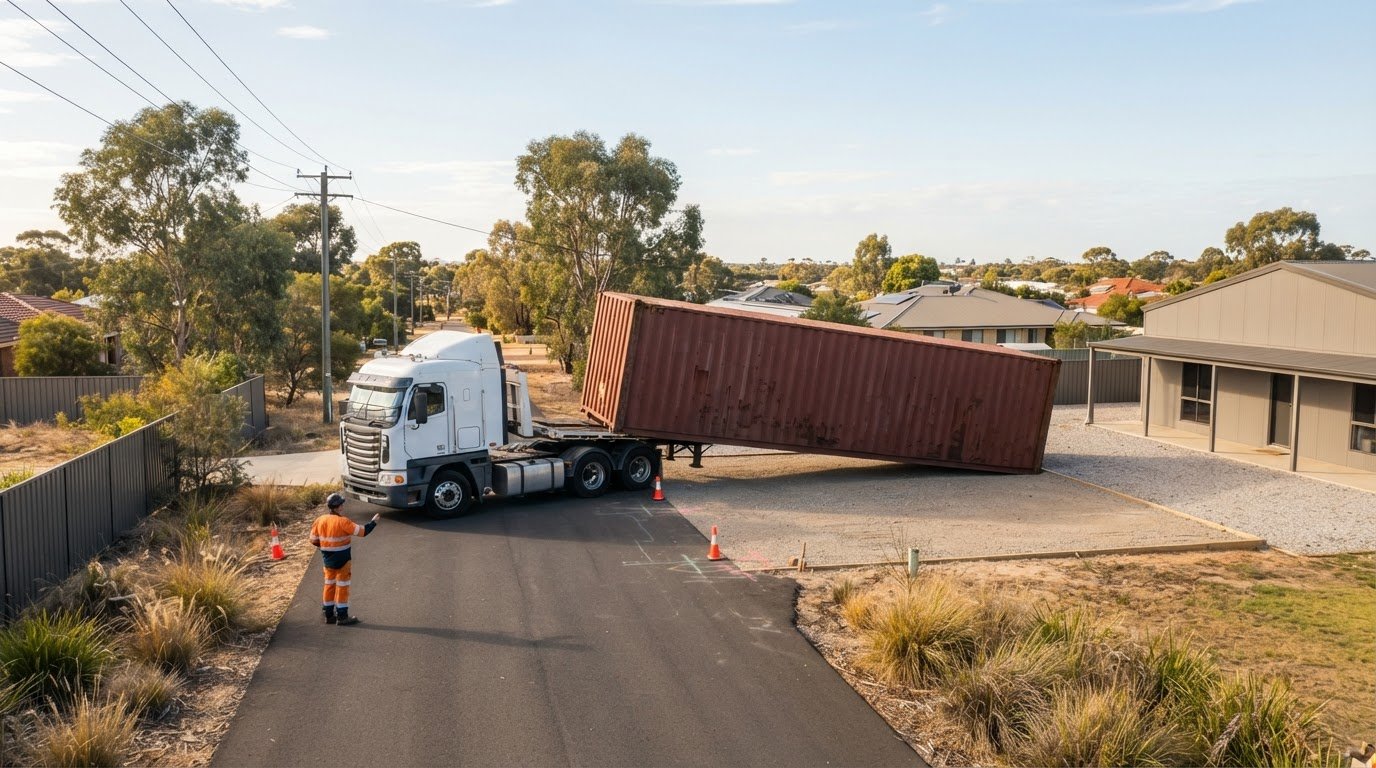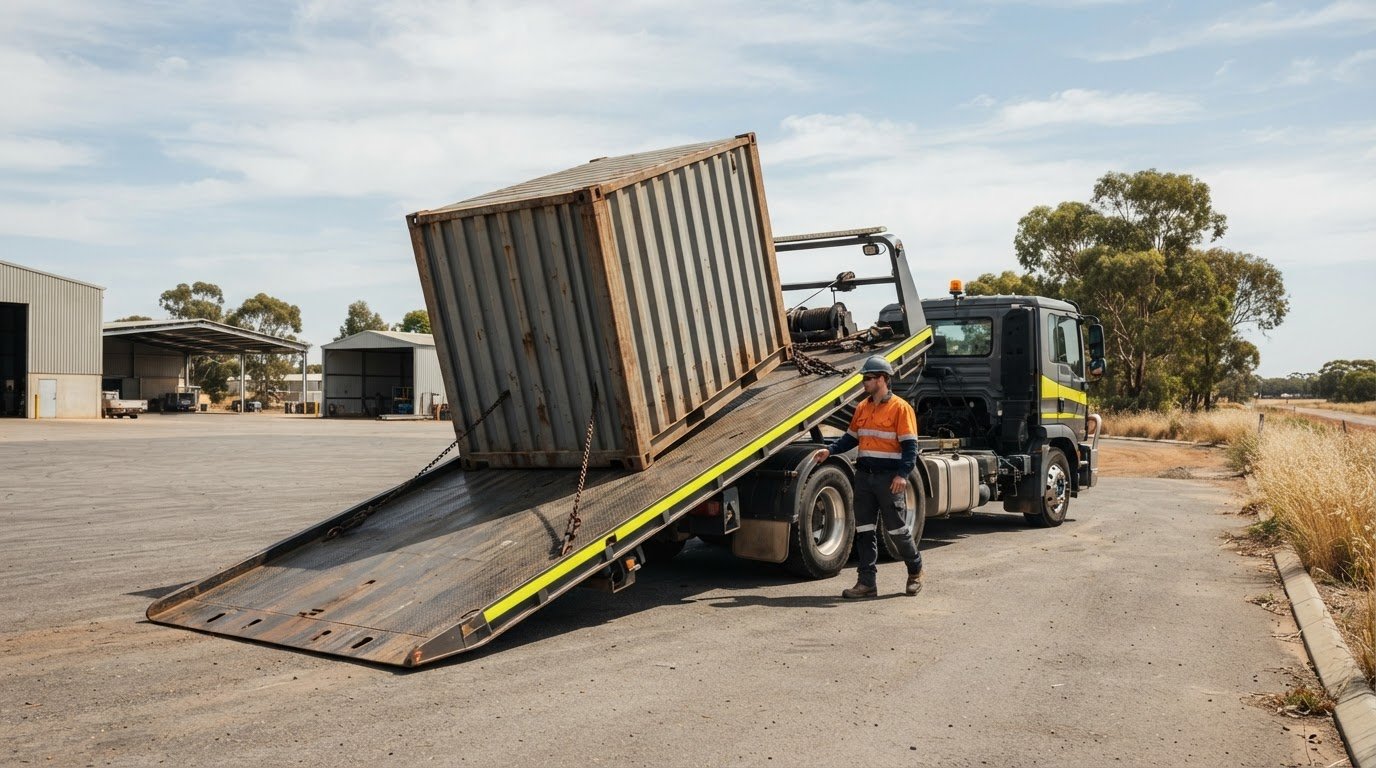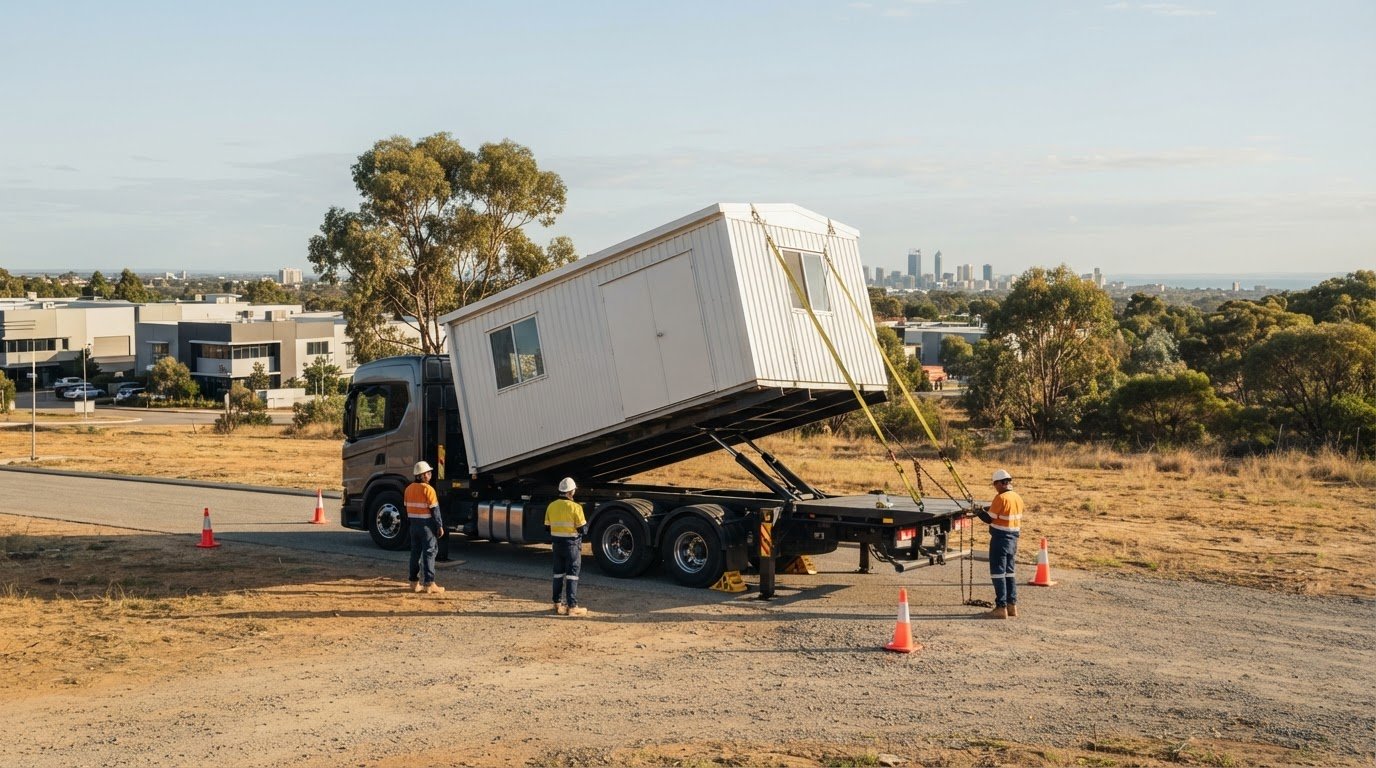
The building’s dimensions are only part of the job. For portable building relocation Perth projects, truck access at both sites and a prepared destination can be just as important as the load itself.
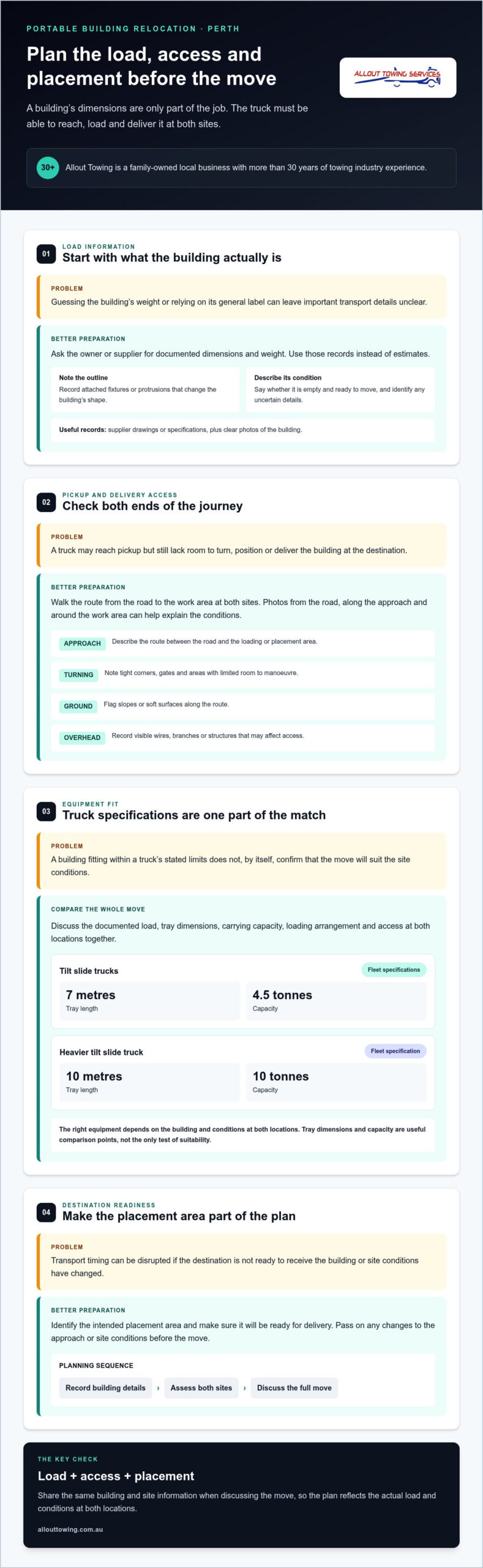
It’s understandable to feel unsure about what to measure, how much the building weighs or whether a tilt tray truck will suit the move. Allout Towing is a family-owned local business with more than 30 years of towing industry experience. Its fleet includes tilt slide trucks with seven-metre trays and 4.5-tonne capacities, as well as a heavier truck with a 10-metre tray and 10-tonne capacity. The right equipment depends on the building and conditions at both locations.
This guide covers the information to prepare before arranging transport, how to compare the building and site access with truck capabilities, and how to coordinate the move with destination-site readiness. Checking the route and relevant transport requirements early can help prevent avoidable delays. With the load, access and placement planned from the start, you can approach the move with greater clarity and confidence.
Key Takeaways
- For portable building relocation Perth, gather clear measurements and load information before discussing transport.
- Compare the building’s dimensions and weight with the transport equipment, then account for access at pickup and delivery.
- Use photos and written site details to make the transport discussion more practical and accurate.
- Plan the move around the destination’s placement needs so transport timing aligns with site readiness.
- Allout Towing’s Perth tilt tray and heavy transport experience can help you plan a suitable move.
Portable building relocation in Perth: what the move involves
Relocation means moving an existing portable building from one prepared location to another. The plan needs to account for the structure as a transport load, how it can be collected and how it will be received at the destination. Size and weight matter, as do the building’s shape, condition and any features that affect loading.
Gather the load information and describe access at both locations before choosing a transport arrangement. This gives the transport team a practical basis for discussing the job, rather than relying on the building’s general label or appearance. Modular buildings can serve different purposes and take different forms. Modular Building on Wikipedia provides a general overview of their construction and uses.
Don’t assume a portable building can be handled like a shipping container. The structures can differ in design, dimensions and handling needs, so equipment intended for one type of load may not suit the other. Base the plan on the particular building and journey.
What information describes a portable building for transport?
Ask the owner or supplier for documented dimensions and weight, and use those records instead of estimates. Note attached fixtures or protrusions that change the building’s outline, as these can affect how it is approached or loaded. Describe its current condition and whether it’s empty and ready to move.
Supplier drawings or specifications can show features that aren’t obvious in photographs. Keep them with clear images of the building so the transport discussion starts with useful, consistent information. If a measurement or detail is uncertain, identify it rather than guessing.
When does tilt tray transport enter the discussion?
Tilt tray equipment may suit the move when its dimensions and capacity match the load and the sites allow safe positioning. The loading and delivery arrangements also need to work at both locations. A truck’s specifications are useful for planning, but they don’t establish suitability on their own.
For portable building relocation Perth, discuss the documented load details and intended journey before settling on an arrangement. Allout Towing handles portable building moves and can discuss the right equipment for the specific building and site conditions. This keeps the decision grounded in the actual load rather than assumptions about what a portable building needs.
How load details and Perth site access shape the relocation plan
A transport plan needs to work at both ends of the journey. A truck may reach the pickup point but lack room to turn or position at delivery. Follow a clear sequence: record the building details, assess each site, then discuss an arrangement that fits the whole move.
Access at both locations matters. Successful loading at pickup is only part of the job, as the destination must also allow the building to be delivered and positioned as planned.
Assess pickup and delivery access before booking
Consider the route from the road to the loading area at pickup, then the route from the road to the intended placement area at delivery. Check the available width and turning room, and note any gates or tight corners. Walking the site can reveal constraints that an address alone won’t show.
Record ground conditions, slopes and overhead obstructions at each location. A soft section of ground or a low branch, for example, may affect where a truck can safely travel or position. Photos from the road, along the approach and around the work area can help explain what you see.
At the destination, identify the intended placement area and make sure it will be ready to receive the building. Pass on any changes to the approach or site conditions before the move. Clear, current information helps the transport team plan for actual conditions.
- Approach: Describe the route between the road and the work area.
- Turning space: Note tight corners, gates and areas with limited room to manoeuvre.
- Ground condition: Flag slopes or soft surfaces along the route.
- Overhead obstacles: Record visible wires, branches or structures that may affect access.
Match the building details to transport capability
Once you’ve assessed both sites, discuss how the building’s documented details match the proposed equipment and loading arrangement. Tray dimensions and carrying capacity are useful comparison points, but they don’t answer every question. The team also needs to consider how the truck can approach, load and reach the intended delivery area.
Share the same site information alongside the building details. A load may fit within the equipment’s stated limits, yet a restricted turn at the destination could still affect the plan. Discussing the load and route together avoids treating a single measurement as the only test of suitability.
If the proposed load raises oversize transport questions, Western Australian Oversize Transport Regulations offers further context. To discuss a planned move, share your building and site details with Allout Towing.
Compare portable building transport options by fit, access and planning
A transport option makes sense only when it matches the building and conditions at both locations. For portable building relocation Perth, compare more than truck size or an initial price. The building’s documented dimensions and weight, loading access, delivery access and placement plan all affect whether an arrangement is practical.
A tilt tray may suit a building when its capacity and tray dimensions align with the load and the sites allow safe positioning. Other arrangements depend on the building and site conditions. Don’t assume equipment used for a container or another load will suit a portable building. A low initial price is not useful if the plan doesn’t account for the requirements of the move.
Which transport details should buyers compare?
Use the building’s written specifications and site information to compare transport arrangements. Clarify how each plan addresses loading, load restraint and placement at the destination. A clear comparison shows what the plan covers, rather than leaving you to judge by equipment description alone.
Load dimensions and weight: Check that the proposed equipment’s tray dimensions and carrying capacity are assessed against the building’s documented measurements and weight.
Pickup access: Compare the approach, turning room and loading area with the space the transport arrangement needs to position.
Delivery access: Consider the route into the destination and whether the truck can reach the intended placement area.
Placement and coordination: Clarify how loading, load restraint and delivery placement fit into the plan, and make sure the destination is ready to receive the building.
These factors work together. A building may fit the stated tray dimensions but still present an access challenge at one site. The truck may reach both locations, but the placement area may not be ready. Compare each proposal against the complete journey, from loading through delivery, and share the same building and site details for every option.
When does a building move resemble machinery transport?
A heavier building or a move involving a work site may share planning considerations with machinery transport, including load information, equipment capability and site access. That doesn’t make a portable building and heavy plant equipment interchangeable. Each load needs assessment based on its own characteristics. Keep the building’s dimensions, weight and placement needs at the centre of the decision.
For loads that raise questions about equipment capacity or transport planning, Allout Towing’s super tilt heavy transport guide explains the broader heavy transport context. If the move involves a site-related load, the machinery transport Perth guide offers related information. This comparison remains focused on choosing a transport arrangement for a portable building.
Prepare for portable building relocation in Perth with this checklist
Preparation makes the transport discussion clearer and helps prevent avoidable surprises. Before arranging portable building relocation Perth, gather accurate details about the building, both locations and the intended placement. Written measurements and clear photos give the team a more useful picture than estimates alone.
Before booking, have the building’s dimensions, weight and condition ready, along with site addresses, access notes and photos of the pickup and destination.
What to prepare before requesting a transport quote
Collect the information below in one place. If a detail is uncertain, don’t guess. Note what you know and include supplier documents or photos that help describe the load and access.
- Building specifications: Record documented length, width, height and weight from the owner or supplier.
- Condition and contents: Describe the building’s condition, whether it’s empty and ready to move, and any items remaining inside.
- Attached items: Note fixtures, fittings or protrusions that could affect the building’s profile or handling.
- Addresses and access: Provide the pickup and destination addresses, plus notes on approaches, gates, turning space, slopes and overhead obstacles.
- Photos: Share clear views of the building, its approach at each site, the loading area and the intended placement area.
Keep measurements in writing and take photos from useful angles, including views of the route a truck would need to use. This can show details such as a restricted entrance or an obstacle near the placement point. Accurate information supports a practical discussion about equipment and timing.
How to get both sites ready for move day
Once you’ve discussed the transport plan, arrange access with the relevant contact at each site. Check that the destination is ready to receive and position the building, and that the agreed access route and work areas will be clear. Pass on updated details if conditions change.
- Clear the route: Remove items that block the planned approach, loading area or destination placement space.
- Coordinate site access: Arrange entry with the people responsible for each location and share relevant access instructions.
- Prepare the placement area: Make sure the intended spot is accessible and ready for delivery.
- Keep clear during loading: Keep bystanders away from the loading area and follow the operator’s safety directions.
Load restraint means securing cargo so it can’t move during transport. The operator manages the transport process. Clear site access and following safety directions help keep people away from the work area. To prepare your move, discuss your building transport requirements with Allout Towing.
Arrange portable building relocation with Allout Towing in Perth
A planned relocation is easier to coordinate when everyone knows who is responsible for site access, timing and placement instructions. Set a preferred move window with both site contacts, and agree how to share updates if access or readiness changes. This connects the transport plan to the practical arrangements at each location.
Allout Towing handles portable building relocation in Perth and across Western Australia. The team considers the particular load and journey instead of making assumptions based on a general description of the building. Clear communication helps resolve questions before the move is scheduled.
What to include when contacting Allout Towing
Along with the building information, explain how the move fits your site schedule. Include your preferred timing, who can provide access at each address and any limits on when the truck can enter or work. Mention anything that could affect loading or delivery, such as a shared entrance or a placement area that’s available only at certain times.
- Site contacts: Provide the best contact for pickup and delivery arrangements.
- Timing: Share your preferred move window and any site scheduling constraints.
- Access arrangements: Explain how the transport team can enter each site and who will be available to coordinate entry.
- Placement instructions: Describe the intended final position and any restrictions around it.
Keep updates consistent between the people organising transport and those preparing each site. If a contact, access arrangement or preferred timing changes, communicate the new information promptly so it can be included in the plan.
Why local transport experience matters for a planned move
Portable building moves need practical coordination as well as suitable transport equipment. Allout Towing’s tilt tray and heavy transport experience provides a useful basis for planning, while the building and route details shape the arrangement. Follow the operator’s safety directions on the day, particularly around loading and placement areas.
Talk through your proposed move with Allout Towing. Call 0418 959 216 or enquire online about portable building relocation.
Take the next step towards a well-planned move
A building relocation can feel like a lot to coordinate, especially when the destination needs to be ready at the same time as transport. Choose a clear point of contact and keep updates about access, placement and preferred timing together. If site arrangements change, share the update early so the transport discussion reflects conditions at both locations.
For portable building relocation Perth, use the information you’ve gathered to start a practical conversation about your building and proposed move. You don’t need every detail resolved before getting started, but clear notes about the load and sites help shape the next steps. A considered plan gives you a steadier way to coordinate the move and prepare for transport day.
Call Allout Towing on 0418 959 216 or send an online enquiry about your building move. Share your building details and site information to discuss your relocation.
Frequently Asked Questions
How do I arrange portable building relocation in Perth?
Contact Allout Towing with the building information and details of both sites. Include supplier drawings or records that describe the structure, and note who can provide access at pickup and delivery. Agree on preferred timing and make sure the destination contact knows when the building is expected. One person coordinating site updates can help keep arrangements clear if plans change.
Can a tilt tray truck move a portable building?
A tilt tray may suit the move, depending on the building and journey. Its dimensions, weight, condition and protruding features all matter, as do the loading area and access at the destination. For example, a building with an unusual shape may need closer assessment than its length alone suggests. Share these details with Allout Towing to discuss the transport arrangement.
What details do I need for a portable building transport quote?
Provide the building’s recorded measurements and weight, its current condition and details of attached items. Include both site addresses and describe restrictions that could affect truck access or placement. Photos add useful context. A view from the street, for example, may show a tight entrance that isn’t obvious from an address. Include your preferred timing so the discussion can account for your schedule.
How do I prepare a site for portable building relocation?
Make the planned route and work areas accessible at both locations. Arrange for vehicles or materials to be moved from a narrow driveway, for example, and ensure someone can open any gates needed for entry. Identify the intended placement spot before delivery and coordinate access with the site contact. Keep bystanders clear during loading and placement, and follow the transport operator’s directions.
Does portable building relocation include positioning the building at the destination?
Discuss the intended final position when planning transport. Describe where the building needs to go, how the truck can reach that spot and any nearby constraints, such as a restricted approach or limited manoeuvring space. Include these requirements in the agreed arrangement. Clear instructions help avoid confusion between delivering the building to the site and placing it where you need it.
How much does portable building relocation in Perth cost?
The cost depends on the specific load and route, including the building’s size and weight, distance between locations, site access and transport arrangement. There isn’t one figure that applies to every move. For a useful quote, provide accurate details rather than relying on an estimate based on a different building or site. Allout Towing can discuss the move using the information you provide.
Do I need to check access at both locations before moving a portable building?
Yes. Check the full approach at pickup and delivery, not just the entrance. A shared driveway, parked vehicles, low branches or a tight turn may affect how a truck reaches the loading or placement area. Walk the route if practical and tell the transport team about obstacles or access changes. This helps the plan account for the conditions at both ends.
Can Allout Towing move a portable building outside metropolitan Perth?
Allout Towing provides transport services across Perth and Western Australia. For a move beyond metropolitan Perth, include the pickup and destination locations in your enquiry, along with the building details and site access information. The route and load both inform the transport plan, so clear locations help define the requirements. Call 0418 959 216 or enquire online to discuss your relocation.