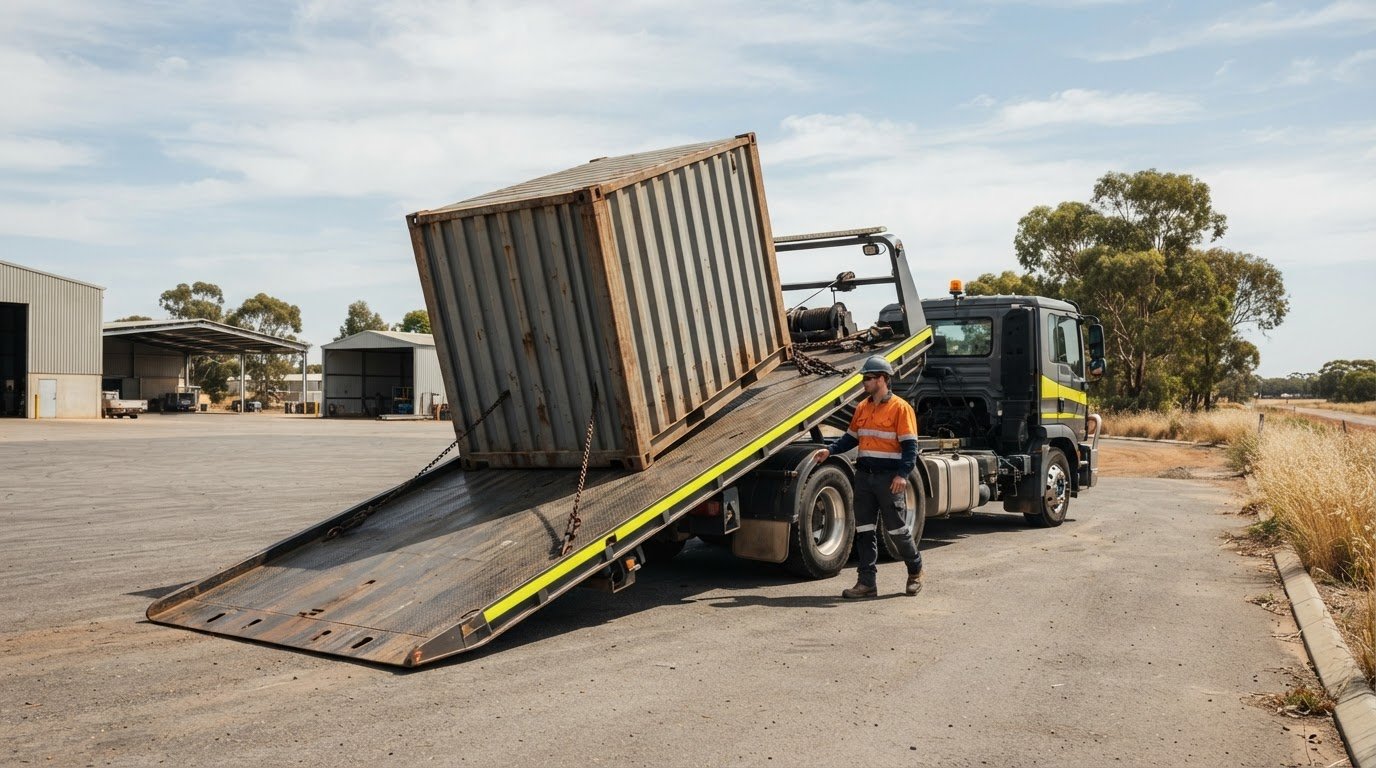
Could a tilt tray move your container safely if the load, truck or site isn’t right? With container towing Perth, the plan needs to account for more than the distance between locations. The container’s dimensions, whether it is empty or loaded, and access and ground conditions at both sites all help shape the move.
It’s understandable to feel unsure about what the truck needs to handle or what to prepare before it arrives. A narrow entrance, soft ground or an unclear picture of the load can affect how transport is planned. Sharing accurate details early helps Allout Towing plan the pickup and delivery and match the job to suitable equipment.
This guide explains the key stages of container transport, from sharing load details and assessing site access to loading, securing and positioning the container. You’ll also find a practical checklist for clearing space at each site and the job details that help with planning, including container dimensions, load status and access conditions.
Key Takeaways
- Container transport moves an existing shipping container between locations. It isn’t a service for buying or hiring containers.
- Learn the key steps in arranging container towing Perth, from sharing job details to planning delivery.
- See why a tilt tray isn’t automatically the right setup for every container, and which practical factors guide the choice.
- Use a site-preparation checklist to plan truck access, clear working space and the container’s final position.
- Discover how Allout Towing’s fleet, including trucks with seven-metre and 10-metre trays, informs equipment planning. Tray size alone doesn’t establish whether a truck suits a particular load.
Container towing in Perth: what the service involves
Container transport is the movement of an existing shipping container between locations using specialised towing equipment. This guide focuses on moving a container you already have, rather than buying or hiring one. For a planned move, the key starting details are the container’s dimensions, whether it is empty or loaded, and the truck access available at both ends.
These details affect how the job is planned. Dimensions help establish the space the container takes up on the truck, while its load status and contents help inform transport requirements. At pickup and delivery, gates, turning room, ground conditions and overhead obstructions can affect where a truck can position and work. If access is tight or the ground may be soft, mention it early so it can be considered in the plan.
When container towing may suit a Perth move
Container towing may suit a move involving a site office, a storage location, a business or a construction site. The right arrangement depends on the specific container, its load and conditions at each location. Two containers that look similar can need different planning if their dimensions differ, one is loaded, or one must pass through a restricted entrance.
Before arranging a move, note what the container is used for, whether it holds goods and where it needs to go. You don’t need to work out the transport plan yourself. Clear information gives Allout Towing a useful starting point for considering the equipment, access and handling needed for the job.
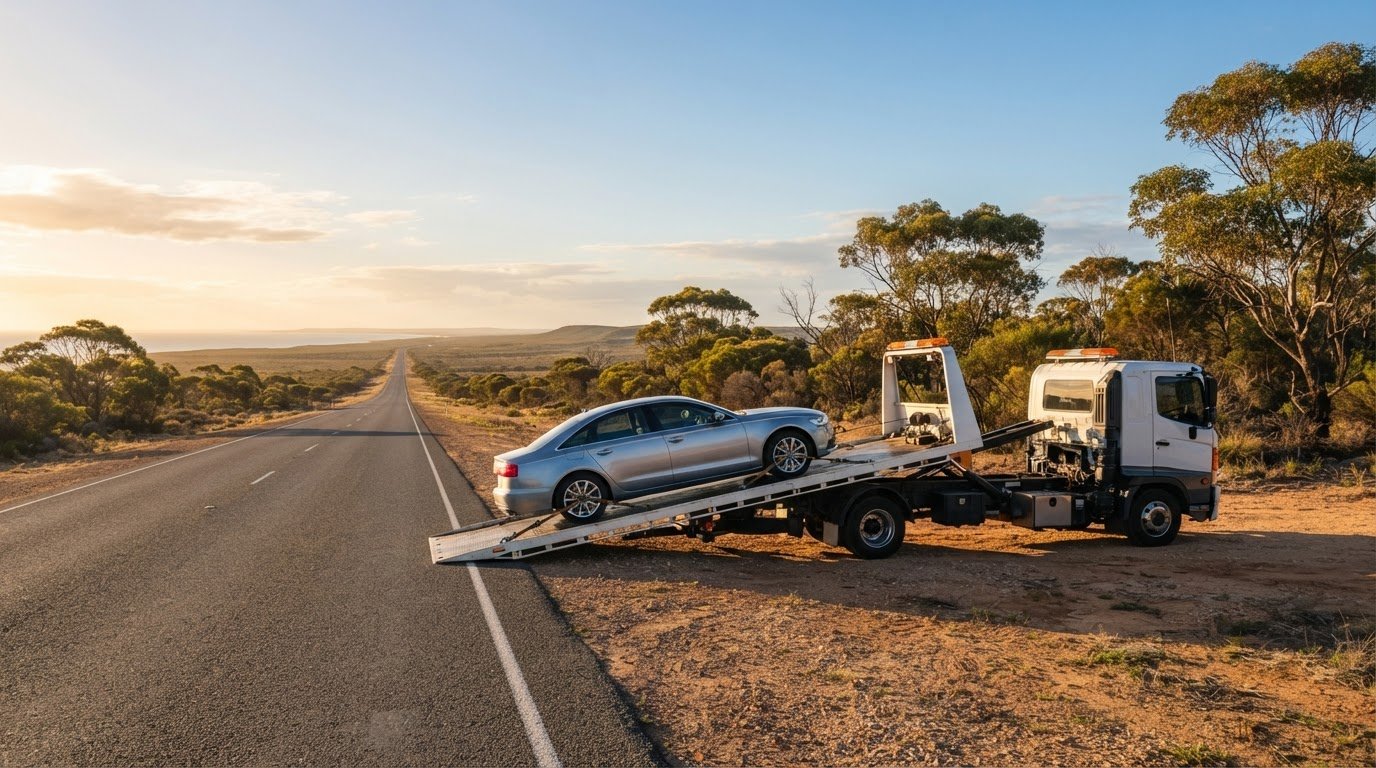
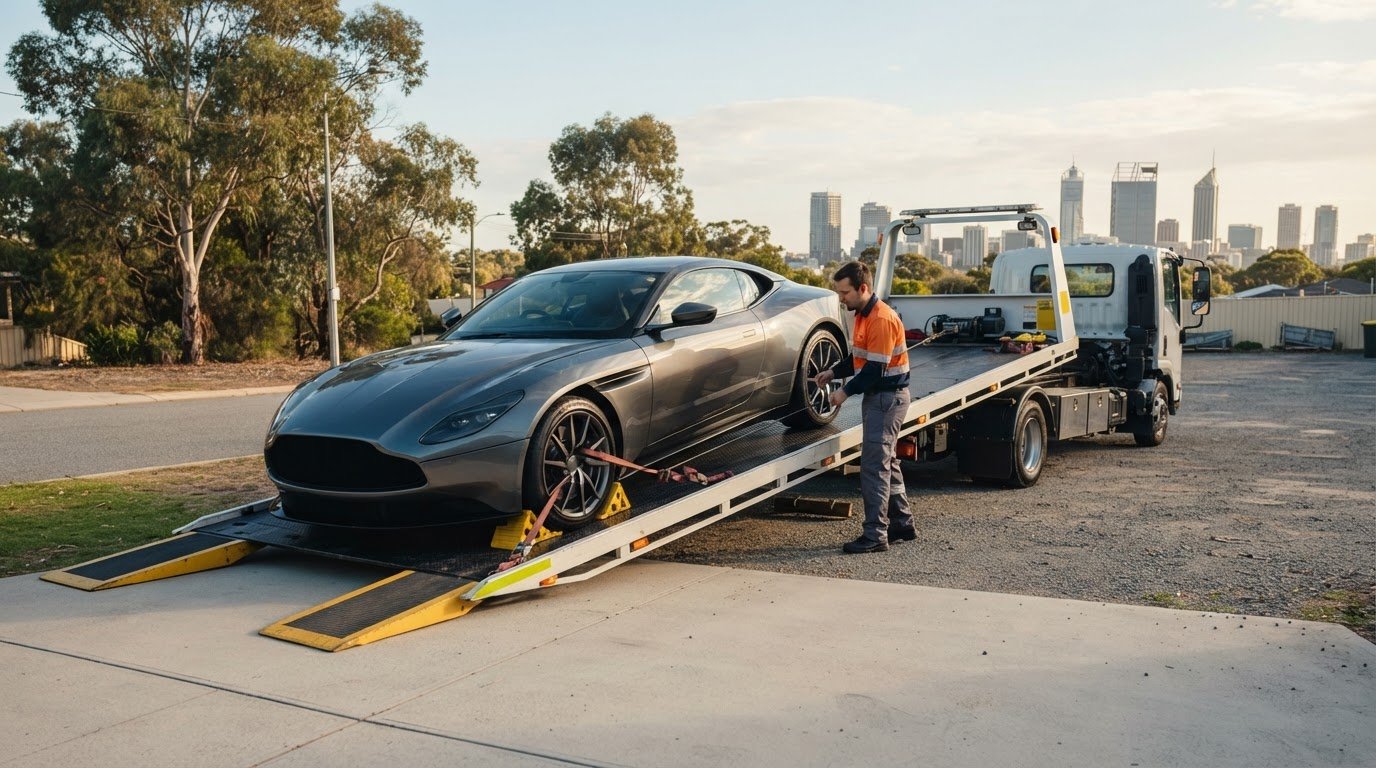
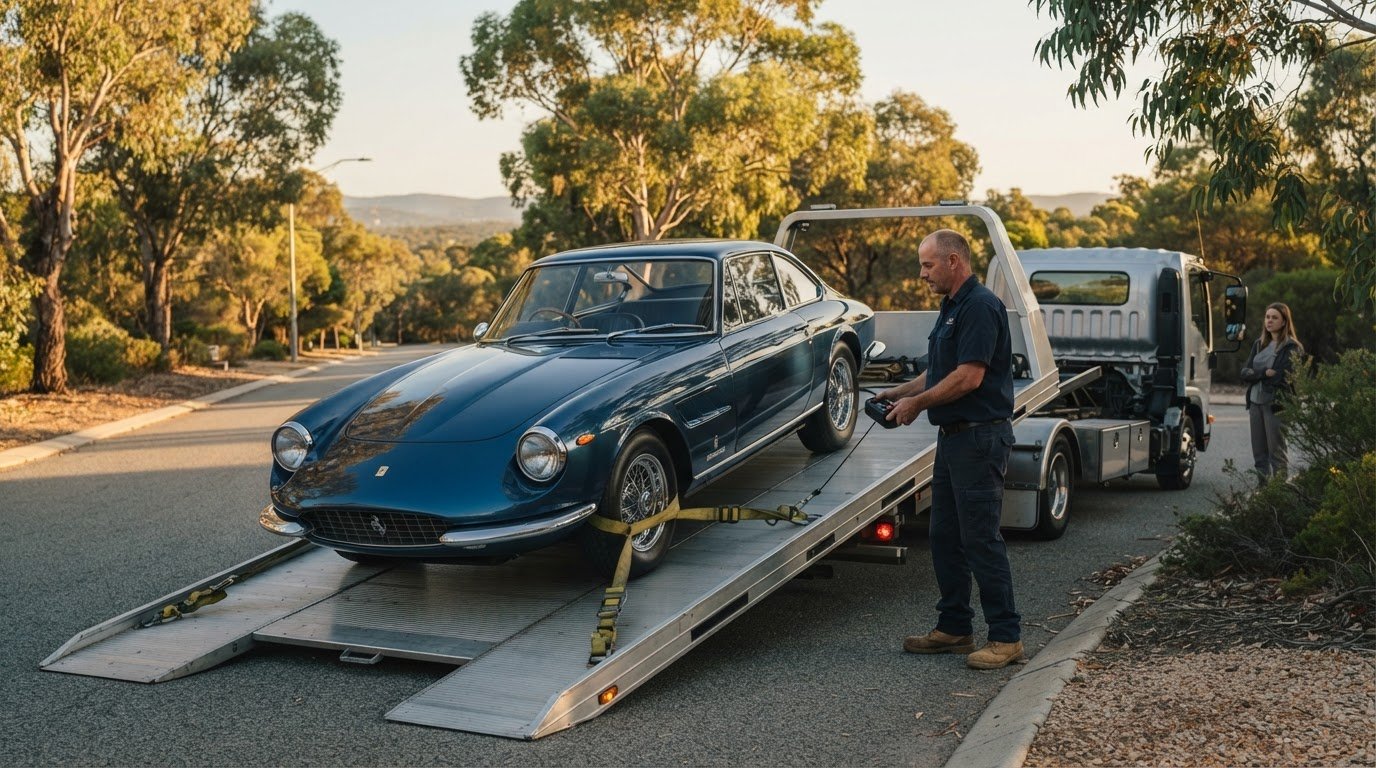
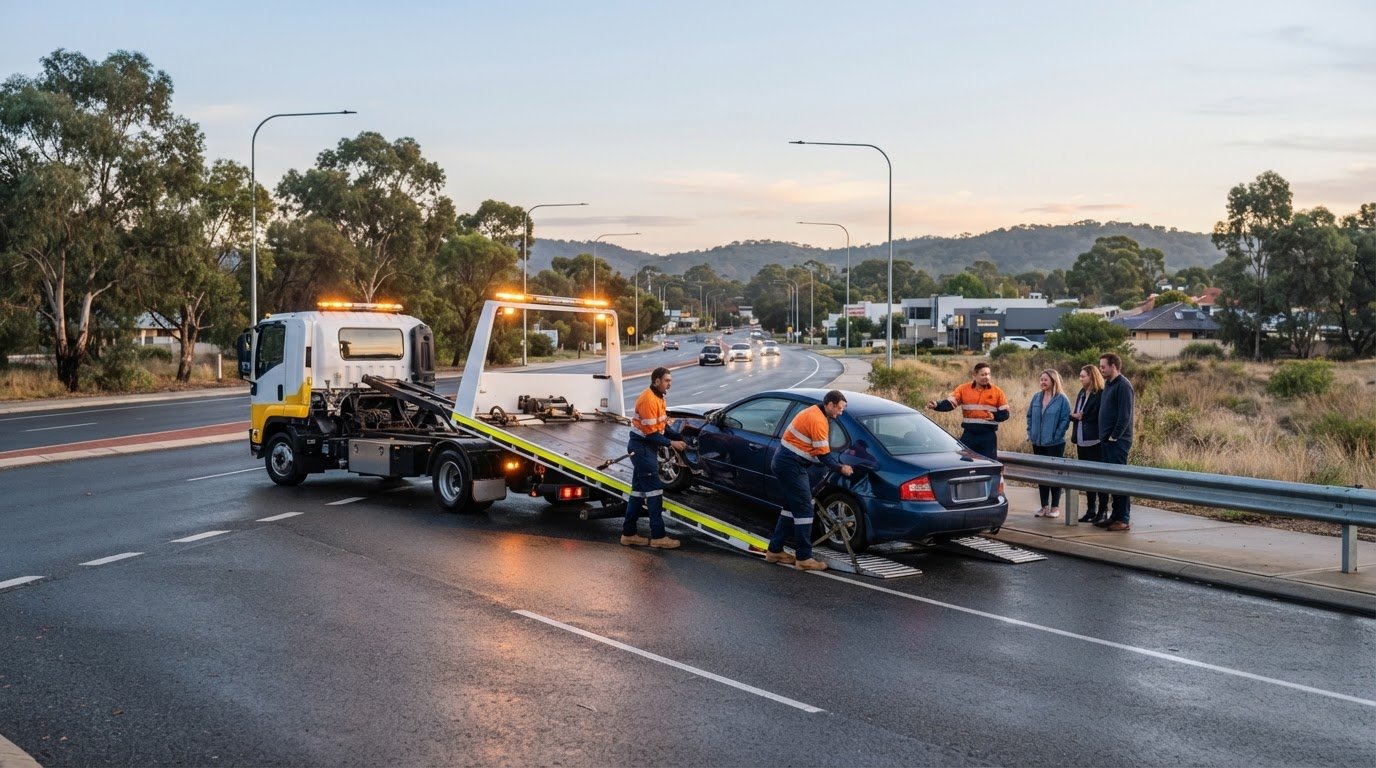
What a tilt tray does during container transport
A tilt tray truck carries a load on a long, flat platform called a tray. The tray can change angle as part of its operation, but the loading arrangement for a container depends on the job. Container dimensions and weight, load status, truck suitability and site conditions all matter, so a tilt tray isn’t an automatic fit for every move.
The term can refer to different equipment in different settings. A tilt-tray sorter, for example, uses tilting trays to sort items in a sorting system. That illustrates the basic idea of a tilting tray, but a sorter isn’t a towing truck. Container transport uses a truck platform and loading plan suited to the specific load and sites.
For larger or heavier transport work, Allout Towing also provides super tilt heavy transport. The equipment and planning needs can differ from a standard container move, so the load and route context matter. Read the super tilt heavy transport guide for broader heavy-load context.
How tilt tray container towing works, from planning to delivery
Safe transport planning starts with the container’s details and conditions at both sites. For container towing in Perth, Allout Towing uses the information you provide to assess the job and plan suitable equipment and handling. Sharing clear details early helps identify access issues before the truck arrives and reduces the chance of relying on assumptions.
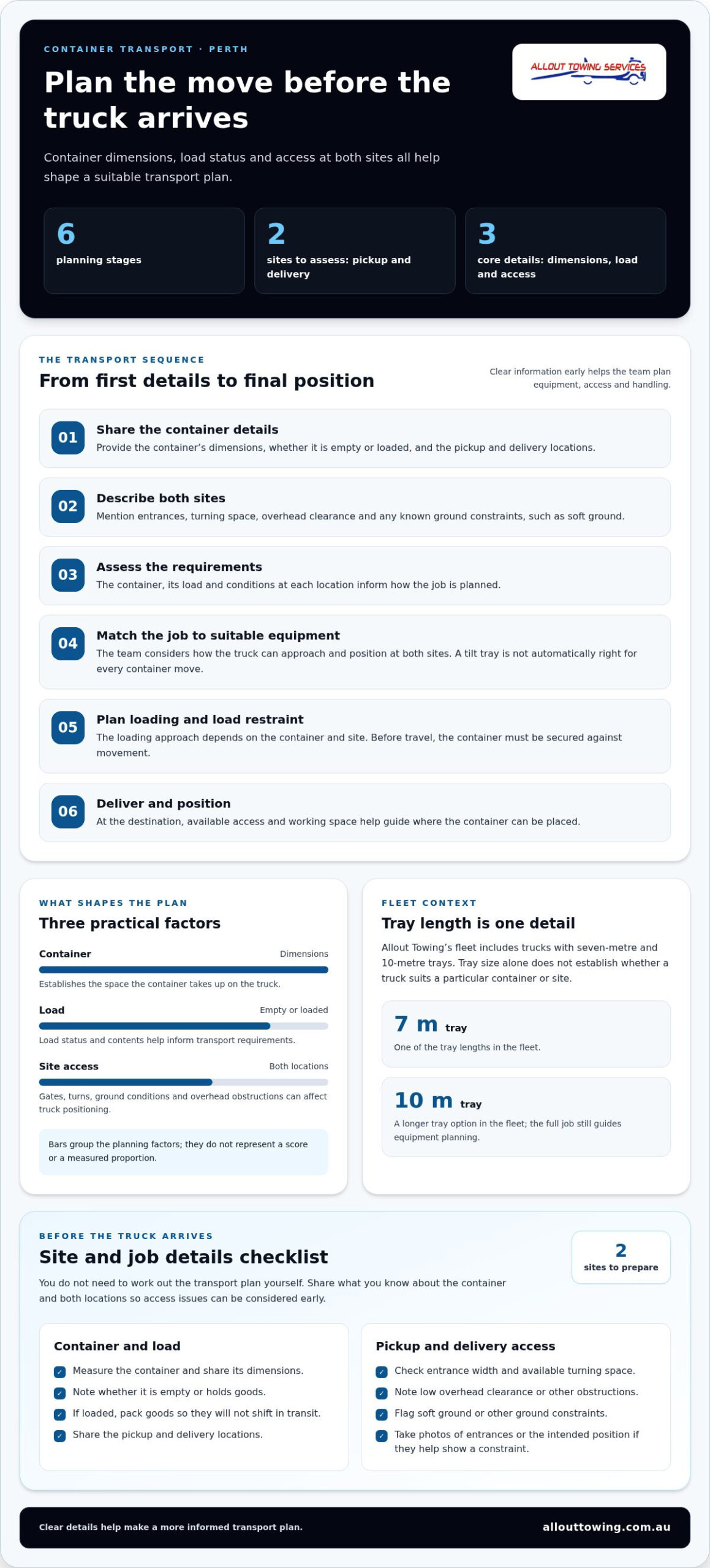
The process follows a practical sequence:
- Share the job details: Provide the container’s dimensions, whether it is empty or loaded, and the pickup and delivery locations.
- Describe both sites: Explain the entrance, available turning space, overhead clearance and any known ground constraints.
- Assess the requirements: Allout Towing considers the container, its load and conditions at each location.
- Plan the transport: The team matches the job to suitable equipment and considers how the truck can approach and position at each site.
- Arrange loading and securing: The loading approach depends on the container and site. Before travel, the load needs to be secured against movement.
- Deliver and position: The truck takes the container to its destination, where access and working space guide placement.
What details help plan a container move?
Before arranging transport, collect the information you can. Measure the container and note whether it holds goods. Share both addresses, along with details such as a narrow gate, low overhead clearance, a tight turn or soft ground. Photos of entrances or the intended position can help show a constraint clearly. Accurate information gives Allout Towing a better basis for planning equipment and handling than assumptions about the site.
Loading, load restraint and delivery
Loading and unloading arrangements depend on the container’s size and weight, whether it is loaded, and the working space available. A straightforward approach at one site may not suit another with limited room or uneven access. The plan needs to account for both ends of the trip, not only the road journey between them.
Before the truck travels, the operator secures the container to prevent movement. This is called load restraint: securing cargo so it stays in place during transport. The arrangement needs to suit the load and transport setup, so don’t assume one method applies to every container. If the container holds goods, pack them so they won’t shift in transit.
For a related heavy-load move, planning can also depend on the type of machinery and site requirements. Allout Towing’s machinery transport Perth guide covers that broader context.
Not sure what details to provide? You can discuss your container transport needs with Allout Towing and share what you know about the load and both sites.
Tilt tray or another transport setup: what affects the right choice?
A tilt tray is one way to move a container, not an automatic fit for every load. The right setup depends on the complete job: the container’s status and dimensions, the load details, truck suitability, loading requirements and access at both sites. For container towing Perth, consider those factors together rather than choosing equipment by tray length alone.
Comparison point: Container status
Tilt tray: The plan needs to account for whether the container is empty or loaded and what is known about its contents. Another setup: It also needs to suit the container’s status and load. Don’t assume two similar-looking containers have the same transport requirements.
Comparison point: Site access
Tilt tray: The truck needs suitable room to approach and work at pickup and delivery. Another setup: Its requirements may differ, so assess the entrance, turning space, overhead clearance and final position against the specific vehicle and loading arrangement.
Comparison point: Truck suitability
Tilt tray: Tray dimensions and capacity matter, but they don’t establish suitability on their own. Another setup: Its equipment also needs to be assessed against the complete job, including the load and site conditions.
Comparison point: Loading requirements
Tilt tray: The loading and securing plan needs to suit the container and available working space. Another setup: It may call for a different loading arrangement. The decision should account for handling from pickup through to delivery.
How load status and container dimensions affect planning
An empty container and a loaded one present different planning questions, but neither status alone tells you the actual weight. Container dimensions and accurate load details help the operator consider suitable equipment and handling. Share measurements and explain what the container holds, if known. Don’t assume a container will suit a truck based only on its appearance or a tray measurement.
How Perth site access changes the transport plan
Access can shape how the truck approaches, positions and delivers the container. In Perth metro areas, provide practical details about entry width, turning room, overhead clearance and the intended destination position. A tight corner, low obstruction or limited manoeuvring space may affect arrangements at either end. Describe known constraints early so they can be considered in the plan, rather than becoming a surprise on the day.
Allout Towing’s fleet includes two tilt slide trucks, each with a seven-metre tray and 4.5-tonne capacity, and a heavier truck with a 10-metre tray and 10-tonne capacity. These figures describe the fleet; they don’t confirm that a particular container or load suits a truck. An assessment considers the whole transport job, including the container, load, loading requirements and both sites.
Prepare your Perth site for container towing
A little preparation at both ends helps the transport plan account for real site conditions. Walk the pickup and delivery areas before the truck arrives, and tell Allout Towing about anything that could affect access or placement. If you’re unsure about a tight turn, overhead obstruction or soft ground, describe what you can see rather than guessing whether the truck will fit.
A safe container move starts with three essentials: accurate load details, workable truck access and clear delivery space.
Check pickup and delivery access before the truck arrives
Check the route through each site, not just the gate. Consider where the truck can approach, turn, work and leave, then make sure the planned container position is ready. Site conditions can affect how the truck reaches the container and where it can place it, so flag access limits early.
- Approach and entry: Check the route to the entrance and note narrow gates, parked vehicles or other obstacles that may restrict access.
- Turning and exit space: Check whether there’s room to manoeuvre at pickup and delivery, including a clear route out.
- Overhead clearance: Identify branches, roof edges, cables or other obstructions along the approach and near the work area.
- Ground conditions: Point out soft, uneven or sloping ground where the truck may need to position or work.
- Delivery position: Clear the intended placement area and give clear directions so the driver knows where the container needs to go.
Keep people and unrelated equipment clear of the work area while the truck is positioning. If site conditions change after planning, pass on the updated information before the move proceeds.
Information to have ready when arranging transport
Gather the details that describe the load and both locations. You don’t need to decide which truck or loading arrangement is right; clear information helps Allout Towing plan around the job. Describe the container’s condition and contents accurately, and mention known access constraints rather than leaving them to be discovered on arrival.
- Pickup and destination addresses, plus the intended placement point.
- Container dimensions and whether it’s empty or loaded.
- What the container holds, if loaded, and any known condition issues.
- Access notes, including overhead clearance, turning room and ground conditions.
- A site contact and any useful arrival or delivery instructions.
For moves involving other equipment, the Perth machinery transport guide gives broader planning context. For container towing Perth, share your job details and access notes with Allout Towing by calling 0418 959 216.
Arrange container towing in Perth with Allout Towing
Planning a container move can feel daunting if you’re unsure which details matter. Allout Towing provides container transport across Perth and Western Australia, with more than 30 years of towing industry experience. The team uses information about the container and both sites to plan equipment and transport arrangements for the job.
What to expect when arranging a container move
Start with the basics: where the container is, where it needs to go, its dimensions and whether it’s loaded. Then describe anything that could affect access or handling, such as a narrow entrance, limited room to turn, an overhead obstruction or soft ground. If you’re worried that a site constraint could complicate the move, mention it early. That gives the team useful context and avoids relying on assumptions about the load or site.
Allout Towing’s fleet includes two tilt slide trucks with seven-metre trays and 4.5-tonne capacities each, plus a heavier truck with a 10-metre tray and a 10-tonne capacity. These are fleet details, not a guarantee that a particular container or load suits a specific truck. The team considers the full job when planning equipment and handling. Allout Towing also provides licensed and insured services.
Get help with container transport in Perth
Before you call, gather the details you already have. A measured container, clear pickup and delivery locations, an accurate description of whether it’s loaded, and notes about site access all help start the conversation. You don’t need to work out the transport setup yourself. Share any concerns plainly, even if you’re unsure how serious they are; clear information helps the team plan around the job.
For container towing Perth, call Allout Towing on 0418 959 216 to discuss your move. Share what you know about the container, its condition and the practical requirements at each site, so the transport plan starts with useful details rather than guesswork.
Arrange container transport with Allout Towing and share the information you have about your move.
Take the next step with a clear transport plan
A container move is easier to organise when the people at both sites know what to expect. Before transport day, coordinate access with the pickup and destination contacts, confirm the intended placement area is ready, and pass on any changes that could affect the plan. If you’re feeling unsure, share the concern early rather than trying to judge truck access or loading requirements on your own.
Good preparation gives the transport team clearer information to work with and helps everyone focus on safe handling. For container towing Perth, bring together the details you have and talk through the job with Allout Towing.
Plan your container move with Allout Towing. Call 0418 959 216 to discuss the container, pickup and delivery access, and your preferred placement.
Frequently Asked Questions
Can a tilt tray tow a shipping container in Perth?
Yes, Allout Towing provides container transport using tilt slide trucks. Before the move, decide who at the destination can receive the container and give placement directions. This is useful if it’s going to an active worksite or shared yard, where the person arranging transport may not be there when the truck arrives. Having a receiver ready helps avoid uncertainty about the container’s final orientation and position.
How is a shipping container loaded onto a tilt tray truck?
The truck operator manages the loading. Before the truck arrives, close the container doors and remove or secure loose items on the outside. If anything protrudes from the container or could catch during handling, point it out to the operator before loading begins. These checks help prepare the container for handling without asking you to operate the truck or decide how loading should be done.
Can a loaded container be moved on a tilt tray?
A loaded container may be moved when the transport arrangement suits the specific job. Tell the operator if the contents could shift, and update them if you add or remove goods after sharing the load details. That change may affect the information used to plan the move. If you’re unsure what is inside, say so rather than guessing; accurate information is more useful than an assumed weight or contents list.
What information should I provide for a container towing quote?
For a container towing Perth quote, include your preferred transport date and explain who is arranging the move, especially if someone else owns the container. Let the team know whether pickup or delivery involves booking arrangements or an access contact you need to coordinate with. If you have a written description or records of the container and its contents, keep them handy so you can give consistent details during the enquiry.
How do I prepare my site for container delivery?
Think about how you’ll use the container once it’s in place. Decide which way its doors should face and tell the driver before placement, particularly if the container will sit beside a building, fence or work area. If the position needs to line up with a particular part of the site, make that clear to the person directing the delivery. Clear instructions help avoid the container facing the wrong way for everyday use.
Does container transport in Perth include regional Western Australia?
Yes, Allout Towing provides container transport across Perth and Western Australia, including regional WA. For a regional delivery, arrange for someone at the destination to receive the container and confirm its intended orientation. If that person differs from the one arranging the move, make sure they have the same instructions. This gives the receiving site a clear point of contact and keeps delivery directions consistent.