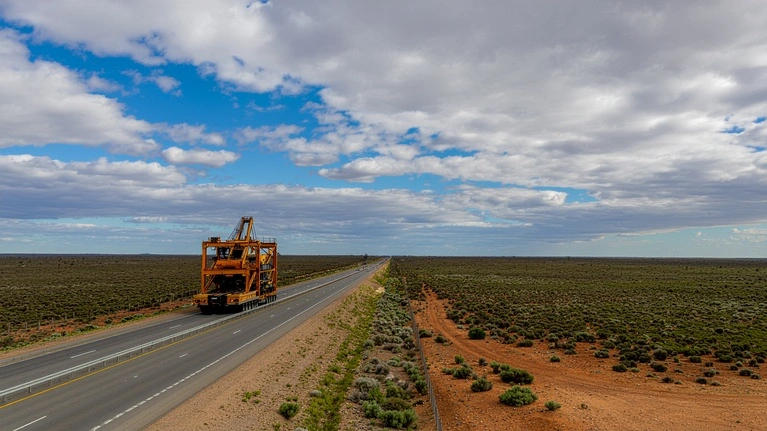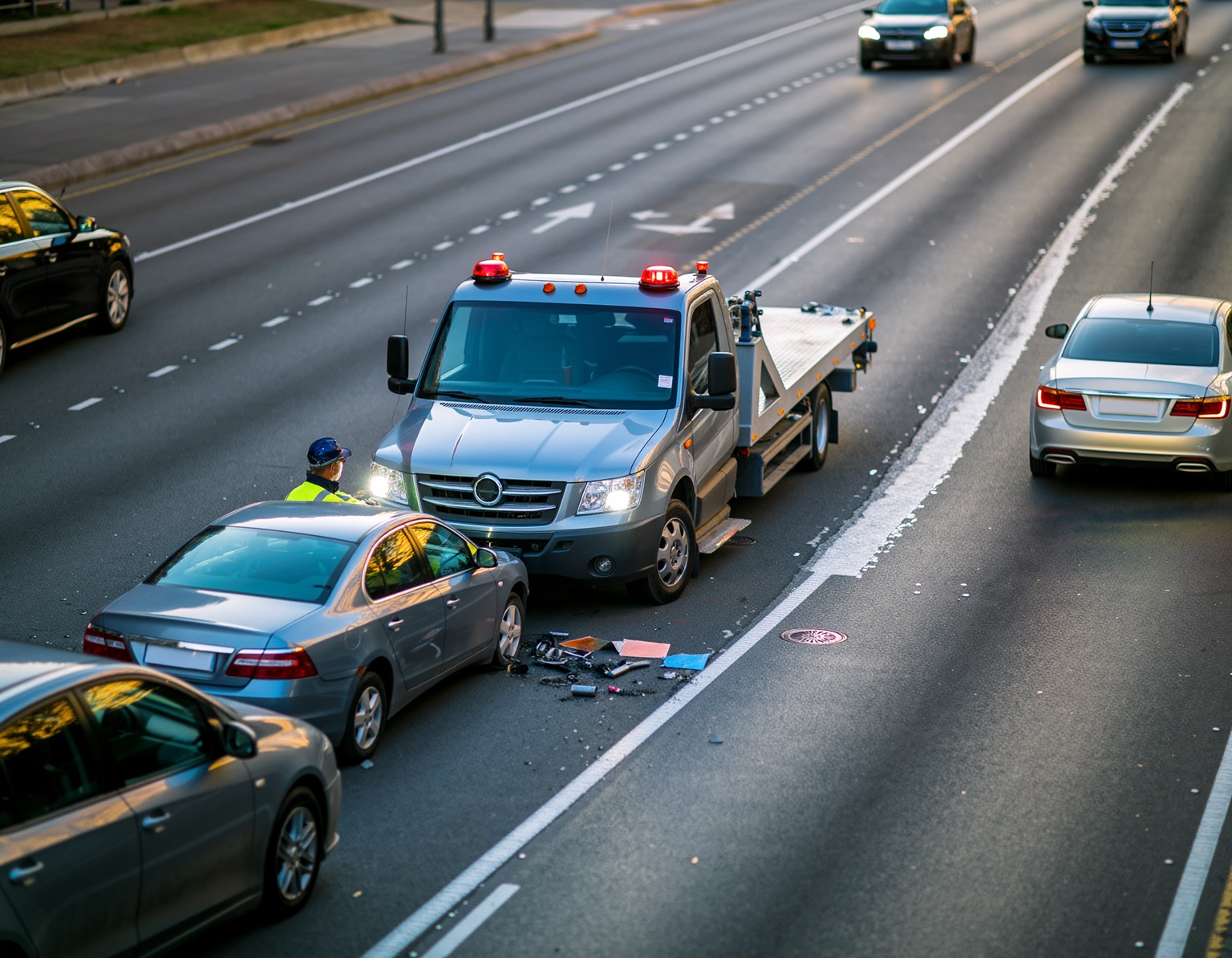
Traffic congestion on Perth’s major routes often hides a complex operation unfolding at the crash scene ahead. In comparison, motorists see flashing lights and halted lanes, professional tow operators are coordinating with police, paramedics, and traffic management to make the road safe again. Skilled accident recovery Perth services perform these operations daily, combining precision, safety, and speed to keep Western Australia’s roads moving.
Why Accident Recovery Requires Specialised Skill
Accident recovery differs from standard towing. Collisions involve unstable vehicles, fluid leaks, debris, and public safety risks that demand expert judgment. Professional operators assess damage before moving a vehicle, ensuring it can be lifted or rolled safely without worsening structural issues.
Every recovery involves four simultaneous objectives:
- Protect people on site: Establishing barriers and safe zones for operators and emergency workers.
- Prevent secondary damage: Identifying safe attachment points to avoid frame distortion or wheel misalignment.
- Coordinate with authorities: Maintain communication with WA Police and Main Roads to reopen lanes efficiently.
- Control environmental hazards: Containing fluids, clearing debris, and preventing contamination or further incidents.
Each operator’s priority is precision. A rushed move can turn one accident into two, which is why professional accident towing follows systematic steps rather than quick assumptions.
Managing the Scene in the First Few Minutes
When an incident occurs, emergency services secure the area before recovery begins. Once clearance is given, trained towing crews perform an immediate risk evaluation. This includes:
- Determining whether the vehicle sits on its wheels, side, or roof.
- Checking for fluid leaks or structural collapse.
- Deciding if a flatbed towing setup or wheel lift is required.
- Identifying safe positioning for equipment away from moving traffic.
Operators act within strict timeframes while balancing public safety. Their ability to evaluate and execute calmly is what distinguishes expert crash towing WA from standard roadside towing.
Tools and Techniques Behind Safe Recovery
Professional recovery vehicles carry highly specialised equipment to handle complex situations:
- Flatbed trucks: Allow entire vehicles to be lifted off the road, avoiding further damage.
- Heavy-duty winches: Pull immobile or overturned vehicles under controlled tension.
- Wheel dollies: Lift damaged axles when wheels no longer rotate.
- Hydraulic lifts: Stabilise and align vehicles before transport.
- Absorbent materials and brooms: Used to remove fluids, oil, and debris safely.
Each component is regularly inspected to meet WA safety standards. Flatbeds are the preferred choice for major incidents because they offer complete load control, particularly for high-value or severely damaged vehicles. For precision lifting and minimal underbody risk, operators often rely on our tilt tray services.
Preserving Evidence and Vehicle Integrity
Accident scenes are not only about vehicle recovery – they’re also evidence sites. Proper documentation is essential for insurance and liability purposes. Before movement begins, operators capture photos, note impact points, and record each vehicle’s position.
This ensures clarity for insurers, investigators, and vehicle owners. Professional crash scene recovery technicians also secure personal belongings, maintaining accountability during transport and storage. Attention to detail prevents disputes and ensures transparency throughout the recovery process.
Coordination During Multi-Vehicle Collisions
Multi-vehicle accidents require careful sequencing. Operators prioritise vehicles that obstruct key lanes but must also maintain access for other recovery crews and emergency services. Coordination is essential when multiple trucks work simultaneously, ensuring that each operator understands their role in the recovery plan.
Environmental conditions, such as heavy rain or low visibility, add to the complexity. Experienced accident recovery Perth teams adapt to these variables, using controlled traction methods and adjusting equipment angles to maintain balance and control during lifting.
Safety Over Speed
The demand to reopen lanes quickly must never override safety. A professional operator distinguishes between efficiency and haste. Each movement is deliberate, ensuring every connection, strap, and stabiliser is properly placed.
According to Main Roads WA, poorly executed recovery operations can cause secondary collisions or worker injury. Properly trained professionals work efficiently by relying on experience and structure – not by skipping essential steps.
Continuous Training and Professional Standards
Modern accident recovery requires ongoing certification. Operators regularly update skills in:
- Traffic management compliance to maintain lane control and visibility.
- Vehicle technology adaptation for hybrids, EVs, and advanced safety systems.
- Hazardous material containment to handle leaks and spills safely.
- Basic first aid to assist until paramedics arrive.
Leading companies such as All Out Towing invest in consistent upskilling to ensure recovery teams meet industry standards for safety and professionalism.
Transport, Storage, and Documentation
Once loaded, vehicles must remain stable during transport. Operators secure them using multiple tie-down points and perform periodic checks during the journey. This process ensures no shifting occurs that might cause further damage or create hazards on the road.
At storage facilities, vehicles are placed in secure, weather-protected yards until insurance inspection or repair. Operators record every step, including storage details and recovered items, ensuring full transparency.
The Importance of Choosing Certified Professionals
Unlicensed or unqualified operators can worsen accident outcomes. Inadequate securing, improper attachment, or lack of documentation may lead to insurance rejection or additional damage. Licensed providers guarantee compliance with WA towing regulations and carry insurance to protect all parties.
Choosing a trusted provider like All Out Towing ensures your vehicle and documentation are handled with care. Their reputation for professionalism across Perth’s busiest corridors reflects a commitment to safety and reliability.
What Drivers Should Do After an Accident
If involved in an accident:
- Move to safety and activate hazard lights.
- Contact emergency services.
- Avoid moving vehicles until instructed by the police.
- Arrange professional accident towing rather than relying on unverified operators.
- Document the scene for insurance claims.
- Once cleared, get in touch with a licensed recovery team for transparent service and secure vehicle storage.
Keeping Perth’s Roads Moving
Professional accident recovery Perth operations maintain road safety and reduce secondary collision risks. By combining training, communication, and advanced technology, qualified operators ensure damaged vehicles are removed swiftly, evidence is preserved, and traffic resumes safely.
This is precision work that supports every driver who shares the road. With trusted partners like All Out Towing, Perth’s motorists can rely on safe, compliant, and efficient recovery at any hour.