Western Australia’s towing regulations aren’t bureaucratic red tape. They’re safeguards built from decades of consumer complaints, safety incidents, and industry reform. Understanding what makes a legitimate quote protects you from predatory operators and ensures fair pricing.
The Regulatory Framework
Under the Tow Truck and Tow Truck Driver Licensing Regulations 2015, every tow truck operator must hold a valid licence issued by the Department of Transport. This licence confirms they’ve met minimum insurance requirements, safety standards, and driver qualifications. When you request a towing quote Perth from a licensed operator, you’re dealing with a fully licensed provider who’s accountable to these standards.
Unlicensed operators don’t just risk fines – they risk your vehicle’s safety and your legal protection. If an unlicensed tower damages your car during recovery, you’ve got limited recourse. No insurance backing, no regulatory oversight, no accountability.
Your First Question
That’s why your first question when requesting a quote should always be: “Are you licensed under WA regulations?” A legitimate operator will answer immediately and proudly. An unlicensed operator will hesitate, make excuses, or claim licensing isn’t necessary. Trust that instinct.
What Current WA Law Requires From Licensed Towers
The regulations governing towing in Perth are specific and enforceable. Licensed operators must provide clear, upfront pricing information before commencing any tow. This isn’t a courtesy – it’s a legal requirement.
Mandatory Quote Requirements
Written quotes or estimates must be provided before work begins, except in genuine emergency situations where immediate recovery is required for safety reasons. Even then, you’re entitled to a verbal estimate and written confirmation as soon as practicable.
Transparent fee structures must clearly separate base towing charges from additional costs like after-hours callouts, winching, or storage. You shouldn’t be surprised by hidden fees when you collect your vehicle.
Insurance coverage must meet minimum standards set by the Department of Transport. This protects both your vehicle and third parties during transport and recovery operations.
Proper vehicle handling procedures must prevent damage during loading, transport, and unloading. For example, all-wheel-drive vehicles require tilt tray services to prevent drivetrain damage – a licensed operator knows this and quotes accordingly.
Why These Requirements Exist
These requirements exist because towing involves significant risk. A vehicle being winched onto a truck incorrectly can suffer thousands in damage. A tower without proper insurance leaves you exposed if something goes wrong. WA’s regulatory framework costs operators money to maintain – licensing fees, insurance premiums, compliance costs, equipment standards. That’s why licensed operators’ quotes might be higher than unlicensed alternatives. You’re paying for actual protection, not just a tow.
How to Request a Legitimate Towing Quote in Perth
Getting an accurate quote starts with providing the right information. The more details you share, the more precise your quote will be.
Essential Information for an Accurate Quote
Your exact location – street address or GPS coordinates if you’re on a highway or rural road. Distance directly affects towing costs, and vague locations lead to inaccurate quotes.
Your destination – where the vehicle needs to go (your home, a mechanic, a storage facility). The total distance determines the base charge.
Vehicle details – make, model, year, and most importantly, the drivetrain type (2WD, 4WD, AWD). An AWD vehicle can’t be towed on a standard hook – it requires flatbed transport, which changes the quote.
Vehicle condition – is it in neutral and able to roll, or completely immobilised? Stuck in a ditch? Accident-damaged? These factors affect the equipment and time required.
Time sensitivity – do you need immediate 24-hour emergency towing, or can you schedule for regular business hours? After-hours callouts typically include additional fees – but that’s standard industry practice, not price gouging.
Quote Comparison Strategy
Think of it like ordering materials for a construction job. You wouldn’t expect an accurate quote without specifying quantities, delivery distance, and urgency. Towing works the same way. Provide complete information, compare quotes from licensed operators, and choose based on transparency and professionalism – not just price.
Understanding the Components of Your Towing Quote
A legitimate towing quote breaks down into clear, defensible components. Here’s what you’re actually paying for:
Base Towing Charge
This covers the truck, driver, fuel, and standard recovery equipment for a straightforward tow. Distance is the primary variable here, typically calculated per kilometre after an initial base rate. In Perth, distances vary significantly – from Joondalup to city centre versus Mandurah recovery – so base charges reflect actual operational costs.
Vehicle Type Surcharge
Larger, heavier, or more complex vehicles require different equipment. Towing a sedan costs less than towing a commercial truck because the equipment, fuel consumption, and labour differ significantly. This is a legitimate cost variation, not price gouging.
Special Equipment Fees
If your vehicle needs winching out of a ditch, extra securing for a prestige car, or specialised loading for heavy machinery, that equipment and expertise isn’t free. These charges should be itemised separately and explained before towing begins.
After-Hours Premium
Calling a tower at 2am on a Sunday costs more than a Tuesday afternoon job. The driver’s time, availability, and operational costs increase outside standard hours. This premium is legal and standard across the industry. Licensed operators must disclose after-hours rates before towing.
Storage Fees
If your vehicle can’t go directly to its final destination and needs temporary holding, daily storage charges apply. These should be clearly stated upfront.
Pass-Through Costs
Tolls or access fees – if the recovery requires toll road use or special site access, these costs pass through to you. A legitimate quote itemises these separately.
The Difference Between Emergency and Scheduled Towing Quotes
Not all towing situations are the same, and the quoting process reflects that reality.
Emergency Towing Scenarios
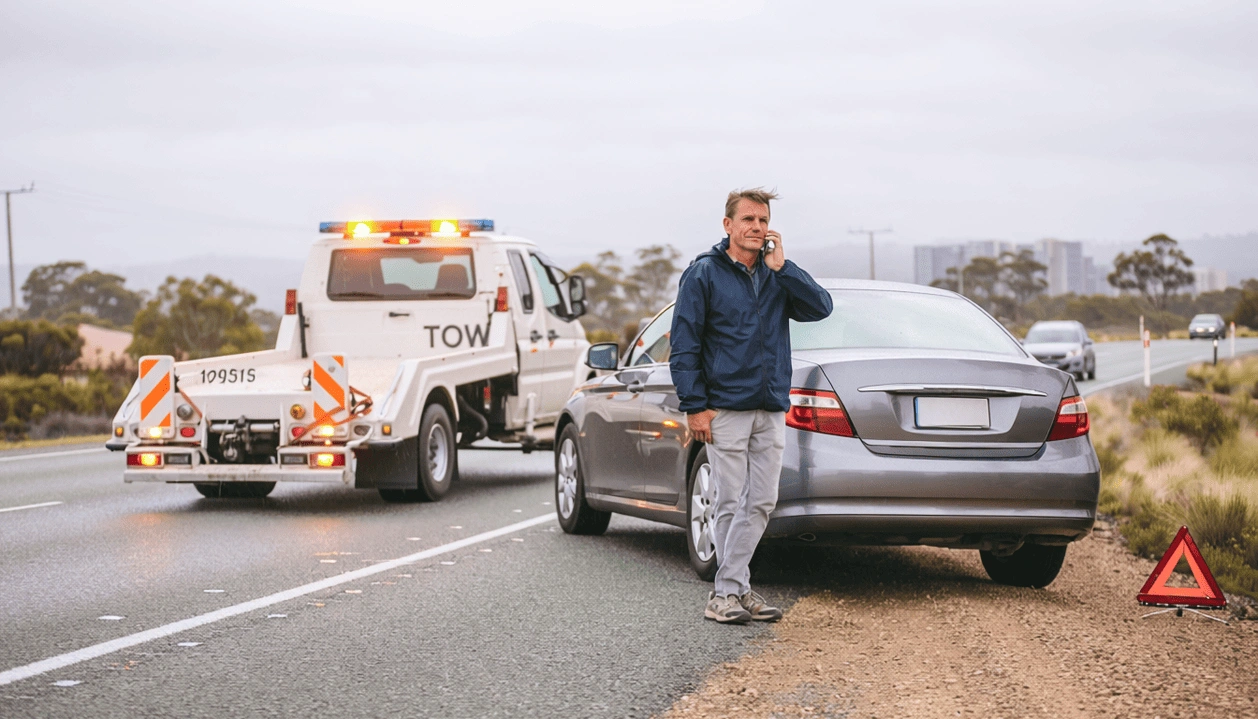
When you’re broken down on the freeway at night or involved in an accident blocking traffic, time is critical. You need immediate help, not a leisurely quote comparison process. Licensed operators can provide verbal estimates and must confirm pricing in writing as soon as practical. The urgency, after-hours timing, and safety risks justify higher rates.
Emergency towing in Perth for breakdown assistance on major highways operates under different circumstances than a scheduled job. Response times matter. Safety considerations increase costs. After-hours availability demands premium staffing.
Scheduled Towing Scenarios
If you’re moving a non-running project car from your garage to a workshop next week, you’ve got time to get detailed written quotes, compare options, and plan the logistics. Scheduled jobs typically cost less because they happen during business hours and allow the tower to plan efficient routes.
Both scenarios are legitimate. Trying to get emergency-level service at scheduled-job pricing isn’t realistic. It’s like expecting same-day courier rates on a standard postal delivery.
Red Flags When Requesting Towing Quotes
Some warning signs should make you pause before accepting a quote:
Refusal to Provide Written Estimates
If an operator won’t put their pricing in writing (or at least clearly confirm it verbally), walk away. Licensed operators understand this is a regulatory requirement. Refusal suggests they’re not actually licensed.
Missing Licence Number
Every licensed tow truck has a visible licence number. If an operator can’t or won’t provide this, they’re not legitimate. Ask for it when requesting your quote. A real operator will proudly provide it.
Pressure Tactics
“This price only available right now” or “pay cash for a discount” are classic unlicensed operator tactics. Legitimate towers don’t need to pressure you. They’re confident in their professionalism and pricing.
Suspiciously Cheap Quotes
If one quote is 40% cheaper than three others, question why. Either they’re using inadequate equipment, they’re unlicensed, or they’re planning to add “surprise” fees later. Professional towing requires proper equipment and qualified operators – that costs money.
Vague Fee Descriptions
“Recovery services” or “transport charges” without itemisation leave you exposed to arbitrary pricing. Legitimate quotes break down every component so you understand what you’re paying for.
Insurance Verification Evasion
If you ask about insurance coverage and get evasive answers, that’s a major red flag. Licensed operators carry comprehensive coverage and will readily confirm it.
How WA’s Licensing System Protects You
The Department of Transport’s licensing regime creates accountability that protects consumers in tangible ways.
Insurance Backing
Licensed operators must maintain minimum insurance coverage of $20 million public liability and comprehensive vehicle insurance. If something goes wrong during your tow, you’re protected. Unlicensed operators offer no such guarantee.
Complaints and Enforcement
The complaints and enforcement system means licensed towers face real consequences for violations. You can report issues to the Department of Transport, which has authority to investigate, fine, or revoke licences. Try getting that accountability from an unlicensed operator.
Compliance Verification
Regular compliance checks ensure licensed towers maintain their equipment, follow safety procedures, and honour quoted prices. The licensing isn’t a one-time rubber stamp – it requires ongoing compliance.
Driver Qualification Standards
The person operating the truck has demonstrated competency in vehicle recovery, safety procedures, and customer service. They’re not just someone with a truck and a winch. When you request a professional car towing services quote, you’re getting someone trained to handle your vehicle properly.
Special Considerations for Different Vehicle Types
Your vehicle type directly affects your quote, and understanding why helps you evaluate whether a quote is reasonable.
Standard Vehicles
Sedans, hatchbacks, and 2WD utes are straightforward to tow using either hook or tilt tray methods. These typically receive the base towing rate without surcharges.
4WD and AWD Vehicles
These must be transported on a flatbed to prevent drivetrain damage. Towing these on a hook destroys the transfer case and transmission – repairs that cost thousands. The tilt tray requirement increases the quote, but it’s not optional if you want to avoid mechanical destruction.
When requesting a quote for an AWD vehicle, expect to pay more for damage-free tilt tray transport. This isn’t price gouging – it’s the only safe method.
Prestige and Classic Cars
These require specialised handling, soft securing points, and experienced operators who understand the value and vulnerability of these vehicles. Your quote will reflect this specialisation in both equipment and pricing.
Heavy Machinery
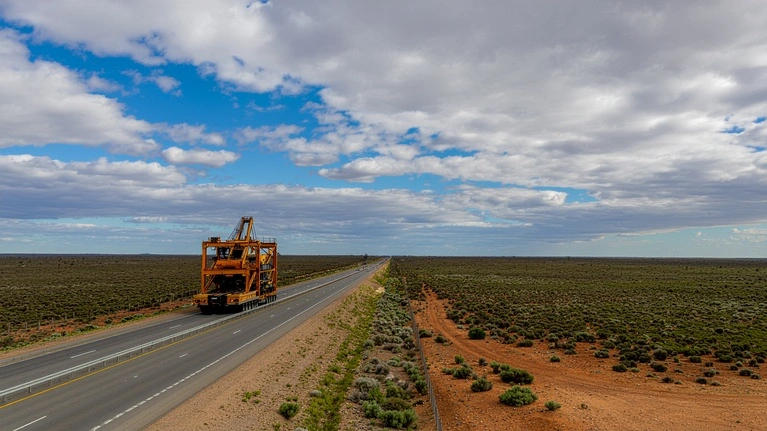
Bobcats, excavators, forklifts, and site equipment require specialised trucks, loading equipment, and sometimes permits for oversize loads. These quotes will be substantially higher than passenger vehicle towing, but the complexity justifies it.
Trucks and Commercial Vehicles
These need heavy-duty recovery equipment and operators experienced with air brake systems, dual rear axles, and commercial vehicle regulations. Standard passenger car towers can’t safely handle these jobs. Your quote should reflect the specialisation required.
If an operator quotes the same price for towing your AWD Subaru as they would for a 2WD Corolla, they either don’t understand the requirements or they’re planning to use inappropriate equipment. Neither scenario ends well for your vehicle.
What to Do If You’re Quoted Unexpected Fees
Sometimes you’ll receive a quote, approve the job, and then face additional charges you didn’t expect. Here’s how to handle it:
Request Immediate Itemisation
Before paying anything, ask for a written breakdown of every charge and why it wasn’t included in the original quote.
Distinguish Scope Changes From Hidden Fees
If the operator arrived and discovered your vehicle was stuck in sand requiring two hours of winching, that’s a legitimate scope change. If they’re adding “administration fees” that were never mentioned, that’s a hidden fee.
Check Original Quote Documentation
Did it include disclaimers about potential additional charges for unforeseen circumstances? Legitimate quotes often note that winching, difficult access, or hazardous material cleanup might incur extra costs if required.
Know Your Rights
Under WA consumer protection law, you’re entitled to clear pricing information before services are rendered. Surprise fees that weren’t disclosed upfront may be challengeable.
Document Everything
Take photos of your vehicle’s condition before and after. Keep all written communications. Note verbal conversations with times and names. If you believe you’ve been overcharged by a licensed operator, you can lodge a complaint with the Department of Transport.
The True Cost of Choosing Price Over Compliance
We’ve recovered vehicles damaged by unlicensed operators trying to save customers money. The irony is painful – saving $50 on a tow quote, then spending $3,000 on transmission repairs.
One customer called us after an unlicensed operator “towed” his AWD vehicle on a hook for 15 kilometres. The transfer case was destroyed. The unlicensed operator had no insurance, no licence, and disappeared when the damage was discovered. The vehicle owner’s insurance covered some repairs, but he still faced a $1,500 excess and lost his no-claim bonus.
Another customer accepted a suspiciously cheap quote for accident towing after a collision. The unlicensed operator damaged the vehicle further during recovery. The customer’s insurance company initially refused to cover the additional damage because an unlicensed operator was used. Legal disputes followed.
Compare that to the peace of mind that comes with a licensed operator’s quote. You know the price upfront, you’re protected by insurance, and you have regulatory recourse if something goes wrong. That’s worth the difference between a licensed quote and an unlicensed gamble.
How to Verify a Tower’s Licensing Status
Before accepting any quote, verify the operator’s licensing. It takes two minutes and could save you thousands.
Ask for the Licence Number
Every licensed tow truck operator in WA has a licence number issued by the Department of Transport. Ask for it when requesting your quote. A legitimate operator will provide it without hesitation.
Check the Department of Transport Register
The DoT maintains a public register of licensed tow truck operators. You can verify an operator’s status by contacting the department or checking their online resources. If an operator isn’t registered, they’re not licensed.
Look for Visible Licensing
Licensed tow trucks must display their licence number prominently on the vehicle. If the truck arrives without visible licensing, question it immediately.
Verify Insurance Coverage
Ask for proof of insurance that meets WA minimum requirements. Licensed operators will provide this without hesitation. If an operator can’t produce current insurance documentation, walk away.
Check Business Registration
Legitimate operators have proper business registrations, ABNs, and can provide tax invoices. If an operator wants cash only and can’t provide an invoice, that’s a red flag.
These verification steps protect you from the cowboys who undercut legitimate operators by avoiding licensing costs, insurance, and regulatory compliance. They’re offering cheap quotes because they’re cutting corners that protect you.
What Happens After You Accept a Quote
Once you’ve accepted a quote from a licensed operator, here’s what should happen:
Written Confirmation
You should receive written confirmation of the agreed price, services included, and any conditions or potential additional charges.
Scheduled Arrival Time
For non-emergency jobs, you’ll get a specific timeframe. For emergency calls, you’ll get an estimated arrival time based on current location and traffic.
Professional Service Delivery
The operator arrives with appropriate equipment, treats your vehicle with care, and completes the job according to the quoted specifications.
Clear Invoicing
You receive an itemised invoice matching the original quote, with any variations clearly explained and justified.
Payment Options
Licensed operators offer multiple payment methods (card, EFT, invoice for commercial clients) and provide proper tax documentation.
If any of these steps don’t happen as expected, you’re dealing with either an unprofessional or unlicensed operator. Don’t accept excuses – expect the service you were quoted for.
Why Our Quoting Process Reflects WA Regulatory Standards
When you request a towing quote Perth from All Out Towing, we’re not just giving you a number – we’re providing a compliant, transparent breakdown based on current WA regulations.
We ask detailed questions about your vehicle and situation because accurate quotes require accurate information. We explain why certain services (like tilt tray for AWD vehicles) are necessary rather than optional. We provide written confirmation of pricing before commencing work.
Our licensing, insurance, and compliance costs are built into our quotes because they’re built into our operations. We can’t legally operate without them, and you shouldn’t want us to.
We’ve been operating under WA’s regulatory framework for years, and we’ve seen the industry evolve toward greater consumer protection. These regulations benefit everyone – they protect customers from dodgy operators and protect legitimate businesses from being undercut by unlicensed cowboys.
When you get in touch for a quote, you’re not just getting a price – you’re getting accountability, expertise, and legal protection. That’s the difference between a licensed quote and a gamble.
Conclusion: Making an Informed Decision on Your Towing Quote
Requesting a towing quote under current WA regulations isn’t complicated, but it does require you to know what to look for and what questions to ask.
Verify licensing. Get written quotes. Understand what you’re paying for. Choose compliance over cheap prices. Document everything.
These simple steps protect you from damaged vehicles, hidden fees, and legal headaches. They ensure the operator who shows up is qualified, insured, and accountable to regulatory standards that exist specifically to protect you.
The cheapest quote isn’t always the best value. The fastest response isn’t always the safest option. The most important factor is working with a licensed operator who complies with WA regulations and treats your vehicle – and your situation – with the professionalism and care it deserves.
Whether you need roadside assistance for a flat battery, emergency recovery after an accident, or specialised transport for valuable equipment, start with a legitimate quote from All Out Towing. It’s not just smart – under WA law, it’s your right. Call 0418 959 216 for a transparent quote that reflects WA regulatory standards and puts your vehicle in the hands of licensed, insured professionals.