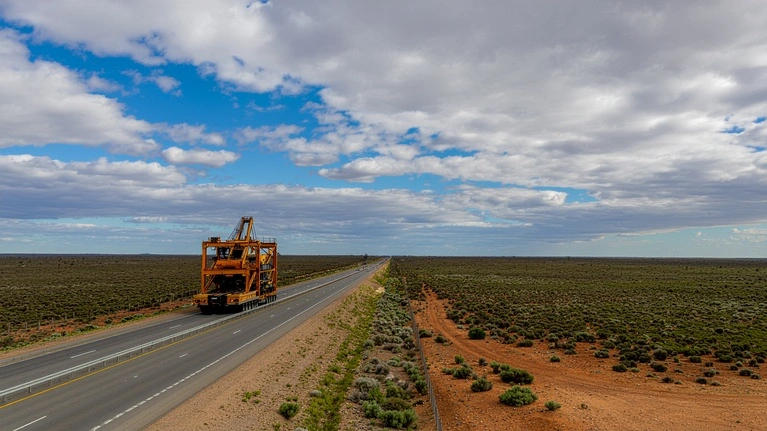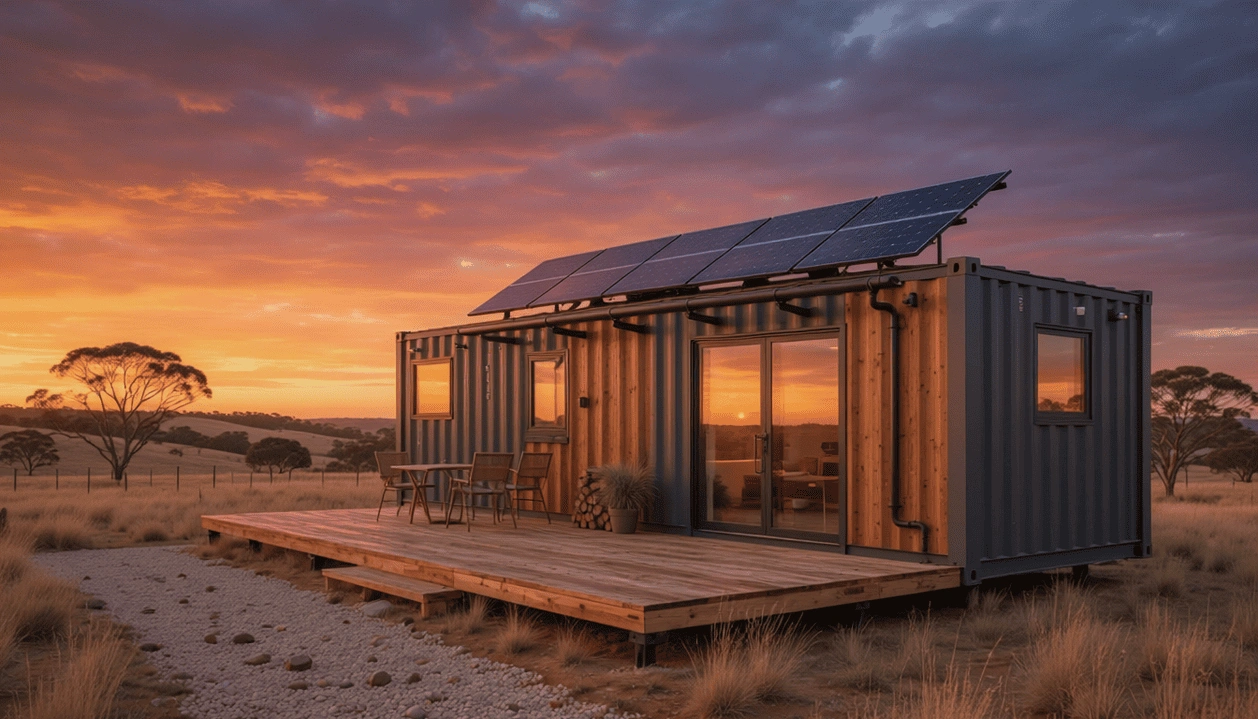
Western Australia’s remote landscapes have always drawn people seeking independence, space, and a quieter way of life. Shipping containers, once used only to move goods across oceans, are now being transformed into sturdy, affordable homes for off-grid living across WA’s vast interior. Thousands of property owners have embraced this innovative approach to independent living.
But getting a 20-foot steel box to a remote block isn’t as simple as hitching it to a ute. It requires specialised equipment, careful planning, and an understanding of WA’s unique terrain, access challenges, and regulatory environment. That’s where professional container transport services become absolutely essential.
A standard 20-foot container offers about 14 square metres of floor space. Stack or join two, and you’ve got a functional dwelling that’s weatherproof, secure, and flexible for expansion over time. The challenge isn’t conceptual, it’s logistical.
Why Shipping Containers Work for Off-Grid Living
Durability and Cost-Effective Building Solutions
Shipping containers are built to withstand ocean crossings, stacked six high, in salt air and extreme weather. That structural integrity makes them ideal for remote WA locations where traditional building materials are expensive to deliver and vulnerable to cyclones, bushfires, or termites.
The steel shell provides security. In areas where emergency services might be hours away, that peace of mind matters enormously. And because containers are designed to be moved, they’re technically classified as relocatable structures in some council areas, which can simplify (though not eliminate) planning approvals.
Containers are also versatile. You can start with one as a basic shelter, then add more as your budget and needs grow. Many off-grid residents begin with a simple container dwelling, then expand with additional modules for storage, workshops, or guest accommodation.
The Reality of Moving Containers to Remote WA Sites
Heavy Load Transport Challenges and Equipment Demands
Here’s where theory meets dirt roads, creek crossings, and council permits. Moving a shipping container off-grid isn’t a weekend DIY job. A 20-foot container weighs around 2.3 tonnes empty, closer to 3.5 tonnes once you’ve fitted it out with insulation, flooring, and fixtures for habitation.
That weight requires a tilt tray truck with enough clearance and power to handle rough terrain. Standard car carriers won’t cut it. You need a truck designed for heavy, awkward loads, with hydraulic systems that can tilt the tray to slide the container off safely, even on uneven ground.
But what’s the difference between a tilt tray and a regular tow? Think of it like this: a regular tow hook is like dragging a suitcase behind you on a leash, fine on smooth ground, disastrous on stairs. A tilt tray is like carrying that suitcase on your back, keeping it stable and controlled the entire way. For something as heavy and valuable as a fitted-out container home, that control is absolutely everything for safe transport.
Choosing the Right Container for Your Off-Grid Build
Container Types and Selection Criteria
Not all containers are created equal. You’ll typically choose between several options for your off-grid build. Standard dry containers are the most common and affordable, available in 10ft, 20ft, and 40ft sizes, and best for basic builds or storage.
High cube containers offer an extra foot of ceiling height (2.9m vs 2.4m). They’re worth the slight cost increase for livability in a space that will become your primary residence. Refrigerated containers (reefers) are already insulated, which saves work, but check the insulation type and condition before purchasing.
Inspect any used container carefully before purchase for rust and corrosion (especially around door seals and corner posts), floor condition (original plywood floors may be chemically treated), structural damage (dents are cosmetic; buckled corner posts are structural), and watertightness (check for daylight through gaps).
One-trip containers, those used only once to ship goods to Australia, are in excellent condition but cost significantly more than aged containers. Older containers are cheaper but may need repairs or surface prep before conversion begins.
Planning Your Off-Grid Container Move
Critical Questions and Advance Preparation
Before you contact a transport provider, you’ll need to answer several critical questions that will determine your options.
Where exactly is the container going? GPS coordinates aren’t enough. We need to know road conditions, gate widths, overhead clearances (power lines, tree branches), and ground stability at the drop-off point. A tilt tray truck is large, about 8 metres long with the tray extended. It needs room to manoeuvre safely.
What’s the access like? Sealed roads all the way? Gravel tracks? Sand? Steep inclines? Creek crossings? Each factor affects truck selection, timing (wet season vs dry), and cost substantially. If the final stretch requires a smaller truck or even a crane lift, that needs to be factored into planning.
Do you have the necessary permits? Moving a container on public roads may require an oversize load permit, depending on how it’s secured and whether it exceeds standard dimensions. If you’re crossing private property to reach your block, you’ll need landholder permission in writing. And if your route includes Main Roads WA-controlled highways, additional approvals apply.
What’s waiting at the other end? The container needs to sit on something, stumps, concrete piers, or a prepared slab. The ground must be level and stable enough to support the weight without sinking into sand or clay.
The Transport Process: What to Expect
Professional Moving and Placement Operations
Once you’ve locked in your container and sorted access, here’s how a professional off-grid container move typically unfolds from start to finish.
Pre-transport inspection: Our team inspects the container at its current location (often a depot or seller’s yard) to confirm dimensions, weight, and condition. We’ll verify tie-down points and ensure the container is empty and ready for transport carefully.
Route planning: We map the journey, noting any low bridges, narrow sections, or road restrictions. For remote moves, we’ll confirm fuel availability and identify turnaround points in case conditions change unexpectedly.
Loading: Using our tilt tray truck system, we hydraulically lower the truck bed to ground level, then winch or drive the container onto the tray secured properly. It’s secured with chains and tensioners rated well above the container’s weight. No shortcuts in safety.
Transport: Depending on distance and road conditions, this could take a few hours or a full day. For moves beyond the Perth metro area, we schedule based on daylight hours and weather forecasts, no one wants to navigate a sandy track in the dark or during a downpour.
Placement: At your site, we tilt the tray again and slide the container off onto your prepared foundation. If access is tight, we may need to position the truck precisely, sometimes within centimetres, to avoid obstacles safely.
Common Challenges (And How We Handle Them)
Difficult Terrain and Alternative Solutions
Soft or sandy ground: Tilt tray trucks are heavy. If your site has soft sand or clay, the truck may not be able to get close without bogging. In these cases, we’ll recommend placing the container as close as safely possible, then using heavy machinery equipment like a telehandler or crane to move it the final distance precisely.
Narrow gates or driveways: A 20-foot container is just over 6 metres long and 2.4 metres wide. Add the truck, and you need significant clearance. We’ve delivered containers through some tight spots, but if your gate is 3 metres wide and your driveway has a 90-degree bend, we’ll need to discuss alternatives, like removing a fence section temporarily or arranging professional recovery assistance if the container gets stuck.
Remote timing: For off-grid moves in WA’s interior, timing matters enormously. Wet season can make tracks impassable. Bushfire season may close roads. We’ll work with you to choose the safest, most reliable delivery window. If you need 24-hour support to meet urgent deadlines, we can coordinate around the clock.
Permits and compliance: If your move requires an oversize permit or escort vehicle, we handle that paperwork and coordination. You shouldn’t have to chase down regulations, that’s part of professional service.
What Off-Grid Container Transport Costs (And Why)
Pricing Structure and Value Analysis
A metro Perth container move, say, from a Kwinana depot to a suburban block, might cost $400-$600 total. An off-grid move to a remote WA property? Expect $1,500-$4,000+, depending on distance, access, and complexity significantly.
Why the difference? Distance is only part of it. Remote moves require specialised trucks with off-road capability and heavy-duty tilt trays, longer travel times (and fuel costs) on unsealed roads, permits and compliance for oversize loads, risk assessment and planning (we’re not just turning up and hoping), and potential delays (weather, road conditions, access issues).
It’s not a simple A-to-B job. It’s logistics, risk management, and problem-solving rolled into one comprehensive service. You’re paying for expertise, equipment, and the peace of mind that your container arrives safely, on time, and in the right spot for your off-grid build.
Preparing Your Site Before the Container Arrives
Foundation and Access Readiness
The best way to keep costs down and avoid delays? Have your site ready before the truck arrives. That means:
- A level, compacted foundation (stumps, piers, or slab) that can support 3+ tonnes weight
- Clear access with no overhanging branches, tight turns, or soft ground
- Accurate measurements of gates, driveways, and clearances for truck passage
- Permits sorted (if required by your local shire or region)
- Someone on-site to guide placement and confirm the final position
If you’re unsure about any of this, talk to us early. We’ve moved hundreds of containers across WA and can advise on what works (and what doesn’t) for your specific site and regional conditions.
Integrating Containers Into Your Off-Grid System
Insulation, Power, Water, and Waste Management
Once the container is in place, the real work begins. Off-grid living requires self-sufficiency in power, water, waste, and climate control. Containers can be adapted to all of this, but it takes planning and proper preparation.
Insulation: Steel containers are ovens in summer, freezers in winter. Spray foam insulation (50-100mm) is the gold standard, but it’s expensive. Cheaper options include rigid foam panels or even wool batts with vapour barriers. Don’t skip this, uninsulated containers are unlivable.
Ventilation: Containers are airtight, which means condensation and mould are real risks. Install vents, windows, or whirlybirds to keep air moving through the space properly.
Power: Solar is the obvious choice for off-grid WA. A typical 20-foot container home might need 3-5kW of panels plus battery storage. Factor in roof load limits, containers can handle it, but you’ll need proper mounting systems.
Water: Rainwater catchment is straightforward (the container roof is already there), but you’ll need gutters, tanks, and filtration. Budget for a 10,000+ litre tank if you’re relying solely on rain.
Waste: Composting toilets and greywater systems are common in off-grid setups. Check your local shire’s requirements, some allow it, others have strict regulations.
Legal and Planning Considerations for WA
Council Approval and Regulatory Compliance
Here’s the part no one likes talking about, but it’s critical: not all WA shires allow shipping container homes. Some classify them as outbuildings or temporary structures. Others require full building approval, which means engineering reports, energy efficiency compliance, and inspections.
Before you buy a container or book transport, check with your local council. Ask specifically:
- Can I use a shipping container as a dwelling?
- Do I need a building permit or development approval?
- Are there setback or height restrictions?
- What about water, waste, and power requirements?
Some shires are container-friendly, especially in remote areas where traditional builds are impractical. Others will fight you every step of the way through bureaucratic processes. Know the rules before you commit financially.
Why You Need Professional Transport (Not a Mate With a Truck)
Safety, Insurance, and Accountability Standards
We’ve seen the aftermath of DIY container moves gone wrong. Containers dropped off trucks. Driveways torn up by heavy vehicles. Containers placed crooked and impossible to level afterward. One bloke in the Wheatbelt tried to drag a 40-footer with a tractor, it ended with a snapped chain, a damaged container, and a very expensive crane rescue.
Using a professional service like our specialised towing solutions isn’t just about convenience. It’s about safety, insurance, and accountability. If something goes wrong during an amateur move, you’re on your own. If something goes wrong on our watch, we fix it.
Plus, we know WA. We’ve delivered containers to Kalgoorlie, Geraldton, Broome, and everywhere in between. We know which roads flood, which councils are strict, and which routes require permits. That knowledge saves you time, money, and stress.
Making Your Off-Grid Container Dream a Reality
Professional Support for Your Vision
Repurposing a shipping container for off-grid living in WA is absolutely achievable. Thousands of people are already doing it, living simply, sustainably, and independently in some of the most beautiful, remote parts of the state.
But it starts with getting that container to your block safely and legally. That’s where we come in. Whether you’re moving a single 20-footer to a bush block near Toodyay or transporting multiple containers to a remote Pilbara station, our team has the equipment, experience, and local knowledge to make it happen.
If you’re planning an off-grid container move, contact All Out Towing for a detailed quote. We’ll talk through your site, access, timing, and any challenges, then give you a clear price with no surprises. We’ve been doing this for over 15 years across WA, and we’ve learned that the best moves are the ones planned properly from the start.
Your off-grid life is waiting. Let’s get your container there safely and professionally. Contact us at 0418 959 216 for expert off-grid container transport across WA.