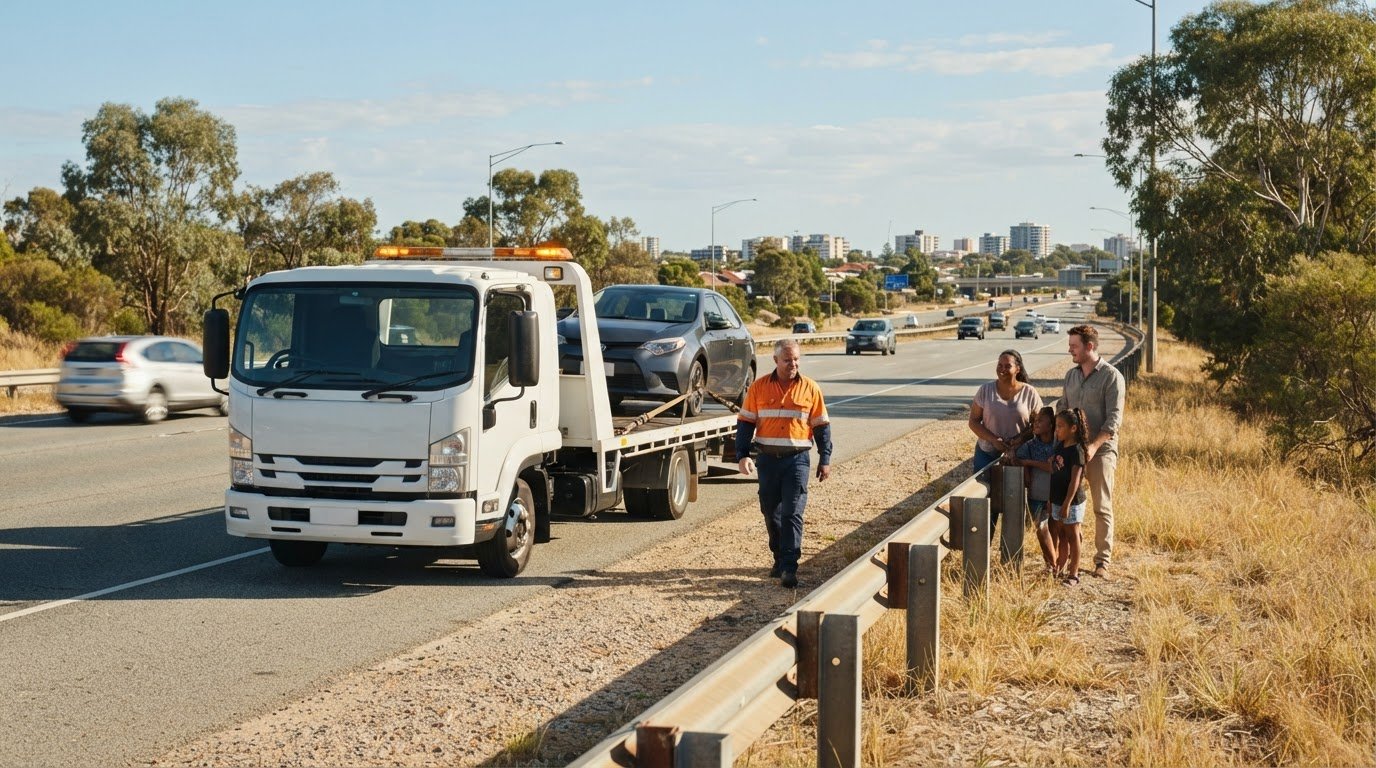
If you’re searching “need a tow truck now Perth”, you may be feeling anxious, especially if you’re stopped beside traffic or somewhere unfamiliar. The safest tow starts with getting yourself and any passengers to a safer place, if you can do so without risk.
Then give the towing operator clear details so they can assess what help you need. Your exact location, vehicle type and condition, and any access restrictions can help determine whether a tilt tray or another truck is suitable. Ask for an arrival estimate and confirm the charges and destination before the tow begins.
This guide covers what to do, from staying safe and explaining the problem to preparing for the truck’s arrival. Allout Towing is a family-owned Perth business with more than 30 years of towing industry experience, including car towing, accident recovery and tilt tray transport. Knowing what to share and confirm can make a stressful roadside situation easier to manage.
Key Takeaways
- If you need a tow truck now Perth, move away from traffic only when it’s safe and give the operator your exact location.
- Share your vehicle’s make, model, condition and any access restrictions so the operator can assess which truck may suit.
- A tilt tray lowers its deck to load a vehicle, but the operator can advise whether it suits your situation.
- Ask for an arrival estimate and confirm the fee and destination before the tow begins.
- Allout Towing provides 24-hour towing across Perth and Western Australia, including car towing, breakdown towing and tilt tray services.
Need a tow truck now in Perth? Get yourself safe first
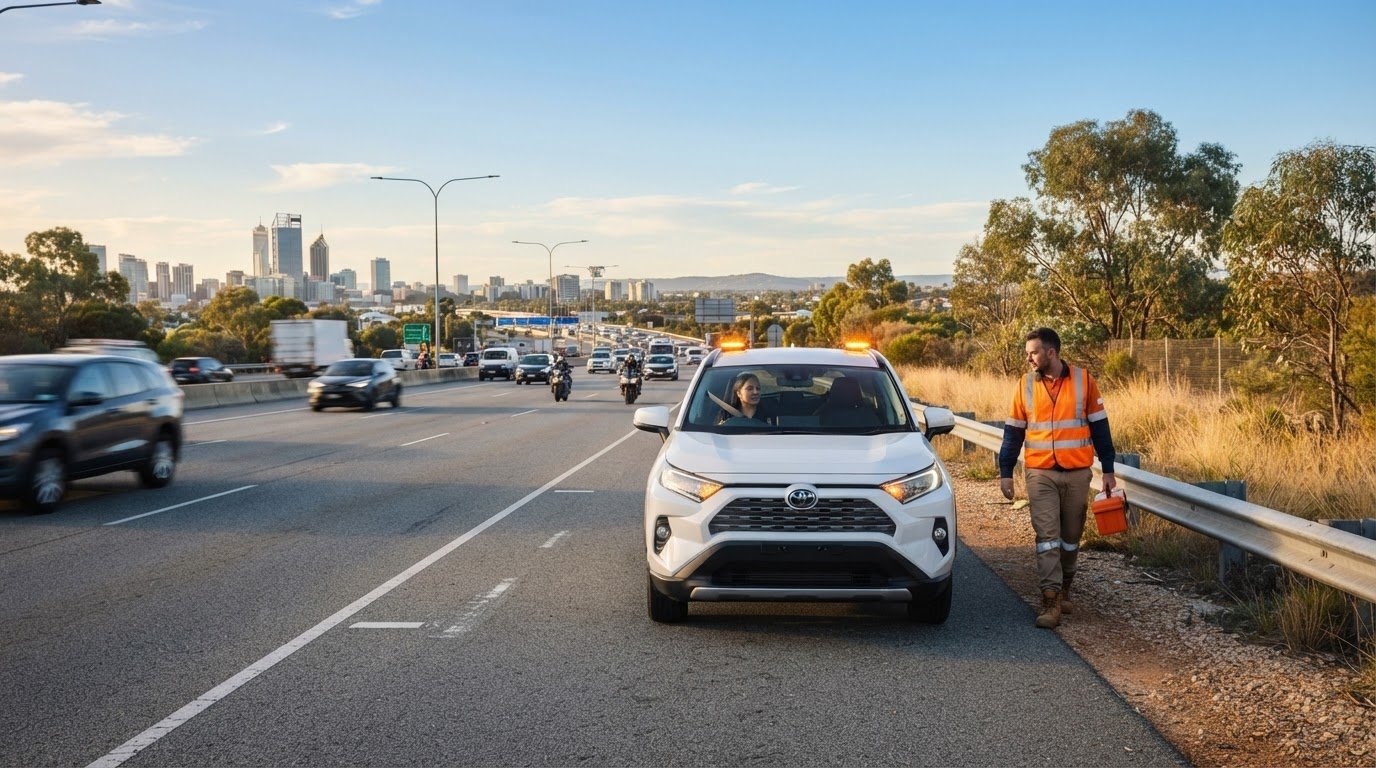
A breakdown or crash can leave you shaken, particularly when traffic is passing close by or you’re somewhere unfamiliar. If you’re searching “need a tow truck now Perth”, focus on immediate safety before arranging a tow. Move away from traffic only if you can do so safely. Follow any directions you’ve received from emergency services, then call for help from a safer position if possible.
If anyone is injured or in immediate danger, call Triple Zero (000) for emergency services. Don’t put yourself at risk trying to inspect or move a damaged vehicle.
What should you do while stopped beside the road?
Check on yourself and any passengers. If you can move away from traffic safely, do so. If getting out or moving would expose you to danger, stay in the safest available place and contact emergency services if needed. Follow instructions from emergency responders at the scene or speaking with you.
If the vehicle can be moved safely, tell the towing operator where it is and describe its condition. For example, explain whether it’s on the roadside, in a car park or partly blocking an entrance. Don’t attempt to drive it if you’re unsure it’s safe.
What details help a Perth tow truck find you?
Give the operator your suburb, street or road, direction of travel and a nearby recognisable landmark. A description such as “on the northbound side near the entrance to the shopping centre” can help distinguish your location from the opposite carriageway or another nearby access point.
Mention hazards or access limits, such as a narrow driveway, low-clearance underground parking, a steep entry or a vehicle that’s difficult to approach. These details help the operator assess the situation and consider suitable equipment. A tow truck may use different equipment depending on the vehicle and recovery needs, so clear information is useful from the outset.
Leave a callback number and stay reachable if it’s safe. If you need to change where you’re waiting, tell the operator so they can find you. Your priorities are to reach a safer place if you can, explain exactly where you are and describe any immediate hazards.
Requesting a tow truck in Perth: what to tell the operator
A clear description helps the operator assess which truck may suit your vehicle and where it has stopped. You don’t need to diagnose the fault. Stick to what you can see and safely know, and don’t inspect damage if doing so would put you near traffic or create another risk.
Which vehicle and access details should you share?
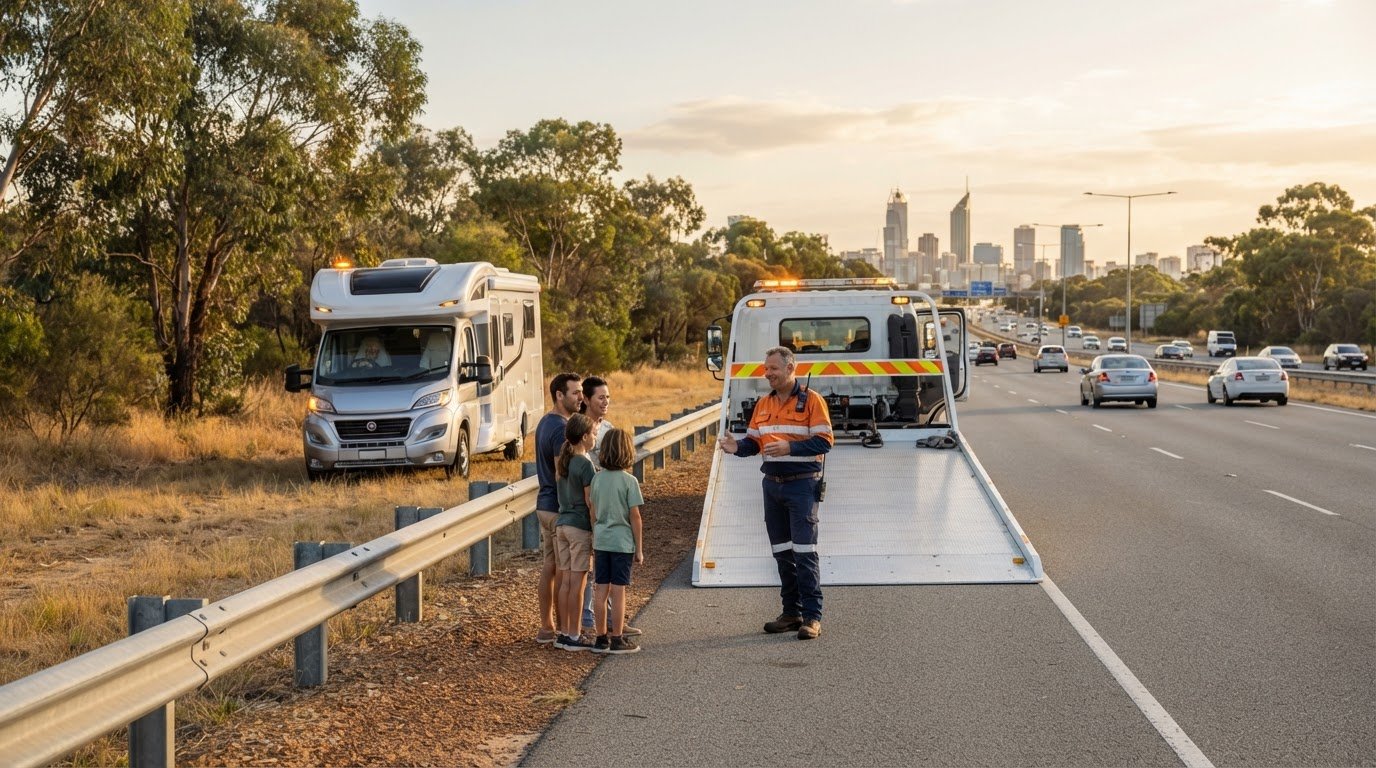
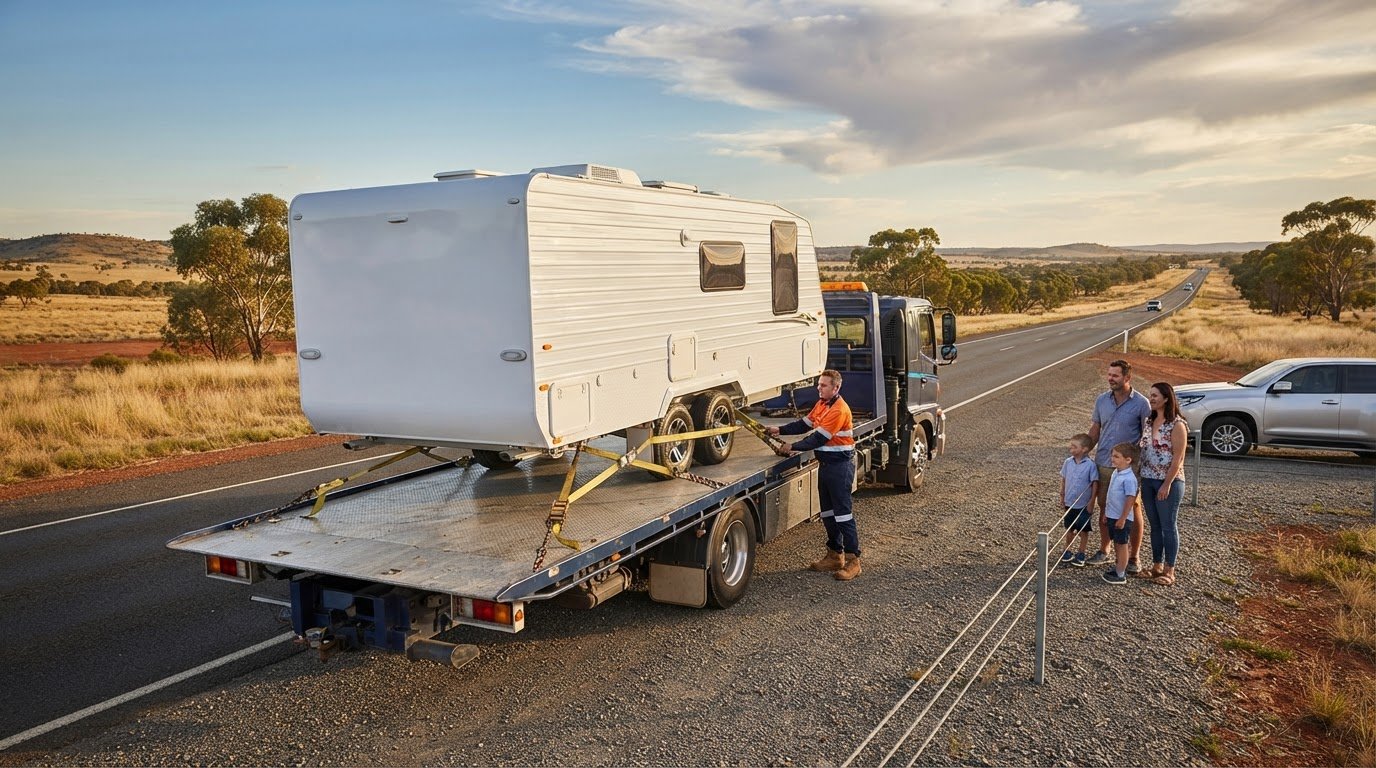
Start with the vehicle’s make, model and type, such as a car, van, truck, caravan or motorhome. Describe the problem in everyday terms: for example, it won’t start, a wheel appears damaged, or it was involved in a collision. If you already know, explain whether it rolls and steers. Mention visible damage or disabled wheels without approaching an unsafe area.
Tell the operator whether passengers are with you and if the vehicle is in a difficult spot. An underground car park, narrow driveway, low height limit, tight turning space or nearby road hazard could affect access or truck choice. Also mention any special handling needs, such as a prestige vehicle or one that can’t be moved normally.
What should you confirm before the truck is dispatched?
Ask what service the operator plans to arrange and whether the proposed truck suits your vehicle and its access conditions. Confirm your preferred destination, then ask for an estimate and check which fees apply and what they cover before the tow begins. For further consumer guidance, read the WA Government’s advice about your rights when dealing with tow truck operators.
Use this quick call checklist:
- Vehicle: make, model and type.
- Condition: what happened, visible damage, and whether it rolls or steers, if known.
- Access: height or space limits, hazards and any difficult entry points.
- People: whether passengers are with you and any special handling needs.
- Plan: your requested destination, the service being arranged and applicable fees.
“Accurate details help the operator choose a suitable truck and plan for access conditions before setting out.”
If you need a tow truck now Perth, have these details ready when you call. You can also check Allout Towing’s services to see whether they match the help you need.
Does your Perth breakdown need a tilt tray tow truck?
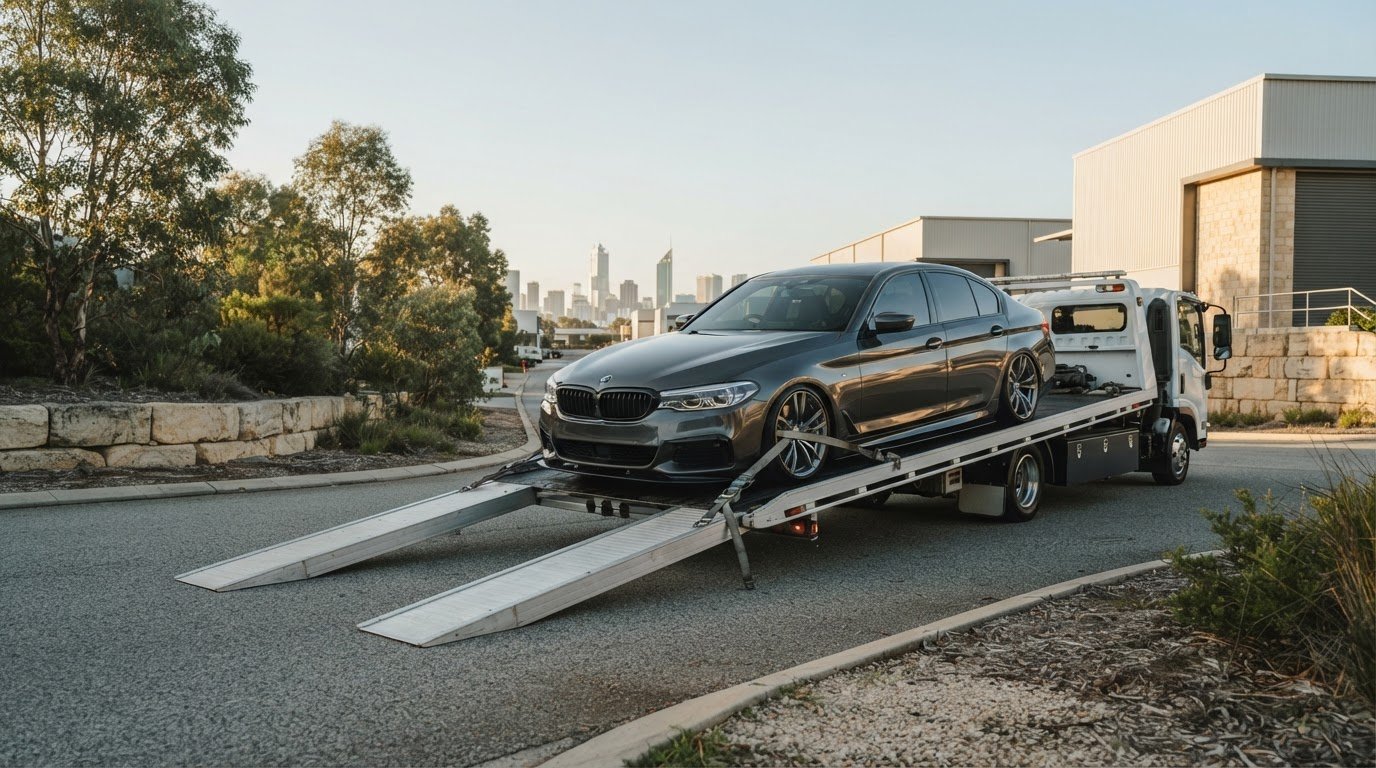
The right truck depends on the vehicle and where it has stopped. A tilt tray has a deck that angles down towards the ground, making it easier to load a vehicle onto the tray for transport. A conventional tow may suit a vehicle that can be moved and accessed safely, while a tilt tray may be appropriate if the vehicle can’t be driven or needs to be carried. The operator should assess the situation before choosing.
The vehicle’s condition, whether it rolls and steers, its position, clearance and the space available for loading all help determine which truck is suitable. If you need a tow truck now Perth, tell the operator about any prestige vehicle, accident damage, non-running condition or low clearance when you call. Don’t try to move or inspect a damaged vehicle if doing so could put you at risk.
When might a tilt tray be the right option?
A tilt tray may suit a vehicle that won’t start, has damaged wheels or can’t be driven safely. The operator needs to consider the vehicle’s condition and position, as well as whether there’s enough room to line up and load it. A tilt tray can support controlled loading, but no equipment or method should be treated as a guarantee against damage. Ask the operator to explain the proposed approach for your vehicle.
What if the vehicle is in a car park or tight access area?
Tell the operator about the entrance height limit and the space available to manoeuvre. Mention tight corners, narrow ramps, low ceilings or other obstructions, and share the clearance figure if you know it. Don’t guess. If you’re unsure, say so and describe where the restriction is.
Allout Towing lists two underground-access Ford Regular F350s with a stated height restriction of 2.2 metres. That figure alone doesn’t confirm that a particular truck can reach your vehicle or fit through the route. Before dispatch, ask the operator to confirm the specific truck’s availability and suitability for the access conditions.
Before the truck is sent, check that the operator understands the vehicle type, its condition and any clearance limits. The right match depends on more than the vehicle model. The loading space and access route matter too.
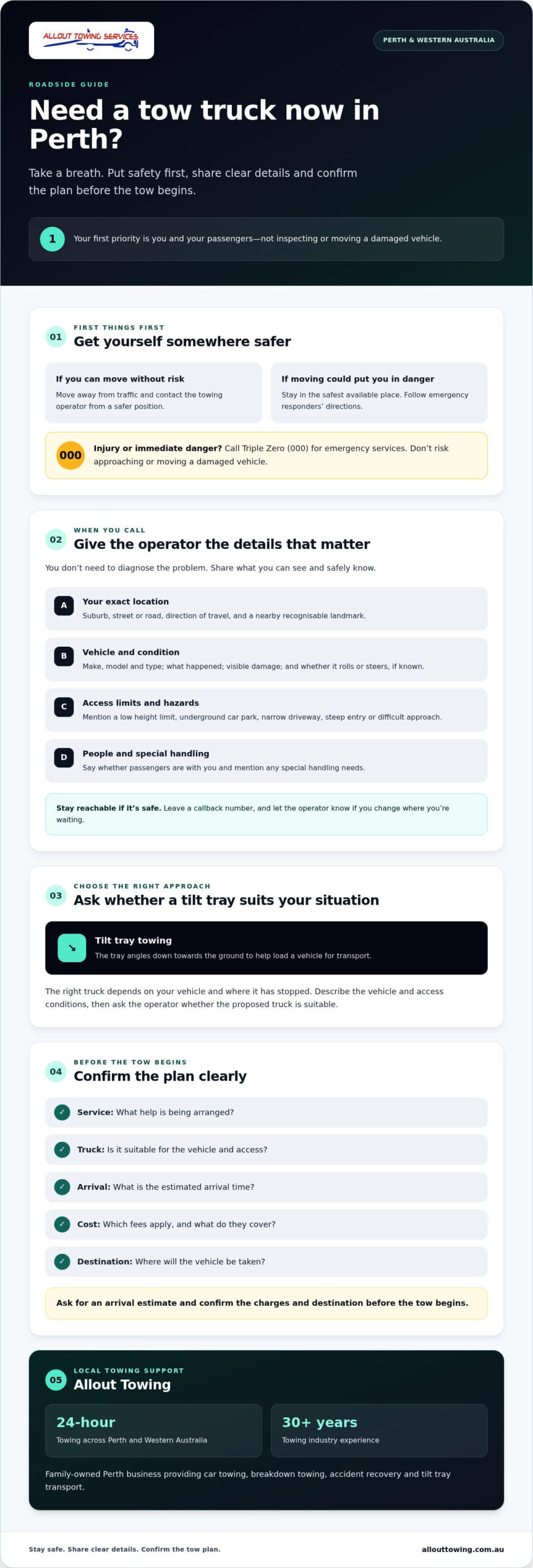
Waiting for a tow truck in Perth: timing, updates and fees
Waiting by the roadside can feel stressful, particularly if you’re unsure how long you’ll be there. Arrival depends on your location and current conditions, so ask the operator for an estimate based on where the truck is and what’s happening. Treat the estimate as a guide, not a guaranteed arrival time.
How can you get a useful arrival-time update?
Ask when the operator expects the truck to arrive and how they’ll contact you if that estimate changes. Keep your phone charged and nearby, and stay reachable if it’s safe. If you need to move to a safer waiting spot, or your location or circumstances change, call the operator with an update so the driver can find you.
If you’ve been waiting longer than expected, contact the operator for a revised estimate rather than relying on an earlier update. Give your location again if needed, especially if you’ve moved. Don’t wait beside traffic if you can safely reach a more secure place.
What should you ask about towing fees?
Before agreeing to the tow, ask which fees apply to your vehicle, location, destination and requested service. Request an estimate and check what it covers, including whether any circumstances could change the amount. If the plan changes, such as the destination or truck, ask about any fee changes before loading begins.
Make sure you understand the agreed destination and charges. If anything is unclear, ask the operator to explain it in plain language before the tow proceeds. Don’t assume a quoted amount includes everything.
While you wait, keep these details handy:
- Phone: keep it available and answer calls from the operator.
- Location: update the operator if you move or your position changes.
- Arrival: ask for a revised estimate if the timing changes.
- Fees and destination: confirm what applies before loading starts, and ask about changes to the plan.
If you need a tow truck now Perth, clear updates and confirmed charges can help you feel more prepared while you wait. Contact Allout Towing to arrange towing and ask about the arrival estimate and applicable fees for your situation.
Call Allout Towing for urgent help in Perth
A roadside breakdown can leave you rattled, but you don’t need every answer before calling. Share what you know about your location, vehicle and situation. The operator can use those details to assess which service and truck may be suitable, then explain what happens next. Allout Towing is a family-owned local business with more than 30 years of towing industry experience.
Allout Towing provides 24-hour towing across Perth and Western Australia, including car towing, breakdown towing, tilt tray towing and jump-starts. Arrival depends on your location and current conditions, so ask for an estimate when you call. If you need a tow truck now Perth, a clear description of the problem and access conditions can help the operator assess your request.
What happens when you contact Allout Towing?
The operator will use your details to understand what has happened and consider the appropriate towing service and equipment. Explain whether the vehicle can roll or steer, mention any accident damage, and flag tight access or height restrictions. If the vehicle is in an underground car park, share the entrance clearance if you know it. Clear details make it easier to discuss a suitable plan before dispatch.
Ask what service is being arranged, where the vehicle will be taken and which fees apply before the tow begins. You can also ask for an arrival estimate based on your location and current conditions. Treat the estimate as an estimate, not a guarantee.
What should you have ready before you call?
Keep these details handy, if it’s safe to do so:
- Your location: suburb, road or street, direction of travel and a nearby landmark.
- Your vehicle: type, make and model, plus a plain-language description of its condition.
- Access details: height limits, narrow entrances, restricted manoeuvring space or roadside hazards.
- Your plan: destination, any special handling needs and a safe callback number.
For related guidance, look for Allout Towing’s 24-hour towing Perth guide and car jump-start service Perth guide. If you need urgent towing help, call 0418 959 216 or enquire online with your location and vehicle details ready.
Take the next step towards a safer tow
If you’re searching “need a tow truck now Perth”, first focus on reaching a safe place if you can. Then give the operator your location, vehicle condition, access limits and preferred destination. Ask which truck and service may be suitable, when the driver may arrive, and what fees apply before loading begins.
Allout Towing provides 24-hour towing across Perth and Western Australia, backed by more than 30 years of towing industry experience. Its listed fleet includes two seven-metre tilt slide trucks rated to 4.5 tonnes each, plus a heavy tilt slide truck with a ten-metre tray rated to 10 tonnes. The operator can confirm which truck is suitable for your vehicle and access conditions.
For help, call 0418 959 216 or enquire online with Allout Towing. Share what you know and ask any questions you need to. Call now to discuss the towing help you need.
Frequently Asked Questions
Who should I call if I need a tow truck now in Perth?
Call a towing operator that can assess your vehicle, location and access needs. Allout Towing provides 24-hour car and truck towing across Perth and Western Australia. Call 0418 959 216 and explain what has happened, where you are and where you’d like the vehicle taken. If you need a tow truck now Perth, clear details can help the operator assess the service and truck required.
How quickly can a tow truck reach me in Perth?
Arrival time depends on your location and current conditions, so ask the operator for an estimate when you call. Keep your phone available in case the driver or operator needs to contact you, and request an update if the estimate changes. Don’t rely on a specific arrival time unless the towing company confirms it for your situation. If your location or safety changes, let the operator know as soon as you can.
What information should I give a tow truck operator?
Share your exact location, including the suburb, road, direction of travel and a nearby landmark. Give the vehicle’s make, model and type, then describe the problem in plain language. If you know, explain whether it rolls or steers. Mention accident damage, passengers, hazards, low clearance or restricted access, and provide a callback number. You don’t need to inspect the vehicle if doing so would put you at risk.
Do I need a tilt tray tow truck for a broken-down car?
Not always. A tilt tray lowers its deck so a vehicle can be loaded onto it, which may suit a car that can’t be driven or has damage that affects moving it. Another type of tow may suit a vehicle that can be moved and accessed safely. Tell the operator about the car’s condition and position, then ask them to assess which truck is appropriate.
How much does emergency towing in Perth cost?
The cost depends on the vehicle, location, destination and service required. Ask the operator which fees apply and request an estimate before agreeing to proceed. Check what the estimate covers, and ask whether the amount could change if the destination, access conditions or towing plan changes. Confirm any changes before loading begins. Don’t assume a quoted amount includes every part of the job unless the operator explains it.
Can a tow truck collect my vehicle from an underground car park?
It may be possible, but the operator needs to check the vehicle, entrance clearance and available manoeuvring space first. Allout Towing lists underground-access Ford Regular F350s with a stated height restriction of 2.2 metres. Tell the operator the car park’s height limit and any tight ramps or turns, then confirm that a suitable truck is available and can reach your vehicle.
What should I do while waiting for a tow truck after an accident?
Prioritise your safety and follow any directions from emergency services. Move away from traffic only if you can do so safely. If anyone is injured or in immediate danger, call Triple Zero (000). Don’t inspect or move a damaged vehicle if it would put you at risk. Keep your phone handy, stay reachable if safe, and update the operator if your location or circumstances change.