Getting a large standby generator to a rural property outside Perth isn’t as simple as hitching it to a ute and hoping for the best. These units can weigh anywhere from 500kg for a small residential backup system to over 5,000kg for a commercial diesel generator. They’re awkward, heavy, and expensive. One wrong move during transport can damage the unit, void warranties, or create a dangerous situation on the road.
We’ve moved hundreds of generators across the Perth metro area and out to semi-rural zones like Bullsbrook, Gidgegannup, Serpentine, and Chittering. The job demands specialised equipment, proper weight distribution, and an understanding of both the machinery and the terrain.
This is where All Out Towing steps in, not with a generic towing service, but with the right tools and experience to get your generator transport in Perth and semi-rural areas done safely and efficiently. Whether it’s a small residential backup system or a 10-tonne industrial unit, we’ve got the expertise to deliver.
Why Generators Need Professional Transport
More Than Just Weight
Most people underestimate the complexity of moving a generator. It’s not just about the weight. Generators are precision machines with internal components that can be damaged by excessive vibration, tilting, or improper securing. Many units have fuel tanks that must be drained or stabilised before transport. Others have control panels, exhaust systems, and electrical connections that can’t tolerate rough handling.
Then there’s the size. A 20kVA diesel generator can be the size of a small car. Trying to load that onto a trailer without the right equipment is a recipe for crushed fingers, damaged driveways, or worse. We’ve been called out more than once to recover generators that tipped off DIY trailers because the load wasn’t balanced properly.
Semi-Rural Access Challenges
Semi-rural properties often mean long driveways, soft ground, and limited turning space. You can’t just reverse a flatbed truck up to the front door. Planning the access route, understanding soil conditions after rain, and knowing when to use a smaller vehicle for the final leg, that’s all part of professional generator transport in Perth’s semi-rural areas.
What Makes Semi-Rural Generator Delivery Different
Access and Ground Conditions
Many semi-rural blocks have gravel driveways, sandy soil, or clay that turns into a bog after winter rain. A loaded tilt tray can weigh over 10 tonnes when carrying a large generator. If the ground can’t support that weight, you’re stuck. We assess the access route before we commit to a delivery method for your semi-rural property.
Sometimes that means using a smaller tilt tray or offloading the generator at the property entrance and using a forklift or telehandler for the final placement. It’s not about forcing the truck in, it’s about getting the generator to its destination without tearing up your driveway or getting bogged.
Distance and Timing Considerations
Semi-rural properties can be 30 to 60 kilometres from Perth’s centre. That’s not just a longer drive, it’s more time on the road, more fuel, and more planning around traffic and road works. We factor in the route, road widths, and any low-hanging trees or power lines that could interfere with the load.
Timing matters too. Delivering a generator during peak hour on Toodyay Road or Great Northern Highway can add an hour to the job. We schedule deliveries to avoid congestion and ensure we’re not rushing a delicate load to your semi-rural location.
Site Placement and Final Positioning
Once we’re on-site, the generator needs to go exactly where it’s meant to be installed, usually on a concrete pad or compacted gravel base. That might be behind the house, next to a shed, or tucked into a corner of the property. Our tilt tray services allow us to position the generator with precision. The tray lowers to the ground, and we can winch the unit off directly onto its mounting location. No cranes, no forklifts, no drama.
How We Move Generators Safely
Pre-Transport Assessment
Before we touch the generator, we need to know what we’re dealing with. We ask for the make, model, approximate weight, and dimensions. We also need to know if the fuel tank is full, if the unit is still connected to anything, and whether it’s on a skid, pallet, or bare feet. This information is critical for safe generator transport.
If the generator is being picked up from a supplier, they’ll usually have it ready on a pallet. If we’re collecting it from a worksite or removing an old unit, we’ll need to disconnect it safely first. That’s where our specialised towing solutions come in, we’ve moved everything from portable construction generators to permanent standby systems across Perth and semi-rural areas.
Securing the Load Properly
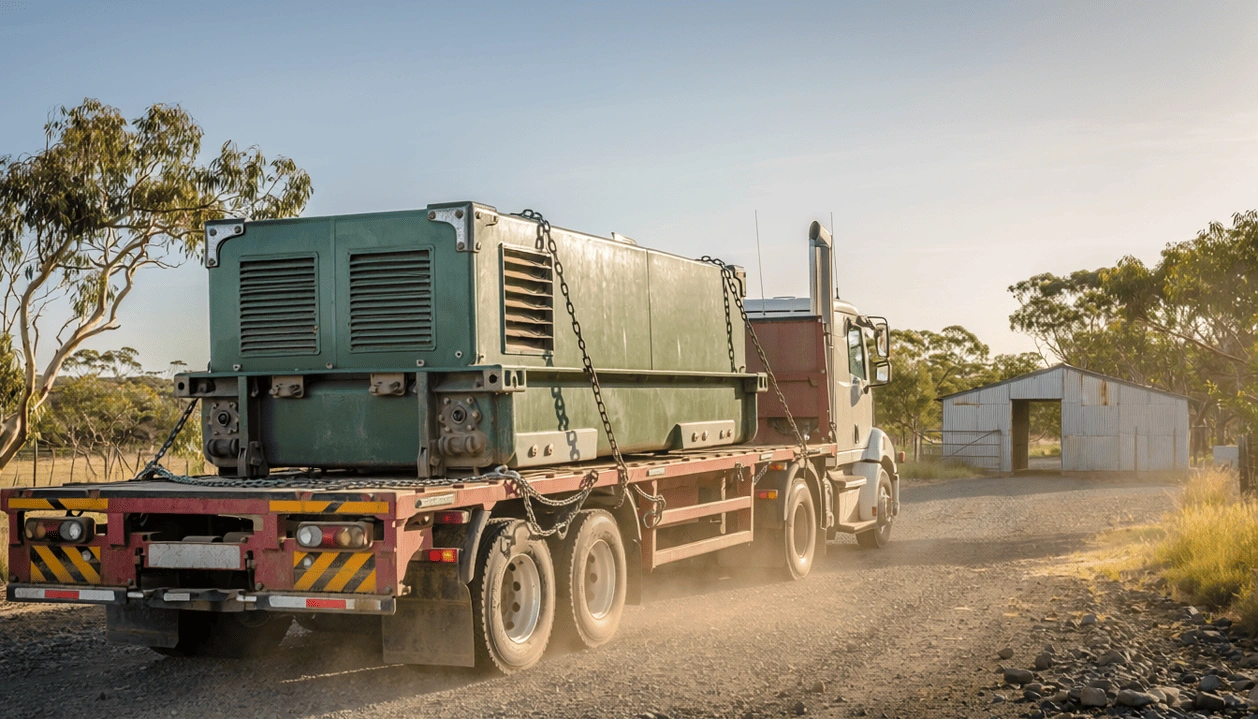
A generator that shifts during transport can damage itself and create a road hazard. We use heavy-duty ratchet straps, rated chains, and wheel chocks to lock the unit in place. For skid-mounted generators, we secure the skid directly to the tray. For generators on wheels, we chock all four corners and strap down the frame.
The goal is zero movement, even over rough roads or sudden stops. This is fundamental to safe generator transport to semi-rural properties where roads can be unsealed or poorly maintained.
Route Planning for Semi-Rural Delivery
We don’t just punch the address into Google Maps and go. We plan the route based on road width, weight limits, and any known obstacles. Some semi-rural roads have tight corners, narrow bridges, or seasonal flooding. We’ve driven these routes before, and we know where the trouble spots are.
If there’s a concern about access, we’ll do a site visit first. It’s better to spend an hour scouting the property than to get stuck halfway up a muddy driveway with a 3-tonne generator on the back.
Offloading and Final Placement
Once we’re on-site, the tilt tray lowers to the ground. If the generator is on a skid, we can winch it straight onto the concrete pad. If it’s on wheels, we can roll it off and position it manually. For generators that need to go into tight spaces, we can use our winch and guide ropes to manoeuvre the unit into place.
We’ve positioned generators in sheds, behind retaining walls, and next to water tanks, anywhere there’s a clear path and solid ground on your semi-rural property.
Common Generator Transport Scenarios We Handle
New Generator Delivery to Rural Property
This is the most straightforward job. A customer has purchased a new standby generator from a supplier in Welshpool or Malaga, and it needs to go to their property in Toodyay or Mundaring. The generator is on a pallet, fully assembled, and ready to install.
We collect the unit from the supplier, secure it on the tilt tray, and deliver it to the property. If the customer has a concrete pad ready, we can place the generator directly on it. If not, we’ll offload it nearby, and the installer can move it into final position later.
Removing and Relocating an Existing Generator
Sometimes a generator needs to be moved from one property to another. Maybe the owner is relocating, or the generator is being sold to a new buyer. This requires disconnecting the unit first, fuel lines, electrical connections, exhaust systems.
We coordinate with the customer’s electrician or mechanic to ensure the generator is safe to move. Once it’s disconnected, we load it onto the tilt tray and transport it to the new location. We’ve done this for both residential and commercial clients, including farms, vineyards, and remote worksites across semi-rural Perth.
Emergency Generator Deployment
After a major storm or bushfire, power can be out for days. We’ve been called to deliver temporary generators to rural properties that have lost grid power and need backup for essential systems, water pumps, refrigeration, medical equipment. These jobs are time-sensitive, and we treat them urgently.
Our 24-hour emergency towing team is available for urgent generator transport, even on weekends and public holidays. We prioritise emergency work and can often mobilise within the hour for semi-rural properties needing power restoration.
Faulty Generator Removal for Repair
When a generator breaks down and can’t be fixed on-site, it needs to go to a workshop. We collect the faulty unit, transport it to the repair facility, and return it once it’s been serviced. This is common for large diesel generators that require specialist attention at facilities beyond semi-rural areas.
We handle the logistics so the customer doesn’t have to. We’ll coordinate with the workshop, arrange pickup and delivery times, and ensure the generator is secured properly for transport.
Why Tilt Tray Transport is the Best Option for Generators
Precision Loading Without Risk
You could technically move a generator on a trailer, but it’s not the safest or most efficient method. A tilt tray lowers completely to the ground. That means we can winch the generator on without lifting it, reducing the risk of damage or injury. It’s like rolling a heavy object up a ramp instead of trying to hoist it into the air.
Once the generator is on the tray, it’s secured at ground level. There’s no need for a crane, forklift, or manual lifting. The tray tilts back to horizontal, and we’re ready to go. It’s fast, safe, and eliminates the need for additional equipment on site or during transport to semi-rural locations.
No Risk of Tipping or Rolling
When we arrive at the delivery site, the process reverses. The tray lowers, and the generator slides off onto its final position. No heavy lifting, no risk of tipping, no damage to the unit or the property. Think of it like this: using a standard trailer to move a generator is like trying to slide a fridge up a steep staircase. You might get it done, but it’s going to be risky and exhausting. A tilt tray is the ground-floor loading dock, simple, safe, and designed for the job.
What to Prepare Before We Arrive
Clear Access to the Generator
If the generator is in a shed, garage, or behind other equipment, we need a clear path to get the tilt tray close. If access is tight, let us know in advance so we can plan accordingly and bring the right size vehicle for your semi-rural property.
Fuel Tank Status and Equipment Details
If the generator has a fuel tank, let us know if it’s full, half-full, or empty. Some generators can be transported with fuel, others need to be drained first. We’ll advise based on the unit and the distance to your semi-rural location. If you have the spec sheet or manual, send it through. We need to know the exact size and weight to ensure we bring the right truck and equipment.
Delivery Site Information
Let us know if there are any obstacles, narrow gates, soft ground, overhead wires, steep driveways. The more we know in advance, the better we can plan for safe generator transport to your semi-rural property. If you’re not sure about any of this, just contact us and we’ll walk you through it. We’d rather spend five minutes on the phone clarifying details than show up unprepared.
What Happens if Access is Restricted
Adapting to Challenging Terrain
Not every property has wide, paved driveways. Some semi-rural blocks have narrow gates, steep slopes, or soft ground that can’t support a loaded tilt tray. When that’s the case, we adapt. If the tilt tray can’t get all the way to the delivery point, we’ll offload the generator at the nearest accessible spot.
From there, the customer can arrange a forklift, telehandler, or small crane to move it the final distance. We’ve also worked with customers who have their own machinery, tractors, skid steers, forklifts. In those cases, we’ll offload the generator onto a pallet or skid, and the customer can position it themselves. We’re flexible and happy to work with whatever equipment is available on your property.
Remote and Off-Road Access
In extreme cases, think steep, rocky driveways or properties only accessible by dirt track, we’ll bring in our heavy machinery towing equipment. We’ve moved generators to remote farms, bushland properties, and off-grid sites that most transport companies won’t touch.
Handling Generators Over 5 Tonnes
Large Commercial Units Require Specialised Equipment
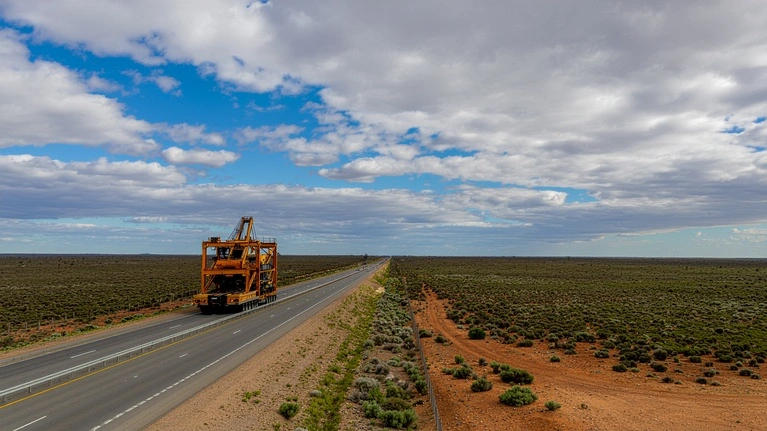
Large commercial generators, the kind used for industrial sites, data centres, or large rural properties, can weigh over 5,000kg. These units require specialised handling and, in some cases, permits for road transport. We have the equipment and licensing to move oversized and overweight loads.
Our heavy-duty tilt trays can handle generators up to 10 tonnes, and we’ll arrange any necessary permits or pilot vehicles if required. These jobs take more planning. We’ll coordinate with the supplier, the customer, and any third parties (electricians, crane operators) to ensure the delivery goes smoothly. We’ve moved generators for mining operations, agricultural facilities, and remote telecommunications sites, jobs where failure isn’t an option.
Compliance and Permitting
For oversized generators or those requiring overweight permits, we handle all Main Roads WA applications. We ensure your generator transport meets all WA regulations before the truck ever leaves the depot. This professional approach means your delivery stays on schedule.
Why Experience Matters for Generator Transport
Understanding Both Equipment and Terrain
Moving a generator isn’t like towing a car. It’s a specialised job that requires knowledge of the equipment, the terrain, and the risks involved. We’ve been doing this for over 15 years. We’ve moved generators in every condition, rain, heat, night, day. We’ve delivered to properties with no street address, dirt tracks that disappear after rain, and sites where the nearest sealed road is 10 kilometres away.
That experience means we can anticipate problems before they happen. We know when to check ground conditions, when to bring extra straps, when to call ahead and confirm access. We don’t learn on the job at your expense, we’ve already done the hard yards moving generators across semi-rural Perth and regional WA.
Emergency Generator Deployment After Power Outages
Rapid Response to Urgent Situations
After bushfires, storms, or equipment failures, rural properties can be without power for days. Medical equipment, water pumps, refrigeration for livestock, these are critical systems that can’t wait. Our 24-hour emergency towing service includes emergency generator delivery to semi-rural properties needing urgent power restoration.
We prioritise these calls because we understand what’s at stake. A day without power on a rural property costs real money and can create genuine hardship.
Getting Started with Generator Transport
Booking Your Generator Delivery
Moving an oversized generator to a semi-rural property isn’t a job for amateurs. It requires the right equipment, proper planning, and a team that understands both the machinery and the terrain. From pre-transport assessments to final placement, every step matters.
Whether you’re installing a new standby system, relocating an existing generator, or responding to an emergency power outage, we’ve got the tools and experience to get the job done safely. Our tilt tray services are designed for heavy, awkward loads, and our team knows Perth’s semi-rural areas inside out.
If you’ve got a generator that needs moving, don’t risk it with makeshift solutions. Contact us for a quote and let’s talk through the details. We’ll make sure your generator arrives exactly where it needs to be, in perfect condition, ready to keep the lights on at your semi-rural property.
Ready to book professional generator transport? Call All Out Towing at 0418 959 216 for safe, experienced, and available 24/7 generator delivery to semi-rural Perth properties.