When your car breaks down on the Mitchell Freeway at 11pm, or your excavator needs transport from Balcatta to Joondalup, you’re trusting someone with thousands – sometimes hundreds of thousands – of dollars worth of equipment. That trust isn’t just about technical skill. It’s about protection.
Towing insurance in WA operates under strict regulatory frameworks that mandate specific coverage. Understanding what’s actually covered, what happens if something goes wrong, and how to verify that your operator is properly protected can feel overwhelming when you’re already stressed about a breakdown.
This guide explains towing liability coverage and insurance protection in plain terms. We cover mandatory requirements, what activates when your vehicle is loaded, what exclusions apply, and exactly what questions to ask before booking any towing service in Western Australia.
Why Towing Insurance in WA Matters More Than You Think
The Inherent Risks of Towing Operations
Every towing operation carries inherent risk. A winch cable under significant tension. A prestige vehicle worth $200,000 being loaded onto a tilt tray. A truck breakdown blocking peak-hour traffic on Great Eastern Highway. Without proper towing liability coverage, one mistake could financially devastate both the operator and the customer.
That’s why WA regulations don’t just recommend insurance – they require it for all licensed commercial operators. However, not all insurance policies are created equal. The difference between basic coverage and comprehensive towing liability coverage can mean the gap between a resolved claim and years of legal dispute.
The Gap Between Minimum and Comprehensive Coverage
Minimum statutory compliance means an operator has what the law requires. Comprehensive towing insurance in WA means an operator has what genuine protection requires. Customers who don’t understand the difference often assume they’re fully protected – and discover otherwise only when something goes wrong.
Checking towing liability coverage before you need it is a straightforward process. Professional operators provide documentation on request. Those who hesitate or refuse are demonstrating exactly why that hesitation is a problem.
Mandatory Insurance Requirements for WA Towing Operators
What the Law Requires
Under the Transport Co-ordination Act 1966 and associated WA regulations, commercial towing operators must maintain several types of insurance coverage as a condition of their operating licence. These aren’t optional extras.
Public liability insurance forms the foundation of towing liability coverage. This covers damage to third-party property or injury to third parties during towing operations. Most professional operators in Perth carry between $10 million and $20 million in public liability coverage.
If a tow truck operator accidentally damages a fence while recovering a vehicle from a narrow driveway, towing public liability insurance covers that damage. It protects bystanders, neighbouring property owners, and any third parties affected by the towing operation.
Professional indemnity insurance covers errors and omissions in service delivery. This becomes relevant when advice or service delivery falls below professional standards and causes financial loss.
Workers compensation insurance is mandatory for any business with employees. Given the physical demands and genuine risks involved in towing operations, this coverage protects operators’ staff from injuries sustained on the job.
What Gets Covered During Your Tow
When you book damage-free tilt tray transport or any professional towing service, several layers of towing insurance in WA activate the moment your vehicle is secured on the truck.
Transit insurance specifically covers your vehicle while it’s being transported. This is separate from the operator’s general liability coverage and applies directly to damage that occurs during the actual towing process. For standard safe vehicle towing in Perth, transit insurance typically covers the vehicle’s full market value.
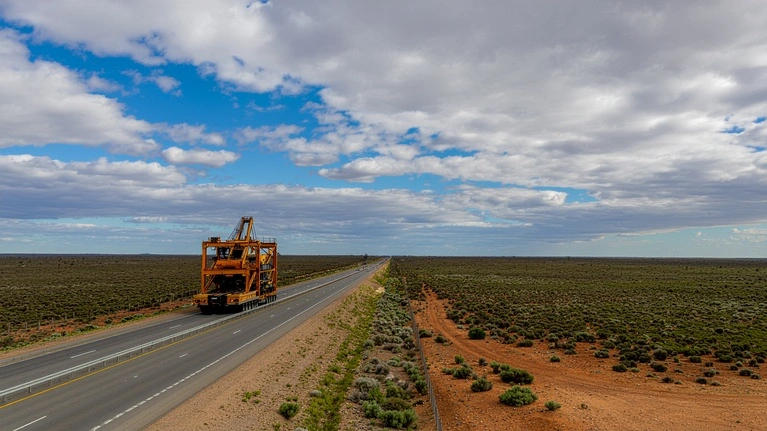
Load insurance becomes critical for heavy machinery towing operations. When transporting a $300,000 excavator or moving shipping containers with valuable contents, standard transit coverage limits may be insufficient. Commercial load insurance with appropriate limits is required for these jobs.
The key distinction to understand: transit insurance covers damage during transport, while towing public liability covers damage to property or persons outside the vehicle being towed.
Pre-Existing Damage and Documentation
Why Documentation Protects Everyone
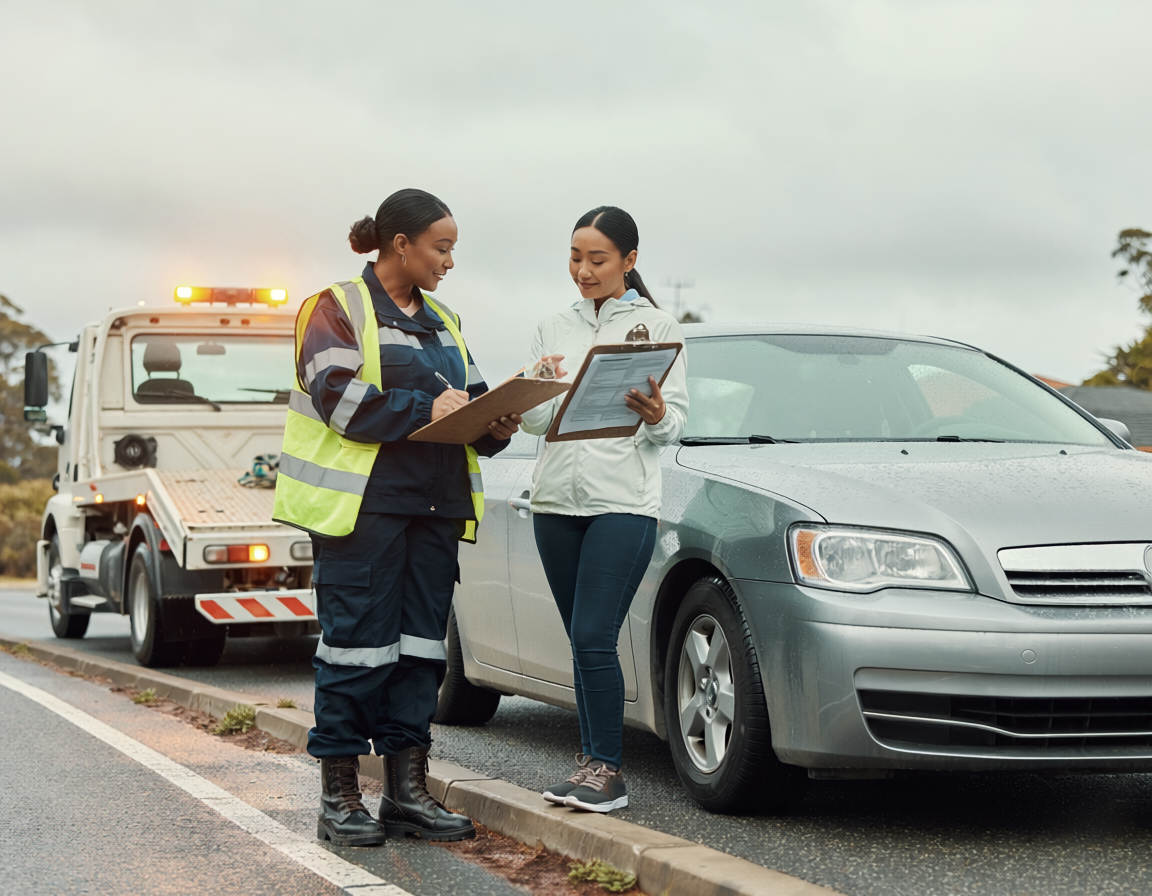
Before any reputable operator loads your vehicle, they should conduct a thorough inspection and document its condition. Photos from multiple angles. Written notes about existing scratches, dents, or mechanical issues. A signed acknowledgement confirming the vehicle’s state before transport begins.
This isn’t bureaucracy. It’s protection for both parties in the event of any dispute.
Without proper pre-transport documentation, damage disputes become unresolvable. Was that scratch on the bumper there before loading? Did the cracked side mirror happen during transport or was it already present? Professional towing operators document comprehensively precisely because these questions arise – and documentation provides definitive answers.
For 24-hour emergency towing situations, particularly at night or in poor weather conditions, pre-transport documentation is even more critical. Taking your own photos with a mobile phone before the operator arrives adds another layer of protection. It’s an independent record of the vehicle’s condition that exists regardless of what the operator does or doesn’t document.
Insurance Exclusions You Should Understand
Where Coverage Doesn’t Apply
Even comprehensive towing insurance in WA contains exclusions. Understanding these gaps prevents surprises when a claim is lodged.
Mechanical breakdown is typically excluded. If a transmission fails during transport because it was already on the verge of failure before towing began, that’s generally not covered by the operator’s towing liability coverage. The towing itself didn’t cause the mechanical failure.
Pre-existing damage won’t be covered, which is precisely why pre-transport documentation matters so much. Damage that existed before loading cannot be claimed as transport damage.
Customer-caused complications create grey areas. If items were loaded inside a vehicle or container against the operator’s explicit advice, damage to those items may fall outside coverage provisions.
Unroadworthy or unregistered vehicles can create coverage complications under some policy terms. If your vehicle had been formally declared unroadworthy prior to transport, specific policy provisions may apply. Confirming coverage details in advance removes uncertainty.
These exclusions aren’t hidden traps – they’re standard provisions in commercial insurance policies. Understanding them before transport removes uncertainty and allows you to make informed decisions about additional coverage for specific situations.
What Happens When Something Goes Wrong
The Claims Process Step by Step
Despite best practices and comprehensive towing liability coverage, incidents occasionally occur. When they do, the claims process for professional towing operators in WA follows a clear sequence.
Immediate notification is critical. Any damage must be documented at the point of delivery – photos, written notes, and the driver’s acknowledgement where possible. Delays in reporting significantly weaken a claim position.
Formal claim lodgement typically requires written notification to the towing operator within 24 to 48 hours. The exact timeframe varies by policy, but prompt reporting is always the correct approach.
Assessment and investigation follows. The operator’s insurer inspects the damage, reviews pre-transport documentation, and interviews the driver involved. This is where comprehensive pre-transport photos become critical evidence.
Resolution takes different paths depending on the severity. Minor damage may be settled quickly with direct payment. Significant towing claims process outcomes in Perth may require formal assessment by insurance adjusters and independent technical engineers.
For post-accident vehicle recovery where vehicles are already collision-damaged, distinguishing between pre-existing damage and transport damage requires careful documentation and often specialist assessment. This is why professional accident towing operators document conditions thoroughly at every stage.
Questions to Ask Before Booking Any Towing Service
Protecting Yourself Before Transport Begins
Not all operators carry equivalent coverage. Before booking any towing service in WA – especially for high-value vehicles or machinery – ask these specific questions:
- What is your public liability coverage limit? Anything below $10 million warrants caution for commercial operations
- Do you carry transit insurance, and what is the coverage limit per vehicle?
- Can you provide a current Certificate of Currency for your insurance? Legitimate operators produce this immediately
- What is your claims process if damage occurs? Vague or evasive answers suggest inadequate coverage or a history of disputed claims
- Are your drivers covered by workers compensation insurance?
For specialist heavy equipment towing or high-value loads, also ask specifically about load insurance limits and whether additional coverage can be arranged for loads exceeding standard policy limits.
The Role of Your Own Insurance
How Your Policy Interacts with Towing Liability Coverage
Your comprehensive vehicle insurance may provide coverage during towing operations – but this varies significantly between policies. Some comprehensive policies include “in tow” coverage, meaning the vehicle is protected even when being transported by a professional operator. Others explicitly exclude coverage when the vehicle is “in the care, custody, or control” of a third party.
Check your policy’s Product Disclosure Statement or contact your insurer directly before transport begins. If your vehicle is covered during towing, you may be able to claim through your own insurance if damage occurs. Your insurer then pursues the towing operator’s towing liability coverage through subrogation.
This can sometimes result in faster claim resolution, though it may affect your no-claim bonus depending on specific policy terms. For business owners using towing services regularly, commercial vehicle insurance policies often include specific provisions for towing and transit coverage worth reviewing annually.
Insurance Considerations for Different Vehicle Types
How Vehicle Type Affects Coverage Requirements
Different vehicles require different insurance considerations during towing operations.
Standard vehicles – sedans, wagons, standard SUVs – are straightforward. Standard transit insurance from professional operators adequately covers these vehicles in most circumstances.
AWD and 4WD vehicles require tilt tray transport to prevent drivetrain damage. From a towing insurance in WA perspective, they’re typically covered under standard transit policies unless they’re significantly modified or high-value variants.
Modified or customised vehicles create complications. A vehicle with $50,000 in aftermarket modifications may not have those additions covered under a standard transit policy based on market value alone. Declaring modifications before transport and discussing specific coverage is important for these vehicles.
Prestige and classic vehicles require specialised coverage. Enclosed prestige car transport delivered by trained specialists for high-value vehicles involves higher coverage limits – because a classic vehicle isn’t simply worth its parts. It’s worth its irreplaceable status and condition.
Heavy machinery and equipment often exceeds standard policy coverage limits. For machinery worth $400,000 or more, operators need commercial load insurance with limits that actually match the asset’s value.
Verifying Operator Compliance in WA
Checking Licence and Insurance Status
The Department of Transport Western Australia maintains oversight of commercial towing operators through a licensing system. Licensed operators must demonstrate they maintain appropriate towing insurance in WA as a condition of their licence renewal.
You can verify a towing operator’s licence status through the Department of Transport. Licensed operators display their licence number on their vehicles and in their documentation. Unlicensed operators – which still exist in Perth, typically operating informally – may carry no insurance at all. If something goes wrong with an unlicensed operator, the legal recourse available to the customer is extremely limited.
The small apparent saving from using an unlicensed operator disappears entirely if any damage occurs. The towing claims process Perth customers can access is only effective when the operator is properly licensed and insured in the first place.
Conclusion
Towing insurance in WA and towing liability coverage are the foundation of genuine protection when your vehicle is being transported. They’re the difference between a resolved claim and years of dispute. Between a professional operator who takes responsibility and an unlicensed operator with no accountability.
All Out Towing’s certified team operates 24/7 across Perth with $20 million in public liability coverage and transit insurance for vehicles up to $500,000. For reliable towing services in Perth with full documentation, verified insurance, and a clear claims process, call 0418 959 216 to speak with our experienced operators about your vehicle recovery needs.