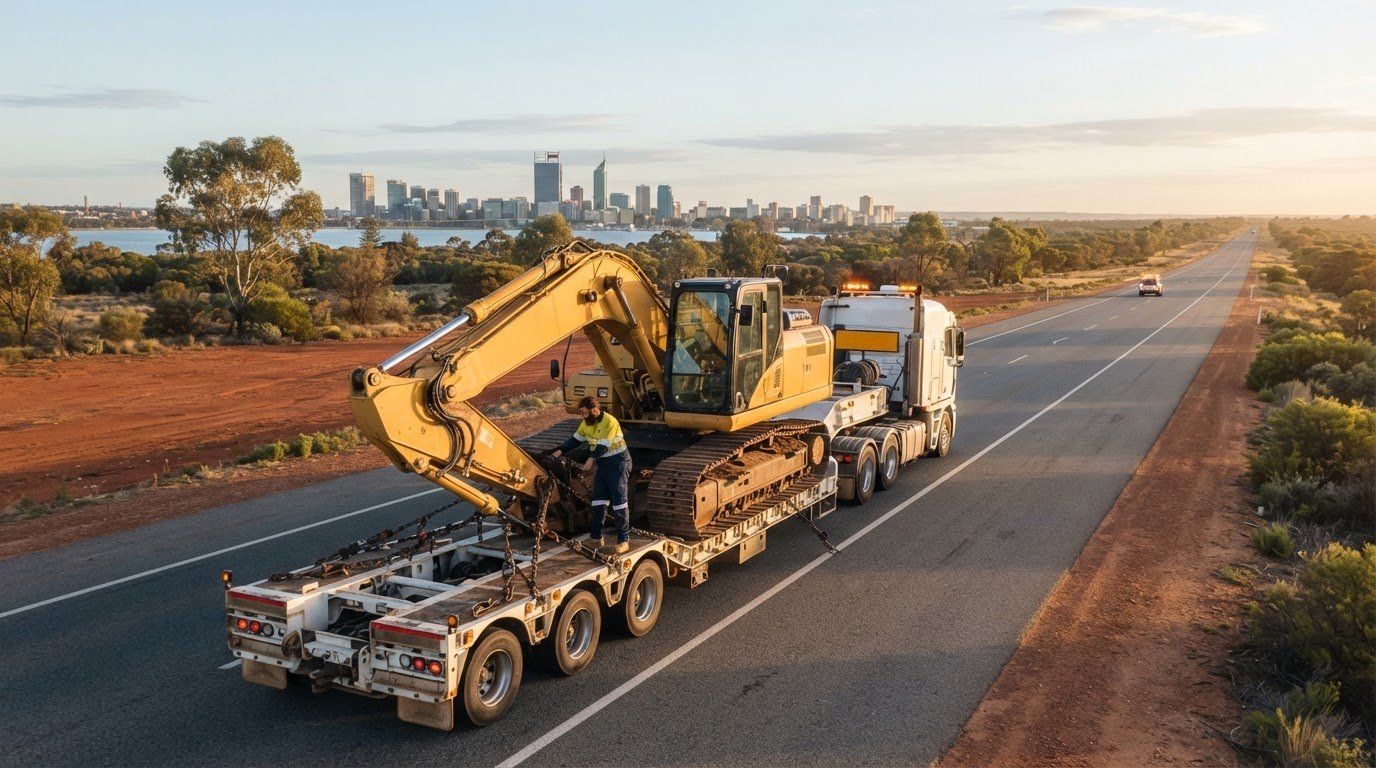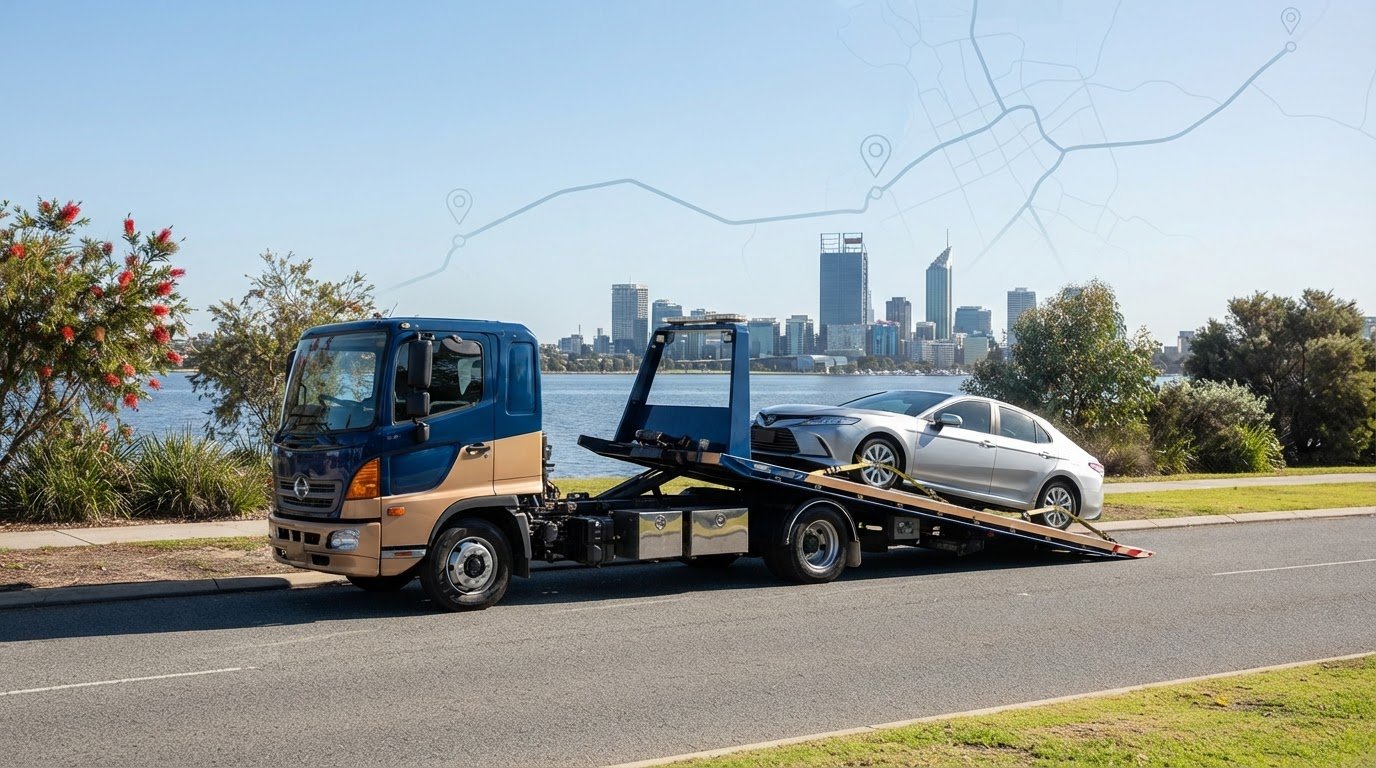
There isn’t one flat price for a tow truck in Perth. How much a tow truck costs in Perth depends on the vehicle, the distance, access at the pickup point and the type of towing or recovery needed. You’ll receive a quote based on the details of the job.
A breakdown or crash can be stressful, especially when you’re unsure what details to give a tow operator or what may affect the cost. Describe your vehicle and its location clearly so the operator can assess the job and provide a more accurate quote.
This guide explains the main factors that shape a Perth towing quote, the details to have ready when requesting one, and where 24-hour coverage reaches across Perth and Western Australia. It also outlines when distance fees may apply, so you can understand what to ask about before the tow begins.
Key Takeaways
- Have your vehicle type, pickup and drop-off locations, condition and access details ready to help the operator assess the job and quote.
- An after-hours surcharge may also apply.
- Before arranging a tow, review your insurance or roadside assistance terms for covered events, distance limits, approved operators and any out-of-pocket costs.
- Allout Towing offers Tilt Tray Perth Services and 24 Hour Car Towing for drivers who need vehicle transport or towing support.
Details needed to request a quote
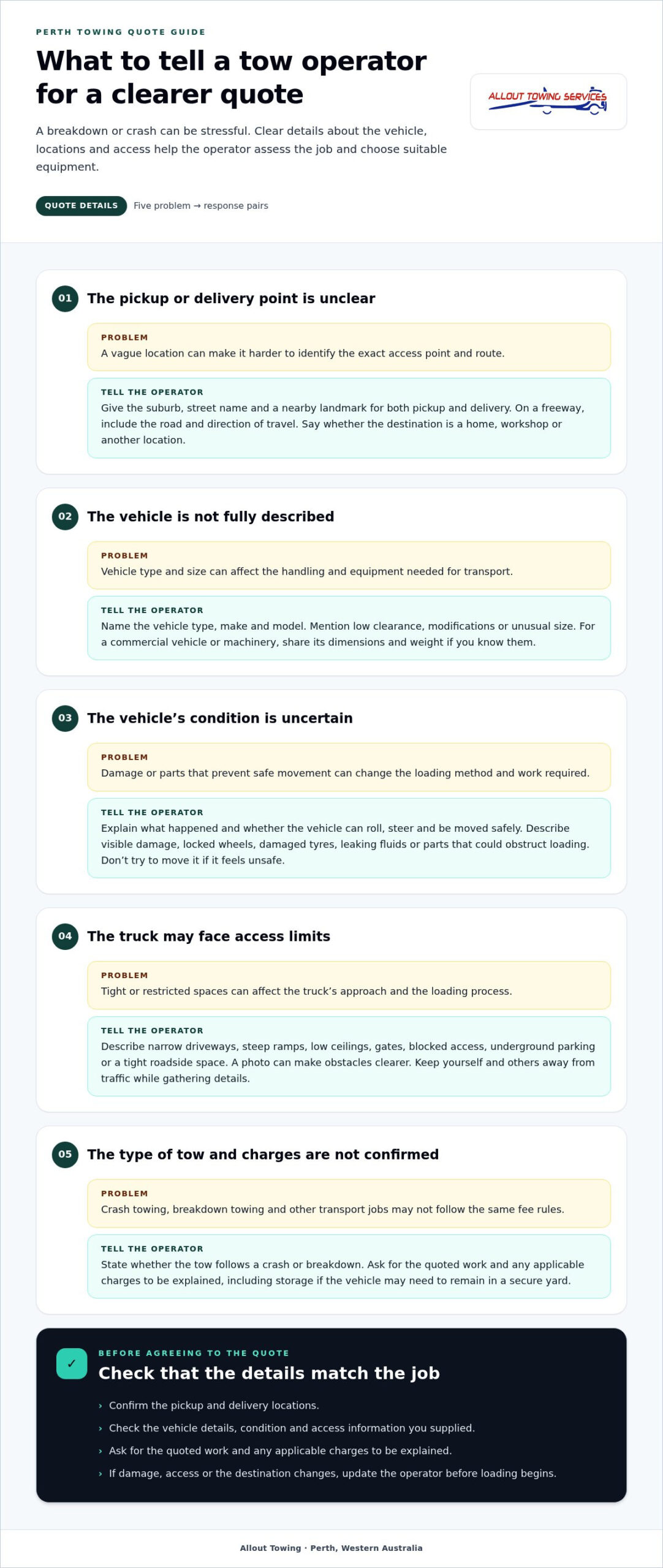
A towing quote is based on your vehicle, its location and the work required. Share clear details before dispatch, particularly if the vehicle is damaged or difficult to reach. This helps the operator assess the job and choose suitable equipment.
Pickup and drop-off locations are the exact places where the vehicle will be collected and delivered. Give the suburb, street name and a nearby landmark for each point. If you’re on a freeway, include the road and direction of travel. A map pin or clear description can help identify the access point. Also say whether the destination is a home, workshop or another location.
Vehicle details help identify what needs transporting. Tell the operator the vehicle type, make and model, and whether it’s a car, motorcycle, van or another vehicle. Mention anything that may affect handling, such as low clearance, modifications or unusual size. For a commercial vehicle or machinery, provide its dimensions and weight if you know them.
Vehicle condition includes whether it can roll, steer and be moved safely. Explain what happened and describe any visible damage. Say if the wheels are locked, a tyre is damaged or the vehicle has been in a crash. Mention leaking fluids or parts that could obstruct loading. Don’t try to move a vehicle if it feels unsafe. Clear information helps the operator plan the loading method.
Access conditions are anything that could affect the truck’s approach or the loading process. Describe narrow driveways, steep ramps, low ceilings, gates or blocked access. Mention if the vehicle is in an underground car park or a tight roadside space. A photo can show obstacles more clearly than a rushed description. Keep yourself and others away from traffic while gathering details.
A crash-tow maximum charge is the highest listed fee for an eligible light-vehicle crash tow. After-hours means 5pm to 8am Monday to Friday, plus all weekend and public holidays. These limits concern crash towing, not every breakdown or transport job.
Secure-yard storage fees are charges for keeping a crashed vehicle in a secure yard. Include storage in your cost discussion if the vehicle may need to remain in a yard.
Use this short checklist when requesting a quote:
- Give the pickup and delivery locations.
- Identify the vehicle and describe its condition.
- Explain access limits, damage and loading concerns.
- State whether the tow follows a crash or breakdown.
- Ask for the quoted work and any applicable charges to be explained.
Before agreeing, check that the quote reflects the locations and vehicle details you provided. If anything changes, such as new damage or blocked access, update the operator before loading begins.
Distance fees after 50 kilometres
A distance fee is a charge for the part of an eligible crash tow beyond the included distance. The rate applies to kilometres beyond that threshold, not the entire journey. It is a maximum rate for this specific type of tow.
The first 50 kilometres is the distance before the maximum additional fee can apply. For example, consider a light-vehicle crash tow covering 60 kilometres. Ten kilometres sit beyond the first 50. This is an example of the distance component only, not a total towing quote. A shorter tow does not reach the distance threshold described here.
A light-vehicle crash tow is the category covered by this Western Australian distance limit. Don’t assume the same maximum rate applies to a breakdown tow, heavy vehicle, machinery move or other transport job. The circumstances of the tow matter. Tell the operator whether the vehicle was in a crash and identify its type. This helps establish whether this particular distance rule applies.
The tow route is the journey used to assess the distance between collection and delivery. Give both locations clearly, including the suburb and street where possible. For example, “from a roadside near Joondalup to a repairer in Perth” is more useful than saying only “across town”. If the pickup point changes, provide the updated location before the vehicle moves. Ask which route distance is included in the quote so you can understand the calculation.
The quoted distance amount is the distance-related part of the overall job estimate. Route length is central, but vehicle condition, access and loading needs can also affect the work involved. The amount quoted depends on the route, vehicle, condition and loading requirements. Ask the operator to separate any distance component from other quoted work, so you can compare the estimate with the journey you described.
Use these steps before agreeing to a long-distance crash tow:
- Give the precise pickup and delivery locations in Western Australia.
- State clearly whether the tow follows a crash or breakdown.
- Ask how many kilometres the quote includes before distance fees apply.
- Ask how the distance beyond 50 kilometres is calculated.
- Confirm that the vehicle details and delivery point match your situation.
A change of destination can alter the route distance. For example, redirecting a tow from one Perth suburb to another changes the journey being quoted. Share any change before loading and ask for the revised distance calculation. Keep the quoted locations together in a text or email for easy reference.
For practical guidance on arranging a local tow, review Perth towing information alongside your route details.
Are there fixed-price towing services or online quote tools in Perth?
A fixed-price tow is a set charge for a clearly defined job. The price applies when the service, vehicle and route meet its stated conditions. For example, a set local transport price may exclude difficult access or extra recovery work. Check what the price covers before treating it as the total.
An online quote tool is a form or calculator that collects job details digitally. It may ask for your vehicle type, pickup location, destination and condition. Enter accurate details, including whether the vehicle can roll and steer. If you select “car” when you need transport for a van, the result may not reflect the right equipment or job requirements.
A preliminary estimate is an early indication based on the details entered. It may differ from a final quote if important factors are missing. A tool can’t assess a tight underground car park from a suburb name alone. Include access restrictions, damage and loading concerns wherever the form allows. If there’s no suitable field, add those details in your follow-up.
For a useful comparison in Perth, match each estimate against the same job details. Compare a tow from the same pickup point to the same destination, using the same vehicle description. Check whether the estimate includes loading, recovery, distance and any special access work. A low headline price may cover a narrower job than another estimate. Compare the stated scope, not just the first amount shown.
A written quote is an itemised or clearly stated price for the described work. Before accepting, check the pickup and delivery addresses, vehicle type and stated condition. Make sure the quote identifies any included distance and possible additional work. Ask for unclear wording to be explained before the truck is dispatched. Keep the quote on your phone in case the job details change.
Use these steps with an online form or phone quote:
- Enter the exact pickup and destination locations.
- Describe the vehicle, its condition and any access limits.
- State whether the job follows a crash, breakdown or transport request.
- Review what the estimate includes and excludes.
- Share any changed details before loading starts.
A quote comparison is a like-for-like review of the service and conditions. For example, compare estimates for the same car, route and loading situation. Note whether either quote assumes the vehicle can roll or requires special loading. If the destination changes from a nearby workshop to another Perth suburb, ask for the revised route and scope to be reflected.
To understand how much a tow truck costs in Perth, focus on the job’s scope rather than a headline figure alone. The price depends on the vehicle, route, access and work required; your exact figure comes in a quote for your case. Clear details help you judge whether a fixed price or online estimate suits the job.
Does car insurance or roadside assistance cover towing costs in Perth, and what limits apply?
Car insurance cover is the protection described in your policy for insured events and costs. Whether it pays for towing depends on your policy wording and the circumstances. A crash tow and a breakdown tow may be treated differently, so don’t assume either is covered automatically. Check the relevant section of your policy or contact your insurer.
Roadside assistance is help arranged through a separate membership or insurance benefit. Its terms explain which situations qualify and what support it includes. For example, a plan may treat a breakdown differently from collision damage. Read the towing section rather than relying on the broad plan name. The wording sets the applicable service limits.
A policy limit is a condition restricting what a policy or plan will pay or arrange. It may specify eligible events, distance, destinations, providers or maximum benefits. Insurers and roadside assistance plans can set different terms. For a Perth driver, the key question is whether the specific incident and requested tow fit those terms. A trip to a chosen repairer may be treated differently from moving a vehicle to another location.
An excess is an amount the policyholder may need to pay under an insurance claim. Whether it applies to towing depends on the policy and claim circumstances. Check your policy’s excess section and ask how towing charges are handled within the claim. Keep the insurer’s response with your claim details. An excess is not the same as a towing charge.
If you’re stranded, take these steps before arranging a tow:
- Move to a safe place away from traffic, if you can do so safely.
- Find your insurer’s claims number or roadside assistance contact.
- Describe whether the vehicle broke down or suffered crash damage.
- Give the pickup location, destination and vehicle condition.
- Ask whether the policy covers the tow and which limits apply.
- Record any approval, claim reference and instructions you receive.
Pre-approval is permission from an insurer or assistance provider before a service proceeds. Ask whether you need approval and whether the provider will arrange the tow directly. If you arrange it yourself, ask what documents the insurer needs. Save the quote, invoice and messages. Clear records help connect the charge to the incident and claim.
An out-of-pocket cost is the amount you pay yourself after considering available cover. It may depend on the event, policy wording, destination and any applicable limit. Ask your insurer about the exact tow you need, not towing in general. For example: “Does my cover apply to this breakdown tow from this location to this destination?”
Insurance terms can feel difficult to process after a collision or breakdown. Keep your policy details nearby and explain the situation plainly. For a tow in Perth, arrange towing assistance and provide the vehicle’s location, condition and intended destination.
Allout Towing: Tilt Tray Perth Services
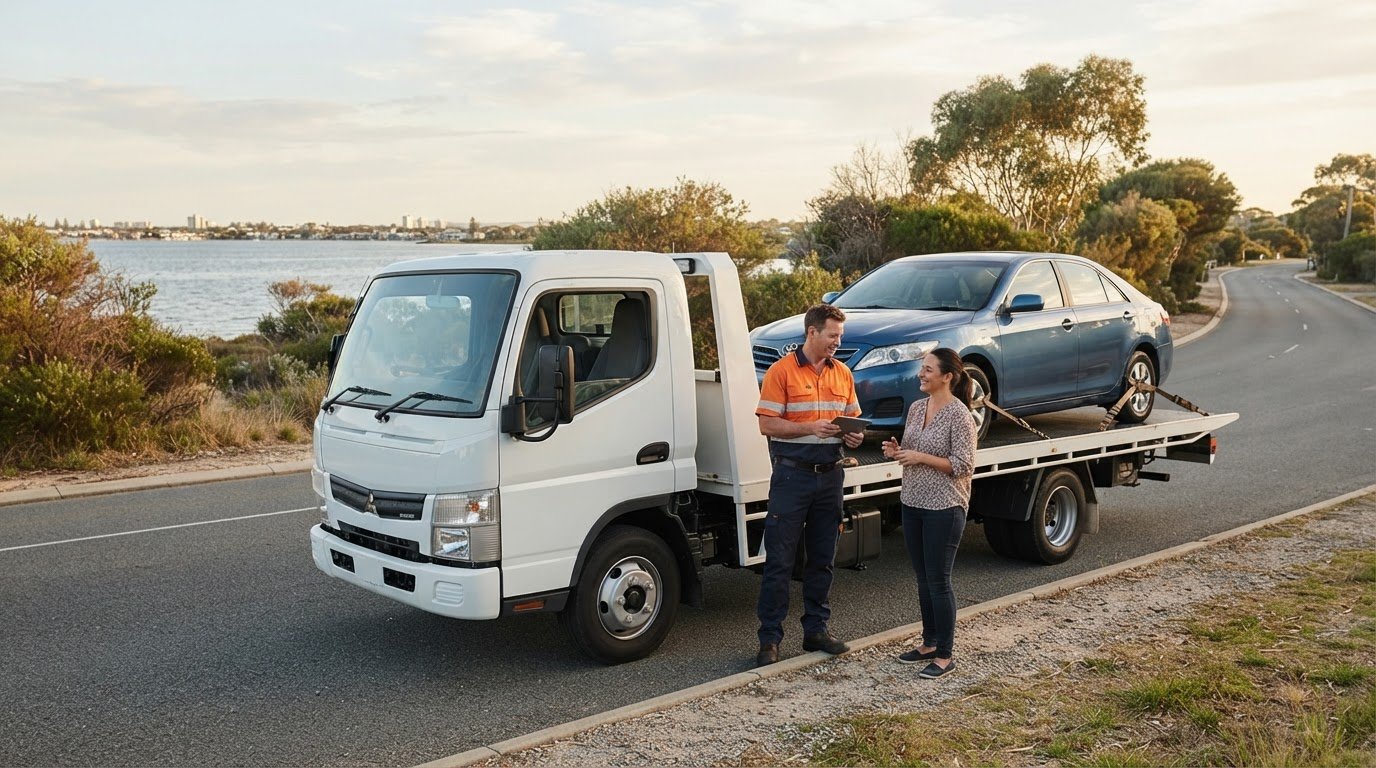
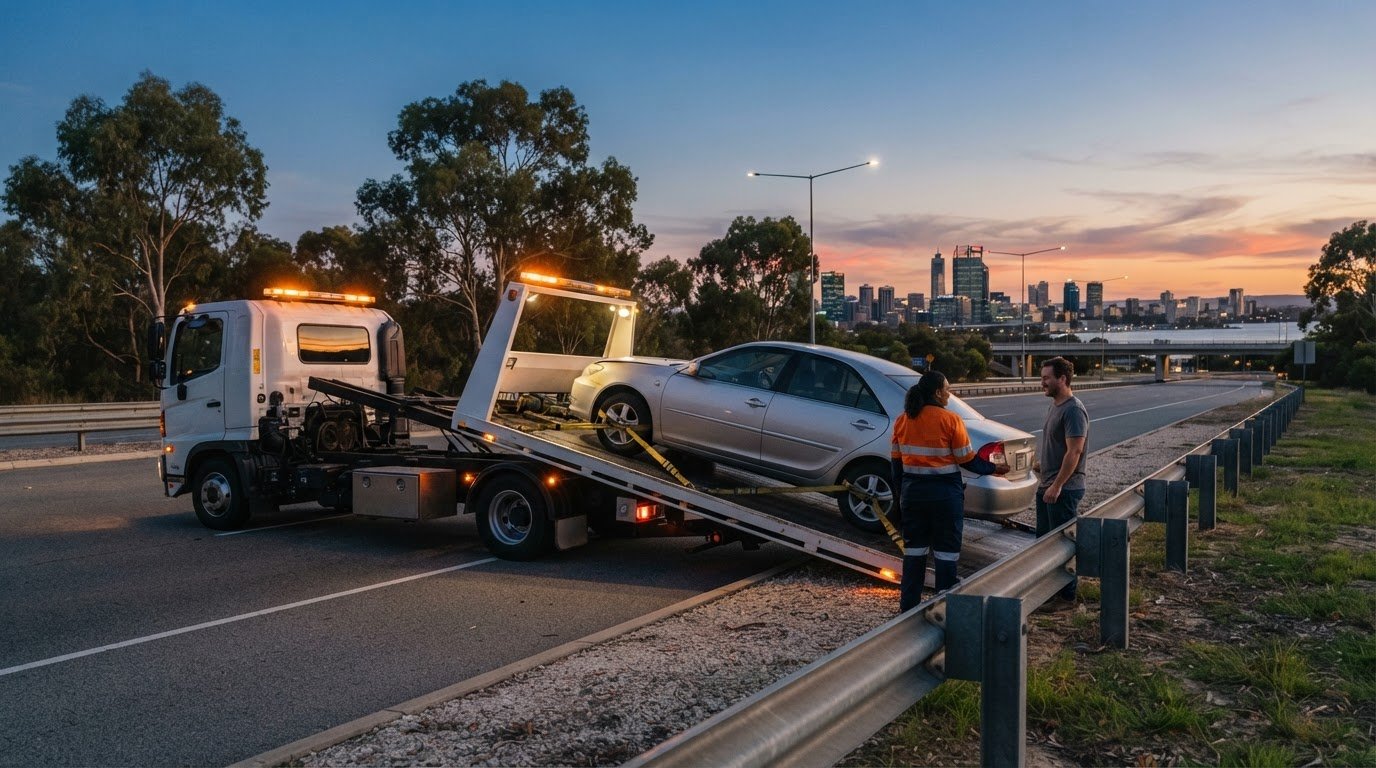
Allout Towing provides Tilt Tray Perth Services for vehicles that need careful loading and transport. A tilt tray can load a vehicle without relying on it to drive onto the truck, which can help when a breakdown or damage leaves it immobile.
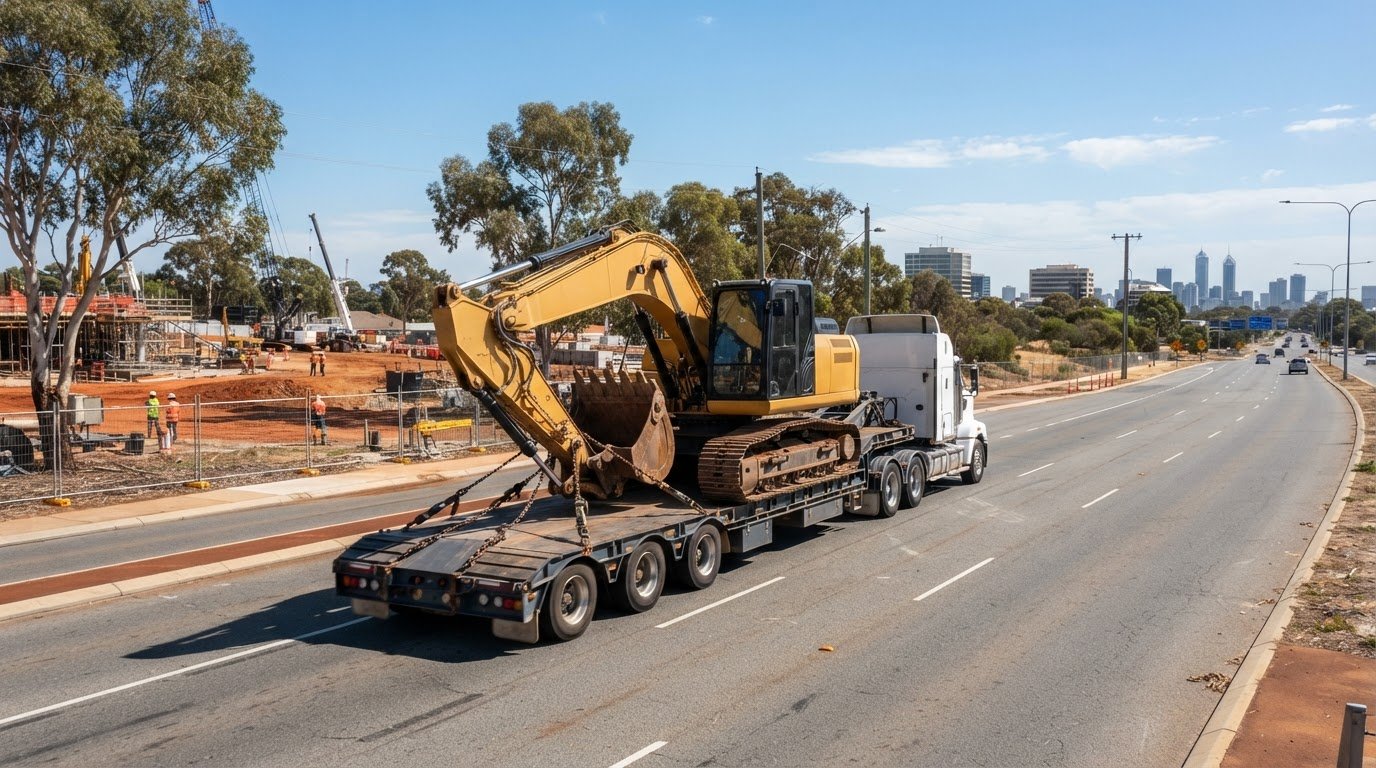
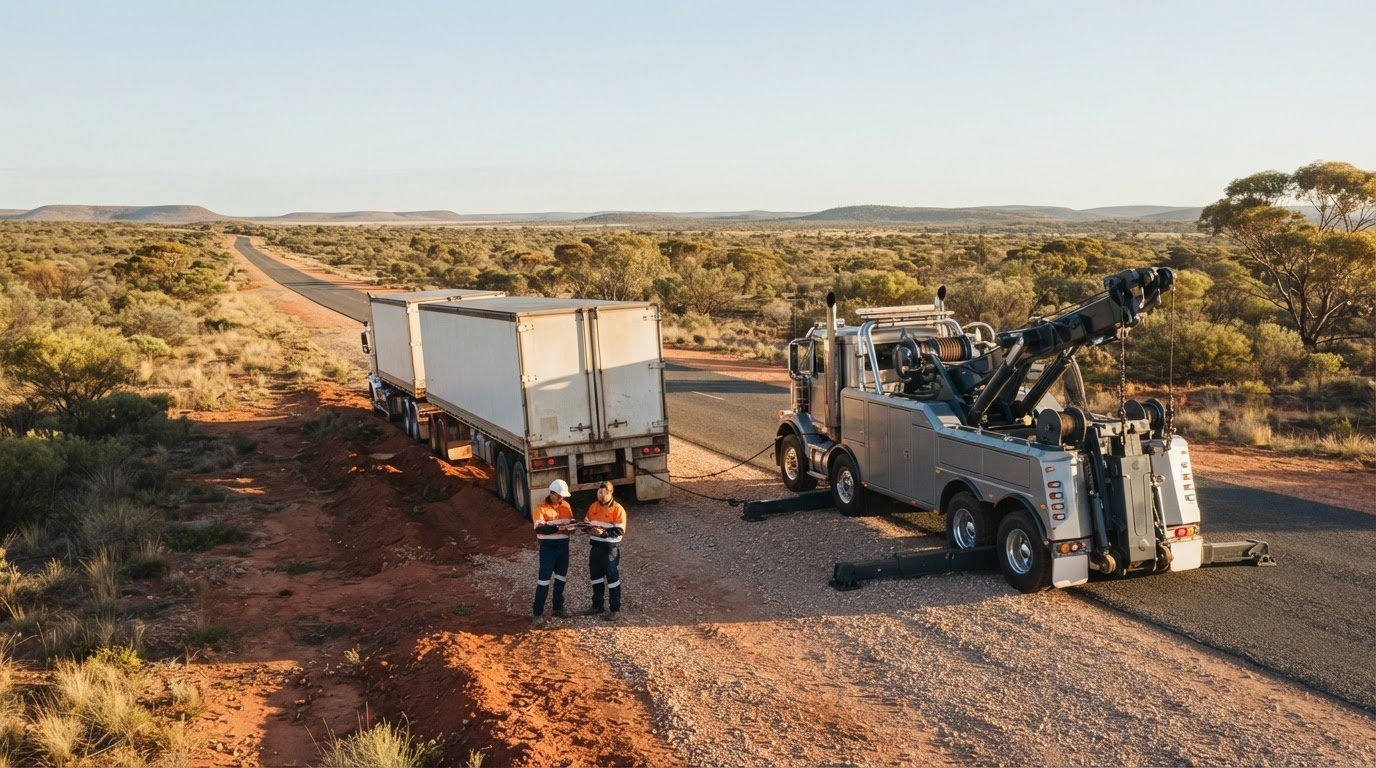
For a car that needs towing at any hour, 24 Hour Car Towing is a practical next step. Allout Towing also handles Super tilt heavy transport and Container Transport for larger transport requirements. The right service depends on the vehicle, route, access and loading needs, so share these details when discussing your quote.
For vehicle transport in Perth, contact Allout Towing to discuss the job and get a free quote.
Make your next step a clear one
If you’re still weighing how much a tow truck costs in Perth, use the details you’ve gathered to make a calm, informed decision. Keep your vehicle information and policy documents handy, and take a moment to check that the agreed work reflects your needs.
A breakdown or collision can make decisions harder. Take things one step at a time, and keep the quote and any updates together for easy reference.
With the key details clear, you’ll be better prepared to move forward and get your vehicle where it needs to go.
Frequently Asked Questions
What is the average cost of a tow truck in Perth, Western Australia?
There isn’t one average towing cost that represents every Perth job. A straightforward local tow and recovery of a damaged vehicle involve different work. Treat a broad average as a guide, not a budget for your specific vehicle. For a useful comparison, focus on the work described in each quote and whether it matches the job you need done.
How much does emergency or after-hours towing cost in Perth?
Emergency or after-hours towing costs depend on the incident, timing and work required. A crash response and a breakdown call-out are different situations, so describe what happened accurately. If your insurance or roadside assistance may cover the incident, contact its assistance line and follow its instructions before arranging a separate tow. This can help you understand how the service fits your cover.
What extra fees can apply for long-distance, accident recovery, difficult access or waiting time in Perth?
Extra charges depend on the circumstances and agreed work. For accident recovery, explain if the vehicle is obstructed, off-road or has damaged wheels. For difficult access, mention restricted entry or a steep driveway. Before work begins, ask what could trigger a waiting charge and how it’s calculated. A clear breakdown helps distinguish the basic tow from additional recovery or delay work.
What should you check before choosing a towing company in Perth to avoid unexpected charges?
Check that the written quote identifies the towing business, agreed work and delivery destination. Ask whether the operator is licensed and insured, and read any conditions about changes to the job. If the vehicle’s condition or destination changes, request an updated quote before proceeding. Keep the written estimate and any revised terms together for reference.
How can I compare Perth towing quotes and arrange a tow truck?
Compare quotes only after confirming they describe the same job and destination. Once you’ve chosen, keep your phone available and provide the operator with a safe callback number. If the vehicle is in a car park or a large site, give the entrance, level, bay or nearest landmark. These directions can help the driver find the vehicle without searching the whole area.