The per-kilometre rate is only part of the cost of a tow in Perth. Car towing rates per km in WA can depend on the base charge, travel distance, vehicle condition and timing.
An unexpected tow can be stressful, especially when you don’t know how the total is calculated. The cost depends on the job, including distance, vehicle type, access and timing, so request a quote based on your specific circumstances.
This guide explains how base charges and distance costs fit together, what can affect the final quote, and how a Perth tow may differ from one elsewhere in WA. It also outlines the distinction between crash towing and breakdown or planned towing, so you can understand which pricing rules apply.
Key Takeaways
- Crash-towing fee caps apply differently from breakdown and planned tows, so first identify which type of tow you need.
- Outside Perth and Peel, charges for crash-towing light vehicles must be reasonable; distance and access can affect the job.
- Compare city estimates carefully: a base fee, included distance and extra kilometres can all shape the total.
- For a clearer quote, give the pickup and drop-off locations, vehicle type and condition, access details, and when you need the tow.
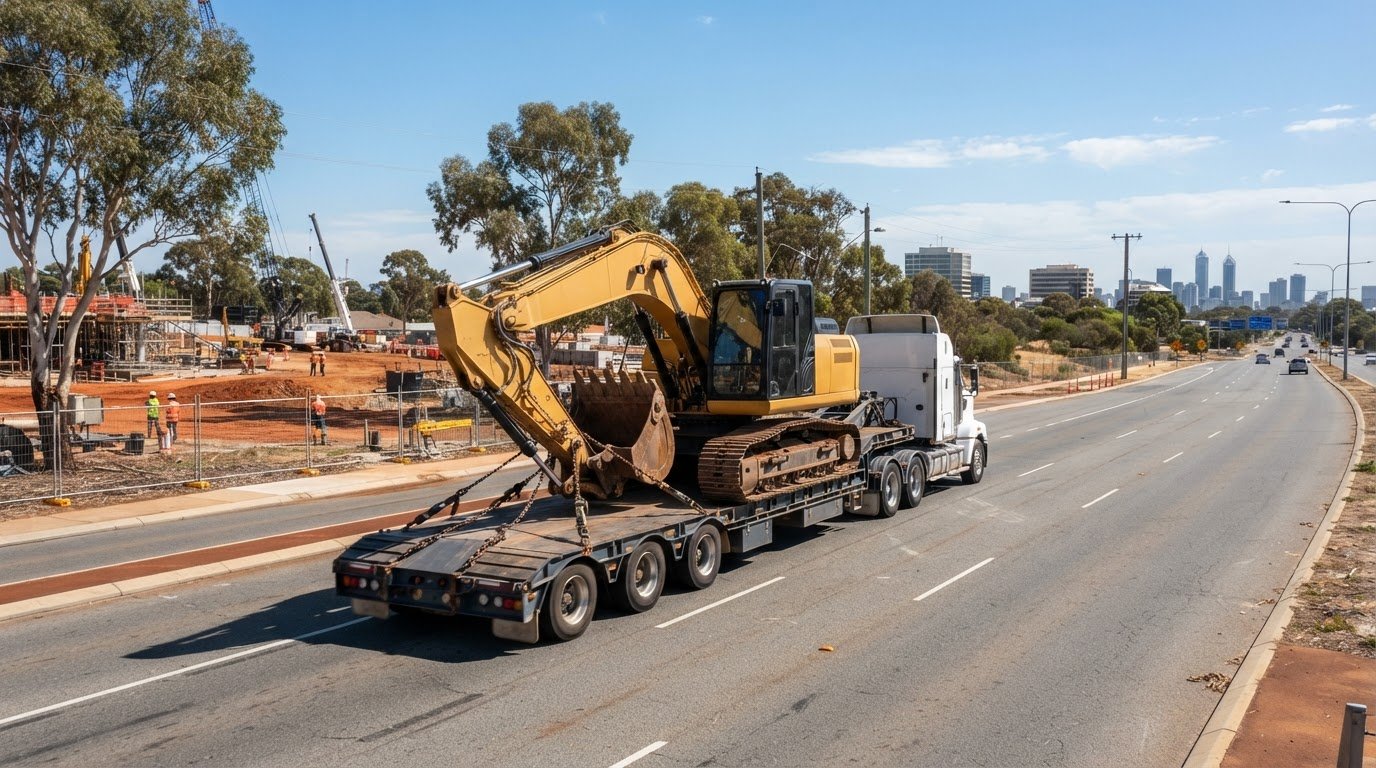
- A tilt tray can suit vehicle transport when a car shouldn’t be driven, while longer or heavier loads may call for a different towing service.
How much does towing cost in Perth?
The total can also depend on distance, timing and whether the vehicle needs specialist recovery equipment.
From 10 January 2025, regulated maximum towing and storage charges apply to light vehicles and motorcycles towed from crash scenes in Perth and Peel. These limits cover crash towing, not breakdown or planned tows.
Regional Light-Vehicle Towing Charges
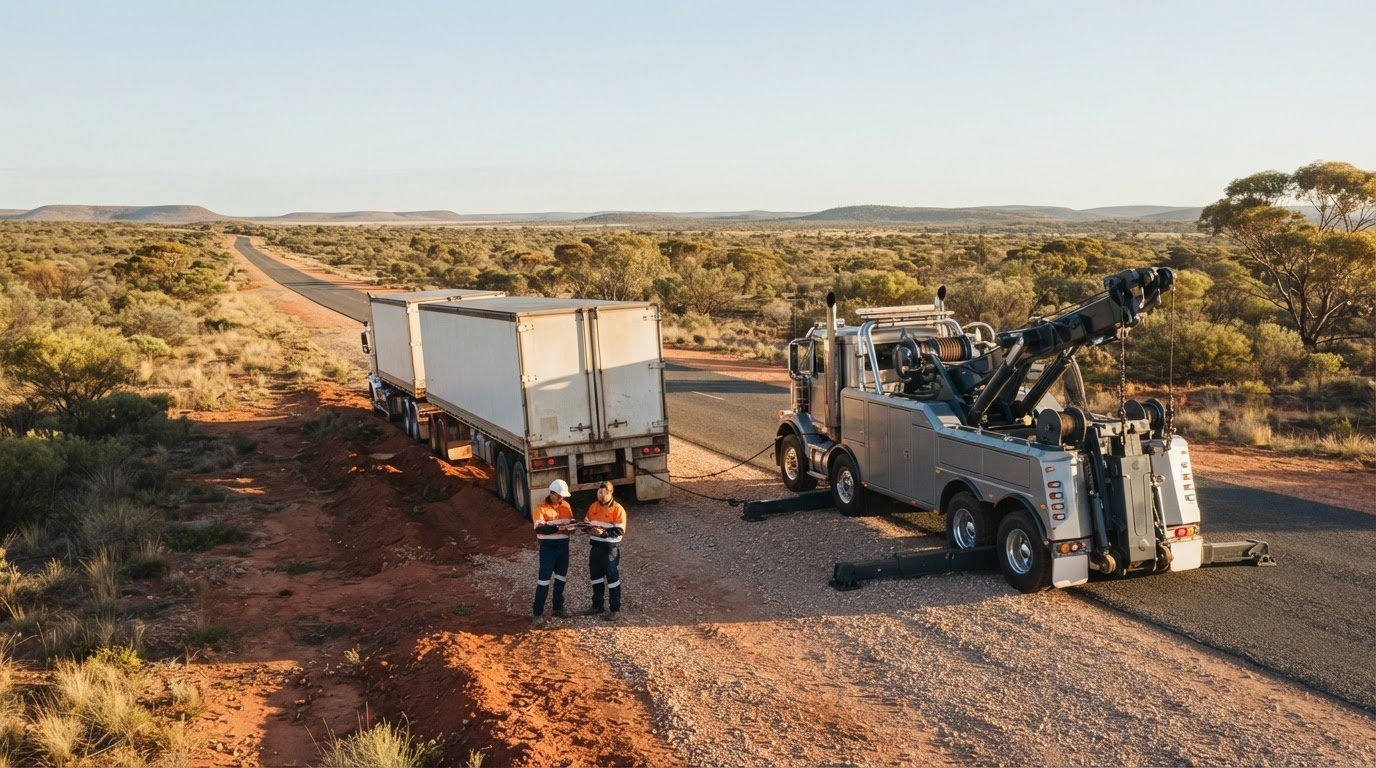
Outside Perth and Peel, crash-towing charges for light vehicles must be reasonable. This matters if a crash happens beyond the metropolitan regions, where the Perth and Peel maximum charges do not set the fee. Distance to the destination, vehicle condition, access and the equipment needed for recovery can affect the work involved. Heavy-vehicle crash towing also requires reasonable charges across WA.
For a crash tow, a one-off after-hours surcharge may apply if the Authority to Tow form is signed during the stated after-hours period. It is not an hourly fee.
Storage is charged separately from towing. Only one administration fee may be charged when the vehicle is released.
For a crash tow, the completed Department of Transport-approved Authority to Tow form records the towing and storage charges. Recorded charges cannot exceed the regulated maximums. Keep a copy to check the amounts if you later collect the vehicle.
Details for an Accurate Towing Quote
A useful quote starts with clear details about the job. Provide the pickup and drop-off locations, vehicle make and type, and whether it has been in a crash, broken down or needs planned transport. Describe any damage, whether the wheels can roll, and access restrictions such as a narrow driveway or underground entry. This helps identify suitable equipment and assess how distance and loading affect the quote.
If Main Roads has taken the vehicle to the Perth towing compound, it is at 57 John Street, Northbridge. The compound is open 7am to 7pm Monday to Wednesday, 7am to 8pm Thursdays and Fridays, and 9am to midday Saturdays. It is closed Sundays and public holidays, so plan collection around those hours.
Unclaimed vehicles have disposal deadlines. A vehicle not claimed within 90 calendar days of its removal date will be disposed of. Before disposal, unclaimed vehicles are displayed for at least 14 days by the Main Roads Towing Contractor. Contact the relevant authority promptly if a notice concerns your vehicle.
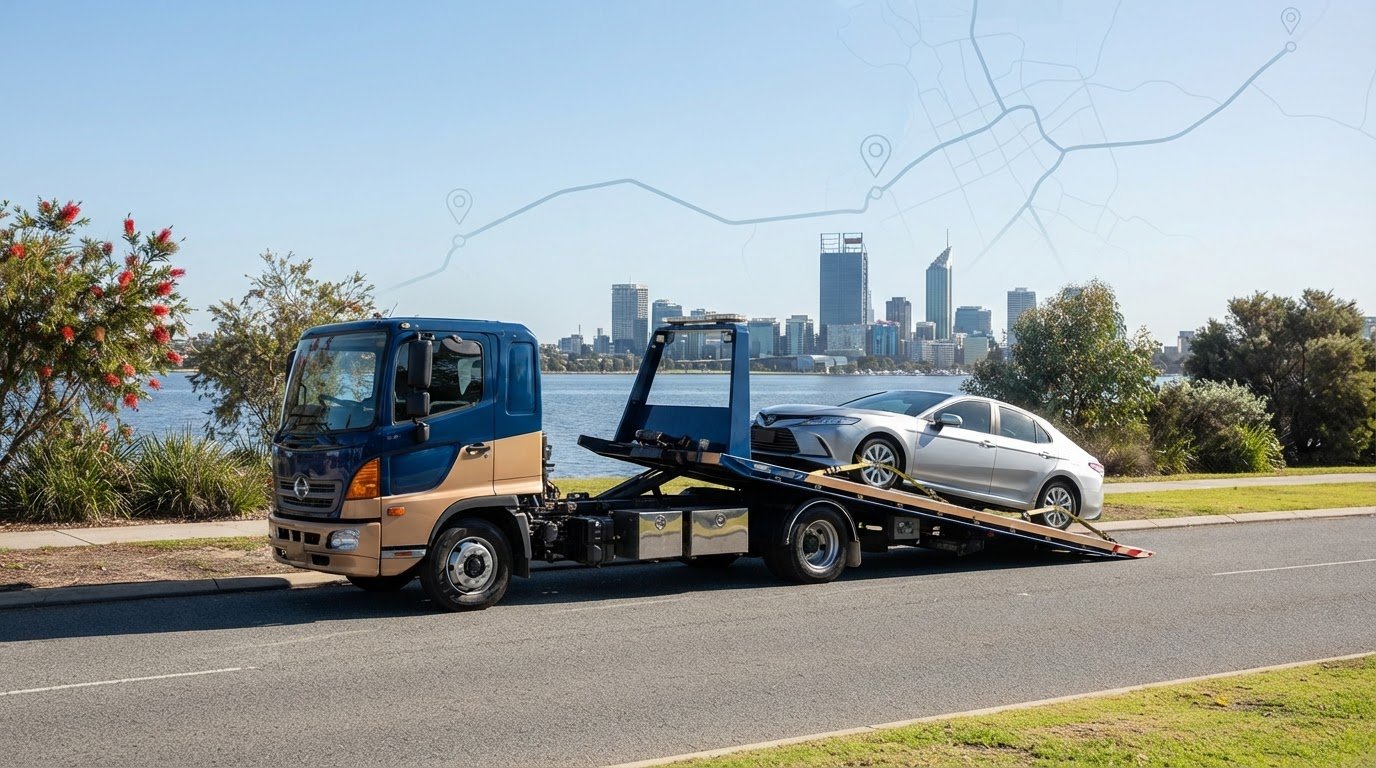
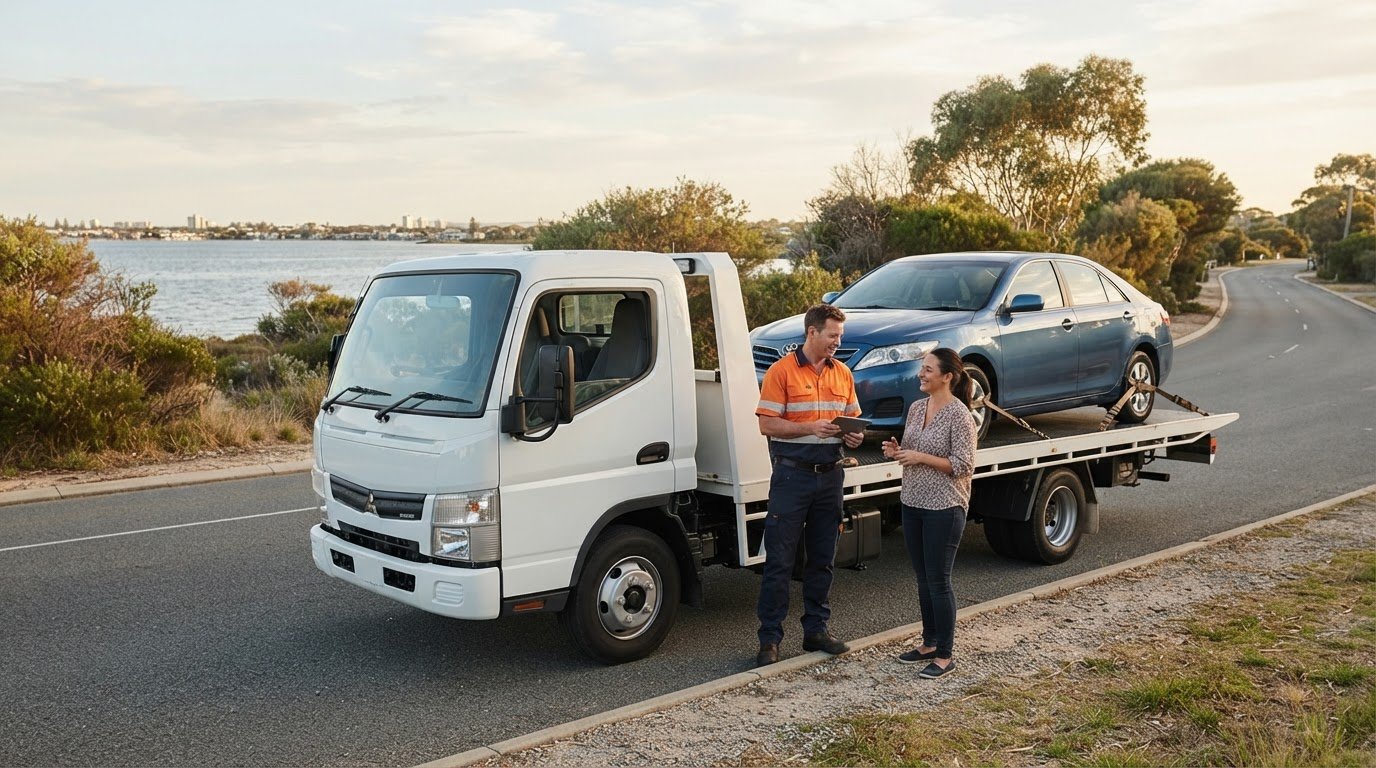
Tilt-tray towing carries a vehicle on a flat tray, without requiring it to be driven onto the truck. It can suit damaged or undriveable cars and prestige vehicles needing careful transport. The quote depends on distance, vehicle condition, access and loading requirements, not just the per-kilometre rate.
Indicative towing prices in Perth and other Australian cities
Towing estimates vary across Australia, and a Perth quote depends on the route, vehicle and access. A hook-up charge and kilometre rate can be useful starting points, but they do not show the full cost on their own.
When comparing towing companies in Western Australia, check their licensing and insurance details and ask for a clear quote breakdown. Make sure it identifies the pickup, destination, distance basis and any timing or access factors affecting the job.
Flatbed Hook-Up and Distance Rates
A flatbed estimate may combine a loading charge with distance-based transport costs. These are general market estimates, not a quote for a specific tow. Ask how distance is measured and whether the estimate covers the full journey.
This distinction matters on longer routes: the hook-up charge is separate from the distance travelled. A damaged vehicle may also need different loading or recovery arrangements. Describe its condition and access accurately so the estimate reflects the equipment and handling required.
Perth CBD parking rules can determine whether a vehicle is towed. Clearways and bus lanes are managed during peak periods, while No Stopping zones are managed at all times. These are the CBD zones where towing applies. Traffic and the vehicle’s location can also affect how a tow truck reaches it.
If a vehicle is obstructing traffic on a major metropolitan Perth road, Main Roads may relocate it to a safer location at no cost. This is a relocation, not a general free towing service to any destination. If the vehicle is on a major road, consider whether this option applies before arranging separate transport.
Published prices for Australian cities are indicative, not a single national tariff. Estimates differ between Sydney, Melbourne, Brisbane, Canberra and Adelaide, while the total for a Perth job depends on its route and requirements. Compare like with like: check whether each estimate includes hook-up, distance, vehicle handling and any after-hours surcharge. A public holiday or difficult access may also change the work involved.
Estimated Prices for Common Perth Routes
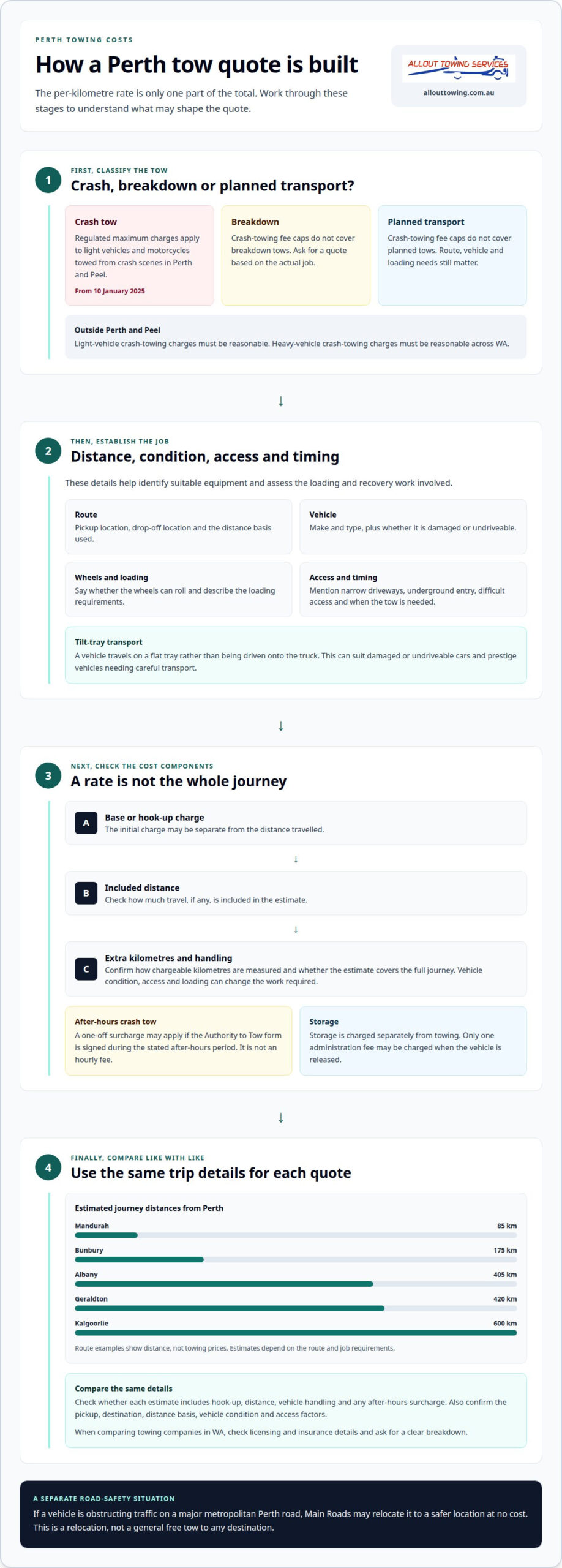
Route examples show why distance matters, even when the same base structure applies. The estimated journeys from Perth include Mandurah at 85 kilometres, Bunbury at 175 kilometres, Albany at 405 kilometres, Geraldton at 420 kilometres and Kalgoorlie at 600 kilometres. Longer transport covers more road distance and may involve different access or recovery needs.
Compare estimates using the route and vehicle details, rather than treating a per-kilometre figure as the total. Confirm the pickup and destination, whether the vehicle is damaged, and the requested delivery point. These details help you compare quotes for the same trip and service.
Per-kilometre charges beyond the included distance
A towing quote may combine a base charge with distance charges beyond an included portion of the trip. For long-distance transport across Western Australia, clarify how the service calculates chargeable kilometres.
Long-Distance Towing Cost Estimates
Long-distance estimates use the trip distance and the vehicle’s transport requirements to calculate the overall charge. Some indicative WA estimates apply additional distance charges after the first 100 kilometres, so ask where the included distance ends. For a 100-kilometre journey, confirm whether the quote treats the whole route or only distance beyond that threshold as chargeable.
Compare estimates using the same pickup point, destination and vehicle details. A damaged vehicle may need different loading equipment from one that rolls freely. The vehicle’s weight and access at both ends also help determine the truck and loading method required.
Regional and Long-Distance Towing
Regional towing moves a vehicle between places outside the Perth metro area, while long-distance towing covers extended journeys across WA. Distance, route access and equipment needs shape the work. A tow between regional towns can involve different logistics from a short metropolitan breakdown, even when each job moves one vehicle.
Give the towing service the exact collection address and delivery point, not just the town names. For a trip from Perth to a regional destination, describe whether the vehicle is damaged, difficult to access or unable to roll. These details help match the truck and loading approach to the job.
Local Versus Long-Distance Charges
Local towing usually covers a shorter trip, while long-distance transport adds kilometres beyond any included distance. A base charge can therefore account for a larger share of a local job, while distance matters more as the route grows. Ask how each part appears in the quote.
For either job type, confirm the included distance, chargeable route, loading needs, and any storage or timing charges. Public holidays can affect the timing of a tow, so state your required collection time when requesting an estimate.
To make a long-distance quote clear, note the collection point, destination and vehicle condition before calling. Confirm the distance basis and ask for an itemised total, including any equipment or recovery needs. This makes it easier to compare quotes for the same route and job—a principle that applies whether you are booking regional haulage in WA or researching long-haul vehicle transport through auto carriers such as gaatco.com.
Choose the delivery point carefully. If the vehicle is taken to one location and later needs transport elsewhere, that is a separate journey to discuss. Specify the repairer or other intended destination at the outset, rather than giving only the suburb.
Describe access at both ends, too. A vehicle in a tight car park may need different loading arrangements from one beside an open road. Share details about gates, ramps, steep driveways and nearby traffic early so the operator can assess the truck, equipment and loading approach.
Base rates and per-kilometre towing charges
A towing quote may combine a base charge with distance charges after any included travel. The structure matters because the same route can have different totals depending on included distance, vehicle condition and loading needs.
Some Australian towing companies use a flat rate for the first 10 kilometres. After that, a per-kilometre charge may apply, but the distance counted and the rate depend on the quote. Don’t assume the charge starts at the pickup point or that every operator includes the same travel distance.
The cost depends on the individual job. Distance, vehicle condition, access, timing and required equipment all shape the quote.
To understand the calculation, separate the quote into its parts:
- Base charge: the initial fee for arranging and starting the tow.
- Included distance: the portion of travel covered by that starting amount.
- Extra distance: kilometres charged beyond the included portion.
- Job-specific needs: loading, recovery, vehicle condition and access requirements.
For example, a quote for a 20-kilometre journey could include the first 10 kilometres in its base charge, then calculate the remaining distance separately. Another quote may use a different included distance. Comparing totals without checking this detail can make one estimate appear cheaper when it covers less travel.
Accident towing has a different pricing framework from breakdown and planned towing. WA’s regulated maximum charges apply to light vehicles and motorcycles taken from crash scenes in Perth and Peel, not to breakdown or planned tows. For crash towing, the Department of Transport-approved Authority to Tow form records the payable charges.
The vehicle’s condition can affect the work required. Accident damage may call for careful loading, while a car that cannot roll may need recovery equipment. Restricted access can change the truck’s approach. Describe these details early so the quote reflects the job rather than assuming a straightforward pickup.
Timing matters, too. For a crash tow, a one-off after-hours surcharge may apply during the regulated after-hours period. It is not an hourly charge. Weekends and public holidays fall within the stated after-hours conditions. This crash-towing surcharge rule does not apply as a universal fee to every towing service.
Before agreeing to transport, ask how distance is measured, where included kilometres end, and which charges apply to your job. Keep the written quote or completed Authority to Tow form. These steps help you understand the calculation and distinguish regulated accident charges from ordinary towing estimates.
What details should I provide to get an accurate towing quote in WA?
A clear quote starts with the pickup point, destination and reason for the tow. For a breakdown or crash, the vehicle’s condition and access details help the operator understand the job. Give precise locations, such as a street address, business name or nearby landmark, rather than just a suburb.
Describe the vehicle so the operator can consider suitable truck and loading equipment. Include its make, model and body type, such as a sedan, ute or van. Explain whether it starts, rolls and steers, and mention visible damage, flat tyres or locked wheels. A vehicle that cannot roll may need a different loading approach from one that can be driven onto a tray.
Before calling, gather these details:
- Collection and delivery: exact addresses, suburb names and preferred destination.
- Vehicle: make, model, body type and any unusual size or weight details you know.
- Condition: whether it starts, rolls, steers or has crash damage.
- Access: narrow driveways, low clearances, underground parking or restricted roadside space.
- Timing: when the vehicle needs collection, including whether the request falls on a weekend or public holiday.
- Job type: crash recovery, breakdown towing or planned vehicle transport.
Access can affect the truck and equipment required. An underground car park, for example, may have a height restriction, while a vehicle beside a busy road needs a safe loading position. Tell the operator about gates, ramps, steep driveways and nearby traffic. Don’t move a damaged vehicle if doing so could put people at risk.
For a regional journey, provide the full destination, not just the town. A collection in Perth with delivery in Albany is clearer than saying “down south”. The route, distance and vehicle condition all shape the estimate. Also say whether the vehicle must go to a particular repairer or another named address.
Explain whether the tow follows an accident or a mechanical breakdown. Crash towing in Perth and Peel has different regulated charges from breakdown or planned towing. For a crash tow, the driver should receive a completed Department of Transport-approved Authority to Tow form recording payable charges. Keep the form for your records.
Ask the operator to explain the estimate: the base charge, any included distance, extra kilometres, and job-specific equipment or recovery work. Use the same pickup, destination and vehicle details when comparing estimates. This helps you compare quotes for the same task, rather than different routes or loading requirements.
Need a tow in Perth or elsewhere in WA? Request a towing quote with your vehicle and route details ready.
Allout Towing: Tilt Tray Perth Services
Allout Towing can help when a breakdown or accident leaves your car unsafe or unable to drive. Its tilt tray trucks load the vehicle onto a flat platform for transport, avoiding the need to tow it on its wheels.
The fleet includes two tilt slide trucks with seven-metre trays and a 4.5-tonne capacity each. For heavier loads, a tilt slide truck has a 10-metre tray and a 10-tonne capacity. Allout Towing also provides 24 Hour Car Towing and Super tilt heavy transport, matching the service to the vehicle and job.
When requesting a quote, share the pickup and destination, vehicle condition and access details. The route, loading requirements and vehicle type help determine the work involved.
For help arranging vehicle transport, contact Allout Towing or visit allouttowing.com.au.
Make your next towing decision with clarity
Understanding how car towing rates per km in WA are presented can help you feel more prepared when your vehicle needs moving. Keep the quote and towing paperwork together, along with notes about the situation and decisions made. A clear record can help with follow-up conversations, especially after an unexpected breakdown or accident.
Once the immediate transport is arranged, consider what needs attention next. You may need to organise access to the vehicle, update someone waiting at your destination or gather documents for an insurance conversation. Taking those tasks one at a time can make a stressful day easier to manage.
An informed decision starts with understanding the job and keeping useful details together. Then you can take the next step with greater confidence.
Frequently Asked Questions
What Can Affect the Price?
The circumstances of the tow affect the work required and the quote. A vehicle ready for pickup in an empty car park differs from one positioned awkwardly after an incident. Tell the operator whether the car is carrying cargo, has aftermarket modifications or needs access through a gate. These details help identify practical constraints before dispatch and avoid basing the quote on incomplete information.
How Much Does a Tow Truck Cost Per Kilometre?
There is no universal per-kilometre rate for every WA towing job. Ask for an estimate based on your exact pickup and delivery points rather than relying on a rate alone. Clarify whether the total covers the service you described, including any recovery work at the scene. A route-specific estimate is more useful for making a decision than a kilometre figure without context.
What are typical car towing rates per kilometre in Western Australia?
Rates depend on the tow and the journey, so one figure cannot describe every WA job. Treat online estimates as a starting point, not a personalised quote. For a meaningful comparison, use the same route, vehicle details and collection circumstances for each estimate. If your car is part of a crash recovery, ask which pricing framework applies before agreeing to the tow.
What is the average cost of a local tow in Perth, WA?
A single average can mislead because local towing jobs may involve different work. A car ready for straightforward loading is not the same as one needing recovery from a difficult position. Describe the collection setting and intended destination, then request the total estimate in writing. This gives you a clearer record of what the quoted job covers.
Do WA towing companies charge a call-out fee or minimum charge?
Some operators call an initial charge a call-out, attendance or minimum fee. Ask what the term covers instead of assuming it includes loading or the full trip. If the job changes after the truck arrives, ask how the revised work affects the amount payable. A clear explanation of the quoted scope helps avoid confusion when the tow is complete.
How do towing rates differ for short-distance and long-distance towing in WA?
The practical difference is how much of the job involves moving the vehicle along the route. For a longer WA journey, make sure the quote names the delivery point and any planned stop or destination change. If the destination changes after collection, contact the operator before the vehicle continues. This keeps the transport plan clear for everyone.
Are after-hours, weekend, or public-holiday towing rates higher in Western Australia?
Charges can differ by job type, so a weekend or public-holiday quote should explain any time-related fee. Don’t assume a crash-towing rule sets the price for a breakdown or planned transport. State the required collection time and ask the operator to identify any applicable surcharge in the quote. This makes the timing and charge easier to understand before the vehicle is moved.
How much does accident towing cost in WA, and who is responsible for payment?
The amount depends on the crash-towing rules that apply to the location and vehicle. After an accident, keep the towing paperwork and payment records with your incident details. Contact your insurer to learn how your policy handles towing costs and which documents it needs. Policy terms determine whether it contributes to the expense, so don’t assume every policy treats accident towing alike.