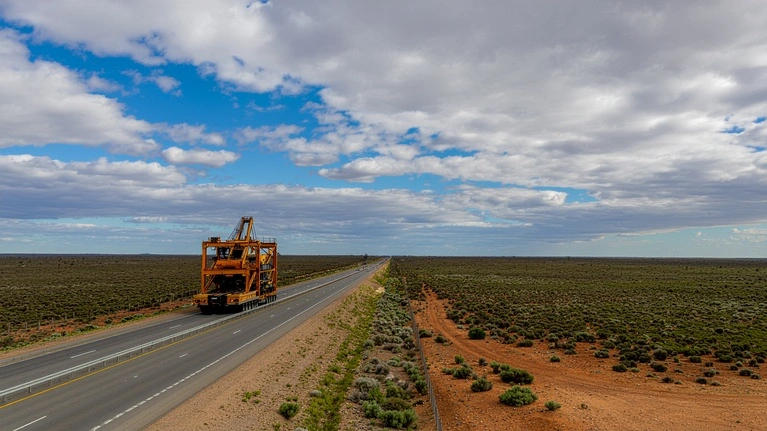
You’re halfway to Margaret River, windows down, music up, and then you see it: the temperature gauge creeping into the red. Your stomach drops. You know what’s coming next, and it’s not good.
Preventing car overheating for WA drivers isn’t just about avoiding inconvenience. It’s about protecting yourself from being stranded on a scorching roadside, potentially hundreds of kilometres from help. When temperatures regularly push past 40 degrees, your car’s cooling system works harder than anywhere else in Australia. Understanding what causes overheating and how to prevent it can save you from expensive repairs, dangerous situations, and a very long wait for help.
Hundreds of overheated vehicles get towed every summer. Most breakdowns could’ve been avoided with basic maintenance and awareness.
Why WA Conditions Are Brutal on Your Engine
Your car’s cooling system was designed to handle heat, but WA summers test those limits relentlessly. When the ambient temperature hits 42 degrees, your engine bay can reach 100 degrees or more. Add stop-start traffic through Perth’s northern suburbs or long highway stretches with no airflow, and you’re asking your radiator to work miracles.
The cooling system relies on a delicate balance: coolant circulates through the engine, absorbing heat, then flows through the radiator, where air cools it down before it cycles back. When any part of this system fails or becomes less efficient, heat builds faster than it can be expelled.
What makes WA particularly challenging: dust. If you’ve driven through the Wheatbelt or up towards Geraldton, you know how fine red dust coats everything. That identical dust clogs radiator fins, reducing airflow and cooling efficiency. Combined with our heat, it’s a recipe for trouble.
The Warning Signs You’re Ignoring
Most drivers miss the early warnings because they’re subtle. By the time your temperature gauge is in the red, you’re already in crisis mode. You need to catch problems earlier.
Watch for these signs:
- Your temperature gauge is sitting higher than usual, even if it’s not in the danger zone yet
- The heater is blowing cool air when it should be warm (indicates low coolant)
- A sweet smell near the engine bay (coolant leak)
- White steam or smoke from under the bonnet
- The engine is working harder than usual, especially on hills
Drivers who ignore gauges creeping up for weeks often discover failing water pumps too late. What could’ve been a $400 repair becomes a $3,000 nightmare when cylinder heads warp.
That’s the thing about overheating: it’s progressive until it’s catastrophic. There’s rarely an in-between.
What Your Cooling System Actually Needs
Your cooling system isn’t complicated, but it needs regular attention. Think of it like your home’s air conditioning – ignore the filters and maintenance, and eventually it’ll stop working when you need it most.
Coolant is the lifeblood. It’s not just water (never use only water in WA). Modern coolant contains additives that prevent corrosion, raise the boiling point, and lower the freezing point. Over time, these additives break down. According to Main Roads WA, vehicle maintenance is a critical factor in preventing breakdowns on major highways.
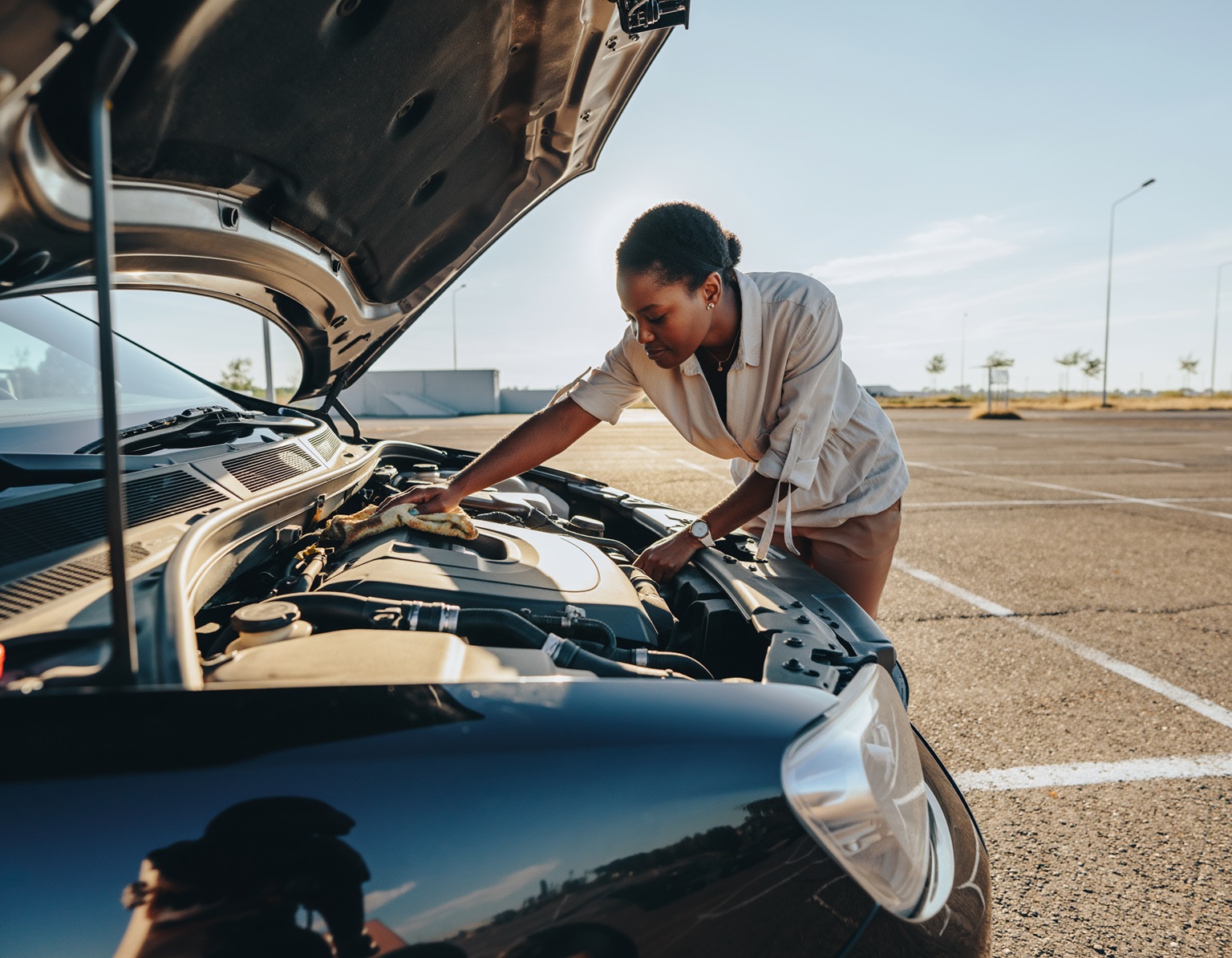
Check your coolant level when the engine’s cold. If you’re constantly topping it up, you’ve got a leak. Don’t ignore this. Leaks get worse, never better.
The radiator needs clean fins and unobstructed airflow. If you’ve been driving on unsealed roads or through dusty conditions, your radiator’s probably clogged. You can’t see this from a casual glance, but a mechanic can check during a service. A compressed air cleaning costs almost nothing and dramatically improves cooling efficiency.
Your thermostat regulates coolant flow. When it fails (and they all eventually do), it either sticks open or closed. Closed means no coolant flows, and you’ll overheat quickly. Open means your engine never reaches proper operating temperature, which causes different problems but still requires replacement.
The water pump circulates coolant through the system. When bearings wear out, you’ll hear squealing or grinding from the front of the engine. Don’t wait. A failing water pump won’t suddenly get better, and when it seizes, you’re done.
The Maintenance Schedule That Actually Prevents Overheating
You don’t need to be a mechanic, but you do need to be consistent. To effectively prevent car overheating in WA conditions, follow this maintenance schedule:
Every fortnight: Check your coolant level when the engine’s completely cold. Top up if needed, but if you’re adding coolant regularly, book a pressure test to find the leak.
Every three months: Inspect hoses for cracks, bulges, or soft spots. Hoses deteriorate from the inside out, so what looks fine externally might be ready to burst. Squeeze them gently. They should feel firm but not rock-hard.
Every six months: Have your cooling system inspected by a professional. This includes checking the radiator cap (yes, it matters), testing coolant strength, and examining the water pump for early warning signs.
Every two years: Flush and replace your coolant entirely. Old coolant becomes acidic and corrodes the system from within. This isn’t optional maintenance; it’s essential prevention.
For those who tow caravans, boats, or trailers regularly, halve these intervals. The extra load generates significantly more heat, and your cooling system degrades faster.
What to Do When You’re Already Overheating
Despite your best efforts, it might still happen. How you respond determines whether you’re dealing with a minor inconvenience or significant engine damage.
First: don’t panic, but do act immediately. As soon as your temperature gauge enters the red zone, pull over safely. Don’t try to “make it” to the next town. Every minute you drive with an overheating engine multiplies the damage.
Turn off the air conditioning. It places an extra load on the engine. If you’re in traffic and can’t pull over immediately, turn your heater on full blast. This draws heat away from the engine into the cabin. Yes, you’ll be uncomfortable, but you might prevent a blown head gasket.
Once stopped, turn off the engine and pop the bonnet (but don’t open it fully yet). Let everything cool for at least 30 minutes. Please don’t touch anything, and absolutely don’t remove the radiator cap when it’s hot. Pressurised coolant at 120 degrees will cause severe burns.
While you’re waiting, call for help. All Out Towing assists countless drivers with overheating issues across Perth and regional WA. Sometimes it’s something simple you can fix roadside; other times, you need a tow to prevent further damage.
After 30 minutes, carefully check your coolant level (the overflow reservoir, not the radiator itself). If it’s low and you have water, add some. If you have no coolant or water, don’t start the engine. You’ll need roadside assistance to either bring coolant or tow you.
The Real Cost of Ignoring Prevention
Overheating damage escalates quickly. A warped cylinder head costs $2,000-$4,000 to repair. A cracked engine block can write off your car entirely. Compare that to a $150 cooling system service, and prevention looks pretty sensible.
But there’s another cost you can’t measure in dollars: being stranded in dangerous conditions. Drivers get pulled off the Brand Highway in 45-degree heat with no phone signal and one bottle of water. That’s genuinely dangerous, especially for families with young kids or elderly passengers.
The Department of Transport WA recommends regular vehicle maintenance as essential for road safety, particularly during the summer months when breakdown risks increase.
Your cooling system doesn’t fail to inconvenience you. It fails because it wasn’t maintained. That’s the uncomfortable truth.
Long-Distance Driving Requires Extra Vigilance
Planning a trip up north or across to the eastern states? Your cooling system needs preparation, not just hope. To prevent car overheating during WA road trips, take these steps:
Before any long trip, have a mechanic inspect your entire cooling system. This includes pressure testing for leaks you can’t see, checking belt tension (a loose belt means poor water pump performance), and verifying your coolant is at proper strength.
Carry extra coolant and water. Not a small bottle – at least five litres of premixed coolant. If you’re heading into remote areas, carry ten litres plus additional water. It’s heavy and takes up space, but so does waiting six hours for help in the middle of nowhere.
Plan your driving around the temperature. If possible, travel during cooler parts of the day. Starting at dawn instead of midday can make a real difference to your engine’s workload.
Watch your temperature gauge constantly on long trips. Not obsessively, but include it in your regular mirror checks. If it starts creeping up, don’t wait to see if it gets worse. Pull over, let things cool, and investigate.
The Mistakes That Make Overheating Worse
Some well-intentioned actions actually cause more problems. What not to do:
Don’t pour cold water on a hot engine. The thermal shock can crack your engine block or cylinder head. If you need to add water, wait until the engine has cooled significantly, and add it slowly with the engine running (if it’s safe to run).
Don’t keep driving because you’re “almost there.” That last five kilometres can destroy your engine. The damage happens fast once overheating begins, and there’s no undoing it.
Don’t rely solely on your dashboard warning light. By the time it illuminates, you’re already in trouble. Watch the actual temperature gauge and respond to rising temperatures before they become critical.
Don’t ignore small leaks. That tiny puddle under your car isn’t harmless. It’s a warning that you’re losing coolant, and eventually, you’ll lose enough to cause overheating. Fix leaks immediately.
Why Professional Help Beats DIY Guesswork
Modern cooling systems are more complex than they used to be. Multiple sensors, electronic fans, and pressurised systems mean DIY diagnosis isn’t always straightforward.
A proper cooling system inspection includes pressure testing, which reveals leaks that only appear when the system’s hot and under pressure. You can’t do this at home with basic tools.
Coolant strength testing requires a refractometer or test strips. Guessing whether your coolant is still adequate doesn’t work. Professional testing tells you exactly when replacement is needed.
If you’re experiencing persistent overheating despite basic maintenance, you need diagnostic equipment to identify the actual problem. Is it a faulty thermostat, a partially blocked radiator, a failing water pump, or something else? Guessing costs more than testing.
For reliable towing services Perth drivers trust, including emergency assistance when overheating leaves you stranded, professional help is always available. Sometimes, the most intelligent decision is admitting you need expertise.
Start with the Simple Stuff
You don’t need to become a mechanic to prevent car overheating. WA summers cause. You need to be consistent with basic maintenance and attentive to warning signs.
Check your coolant level regularly. Have your cooling system serviced according to schedule. Carry emergency supplies on long trips. Respond immediately when your temperature gauge rises.
These aren’t complicated actions, but they’re the difference between reliable motoring and expensive breakdowns. Your car will tell you when something’s wrong – you need to listen.
The WA heat isn’t going anywhere. Your cooling system needs to be ready for it every single summer. Make prevention your priority now, before you’re stuck on the side of Mitchell Freeway watching steam pour from under your bonnet.
If you do find yourself overheating and need help, our team provides 24-hour emergency towing across the metro area and beyond. We’d rather help you stay on the road than tow you off it, but we’re here either way.
Your engine’s counting on you to keep it cool. Don’t let it down. To effectively prevent car overheating WA drivers face each summer, start with these maintenance basics and stay vigilant on the road.