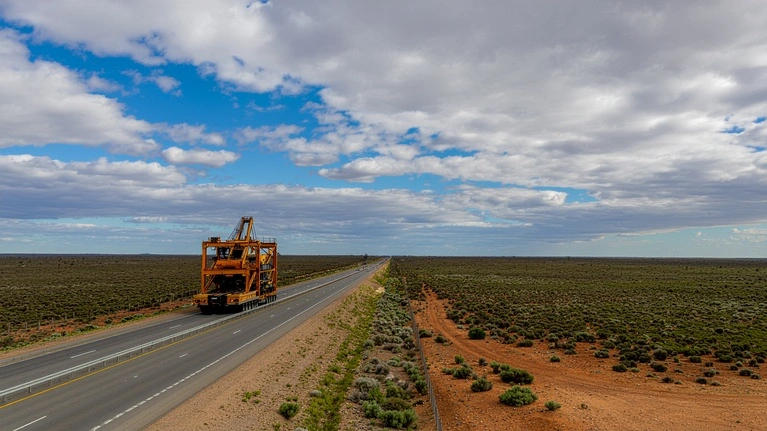
You’ve been planning this road trip for weeks. The route’s mapped, the playlist’s sorted, and you’ve already told your mates you’ll be out of reception for a few days. But there’s one thought you can’t shake: what if the car doesn’t make it on WA’s long, hot stretches?
It’s not paranoia. It’s thoughtful planning. The gap between a perfect coastal drive and sitting on the shoulder waiting for help usually comes down to 30 minutes of checks you didn’t do before you left. Most breakdowns aren’t dramatic failures. They’re predictable issues that show warning signs if you’re paying attention.
Professional towing work across WA shows this again and again. The most frustrated drivers aren’t the unlucky ones. They’re the ones who felt something was off, ignored it, and hoped for the best.
Why Pre-Trip Checks Feel Like Overkill
It’s easy to think, “It’s just a run up the coast, not the Nullarbor.” Your car’s fine doing the commute, so why would a more extended trip be any different? That hesitation’s normal.
What actually happens on a road trip: your car works harder for longer. Highway speeds, heat, heavy loads, roof pods, trailers – everything adds stress. That squeak you ignored in the suburbs becomes a seized brake 200 kilometres from home. The tired battery that just coped last month gives up at the lookout car park after you switch off for photos.
Breaking down away from home feels different. It’s the guilt of wrecked plans, the cost anxiety, and the stress of being far from help. You’re not wrong to feel wary. You’re just worried you’ll find a problem you’ll need to fix.
Start With This Car Road Trip Checklist Perth Drivers Follow
You don’t need to be a mechanic. You’re not rebuilding an engine – you’re spotting obvious risks and confirming the basics are right. Think of your car like your body before a bushwalk: water, good shoes, no blisters-same principle.
Do these checks 3-4 days before you leave. That gives you time to fix anything without delaying the trip. One standard fail: people discover a flat spare only when they actually need it.
Fluids to check:
- Engine oil, coolant, brake fluid, power steering fluid, and windscreen washer fluid.
- Most reservoirs have MIN/MAX markers. Your manual shows the diagrams – even experienced drivers use it.
Engine oil matters most. Pull the dipstick, wipe, reinsert, then check. The level should sit between the marks. If it’s low, top up with the correct grade. If it’s black and gritty, book an oil change. Driving hundreds of kilometres on old oil is like asking your engine to run a marathon breathing through a straw – it will manage for a bit, then struggle.
Coolant is critical in WA heat. Low coolant or rusty fluid means trouble. If the level’s down or the liquid looks dirty, get it checked before you go. Overheating on a remote stretch is avoidable.
Tyres Deserve More Attention Than They Get
Your tyres are the only contact between your car and the road. On long runs, they flex and heat – hour after hour.
- Tread depth: The legal minimum is 1.5 mm, but you want more for a road trip. Use the 20-cent coin check: if you can see the platypus bill, they’re too worn.
- Sidewalls: Look for cracks, bulges, and cuts. A bulge means internal damage and a higher blowout risk at speed.
- Pressure: Under-inflation builds heat and wears tyres fast. Over-inflation cuts grip. Use the sticker in the driver’s door or the manual, and check pressures cold.
Don’t forget the spare, and confirm you have the jack and wheel brace. If you end up stuck with a puncture, our roadside assistance can help with tyre changes and other simple fixes on the spot.
Brakes and Lights Won’t Forgive You
Highway driving means higher speeds and longer stopping distances. If your brakes are marginal now, they’re a gamble later.
- Listen for squealing or grinding.
- Feel for vibrations in the pedal or steering.
- If the car pulls when braking, something’s off.
Check headlights, indicators, brake lights, and reverse lights. Ask someone to stand behind the car while you press the pedal. A blown brake light is more than a defect – it hides your braking from the driver behind.
Battery Health Isn’t Obvious Until It Fails
Batteries often give little warning. WA heat shortens their life, and road trips mean longer AC use, phone charging, and accessories.
- Typical life here is 3-5 years. Can’t remember when yours was replaced? Get it tested before you go.
- Check for white or blue crust on terminals. Clean with bicarb and water, and ensure clamps are tight.
- Slow cranking or dim lights on start-up mean the battery’s struggling.
If your battery dies mid-trip, our 24-hour emergency towing will get you moving or to a workshop quickly.
The Stuff You Can’t See But Should Consider
Belts and hoses work constantly and age quietly.
- Drive belts: No cracks or frayed edges. A squeal on start-up often means loose or worn.
- Cooling hoses: Squeeze gently – they should feel firm but pliable, not hard or spongy. Cracks or bulges mean replace now.
Air filter: Hold it up to the light. If you can’t see light through, it’s clogged. A fresh filter helps performance and economy – an easy win before a long run.
Essential Items for Your Car Road Trip Checklist Perth
Beyond mechanical checks, carry smart supplies. They turn hassles into minor delays.
Pack the basics:
- Water, snacks, first aid kit, torch, phone charger
- Tyre gauge, compact compressor, jumper leads or jump-starter
- Spare tyre, jack, wheel brace
- Hi-vis vest and a warning triangle
Heading regional? Add extra water and a paper map as a backup. Phone GPS is brilliant until you’ve got no signal and a flat battery.
What Professional Help Looks Like
If something feels off – spongy brakes, a new noise, uncertain fluid levels – a pre-trip inspection is a smart move. A mechanic can spot what’s hard to see on the driveway: suspension wear, leaks, and faults flagged by diagnostics.
Planning to tow a van or gear? That adds weight and heat. A quick professional check can save a holiday. If you’re uncertain on the day, get in touch, and the team at All Out Towing can talk you through options or arrange help.
The Guilt You’re Probably Feeling
Think you should already know all this? Most drivers don’t do thorough pre-trip checks. You’re not behind; you’re doing the right thing now.
Cars are so reliable that it’s easy to get complacent. Responsible drivers aren’t the ones who never have issues. They’re the ones who act early when they can prevent them.
Finding a problem during checks doesn’t “create” it. It means you’ve caught it on your driveway, not on a lonely stretch in the Wheatbelt.
Building Confidence for Next Time
The first complete check can feel overwhelming. Confidence comes from repetition.
- Take photos of correct fluid levels for reference.
- Record tyre pressures and dates of oil changes.
- Keep a simple note in your phone with service milestones.
The more you do this, the more you’ll notice patterns. You’ll spot when something sounds different or feels off. That intuition saves more drivers than any gadget.
Your Road Trip Deserves This Effort
You’ve spent time planning routes and accommodation. Give your car the same respect. A road trip should feel easy and enjoyable, not anxious.
WA’s coastline, the South West, the Wheatbelt – they’re all worth the drive. Confidence doesn’t come from hope. It comes from doing the checks that keep you moving.
Unsure about anything? Contact our 24/7 team. We’d rather help you prevent a breakdown than rescue you from one. And if the unexpected happens, our roadside assistance and 24-hour emergency towing are ready to help anywhere across Perth and regional WA.