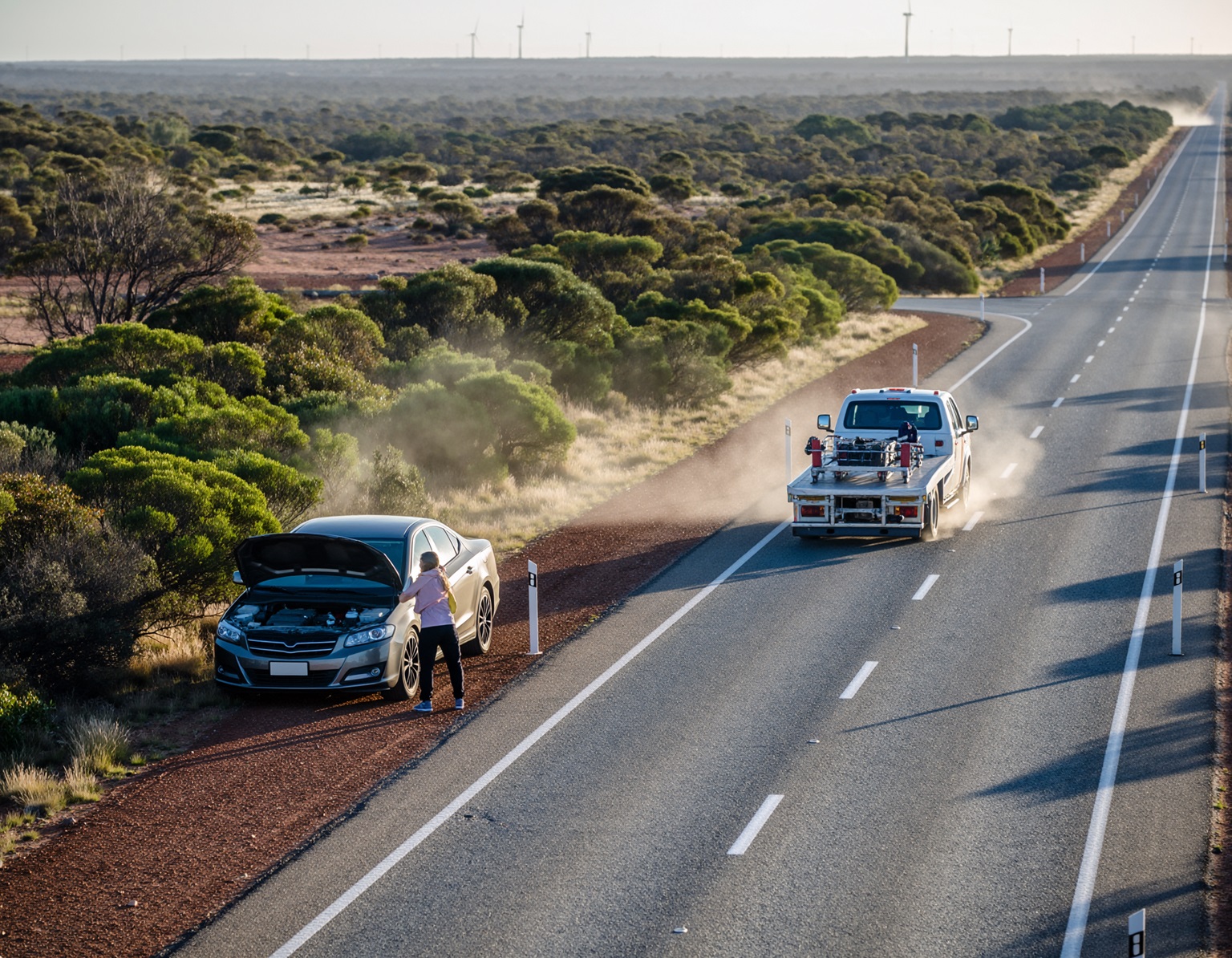
Breaking down on the side of the road is one of those moments every driver dreads. You flick on your hazard lights, traffic rushes past, and you’re left wondering whether your insurance actually covers the help you need. It’s a confusing situation that highlights how few people truly understand what their roadside assistance insurance WA policy includes.
Most drivers only discover their coverage limits when they’re already stranded. This guide explains, in simple terms, how roadside assistance coverage works, what’s typically included, and where the common gaps appear – so you can make informed decisions before you’re caught off guard.
What Roadside Assistance Actually Means
Roadside assistance is designed to help when your car stops working due to a mechanical failure, not because of an accident or theft. It covers fundamental issues such as flat batteries, punctures, or running out of fuel.
While some comprehensive insurance policies in WA include basic roadside cover automatically, others treat it as an optional extra. The difference is in the detail. One insurer’s “full cover” may still exclude towing beyond a short distance, so it’s essential to check what those promises actually mean in practice.
Why Your Policy Probably Isn’t What You Think
Insurance terms can be misleading. Many policies limit assistance to a radius around your home, cap towing distances at 25 or 50 kilometres, or restrict how many callouts you can make each year.
This is often where frustration sets in. You’ve paid for cover and assumed it meant complete peace of mind, only to discover those limits at the worst possible time. Understanding these restrictions upfront can save both money and stress later.
The Real Limits Hidden in Your Roadside Assistance Insurance WA Cover
Every roadside assistance insurance WA policy comes with limitations, usually hidden in the fine print. Common examples include:
- Towing distance: Usually capped at 25-50 kilometres. Anything beyond that incurs an extra cost per kilometre.
- Callout limits: Most insurers allow three or four callouts a year.
- Assistance types: Some exclude services like fuel delivery, tyre replacement, or lockouts.
- Geographic coverage: Many exclude unsealed or remote roads.
- Vehicle eligibility: Modified or older vehicles may attract higher excess or be excluded altogether.
It’s worth setting aside a few minutes to read through these details. It might feel tedious, but it’s far better than learning the hard way when you’re stuck on the roadside.
What Standard Cover Usually Includes
Despite differences between providers, most roadside assistance insurance WA policies include the following basics:
- Jump-starting a flat battery
- Changing a flat tyre (if a usable spare is available)
- Emergency fuel delivery (often limited to once per year)
- Lockout assistance
- Towing to the nearest repairer within your policy’s distance limit
Standard cover is designed to get you moving again, not necessarily to your preferred destination. Knowing these limits helps you plan better before a problem happens.
When Your Insurance Won’t Help
Specific scenarios fall outside standard roadside cover, such as:
- Getting bogged down on unsealed roads or in floodwater
- Damage caused by misuse or neglect
- Modified vehicles or commercial use (rideshare, deliveries)
You’re not expected to be an expert on policy language. The key is to recognise that these exclusions exist and confirm whether they apply to your situation.
Standalone Versus Insurance Add-On
There are two main ways to access roadside assistance in WA:
- Add-on cover through your car insurance – convenient but limited.
- Standalone membership – more expensive but often with better coverage, longer towing distances, and Australia-wide protection.
The right choice depends on your driving habits. For shorter metro trips, insurance add-ons are usually fine. If you drive longer distances or own an older vehicle, a standalone plan can quickly pay for itself after just one tow.
What Professional Towing Companies Actually Do
When roadside assistance is included in your policy, your insurer dispatches a local towing provider to help. At All Out Towing, we handle many of these insurance callouts across Perth and regional WA.
The insurer authorises a specific level of service based on your policy. If that includes a 25-kilometre tow but you need to go 40, you’ll usually pay the difference directly. The driver doesn’t set these limits – they’re part of your insurance agreement.
If your coverage doesn’t apply or you’ve exceeded your allowance, you can still arrange help through our roadside assistance or 24-hour emergency towing services. You’ll pay directly, but you won’t be left stranded waiting for insurer authorisation.
How to Actually Check Your Coverage
Before you need it, review your insurance documents for details such as:
- Maximum towing distance
- Number of annual callouts
- Coverage area (metro only or statewide)
- Excess or distance surcharges
- Coverage for remote or unsealed roads
- Vehicle eligibility and exclusions
If anything is unclear, contact your insurer directly and ask specific, real-world questions. For example: “If I break down 60 kilometres from Perth, what would I need to pay for towing?” The clearer the answer, the fewer surprises later.
The Difference Between Mechanical and Accident Cover
It’s essential to know the distinction between roadside assistance and accident towing.
Roadside assistance covers mechanical issues – flat tyres, dead batteries, or engine failure. Accident towing, on the other hand, is activated when your vehicle is damaged after a collision or impact.
Calling the right service matters because each follows a different authorisation process. If it’s a breakdown, call roadside assistance. If it’s an accident, it’s handled under your comprehensive policy and professional accident towing services.
When You Should Upgrade Your Roadside Assistance Insurance WA Cover
An upgrade makes sense if you:
- Drive an older car that’s more likely to break down
- Frequently travel beyond Perth’s metro area.
- Have multiple drivers using the exactme vehicle
- Depend on your car for work or family responsibilities. ies
In our experience, many drivers only realise the value of extended coverage after their first long-distance breakdown. The small yearly cost often saves hundreds later.
What to Do When You’re Actually Stranded
If your car breaks down:
- Pull over safely and switch on hazard lights.
- Find your insurer’s roadside assistance contact number.
- Provide a precise location and describe the problem clearly.
- Confirm what’s covered before the tow truck arrives.
- If coverage doesn’t apply, call our 24-hour towing team for immediate help.
- Stay away from live traffic if your location isn’t safe.
Knowing what to do next helps reduce stress and keeps you safe while waiting for assistance.
The Real Cost of Inadequate Cover
Saving $50 a year on your policy might be brightmart – until you’re paying hundreds out of pocket for a long-distance tow. We regularly attend jobs where limited insurance cover leaves drivers with unexpected costs they thought were included.
Having clear, adequate roadside coverage isn’t just financial protection – it’s peace of mind.
Start Here, Not With Perfection
You don’t need the most expensive roadside assistance in WA. You just need a cover that matches your driving habits and gives you confidence when something goes wrong.
For everyday Perth drivers, basic cover might be enough. For regional trips, older vehicles, or family cars, upgrading can be the more brilliant move.
If you’re unsure what your current policy includes, get in touch with our team for practical advice or immediate towing support. We’ve helped countless WA drivers get back on the road quickly and safely – whether their insurance covered it or not.
Your roadside assistance insurance WA policy is only as good as your understanding of it. Taking the time to review it now can save you a lot of frustration later.