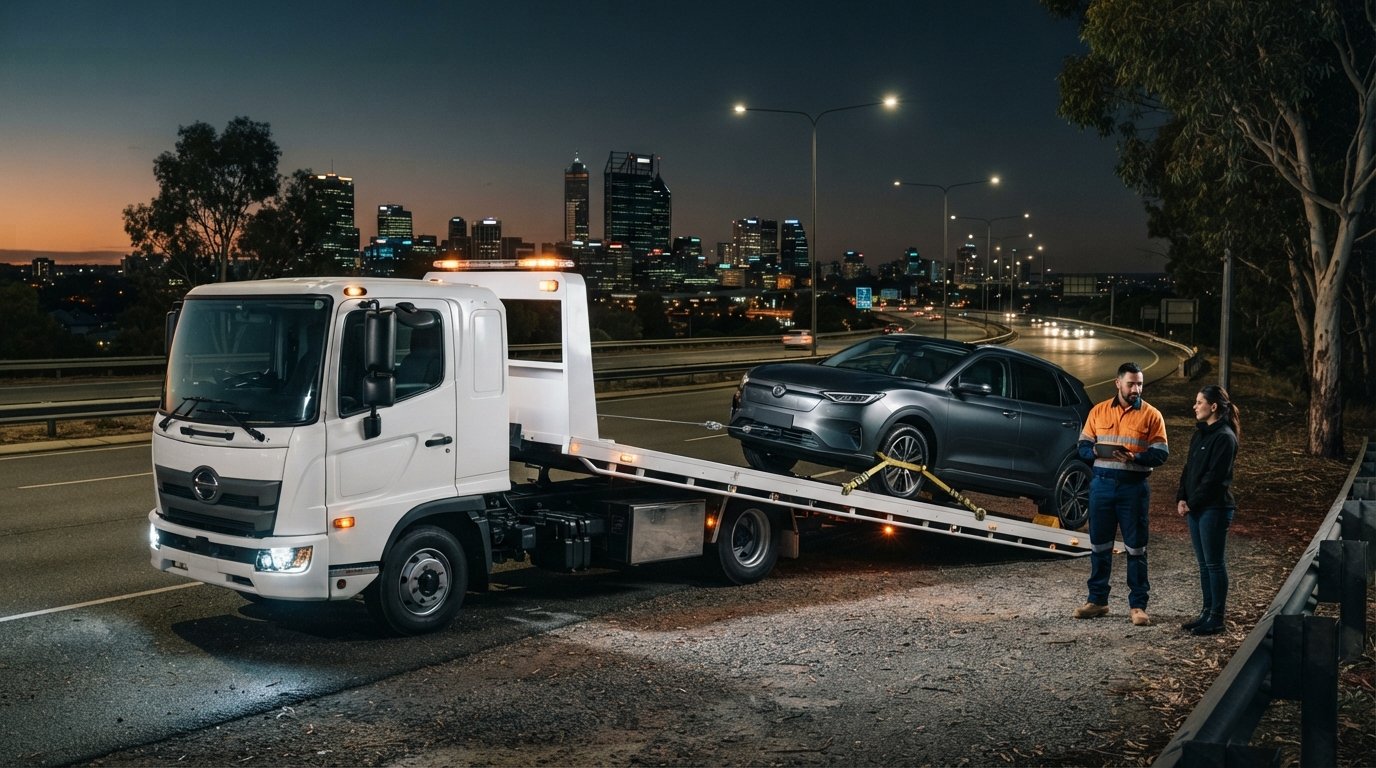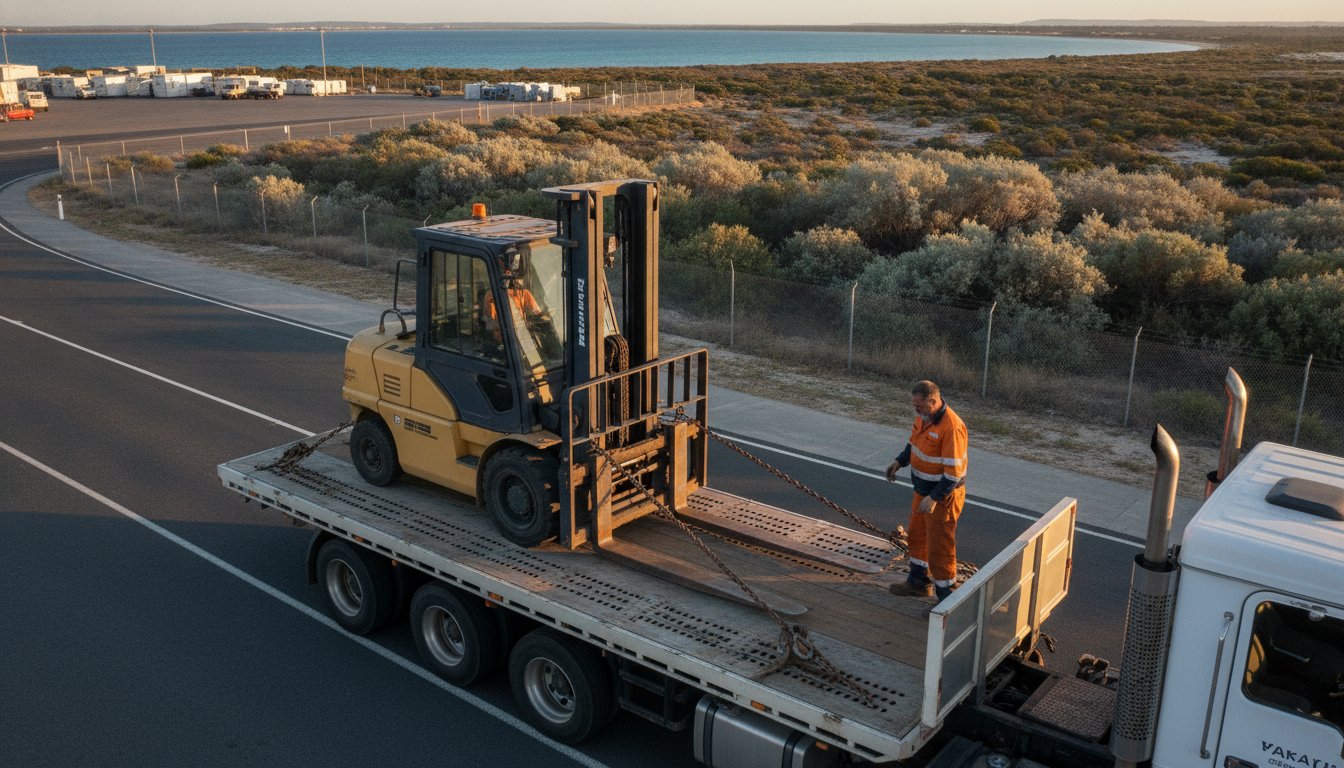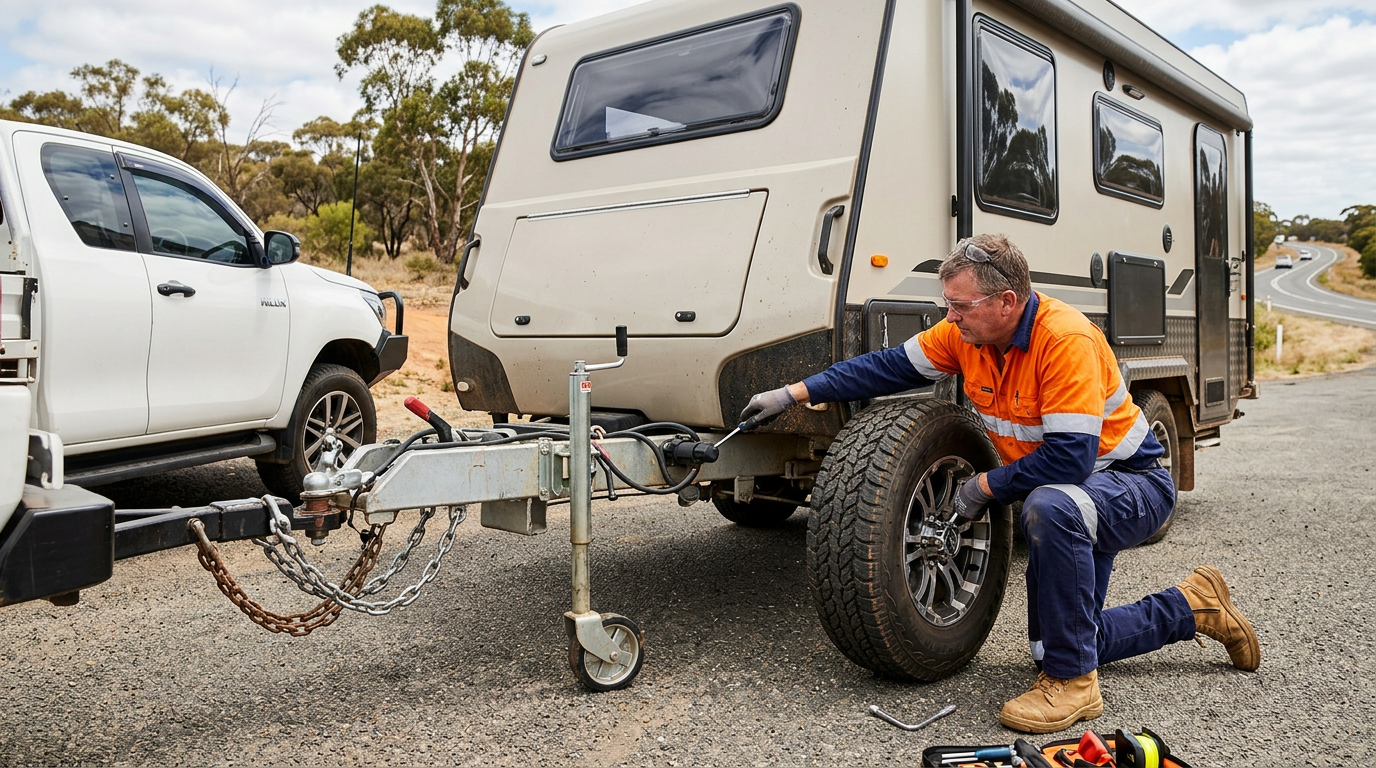
A caravan safety tow can be the right choice when a van needs inspection but should not be driven there. Moving a questionable caravan under control is safer than testing it in traffic.
Controlled camper movement is especially useful before long trips, after storage or when the owner has already noticed brake, bearing or tyre concerns. The tow protects the van and the people around it.
When a Caravan Safety Tow Makes Sense
A caravan does not have to be stranded to need transport. It may need to reach a workshop, tyre shop, storage yard or home address without adding more kilometres to a faulty setup.
Warning signs include hot hubs, uneven tyre wear, cracked tyres, brake drag, faulty lights, unstable coupling or sway during a short test run. Each sign should be treated calmly.
Inspection Before Travel
A pre-trip inspection is easier when the caravan arrives safely. The repairer can check brakes, bearings, suspension, tyres, electrics and coupling without relying on a risky road move.
Planned camper transport can also help when registration, weight or roadworthiness questions need to be resolved before the holiday begins.
Check Access Before Booking the Tow
Caravans can be difficult to collect from tight driveways, narrow storage bays and sloped blocks. Access details should be discussed before the truck arrives.
Useful details include caravan length, estimated weight, wheel condition, hitch type, tyre status, whether it can roll and whether the site has overhead clearance limits.
Loading Space and Turning Room
The truck needs space to line up, load and leave safely. Low trees, steep crossovers and parked vehicles can affect the method used.
A good caravan safety tow starts with the right information. It prevents a simple inspection move from becoming a difficult recovery job at the kerb.
Why Equipment Choice Matters
Caravans can carry fragile fittings, steps, stabilisers, pipework and low rear sections. Loading angle and tie-down planning matter because damage can happen during movement, not only on the road.
Allout Towing Services brings more than 30 years of towing experience to Northern Perth and wider WA. The company describes itself as family-owned and fully insured.
Deck Rating and Tie-Down Planning
The tow setup should suit the caravan’s weight, length and condition. Deck rating, load angle and tie-down positions all influence whether safe camper transport is practical.
Allout Towing Services runs a tow fleet that supports cars, caravans, boats, motorcycles, trucks and specialist loads up to 10 tonnes.
Preparing the Caravan for Collection
Before the truck arrives, remove loose items where practical. Close roof vents, secure doors, retract steps and note any known damage.
The owner should also confirm whether the caravan can be unlocked, whether keys are available and whether the jockey wheel or handbrake works. These details affect loading.
Documentation to Keep Handy
Keep the registration, repairer address, storage access details and any insurance instructions available. If the tow is connected to a claim, those notes help the operator document the move.
The same careful custody approach used for prestige car towing can apply to a caravan. The asset may be practical, but it still needs damage-conscious handling.
Avoiding Risky Short-Distance Drives
Many owners are tempted to drive a caravan a few streets to the workshop. That can be risky when brakes, bearings or tyres are already suspect.
A short drive can still involve roundabouts, intersections and braking. A failed bearing or tyre at low speed can damage the van and create a traffic hazard.
The Safer Workshop Move
A planned tow is usually calmer than a roadside recovery. The pickup point, destination and access can be checked first.
Safe camper transport also gives the repairer a clearer starting point. The caravan arrives without extra damage from one last risky trip.
After the Inspection Tow
Once the caravan reaches the workshop, ask for written notes about the reason it was unsafe to tow. That helps with maintenance records and future trip planning.
If the van needs further movement after repair, confirm whether it is safe to tow normally. A second controlled move may be needed if parts are delayed or the work is incomplete.
A caravan safety tow should be treated as part of the maintenance plan, not as a failure. It is a practical way to manage risk before the road trip starts.
Owners should also ask the workshop what information it wants before arrival. Some repairers need the caravan parked in a specific bay, left unlocked or delivered during a narrow booking window. Passing those instructions to the tow operator avoids a second movement inside the yard.
If the caravan has been stored outside, mention soft tyres, seized jockey wheels, locked brakes or low battery power before collection. These details help the operator prepare loading equipment and reduce handling surprises.
It is also worth checking whether the destination needs the caravan delivered nose-in or nose-out. That small detail can save time when workshop space is tight.
FAQ
Can a caravan be towed to a workshop without being roadworthy?
Yes, if it can be loaded safely and the operator has suitable equipment. The exact method depends on weight, access, tyre condition and whether the caravan can roll.
What information should be given before booking?
Provide the caravan length, estimated weight, pickup address, destination, access limits, known faults and whether the wheels, brakes and coupling still work.
Is a short drive to the repairer safer than a tow?
Not always. If the fault involves tyres, bearings, brakes or coupling, a short drive can still create damage or traffic risk.
Conclusion
A caravan safety tow gives owners a safer path to inspection when the van should not be tested on public roads. Allout Towing Services provides specialist tow service support for caravan workshop moves and careful transport. To arrange safe camper transport, call (0418) 959 216.