An emergency tow does not end when the vehicle leaves the roadside. The insurer may still need clear records before the claim can move forward.
The recovery record should show what happened, where the vehicle was collected and where it was delivered. Invoice details help connect the recovery to the claim file.
Why Post-Tow Documentation Matters
Insurance teams may need evidence they can process. A vague receipt or missing destination can create extra questions after the tow.
Allout Towing Services handles recovery work across Northern Perth and wider WA with a family-owned approach. The business states that it has more than 30 years of towing experience.
The Basic Claim Record
The driver should keep the tow invoice, claim number, insurer contact, vehicle registration and delivery address. Photos from the scene may also help if safe to take.
Towing invoice details should be stored with repairer notes and insurer emails. Keeping everything together saves time later.
What the Tow Invoice Should Show
A useful invoice should include the amount of the charges payable and the available payment methods. For crash towing, the separate Authority to Tow form contains specific information about the vehicle, towing service, pickup and destination.
Allout Towing Services uses a tow fleet for cars, boats, caravans, motorcycles and specialist loads up to 10 tonnes. The company’s website should be used as the source for its current fleet and service capabilities rather than assuming every recovery uses the same equipment.
Checking Names and Addresses
A small error in the vehicle owner name or delivery address can create confusion during a claim. The driver should check the documentation before sending it to the insurer.
The recovery record should also confirm whether the vehicle went to a repairer, depot, assessment yard or home address.
Extra Details That Help the Insurer
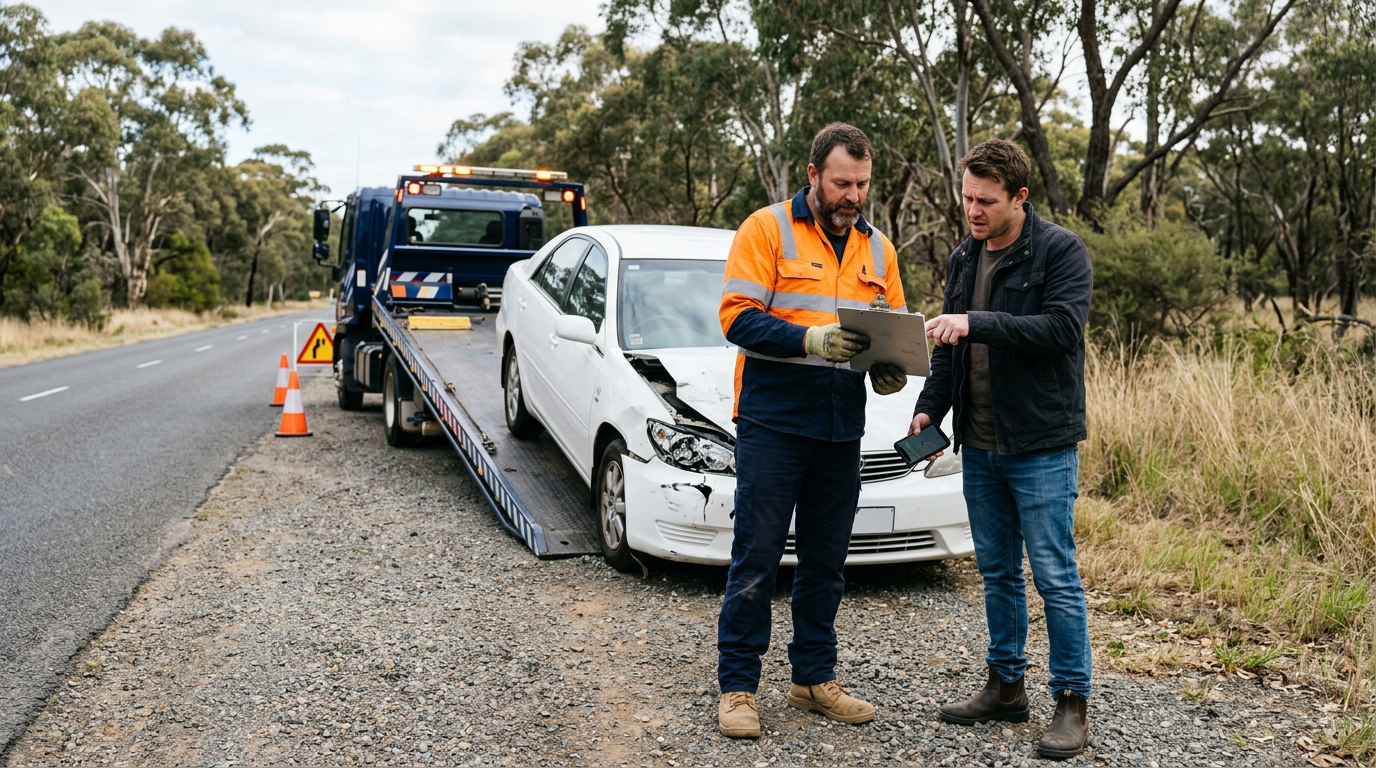
The insurer may ask why the vehicle could not be driven. Notes about steering damage, wheel damage, fluid leaks or safety concerns can help.
If the vehicle was loaded because it was unsafe, that should be clear from the record. The tow reason should match the claim context.
When Specialist Recovery Was Needed
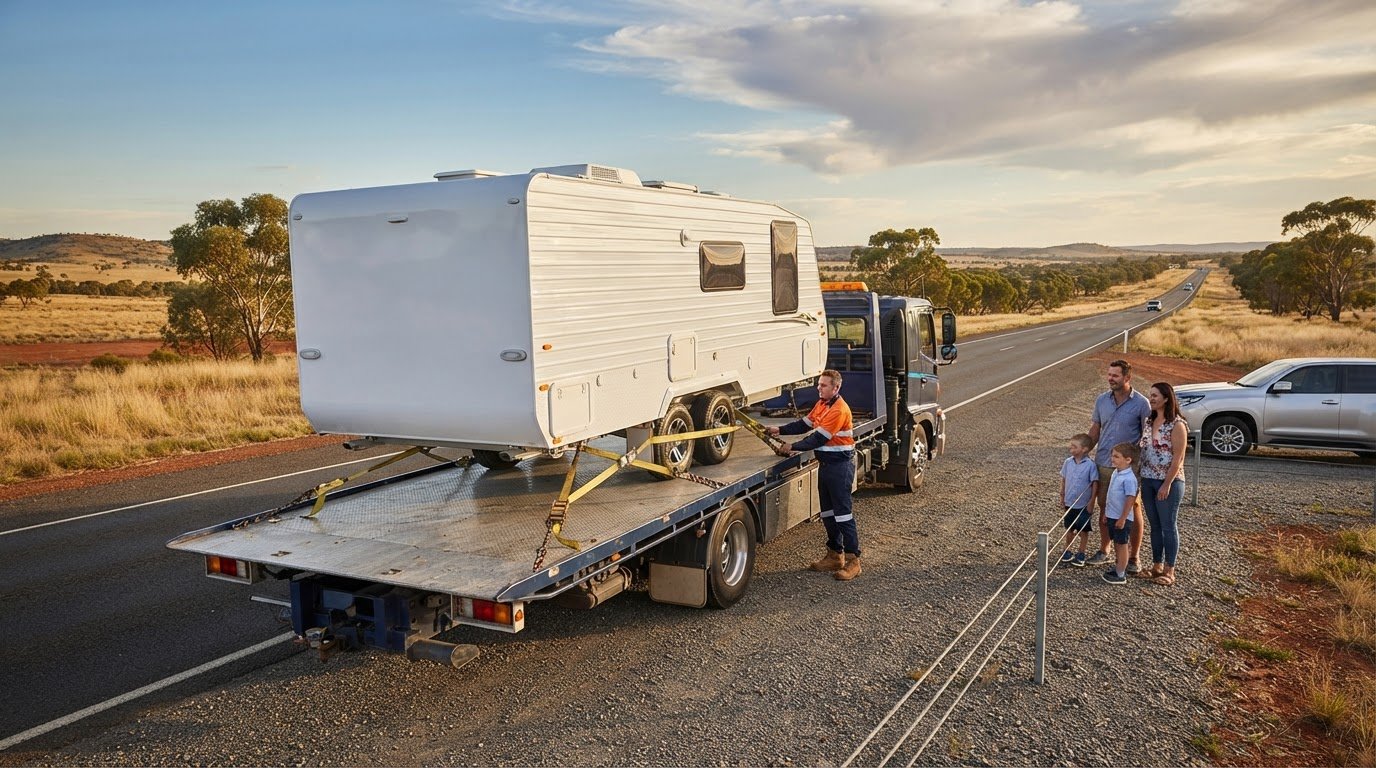
Some vehicles need special handling due to access, damage, weight or low clearance. That can affect the cost and method.
For these recoveries, specialised vehicle transport provides a clearer service context. It shows the job involved more than a simple roadside move.
Commercial and Fleet Paperwork
A business vehicle may need more records than a private car. The manager may need driver notes, job number, claim reference and delivery confirmation.
Towing invoice details should match internal fleet records. This helps the business reconcile costs and update the insurer.
Heavier Vehicles and Cargo Notes
If the vehicle carried tools, stock or equipment, the driver should record what remained inside. Cargo can affect recovery, storage and claim handling.
For heavier work vehicles, principles from heavy equipment towing may apply. Load weight and access details should be documented.
Protecting Vehicle Condition After Delivery
The condition of the vehicle at delivery matters. For regulated crash towing in WA, towing businesses have record-keeping obligations that include photographs showing the condition of towed vehicles before and after the tow.
The care standards used in prestige vehicle transport are useful for any vehicle where extra damage must be avoided. Careful loading and clear handover notes reduce disputes.
Sending the Information
Send the insurer a tidy packet rather than scattered screenshots. Include the invoice, claim number, registration, delivery address and any relevant photos.
Claim records do not have to be long. They should contain enough accurate information for the insurer to understand the recovery and process the claim.
Avoiding Missing Information
Missing information usually creates more work later. A driver may have to call the operator, insurer or repairer again to confirm basic facts.
A simple checklist avoids that problem. Before sending the claim packet, check the registration, date, pickup point, delivery point, payment note and claim reference. If any item is missing, ask for it while the recovery is still fresh.
Drivers should send information in one clear message where possible. The insurer should not have to piece together the tow date from one screenshot, the destination from another and the registration from a phone call. A single claim note can prevent that confusion.
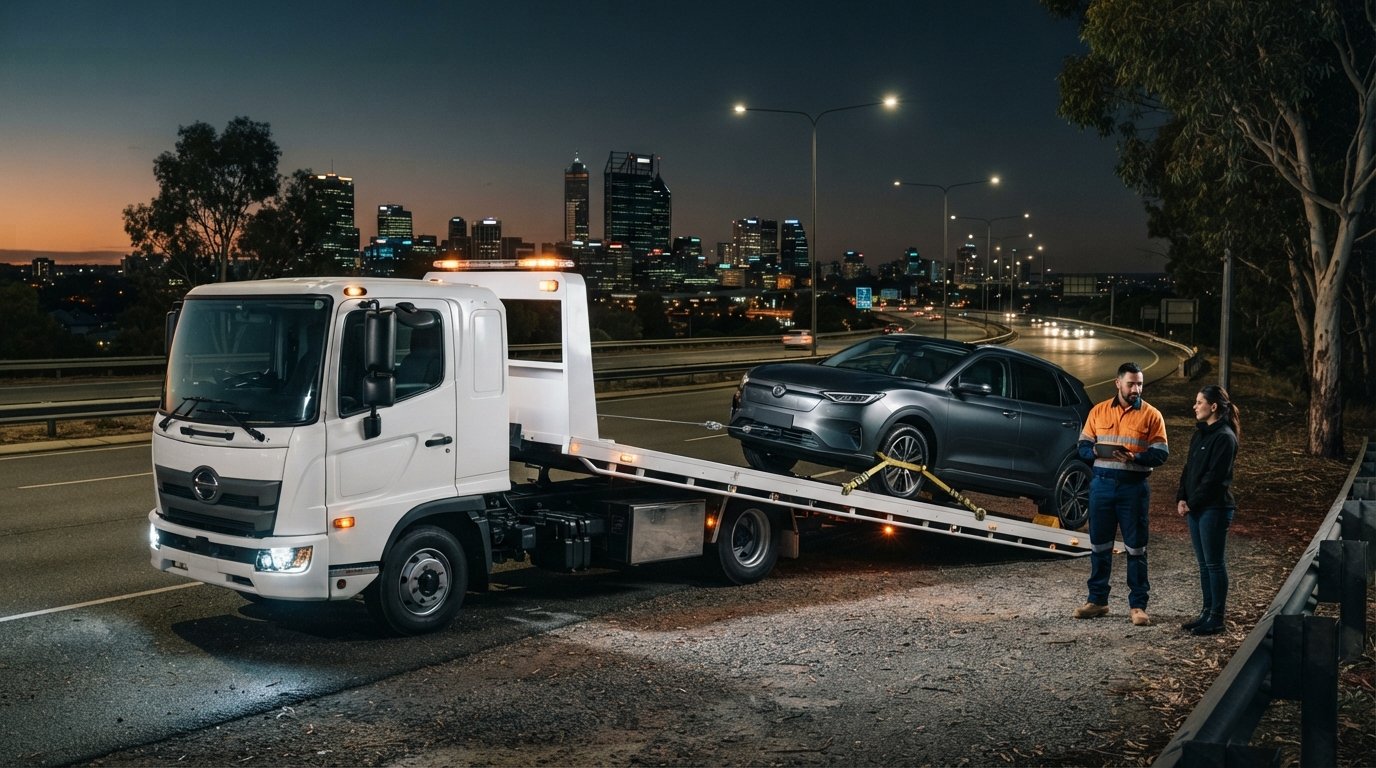
The note can be brief. It may say where the vehicle stopped, why it was towed, where it was delivered and which invoice is attached. If the tow was arranged at night or in bad weather, that context can explain why immediate recovery was needed.
Repairers also benefit from clean records. If the vehicle arrives before the claim is opened, the invoice and delivery note can help match the car to the right customer file.
A driver should keep copies until the claim is closed. Storage, assessment and payment questions can appear days after the roadside problem has passed.
A clean file should also include any storage instructions. If the vehicle is at a yard, the insurer may need to know when storage began and who authorised it. If the vehicle was taken home, the insurer may need photos before repair approval. Clear notes make those next steps easier. They also help the driver answer questions without relying on memory.
The driver should also note who received the vehicle and whether keys were handed over safely at delivery. Clear handover records are useful after recovery is complete.
FAQ
What post-tow documentation should be kept?
Keep the tow invoice, claim number, vehicle registration, delivery address, operator details, photos and repairer notes where applicable.
Which towing invoice details matter most?
The invoice must set out the amount of the charges payable and the available payment methods. For crash towing, the Authority to Tow also records important details such as the pickup location, destination, vehicle and towing service.
Should photos be sent to the insurer?
Photos can help if they were taken safely. They should show vehicle damage, location context and delivery condition where relevant. WA towing businesses also have specific photo record-keeping obligations for crash towing.
Conclusion
Post-tow documentation helps the insurer connect the recovery, invoice and vehicle destination without delay. Allout Towing Services provides specialist tow service support for emergency recoveries that need clear records. To confirm towing invoice details after a recovery, call (0418) 959 216.