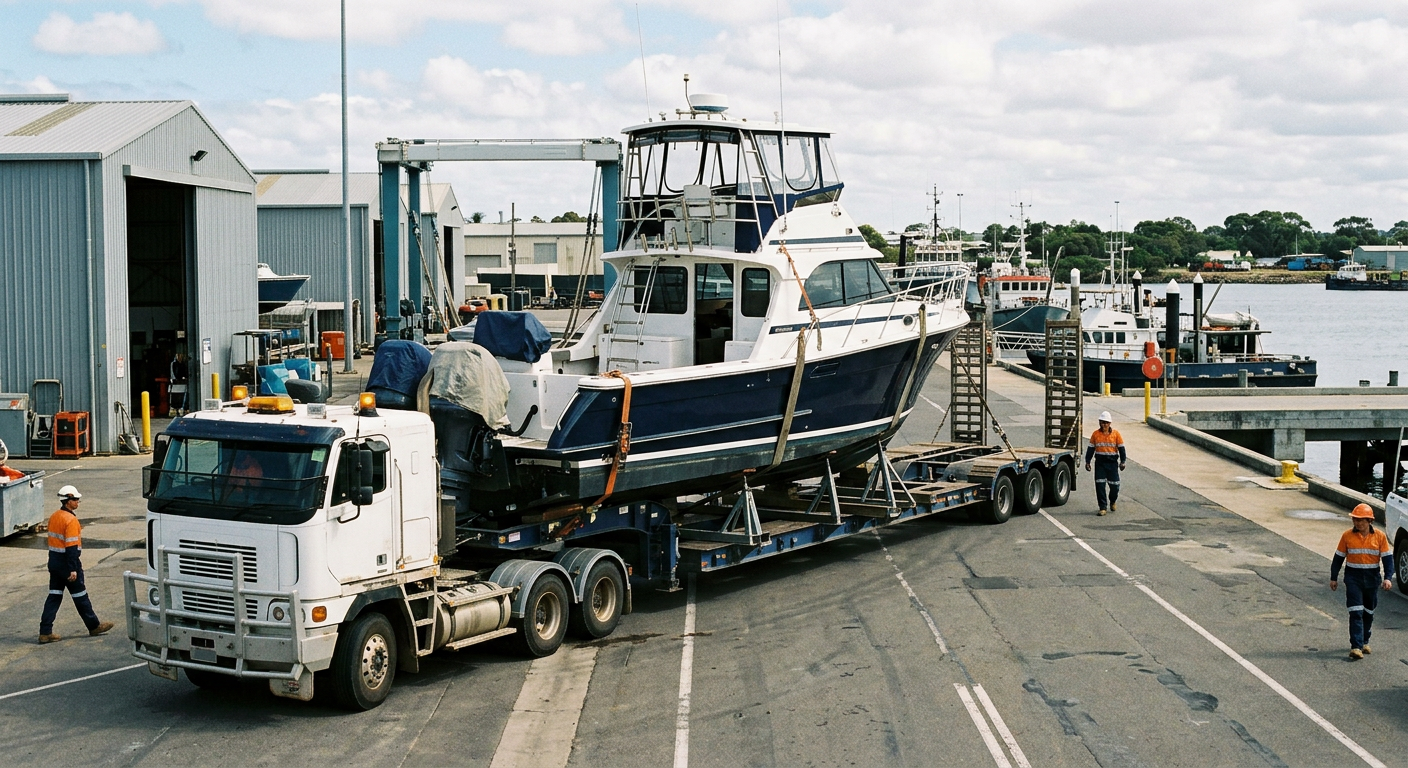
Marine service work often begins before a vessel reaches the workshop. A boat may need to be transported from a marina, storage facility, private property or another location before repairs, maintenance or other work can begin.
Marine vessel logistics require more than arranging a truck and a delivery time. The boat’s dimensions, approximate weight, trailer condition, pickup access and destination requirements should all be considered before transport.
For marine businesses and boat owners arranging a planned move, Allout Towing Services provides towing and transport services across Perth, including boat towing and specialised towing. The company has more than 30 years of towing experience and operates 24 hours a day, seven days a week.
Why Marine Vessel Logistics Matter Before Service
A service appointment can become difficult if the vessel cannot be moved using its existing trailer or if the pickup location presents access challenges. Trailer faults, restricted access and the size or weight of the boat can all affect the transport method.
Marine vessel logistics should therefore begin with an assessment of the boat, trailer and locations involved. Providing accurate information before the booking gives the towing operator a better understanding of the transport requirements.
Service Timing and Access Windows
A boat may need to move between several locations during its service cycle. For example, it could be collected from a private property, transported to a marine workshop and later moved to storage or another destination.
Each location can have different access requirements. Confirm the pickup point, delivery point, available space and preferred timing before transport is arranged.
If the boat is being delivered directly to a workshop, the receiving business should also know when the transport is expected. This gives staff an opportunity to prepare the required space before the vessel arrives.
Check Whether the Trailer Can Be Used
The condition of the boat trailer can determine whether the vessel should be towed on its own trailer or transported using alternative equipment.
Before a service move, inspect visible components including the tyres, coupling, lights, safety chains and winch. Trailer brakes and wheel bearings should also be maintained according to the manufacturer’s requirements.
If the trailer has known mechanical or structural problems, disclose them before booking. A damaged or unsuitable trailer should not simply be used on public roads because the workshop is nearby.
When Loading Is Safer Than Towing
Alternative transport may be appropriate when the trailer cannot safely complete the journey or when the boat requires different transport equipment.
Allout Towing operates a modern tow fleet with different trucks and capacities. Its published fleet includes tilt slide trucks with 4.5-tonne capacity and a heavier tilt slide truck with a 10-tonne capacity. The appropriate equipment depends on the actual dimensions, weight and requirements of the load.
Rather than assuming a particular truck will be suitable, provide the boat’s approximate weight and dimensions, trailer condition and pickup and delivery details when requesting transport.
Protecting the Vessel During Handling
A boat should be prepared and secured appropriately before transport. Loose equipment, covers and other items should be secured or removed so they cannot shift during the journey.
The loading method should also account for the boat’s dimensions, weight and the equipment being used. The objective is to move the vessel using suitable equipment and appropriate securing methods without placing unnecessary stress on the boat or its fittings.
Weight Distribution and Tie-Downs
Accurate load information is important for any transport job. The boat’s approximate weight should include relevant equipment and the trailer where the trailer is being transported with the vessel.
Tie-down equipment should be suitable for the load and used in accordance with the requirements of the boat, trailer and transport equipment. If the vessel has an unusual configuration or specific handling requirements, communicate these details before the move.
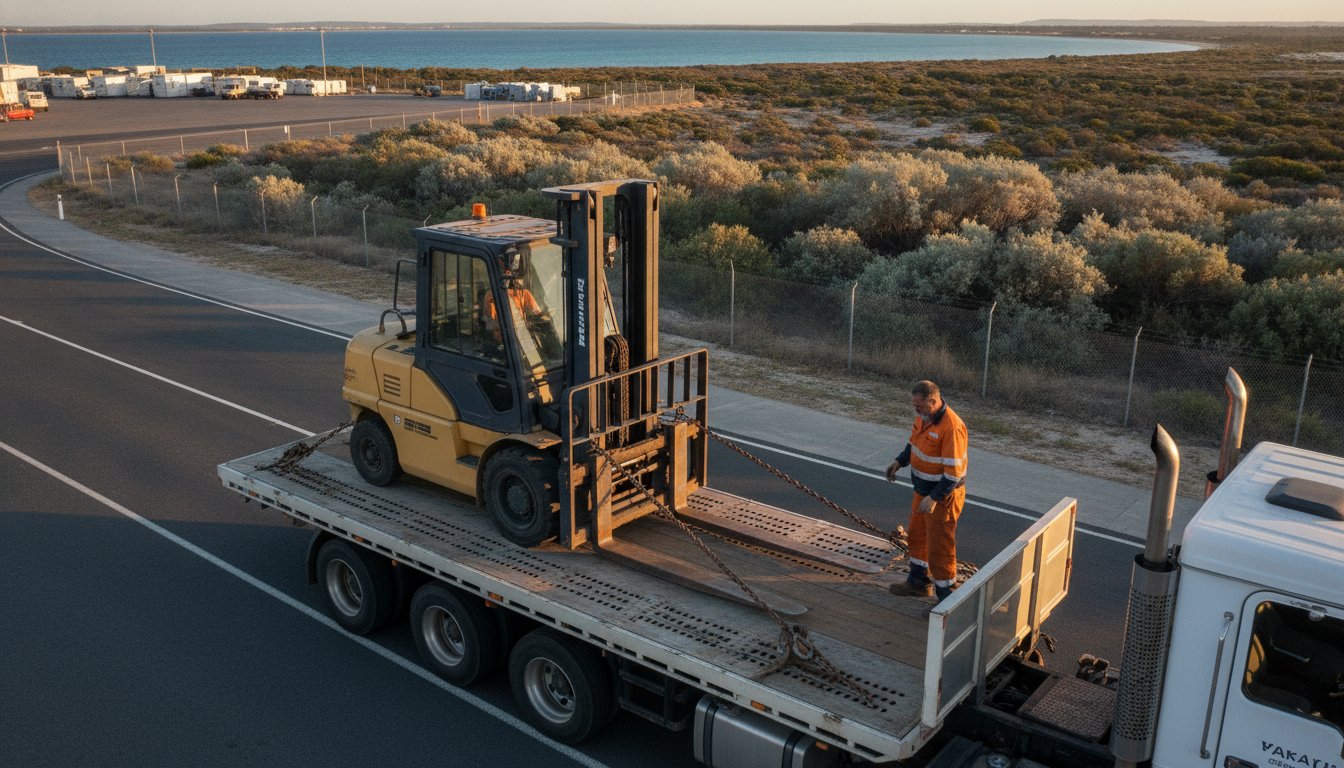
The general load-planning principles used for machinery transport service can also illustrate why weight, dimensions, equipment capacity and access need to be assessed before transporting a larger or unusual load. Allout Towing’s heavy machinery service itself is separate from its boat towing service.
Coordinating With Marine Businesses
A transport booking should fit around the receiving workshop’s requirements. Marine businesses may need the vessel delivered to a particular bay, yard area or access point before work can begin.
Provide the workshop with the expected delivery timing and confirm where the vessel should be positioned. If the workshop has restricted access or specific receiving procedures, communicate those details to the towing operator before dispatch.
Reducing Unnecessary Handling
Planning the delivery point in advance can reduce the need for additional repositioning after the boat arrives.
If the workshop has identified a particular location for the vessel, provide those instructions before transport. This can help the operator and workshop team coordinate the handover more efficiently.
For higher-value vessels, the general principles used in prestige vehicle transport provide a useful comparison. Allout Towing’s prestige vehicle service focuses on careful transport of valuable vehicles, although the service itself is specifically for prestige and classic cars rather than boats.
What to Confirm Before the Move
Before booking marine vessel transport, confirm the following details:
- Boat length and approximate total weight
- Trailer type and condition
- Pickup address
- Delivery address
- Available access at both locations
- Any known mechanical or structural issues
- Whether the vessel has loose equipment or removable items
- Preferred delivery timing
- Contact details for the receiving workshop or business
Photos can also help when the boat, trailer or access point is difficult to describe.
Insurance and Responsibility
Insurance arrangements should be understood before transport, particularly when a vessel has significant financial value.
Do not assume that a particular insurance policy automatically covers every type of transport, loading or damage scenario. Boat owners and marine businesses should confirm their own insurance requirements and ask the towing provider what coverage applies to the transport being arranged.
Allout Towing states that it can bill major insurance providers directly in applicable towing situations, although insurance arrangements depend on the circumstances and insurer involved.
Where insurance is relevant to a particular move, confirm the arrangements before the transport takes place rather than relying on assumptions about coverage.
Handover Notes for the Workshop
The receiving workshop should know how the boat is expected to arrive. It may remain on its trailer, arrive using alternative transport equipment or require positioning at a specified location.
A basic handover record can include the vessel’s condition, visible trailer issues, loose equipment and any instructions relevant to positioning.
Clear notes can help the workshop understand the condition of the boat and trailer before service work begins. They can also be useful if the vessel needs to be collected again after repairs.
Preparing for the Next Move
Marine service work can involve several transport stages. A boat may need to return from the workshop to storage, a marina or another property after the work is completed.
Keeping the pickup and delivery details organised makes the next transport easier to arrange. If the trailer has been identified as needing repairs, that should also be addressed before the vessel is expected to travel on it again.
A consistent transport process helps owners, workshops and towing operators understand who is responsible for each stage of the move.
FAQ
What is included in marine vessel logistics?
Marine vessel logistics can include pickup planning, trailer assessment, transport equipment selection, access planning, delivery coordination and handover arrangements.
When does a boat need specialist boat handling?
Professional assistance can be useful when a vessel is large, valuable, difficult to access, has a trailer problem or requires alternative transport equipment.
Should the trailer be checked before service transport?
Yes. Check visible components such as tyres, coupling, lights, safety chains and winch equipment. Trailer brakes and wheel bearings should also be maintained according to the manufacturer’s requirements.
What information should I provide when booking boat transport?
Provide the boat’s approximate weight and dimensions, trailer condition, pickup and delivery locations, access information and any known issues. Photos can also help the towing operator understand the job.
Can Allout Towing transport boats to workshops?
Yes. Allout Towing advertises boat towing and specialised towing across Perth, including transport requirements involving boats. The company’s specialised towing service is designed for a range of non-standard towing needs.
Conclusion
Marine vessel logistics work best when the boat, trailer, transport equipment and service destination are considered as one planned movement. Confirming the vessel’s dimensions, approximate weight, trailer condition and access requirements before booking can help the transport process run more smoothly.
Allout Towing Services provides specialised towing for a range of towing requirements, including boat towing. If you need professional assistance moving a vessel to or from a marine workshop, call 0418 959 216 to discuss the transport requirements.