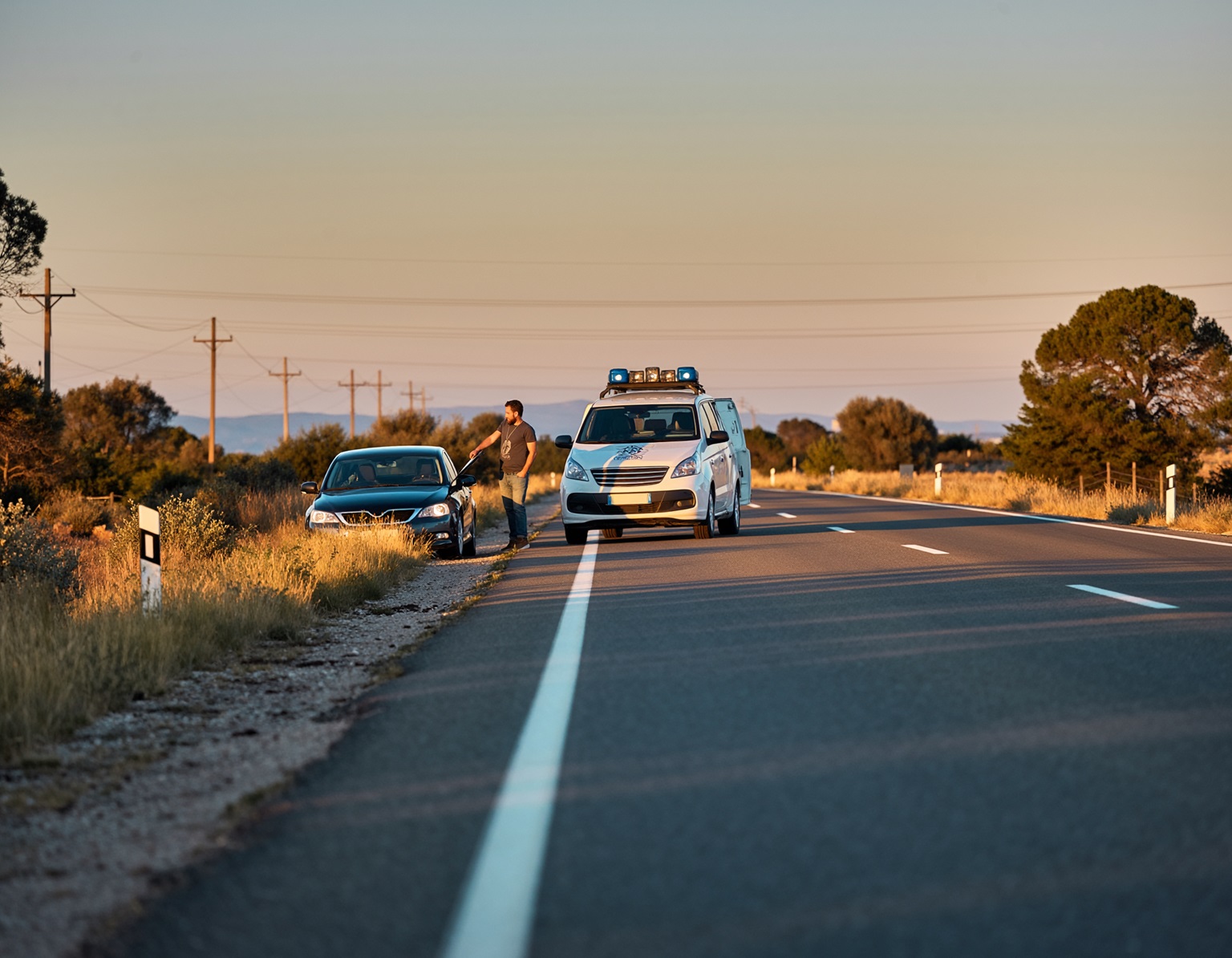
You’re standing in a Yanchep car park, keys visible through the window, and your phone’s at 12%. Or you’re halfway along Two Rocks Road when the engine sputters and dies – you’ve run out of fuel, and the nearest servo feels like it’s in another postcode. Either way, you’re stuck, and that sinking feeling in your stomach is entirely justified.
These situations happen more often than you’d think, and they’re not a reflection of carelessness or stupidity. Life gets busy. You’re juggling work, kids, appointments, and sometimes your brain doesn’t register that fuel gauge creeping toward empty or that you’ve left your keys in the ignition. What matters now isn’t how you got here – it’s knowing that roadside assistance Yanchep services exist specifically for moments like this, and they’re closer than you might realise.
Why These Problems Feel So Isolating
There’s something uniquely frustrating about being locked out of your own car or watching your fuel needle sit stubbornly on empty. It’s not just the inconvenience – it’s the feeling of being utterly helpless while life continues around you. Other cars drive past. People go about their day. And you’re just… stuck.
The emotional weight hits harder when you’re in a coastal suburb like Yanchep. You might be miles from family or friends who could help. The beach car parks can feel deserted outside peak hours. Even the shopping precinct empties after dark. That isolation makes a mechanical problem feel like a personal crisis, and that’s completely understandable.
What makes it worse is the self-criticism that creeps in. You knew you needed fuel. You meant to grab the spare key. But beating yourself up doesn’t unlock the door or fill the tank. Drivers who run complex lives successfully can have one moment where everything aligns poorly. It happens to everyone.
The Real Cost of Trying DIY Solutions
Your first instinct might be to solve this yourself. Maybe you’ll walk to the nearest petrol station, or perhaps you’ve heard about coat-hanger tricks for unlocking car doors. Before you head down that path, you should know what you’re actually risking.
Walking along Yanchep roads to find fuel sounds straightforward until you’re actually doing it. Two Rocks Road doesn’t have continuous footpaths in all sections. The Yanchep Beach Road stretch can be isolated, especially after sunset. You’re looking at potentially several kilometres on foot, carrying a jerry can back (assuming the servo even has one to sell you), in conditions that might be hot, cold, or wet depending on the season.
The coat hanger method? That’s where things get expensive. Modern cars have sophisticated locking mechanisms that won’t respond to the techniques that worked on vehicles from the 1990s. What you’ll likely achieve is scratched paint, damaged weather stripping, or a bent door frame. Drivers often cause $800 worth of damage trying to save $150 on a lockout service. The maths doesn’t work.
Then there’s the time factor. A professional roadside assistance Yanchep team can reach you, unlock your car, and have you moving again in roughly the time it would take you to walk halfway to the nearest servo. When you factor in your own time, safety, and the risk of making things worse, calling for help isn’t an admission of defeat – it’s the practical choice.
What Actually Happens When You Call
You might be hesitant to ring for roadside assistance because you’re not sure what to expect, or you’re worried about being judged. The process is far more straightforward than you might think.
When you contact a service like All Out Towing, you’ll speak to someone who’s heard your exact situation dozens of times before. They’re not interested in how you ended up locked out or why you didn’t refuel earlier – they need to know where you are and what you need. You’ll give them your location (the more specific, the better), describe your vehicle, and explain whether it’s a lockout, fuel delivery, or another issue.
The dispatcher will give you an estimated arrival time. For Yanchep, that’s typically 20-40 minutes, depending on where the nearest available vehicle is and what time of day you’ve called. You’ll get a phone number you can call if anything changes, and in many cases, you’ll receive updates as the technician gets closer.
While you’re waiting, stay with your vehicle if it’s safe to do so. Lock yourself inside if you’re in the car, but it won’t start. If you’re locked out and it’s hot, find shade nearby but keep the car in sight. The technician will need to verify you’re the vehicle’s owner or authorised driver, so have your licence ready and any ownership documents if you’ve got them accessible.
Professional roadside assistance Yanchep operators can compress a potential disaster back down to a minor inconvenience. That’s exactly what these services do – they get you back on the road quickly and safely.
Fuel Delivery: What You Get and What You Don’t
If you’ve run out of fuel, the service is pretty straightforward, but there are some practical limitations you should understand before you call.
A roadside assistance provider will bring you enough fuel to get moving – usually between 5 and 10 litres. That’s not a full tank, and it’s not meant to be. The goal is to get you to the nearest petrol station safely. For Yanchep drivers, that typically means getting you to the Yanchep Beach Road service station or back towards Wanneroo Road, where there are more options.
The fuel you receive will be standard unleaded unless you specifically request diesel, and the service can accommodate it. You’ll pay for the fuel itself plus the callout and delivery fee. Yes, it’s more expensive per litre than filling up at a servo – you’re paying for the convenience of someone bringing it directly to you rather than you having to source it yourself.
There’s no judgment about how you ran out. Maybe your fuel gauge is faulty. Perhaps you misjudged the distance. Possibly you’ve been driving around all day and genuinely forgot. The technician’s job is to get you mobile again, not to provide commentary on your decision-making.
One thing worth knowing: if you frequently drive in the Yanchep area, especially the more remote sections near the national park or along the coast, keeping a small jerry can with a few litres of fuel in your boot isn’t paranoia – it’s sensible preparation. The Department of Transport WA recommends carrying emergency supplies when travelling in regional areas. While Yanchep isn’t outback remote, it’s far enough from dense urban areas that being prepared makes sense.
Lockout Services: Faster Than You’d Expect
Car lockouts feel like they should take forever to resolve, but modern roadside assistance Yanchep lockout services are surprisingly quick when you’ve got an experienced technician.
For most standard vehicles, you’re looking at 5-15 minutes from when the technician arrives to when you’re back inside your car. They’ll use specialised tools designed specifically for automotive lockouts – long reach tools, wedges, and other equipment that won’t damage your vehicle’s paintwork or door seals when used correctly.
The process typically involves creating a small gap at the top of the door frame, just enough to insert a tool that can manipulate the lock mechanism or press the unlock button. It looks simple when a professional does it, which is precisely why you shouldn’t attempt it yourself with improvised tools. The difference between a $2,000 locksmith’s kit and a wire coat hanger is the difference between your door opening smoothly and your door frame getting permanently bent.
For newer vehicles with keyless entry or electronic locks, the process might differ slightly. Still, experienced technicians have the right equipment and knowledge to handle these systems without damaging the electronics. Your car’s security features are sophisticated, which is precisely why they need professional tools to bypass safely.
If you’ve got a particularly complex locking system or a luxury vehicle, mention that when you call. It won’t necessarily take longer, but it helps the dispatcher send someone with the right specialised equipment.
The Cost Question You’re Probably Asking
You’re stuck, you need help, and you’re wondering what this is going to cost you. That’s not mercenary – it’s practical, and you deserve a straight answer.
Roadside assistance Yanchep callout fees typically range from $100 to $200, depending on the time of day, the specific service required, and how far the provider needs to travel. Lockout services usually sit at the lower end of that range. Fuel delivery will be the callout fee plus the cost of the fuel itself, which will be higher per litre than servo prices – expect to pay $30-50 for the fuel on top of the callout.
If you’ve got roadside assistance included in your car insurance or through a motoring organisation membership, your out-of-pocket cost might be zero or significantly reduced. Check your policy documents or call your insurer before you call a towing company directly. You might have coverage you’ve forgotten about.
For those without existing cover, paying the callout fee still works out cheaper than the alternatives. A locksmith called to your home might charge similar rates, but you’ve still got to get the car home first. Walking for fuel costs you hours and puts you at risk on roads without footpaths. Damaging your car trying DIY methods could run into hundreds or thousands in repairs.
When you contact us or other professional towing services in Perth that cover the Yanchep area, ask for a precise quote before they dispatch. Reputable providers will tell you the callout cost upfront. If someone’s vague about pricing or won’t commit to a number, that’s your signal to call someone else.
What to Do While You’re Waiting
You’ve made the call, help is coming, and now you’ve got 20-40 minutes to fill. How you spend that time depends on your specific situation and safety considerations.
If you’re locked out but it’s a safe, populated area during daylight hours, staying near your vehicle is straightforward. You can sit on a kerb in the shade, make any necessary phone calls to let people know you’ll be late, or take an unexpected break. Sometimes the universe forces you to stop for 30 minutes, and fighting it doesn’t help.
If you’re in a more isolated location or it’s getting dark, your priority shifts to visibility and safety. If you’ve got a high-vis vest in the boot (and you can’t access it because you’re locked out), that’s frustrating but not critical. Just make sure you’re visible to passing traffic,a nd you’re not standing in a position where you could be hit if a driver doesn’t see you.
For fuel delivery situations where the car’s not locked, you can sit inside with the doors locked if that feels safer. Run the hazard lights if you’re on or near the road. If you’re in a car park, you’re generally fine just waiting nearby.
Use this time to think about what you’ll do differently next time. Not in a self-punishing way, but practically. Would a spare key hidden in a magnetic box under the car help? Would setting a fuel reminder on your phone when you hit half a tank make a difference? Small systems prevent big problems.
Professional services exist exactly for situations like these. You’re not wasting anyone’s time. You’re using a service that’s designed specifically for this situation.
When You Need More Than a Quick Fix
Sometimes what seems like a simple lockout or fuel issue turns out to be part of a bigger problem. Your car might unlock fine, but won’t start. You might refuel, but the engine still won’t turn over. That’s when you need to know what happens next.
A reasonable roadside assistance Yanchep provider will assess the situation when they arrive. If it’s genuinely just a lockout or empty tank, they’ll sort it quickly, and you’ll be on your way. But if there’s an underlying mechanical issue – a dead battery, a faulty starter motor, or something else – they’ll let you know what your options are.
In those cases, you’re looking at either a jump start (if it’s a battery issue and you want to try getting to a mechanic, or a tow to your preferred workshop or your home. That’s a different service with different costs, but at least you’ll know what you’re dealing with rather than being stranded five kilometres again down the road.
Our 24-hour emergency towing services that cover Yanchep can handle both the immediate problem and the follow-up if your car needs more help. It’s worth asking about the full range of services when you call, especially if you suspect there might be more going on than just an empty tank.
Building Better Habits Without the Guilt
You’re probably reading this because you’re currently stuck or because you have been recently, and you’re determined not to let it happen again. That’s understandable, but beating yourself up isn’t productive. What works better is building small, sustainable habits that reduce the risk without requiring you to become a different person.
For fuel management, the most straightforward approach is the quarter-tank rule: refuel when you hit a quarter tank, not when you’re running on fumes. It gives you buffer room for unexpected detours, traffic delays, or days when you’re just too tired to think about petrol. Set a phone reminder if that helps, or make it a habit to refuel on a specific day each week, regardless of where the gauge sits.
For key management, the solutions are equally straightforward. A spare key in your wallet or bag means you’ve always got backup. A magnetic key box hidden under the car works for some people, though you need to check it periodically to make sure it hasn’t fallen off. Some drivers use a combination lockbox attached to a fixed point near their home, so even if they’re locked out, they can get to the spare.
The goal isn’t perfection. You’ll still have days when you’re distracted or rushed or just not thinking clearly. But suppose you can reduce the frequency of these situations from several times a year to once every few years. In that case, you’ve made meaningful progress without having to become obsessively vigilant about every detail.
Why Waiting for “Normal Hours” Doesn’t Work
If you’re stuck at 11 pmor 6 amam you might be temptedtot wait until a more reasonable hour to call for help. Maybe you think it’ll be cheaper during business hours, or perhaps you feel bad about calling someone out at an inconvenient time.
Roadside assistance Yanchep services operate 24/7 specifically because car problems don’t respect business hours. You’re not imposing by calling at midnight. You’re using a service that exists because demand exists at midnight. The technicians who work those hours have chosen that schedule, and they’re compensated for it.
Waiting doesn’t usually save you money – many services charge the same rate regardless of when you call, or the after-hours premium is minimal compared to the cost of waiting. What you lose is time, comfort, and safety. Sitting in a car park for six hours until sunrise doesn’t make you resourceful – it makes you cold, tired, and increasingly vulnerable.
If you’re in a genuinely unsafe situation – an isolated location, aggressive people nearby, extreme weather – that’s an emergency, and you should call for help immediately. But even if it’s just inconvenient rather than dangerous, there’s no virtue in suffering through it when help is available now.
The Practical Reality of Prevention
You can’t eliminate every risk, and trying to do so will drive you mad. But you can stack the odds in your favour with simple, sustainable habits that don’t require constant vigilance.
Keep a spare key accessible. Not in the car (that defeats the purpose), but somewhere you can reach it when you need it. A magnetic box under the vehicle works for many drivers. A spare at home or with a trusted friend is another option.
Refuel at a quarter tank, not when the warning light comes on. This single habit eliminates the vast majority of running out of fuel situations without requiring you to think about it constantly.
Check your phone’s charge before long drives or unfamiliar routes. A portable power bank in your glovebox costs $20 and means you’ll never be stuck with a dead phone when you need help.
These aren’t complicated systems. They’re small buffers that catch you before a minor oversight becomes a significant problem. That’s all prevention needs to be – not perfect vigilance, just reasonable preparation.
Your Next Steps
If you’re currently stuck in Yanchep needing lockout or fuel delivery services, stop reading and make the call. Our roadside assistance team is ready to help, and the sooner you call, the sooner you’re back on the road.
If you’re reading this as preparation, save the number for reliable roadside assistance Yanchep coverage in your phone now. Add it to your contacts under something obvious like “Emergency Roadside” so you’re not searching for it when you’re stressed.
Check your insurance policy to see if you already have roadside assistance coverage. Many comprehensive car insurance policies include it, and you might be paying for a service you’ve forgotten about.
Consider keeping basic emergency supplies in your car: a portable phone charger, a bottle of water, and a high-vis vest. These won’t unlock your door or fill your tank, but they’ll make waiting for help considerably more comfortable.
You’re not alone in finding these situations stressful and embarrassing. Every driver faces them eventually. The difference between a minor inconvenience and a major disaster is usually just knowing who to call and not hesitating to make that call.