You’ve packed the esky, loaded the kids, and programmed the GPS for Margaret River or Exmouth. The car’s running fine. You’re thinking: “I’ll be right.” And honestly? You probably will be. But decades of recovery experience across this state show a clear pattern: it’s never the trip you expect that goes sideways.
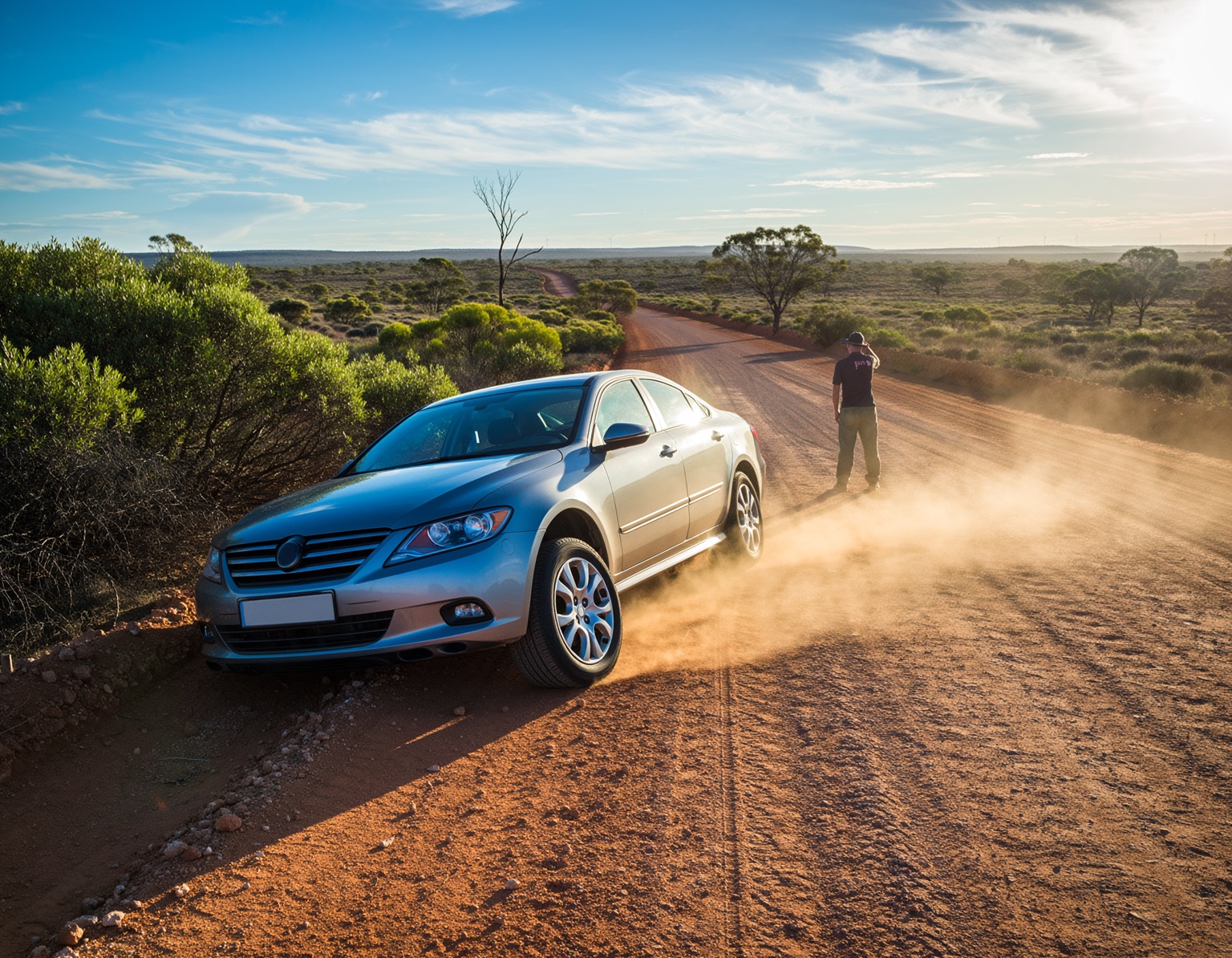
Families get stranded on the Brand Highway with blown tyres at 38 degrees. Rental cars need jump-starts in Karijini after tourists leave headlights on overnight. 4WDs get bogged in beach sand because someone thought “it looks firm enough.” Western Australia’s roads are spectacular, but they’re also unforgiving. One mechanical hiccup 200 kilometres from the nearest town turns a holiday into a nightmare if you’re not prepared.
Roadside assistance Western Australia coverage isn’t about pessimism. It’s about respecting the distances, the heat, and the isolation that define driving here. You wouldn’t hike the Bibbulmun Track without water. Why would you drive the Coral Coast without backup?
The Distances Change Everything
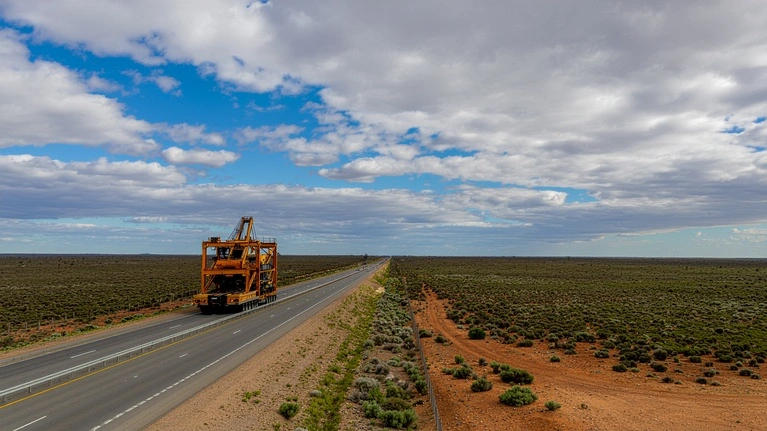
WA isn’t like driving interstate. You can’t pop into the next suburb when something rattles loose. Between Geraldton and Carnarvon, you’ve got 470 kilometres of mostly nothing. That’s five hours if conditions are perfect. If your radiator cracks or your fuel pump dies halfway? You’re stranded in a country where mobile reception is patchy and passing traffic is sparse.
Consider a couple whose car broke down near Sandfire Roadhouse. They’d driven from Perth with a slow oil leak they didn’t notice. The engine seized 150 kilometres north of Port Hedland. They had no coverage, no plan, and it was 42 degrees outside. They waited four hours before a passing truckie stopped and called for help—four hours in that heat with two young kids.
Professional roadside assistance Western Australia services know these routes. We’ve got networks that stretch into the Pilbara, the Goldfields, the South West. When you call, you’re not just getting someone with a truck – you’re getting someone who knows exactly where you are and how quickly they can reach you.
What Actually Goes Wrong Out There
You’d think it’s always the dramatic stuff. Engine fires. Rollovers. But most breakdowns are mundane until they’re not. A flat battery in Subiaco is annoying. A flat battery at Steep Point? That’s a genuine problem.
Common issues on WA road trips include:
Tyre blowouts on hot bitumen: The roads get scorching between November and March. Tyres that looked fine in Perth can fail spectacularly once they’ve been running hot for hours.
Overheating engines: Pushing through the Pilbara or the Nullarbor without checking coolant levels is asking for trouble. Plenty of cars limp into servo carparks trailing steam.
Fuel miscalculations: You think you’ve got enough to reach Norseman. You don’t. GPS doesn’t account for headwinds or detours.
Electrical failures: Modern cars are packed with electronics. When something shorts out in remote areas, you’re not fixing it roadside with a screwdriver.
Bogged vehicles: Sand, mud, gravel – WA’s got it all. Four-wheel drive doesn’t mean invincible.
None of these is catastrophic if you’ve got support. All of them are miserable if you don’t.
The Heat Isn’t Just Uncomfortable
WA’s summer heat is genuinely dangerous. It’s not uncomfortable. It’s not inconvenient. It’s genuinely life-threatening if you’re stuck without shade or water.
When your car breaks down on the Great Northern Highway in January, the temperature inside that vehicle climbs fast. You’ve got maybe an hour before it becomes unbearable, especially for kids or elderly passengers. Dehydration kicks in quicker than you think. Heatstroke doesn’t wait for you to figure out a plan.
Roadside assistance in Western Australia means someone’s already on the way. You’re not gambling on mobile reception or hoping another driver spots you. You’ve got a timeframe. You can sit tight, ration water, and wait with confidence instead of panic. That psychological difference matters more than people realise until they’re in it.
Mobile Coverage Isn’t Reliable
You’ve probably got Telstra. Maybe Optus. You’re thinking coverage maps look decent enough. But those maps are optimistic. The moment you’re 50 kilometres off a significant route, reception becomes patchy. In places like the Kimberley or the Goldfields, it vanishes entirely for long stretches.
Tourists have been seen standing on car roofs, waving phones around, trying to get one bar. It’s almost funny until you remember they’ve got no water left and it’s getting dark. If you don’t have roadside assistance Western Australia coverage with satellite callback options or pre-registered trip tracking, you’re relying purely on luck.
Some services now use GPS tracking that doesn’t need a mobile signal to pinpoint your location. When you sign up, they log your vehicle details and travel plans. If something goes wrong, they’ve already got your information. You’re not trying to explain where “near the big red rock” is to someone in a call centre.
The Cost of Going Without
Money matters because that’s usually what stops people. Roadside assistance feels like another subscription you don’t need until you do.
A single callout tow from, say, Broome to the nearest qualified mechanic can run $800-$1,500 depending on distance and vehicle size. If you’re towing a caravan? Double it. Emergency after-hours rates? Add more. That’s before you’ve fixed whatever actually broke.
Annual roadside assistance Western Australia coverage typically costs between $80-$150 for decent protection. Some packages through insurers or motoring clubs are even cheaper. You’re paying roughly the cost of two tanks of fuel for year-round protection across the entire state.
The financial argument isn’t even close when you consider that families have forked out thousands for a tow that would’ve cost them nothing if they’d planned ahead.
Not All Coverage Is Equal
You can’t just tick a box and assume you’re sorted. Roadside assistance policies vary wildly, and plenty of them are useless once you leave the metro area.
Some “national” providers subcontract to local operators who might not service remote regions. Others cap towing distances at 25 or 50 kilometres, which doesn’t help when the nearest town is 200 kilometres away. You’ll get towed to the middle of nowhere and slugged with the rest of the bill.
When you’re comparing options for roadside assistance in Western Australia, check these details:
Coverage area: Does it explicitly include regional and remote WA, or just major centres?
Towing distance limits: What happens if you’re beyond the included kilometres?
Vehicle types covered: If you’re towing a caravan or driving a 4WD, make sure that’s included.
Accommodation and transport: If your car needs overnight repairs, will they put you up in a hotel or get you to your destination?
At All Out Towing, we’ve worked with drivers who thought they had coverage only to discover their policy didn’t extend past Joondalup. Don’t assume. Read the fine print or call and ask directly.
The Psychological Safety Net
This might sound soft, but it’s real. Knowing you’ve got backup changes how you experience a road trip. You’re not second-guessing every rattle or worrying whether that slight vibration in the steering wheel is something serious. You’re not calculating whether you’ve got enough fuel with a 10% safety margin.
You’re just driving and enjoying the scenery and stopping at lookouts without anxiety. That’s what holidays are supposed to feel like.
Many drivers report the same thing: “I didn’t realise how stressed I was until I wasn’t.” The mental load of managing risk quietly drains the fun out of travel. Roadside assistance lifts that weight.
What Actually Happens When You Call
You’re broken down. You’ve pulled off the road safely. You’ve called your roadside assistance provider. Now what?
First, they’ll confirm your location if you’ve got GPS coordinates, great. If not, describe landmarks, the last town you passed, kilometre markers – anything that helps. The operator logs your details and dispatches the nearest available service.
Response times vary by location. In metro Perth, you might wait 30-45 minutes. In regional areas, it could be 1-3 hours depending on where the nearest truck is based. The operator should give you a realistic timeframe, not false promises.
While you wait, stay with your vehicle if it’s safe to do so. Turn on hazard lights. If you’ve got a high-vis vest, wear it. If the breakdown’s in a dangerous location – on a freeway or blind corner – the operator might advise you to move away from the vehicle and wait at a safe distance.
When the technician arrives, they’ll assess whether the issue can be fixed roadside or whether you need a tow. Simple fixes like jump-starts or tyre changes take 15-30 minutes. If you need towing, they’ll secure your vehicle correctly and transport it to your chosen destination – a mechanic, your accommodation, or home.
This is why roadside assistance Western Australia plans that include accommodation and rental vehicles matter. You’re not stuck sleeping in your car at a roadhouse. You’ve got a room, a hire car, and a plan to get home or continue your trip. According to <a href=”https://www.mainroads.wa.gov.au/” target=”_blank” rel=”noopener”>Main Roads WA</a>, regional traffic volumes are significantly lower than metro areas, meaning you can’t rely on passing.
The Nullarbor Is Its Own Beast
It’s 1,200 kilometres of straight road with fuel stops every 200 kilometres if you’re lucky. Summer temperatures regularly hit 45 degrees. If something goes wrong out there, you need serious support. Satellite phones, emergency supplies, and yes – roadside assistance Western Australia coverage that explicitly covers that route.
Caravans and Trailers Complicate Things
Towing a caravan changes everything. Your vehicle’s working harder. Brakes heat up. Tyres wear faster. Fuel consumption doubles. And if something breaks, you can’t just call any tow truck.
You need a truck rated to tow your combined weight. You need an operator experienced with caravans who won’t damage your rig during recovery. You need a policy that actually covers recreational vehicles, because plenty don’t.
Recovery scenarios include caravans that jackknifed on gravel roads, blown tyres on the Brand Highway, and coupling failures near Coral Bay. Owners with basic roadside assistance that didn’t cover caravans ended up paying over $2,000 out of pocket for flatbed recovery.
If you’re planning a big lap or even just a South West tour with a van, check your coverage specifically mentions caravans or trailers. It’s not automatic.
When DIY Fixes Aren’t Enough
You might be handy. You’ve changed a tyre before. You’ve topped up fluids. That’s great – genuinely. But there’s a limit to what you can safely do on the side of a highway, especially in WA conditions.
Changing a tyre in 40-degree heat on soft gravel is dangerous. You’re dealing with heavy equipment, unstable ground, and passing road trains. If the jack slips or you get clipped by a truck, you’re in serious trouble. Our 24-hour emergency towing service has the right equipment, training, and safety protocols. These jobs get done daily with proper precautions.
Electrical faults, transmission problems, engine failures – these aren’t roadside fixes. You need diagnostic equipment and parts. Trying to limp a damaged car another 100 kilometres often turns a $500 repair into a $3,000 one. Sometimes the most brilliant move is admitting you need help.
The Family Road Trip Reality
Travelling with kids or elderly passengers adds another layer of complexity. A two-hour wait in a broken-down car isn’t just inconvenient – it’s stressful, uncomfortable, and potentially unsafe depending on the weather.
Roadside assistance in Western Australia means you can tell your kids with confidence: Help’s coming. We’ll be moving soon.” That certainty matters. It keeps everyone calm. It stops a bad situation from becoming a traumatic one.
Families where the parents feel helpless with scared kids in the back seat exist. The breakdown wasn’t the worst part – it was feeling powerless. Having a plan, having support, having someone to call transforms that experience. You’re still broken down, but you’re not alone.
How to Choose the Right Provider
You’re convinced. You want coverage. Now you’re staring at a dozen different options, wondering what actually matters.
Start with the coverage area. If you’re only ever driving Perth metro, basic coverage is fine. If you’re planning trips north, south, or east, you need explicit regional and remote coverage. Call and ask: “If I break down between Carnarvon and Exmouth, will you come?” Get a clear answer.
Next, check towing limits. Unlimited towing within WA is ideal. If there’s a kilometre cap, make sure it’s at least 100-150 kilometres. Anything less is inadequate for regional travel.
Look at what’s included beyond towing:
- Battery jump-starts
- Tyre changes
- Fuel delivery
- Lockout assistance
- Accommodation if repairs take days
- Rental vehicle while yours is fixed
Compare annual costs, but don’t just pick the cheapest. A $60 policy that doesn’t cover you where you actually drive is worthless. A $150 policy that includes everything you need is a bargain.
Read reviews, but focus on regional and remote experiences. Metro service is usually fine everywhere. It’s the remote callouts where providers show their real capability.
The Conversation You Should Have Before You Leave
Before any major WA road trip, sit down with your travel companions and have a tedious but necessary conversation. What’s the plan if something goes wrong?
Who’s got the roadside assistance details saved in their phone? What’s the policy number? If there’s no mobile reception, what’s the backup plan? Who’s got the physical membership card?
Where are the emergency supplies? Water, first aid kit, torch, blankets, and high-vis vest. You should have these regardless, but make sure everyone knows where they are.
What’s the communication plan? If you’re travelling in convoy, how do you signal a problem? If someone’s expecting you at a destination and you’re delayed, who calls them?
It sounds over-prepared until you’re broken down and everyone’s looking at each other, wondering what to do next. Ten minutes of planning prevents hours of confusion.
What Happens After the Rescue
You’ve been towed to the nearest town. Your car’s at a workshop. Now you’re waiting for a diagnosis and repair estimate. This is where reasonable roadside assistance Western Australia coverage proves its worth beyond the initial callout.
Some policies include accommodation for up to three nights if repairs take time. Others provide a rental vehicle so you can continue your trip or get home. A few even cover meals or transport costs. These extras turn a disaster into a manageable inconvenience.
Without coverage, you’re paying for a motel, possibly a rental car, meals, and eventually either a repair or transport back to Perth. Costs stack up fast. Breakdowns have ended up costing families $2,000-$3,000 in accommodation, transport, and towing before they even fixed the car.
Check what post-breakdown support your policy includes. It’s often the difference between a ruined holiday and a good story you’ll tell later.
Why This Matters More Than Ever
WA’s tourism is booming. More people are taking road trips, exploring remote areas, and pushing further off sealed roads. That’s brilliant – this state’s got landscapes worth seeing. But it also means more drivers unfamiliar with conditions, distances, and risks.
Rental companies don’t always include adequate roadside assistance. Interstate visitors don’t understand how far “just down the road” actually is here. First-time outback travellers underestimate heat, isolation, and mechanical strain.
If you’re planning a trip anywhere beyond the Perth metro area, roadside assistance in Western Australia coverage isn’t optional. It’s basic trip preparation, like checking your spare tyre or packing water. The question isn’t whether you’ll need it – it’s whether you’ll be glad you had it when something goes wrong.
Start Here, Not With Regret
You’re going to have an incredible time exploring this state—the beaches, the national parks, the outback sunsets – WA’s genuinely special. Don’t let a breakdown ruin it because you skipped the boring preparation step.
Sort your roadside assistance Western Australia coverage now, before you leave. Check the policy details. Save the number in your phone. Pack your emergency kit. Brief your travel companions. These simple steps take less than an hour and protect your entire trip.
When you’re watching the sunset at Lucky Bay or standing at the edge of Karijini Gorge, you’ll be glad you planned. And if something does go wrong – and statistically, for some trips it will – you’ll handle it calmly because you’re prepared.
If you need advice on choosing the right coverage for your planned route, contact us before you leave. A five-minute conversation might save your entire trip.