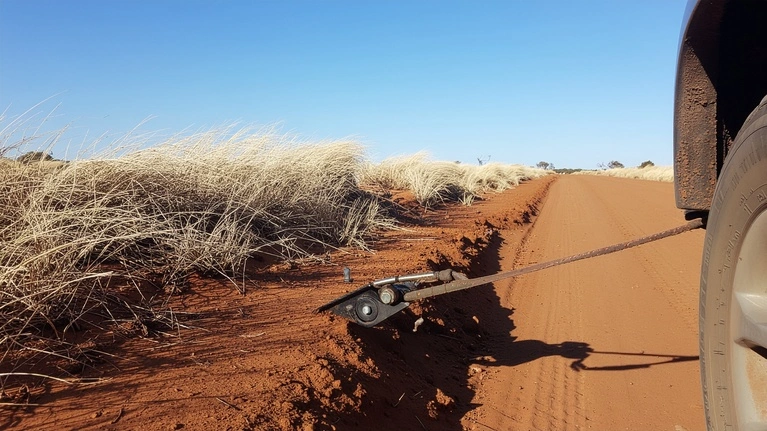
Getting a 4WD stuck in soft sand, mud or another difficult environment can quickly become a serious recovery situation. Before attempting to pull a vehicle free, it is important to understand which attachment points are actually intended for recovery and whether the equipment being used is suitable for the vehicle and recovery method.
A recovery point is not simply any strong-looking piece of metal on a vehicle. Using an unsuitable attachment point can result in equipment or vehicle components detaching under load, creating a serious risk to people and property.
Check the vehicle handbook before any recovery. A tie-down point or tow ball is not a recovery point. Use only a documented vehicle recovery point or a correctly rated aftermarket recovery point fitted for the intended recovery method.
Before You Attempt a Recovery
The safest recovery starts with assessing the situation before connecting any equipment.
Consider how deeply the vehicle is stuck, the condition of the ground, the position of both vehicles and whether attempting a recovery could create additional risks. If the vehicle is in an unsafe position or the available equipment is not appropriate, professional assistance may be the safer option.
Before connecting anything:
- Check the vehicle handbook for the appropriate recovery points and recovery method.
- Inspect the recovery strap for cuts, abrasion, damage or other signs that it is unsuitable for use.
- Check the recovery point and associated hardware for visible damage or deformation.
- Confirm that the recovery equipment is correctly rated for the situation.
- Make sure everyone involved understands the recovery procedure and agreed signals.
- Remove passengers from both vehicles before the recovery begins.
If there is any doubt about the recovery setup, stop and seek appropriate assistance rather than relying on an attachment point or piece of equipment simply because it looks strong.
Use the Right Attachment Points
Check the vehicle handbook before any recovery. A tie-down point or tow ball is not a recovery point. Use only a documented vehicle recovery point or a correctly rated aftermarket recovery point fitted for the intended recovery method.
This distinction is important because recovery straps can place significant dynamic loads on vehicles and recovery equipment. An attachment point that is suitable for securing or towing a vehicle is not automatically suitable for a dynamic recovery.
When an aftermarket recovery point is required, choose a system designed for the exact vehicle and intended recovery method. Recovery-point capacity should come from the vehicle manufacturer, vehicle handbook or recovery-point manufacturer rather than from a generic rating applied to every 4WD.
Installation also matters. A recovery point is only suitable when it has been correctly fitted to the vehicle in accordance with the relevant manufacturer’s instructions. If you are unsure about the correct system or installation, have the fitment assessed by a qualified 4WD accessory workshop or engineer where required.
Set Up the Recovery
Recovery equipment needs to be selected and connected carefully.
For a snatch-strap recovery, choose a recovery strap with a Minimum Breaking Strength (MBS) of between two and three times the GVM of the lighter vehicle involved in the recovery. Do not exceed the strap’s MBS or the Working Load Limit (WLL) of the shackle.
It is important not to confuse the different ratings used for recovery equipment. A recovery strap’s MBS is not the same thing as a recovery-point capacity, while a shackle’s WLL is a separate rating. Each component needs to be suitable for the intended recovery.
A load-rated shackle may be used to connect a recovery strap to a documented recovery point or correctly rated aftermarket recovery point, following the instructions supplied with the equipment.
Never join recovery straps with a metal object. Use the appropriate connection method and follow the strap, shackle and recovery-point manufacturer’s instructions.
Set the recovery vehicle in line with the stranded vehicle, with no more than 10 degrees from straight. Avoid unnecessary side loading or recovery angles that could place additional stress on the vehicle or recovery equipment.
Before the recovery begins:
- Check that the strap is correctly connected at both ends.
- Keep the strap away from sharp edges and hot surfaces.
- Ensure the strap is not twisted.
- Establish clear signals between the two drivers.
- Make sure only the drivers remain in the vehicles.
- Keep passengers and bystanders well clear of the recovery line.
- Never stand between the vehicles once the recovery strap is connected.
- Never step over a connected recovery strap.
A recovery dampener, heavy bag or blanket should be draped over the strap during use to help reduce unintentional rebound if the strap fails. It should not be treated as a guarantee of where failed equipment will land.
For Perth drivers who need professional towing assistance after a breakdown or recovery situation, All Out Towing provides towing and roadside assistance services across Perth.
Tow Balls and Tie-Down Points Are Not Recovery Points
Never use a tow ball as an attachment point for a dynamic vehicle recovery.
Tow balls and tie-down points are not substitutes for documented or correctly rated recovery points. Do not assume that a component is suitable simply because it is securely attached to the vehicle or has previously been used for towing.
The same principle applies to any other vehicle component that has not been documented or rated for the recovery method being used.
If you cannot identify a suitable recovery point, stop and seek professional assistance.
Recovery Point Maintenance
Recovery points and associated hardware should be inspected regularly, particularly after a demanding recovery or when the vehicle is frequently used off-road.
Check for:
- Cracks or visible damage
- Deformation around the recovery point or mounting area
- Loose or damaged hardware
- Corrosion
- Damage to shackle mounts or attachment areas
- Damage to the recovery strap or other recovery equipment
Always follow the vehicle, recovery-point and equipment manufacturer’s inspection and maintenance instructions.
Do not continue using recovery equipment that is damaged or whose suitability is uncertain. If a recovery point or associated component shows signs of damage after a recovery, have it assessed before using it again.
When to Stop
Not every recovery should be attempted by the vehicle owner.
Stop and consider professional assistance when:
- The vehicle is in a dangerous position.
- The ground or surrounding environment is unstable.
- You do not have appropriately rated recovery equipment.
- You cannot identify a suitable recovery point.
- Previous recovery attempts have failed.
- The vehicle has sustained damage.
- You do not have an appropriate recovery vehicle or experienced assistance available.
- Continuing the recovery could create a greater risk of injury or vehicle damage.
Repeated recovery attempts can make a situation worse, particularly when the vehicle becomes more deeply bogged or equipment is placed under additional stress.
If your vehicle cannot be safely recovered or driven, 24-hour emergency towing can provide an option for getting the vehicle transported when you need assistance outside normal hours.
Choosing the Right Transport After Recovery
A vehicle that has been successfully recovered may not necessarily be safe to drive afterwards. Check for visible damage and follow the vehicle manufacturer’s guidance before continuing your journey.
If the vehicle needs to be transported, the appropriate towing method will depend on its condition, drivetrain, ground clearance and any damage sustained during the incident.
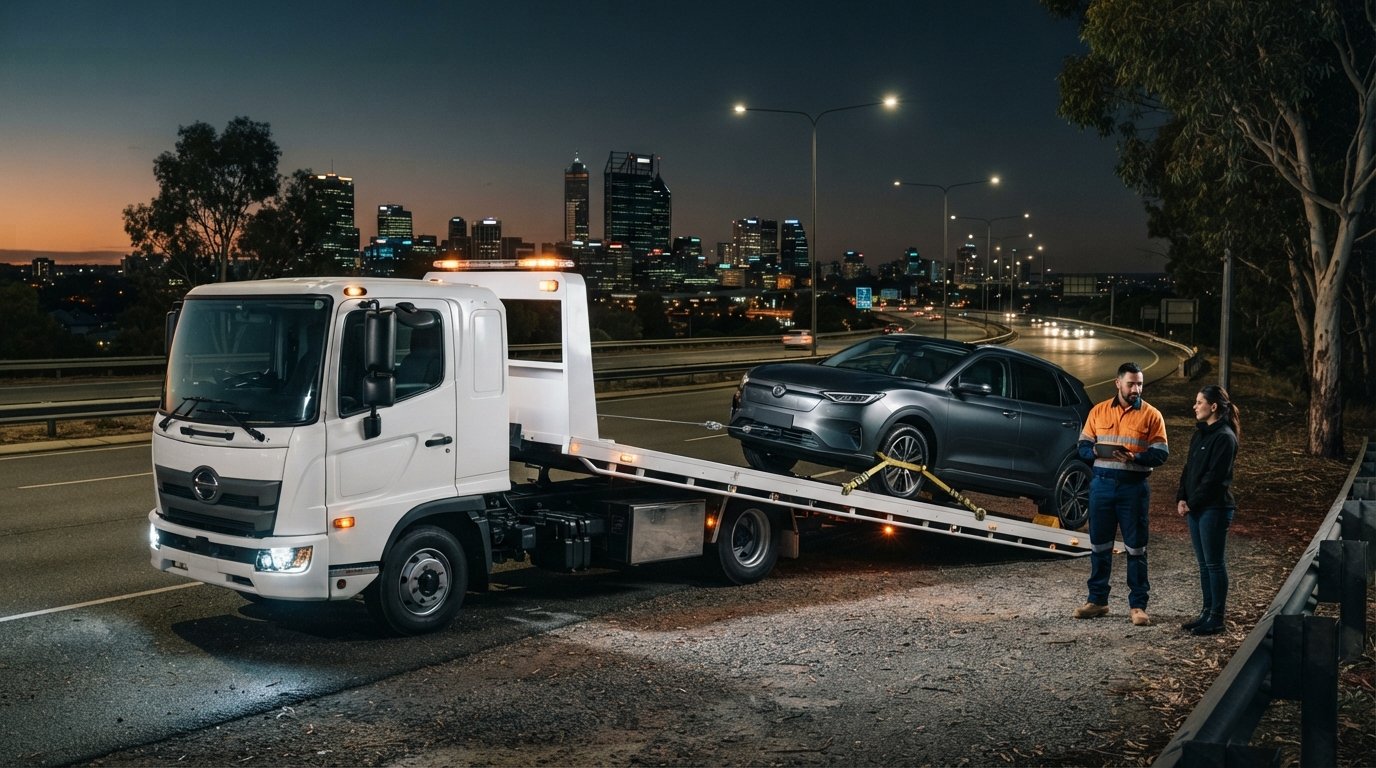
Certain 4WD and AWD vehicles may require a suitable flatbed or tilt-tray transport method. All Out Towing provides tilt tray towing services for 4WD and AWD vehicles, as well as vehicles involved in severe accidents.
For a vehicle that cannot be safely driven, car towing services can provide another option for transporting it to an appropriate destination. All Out Towing’s current car-towing service covers vehicles including cars, motorcycles, caravans and buses.
If a vehicle has sustained accident damage and requires transport, accident towing services may be appropriate. All Out Towing’s accident-towing service is designed for vehicles that are no longer fit to drive following a collision.
For vehicles or equipment requiring a different type of transport, specialised towing services are available for items including caravans, motorbikes, boats and heavy machinery.
Frequently Asked Questions
Can I use a tow ball to recover a stuck 4WD?
No. A tow ball should not be used as an attachment point for a dynamic vehicle recovery. Use only a documented vehicle recovery point or a correctly rated aftermarket recovery point intended for the recovery method.
Can I use a vehicle tie-down point?
Not unless the vehicle manufacturer specifically documents that point as suitable for the recovery method being used. A tie-down point should not automatically be treated as a recovery point.
How do I choose the right recovery strap?
Choose a recovery strap appropriate for the vehicles and recovery situation. For snatch-strap recovery, the strap’s Minimum Breaking Strength should be between two and three times the GVM of the lighter vehicle involved. Never exceed the strap’s MBS.
Who should stay in the vehicles during recovery?
Only the drivers should remain in the vehicles. Passengers and bystanders should stay well clear of the recovery line and never stand between the vehicles or over a connected recovery strap.
When should I call for professional recovery assistance?
Consider professional assistance if the vehicle is in a dangerous position, you do not have suitable recovery equipment, you cannot identify an appropriate recovery point, previous recovery attempts have failed, or continuing could increase the risk of injury or vehicle damage.
If you need help deciding how your vehicle should be transported, it is better to discuss the situation with a professional rather than risk further damage.
Conclusion
Proper recovery points are an important part of preparing a 4WD for situations where recovery may be required. However, choosing the right equipment is only part of safe recovery. The vehicle’s handbook, recovery-point manufacturer’s instructions and recovery-equipment ratings all need to be considered before a recovery begins.
Use only documented or correctly rated recovery points and recovery equipment appropriate for the vehicles involved. Make sure everyone stays outside the recovery danger zone, and never use a tow ball or unsuitable tie-down point as a substitute for a recovery point.
Most importantly, know when to stop. If the vehicle cannot be recovered safely with the equipment and knowledge available, professional assistance can help reduce the risk of further damage or injury.
If you need professional towing or recovery assistance, reach out to us at 0418 959 216 to discuss your vehicle and the towing or transport options available.