After a crash, drivers often hear several opinions about where the vehicle should go. The difference between repair choice and towing choice can be confusing.
Choice of repairer refers to where the vehicle may be repaired under the policy or claim process. In WA, consumers also have the right to choose who tows their vehicle and where it is towed, subject to circumstances such as insurer requirements and the vehicle’s safe recovery.
Why Choice of Repairer Can Be Confusing
Insurance policies may include preferred repairer networks, assessment requirements or approval steps. The driver may still need to make a towing decision before those details are clear.
Allout Towing Services provides recovery support across Northern Perth and wider WA. The family-owned operator has more than 30 years of towing experience, which helps drivers keep the tow process separate from repair decisions.
Repair Approval Is Not the Same as Recovery
The tow moves the vehicle from the scene or pickup point. The repair process decides where and how the damage is assessed or fixed.
Repairer selection questions should be directed to the insurer or policy documents. For crash towing in WA, consumers have the right to choose the towing provider and destination. The Authority to Tow must also be completed and signed before the vehicle is towed from a crash scene.
What Drivers Should Ask Before Authorising a Tow
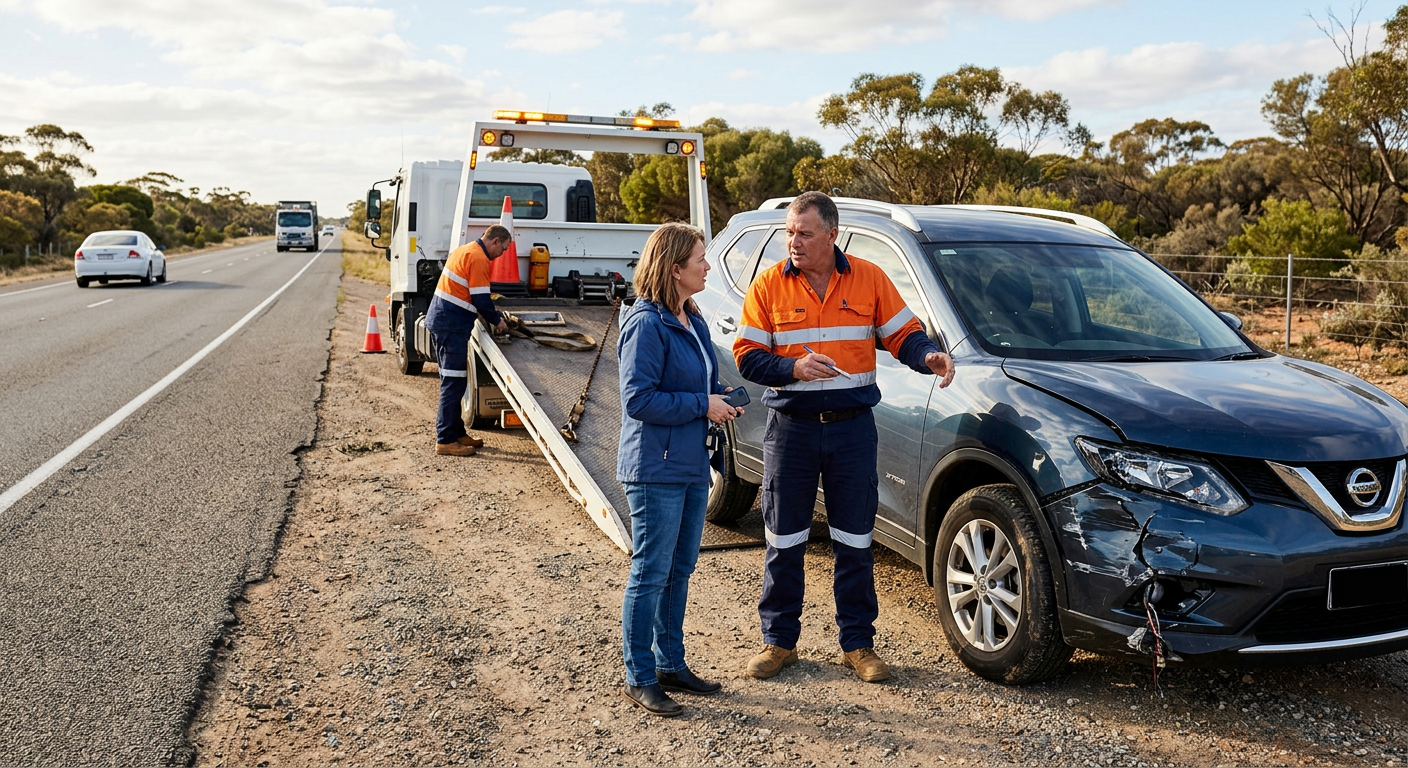
A driver should ask where the vehicle is going, who requested that destination, and how payment will be handled. If the insurer has already given instructions, those should be considered before authorising the tow.
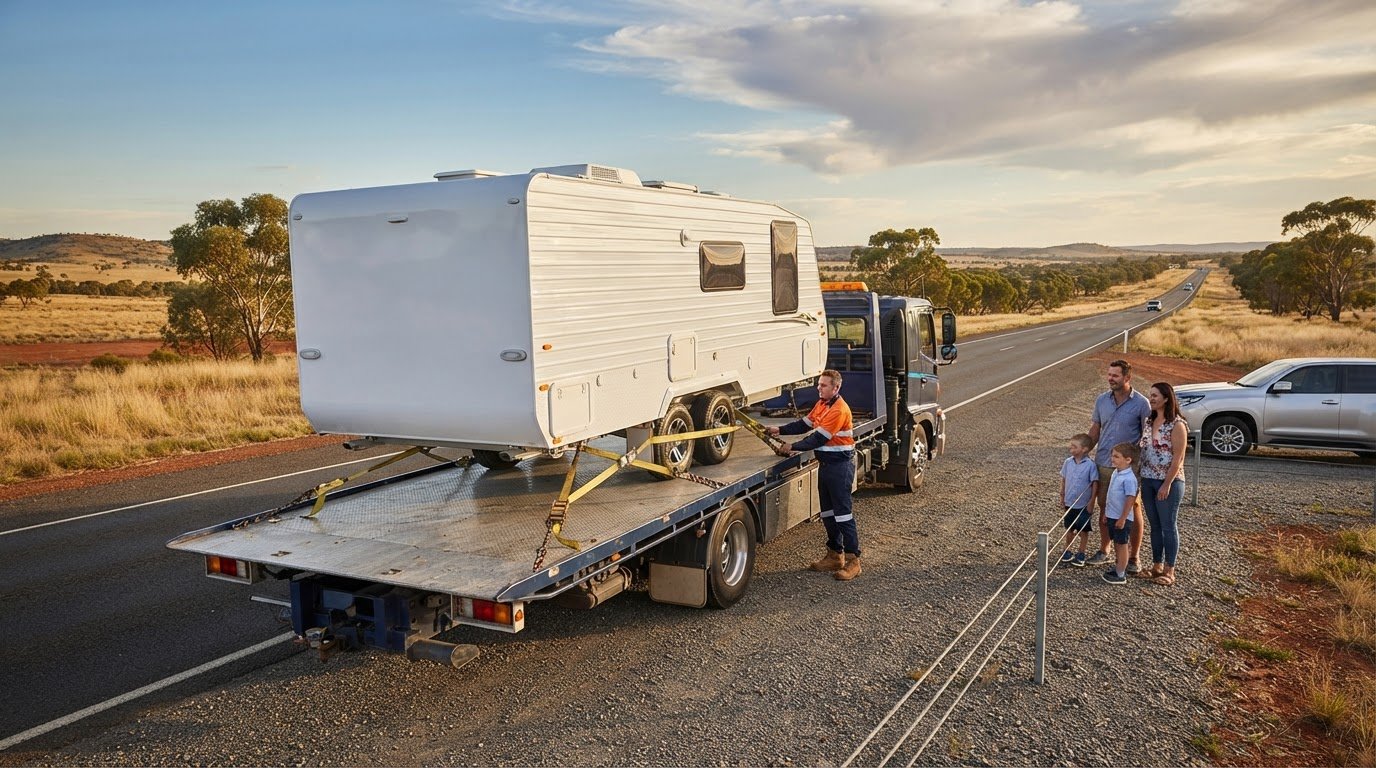
Allout Towing Services operates a tow fleet for cars, trucks, boats, caravans, motorcycles and specialist loads up to 10 tonnes. Its website states that it offers towing for these vehicle types and other vehicles, with its services including tilt tray and flatbed towing.
Consent and Destination
The driver should understand the destination before the tow starts. If unsure, a short call to the insurer can prevent a second tow.
Driver towing rights are helped by clear records. The Authority to Tow must state the vehicle’s authorised pickup and destination details, along with relevant towing and storage charges.
How Tow Destination Affects the Claim
Sending the vehicle to the wrong place can create storage fees, delays or extra movement. Sending it to the right place can shorten the path to assessment.
The best destination may be an approved repairer, assessment yard, storage depot or home address. WA Consumer Protection confirms that a vehicle may be towed to a repairer, home or storage yard, although insurers may have policy requirements that affect what towing costs they will cover.
Direct Billing and Paperwork
Direct billing may be possible, but it depends on the insurer and claim. The driver should confirm responsibility for payment before assuming the tow is covered.
For claim-linked recovery, specialised towing can support safe movement and clear handling records. That is useful when the vehicle cannot simply be driven.
When Vehicle Condition Limits Driver Choice
Some vehicles cannot be taken to a preferred address immediately. Leaking fluids, broken steering, locked wheels or dangerous access may limit safe options.
Repairer choice does not remove the need for safe recovery. The vehicle must still be moved in a way that protects people, property and the vehicle itself.
Care for Higher-Value Vehicles
If the vehicle is prestige, classic or carefully maintained, handling standards matter. Damage from poor loading can complicate the claim further.
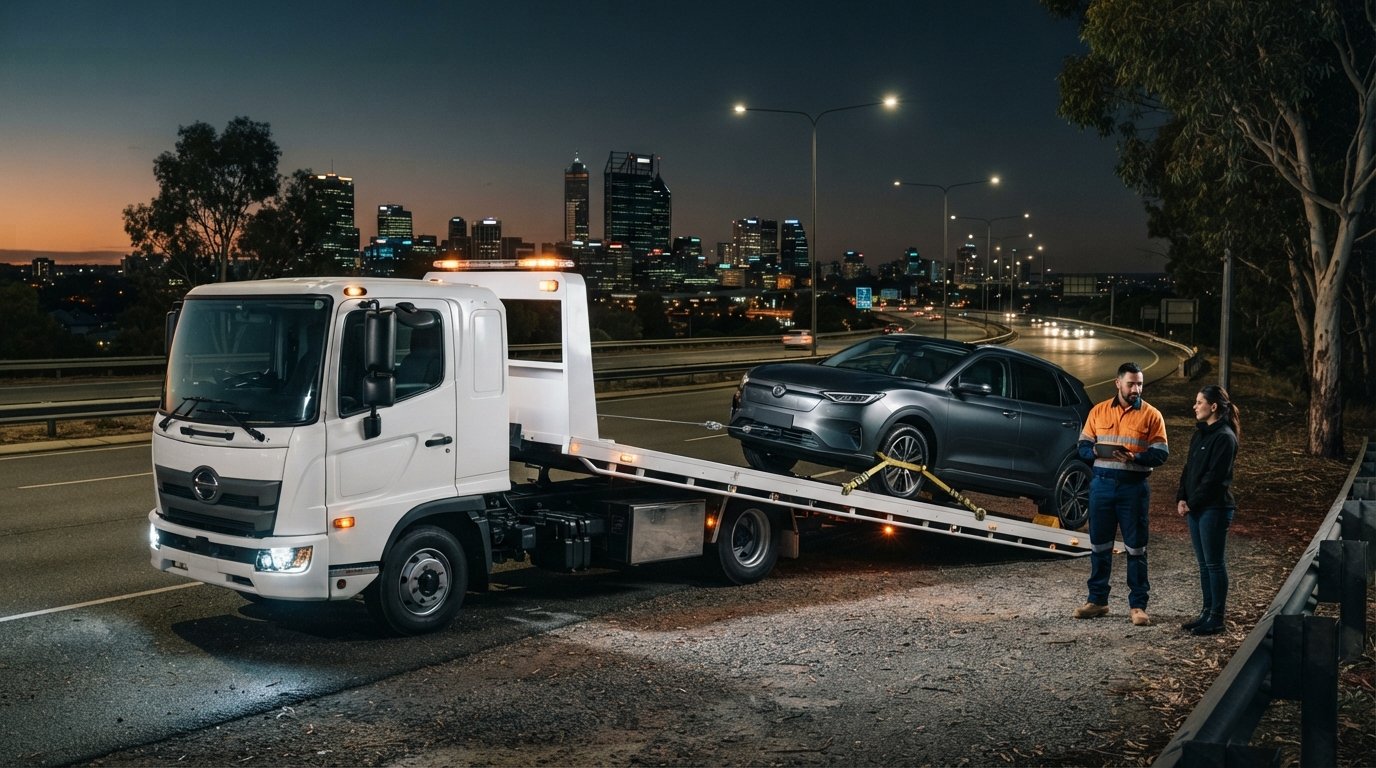
The methods used in prestige car towing show why custody matters. Tilt tray protection, careful tie-downs and controlled loading can prevent extra harm.
Commercial and Heavy Vehicle Considerations
Work vehicles can involve employers, fleet managers and insurers. The driver may not be the person who chooses the repairer or pays the account.
For heavier assets, principles from heavy machinery towing may apply. Weight, cargo and access can affect where the vehicle can safely go.
Keeping the Decision Trail Clear
The driver should note who authorised the tow, who chose the destination and what the insurer said. This does not need to be complex.
A simple written note can help later if there is a dispute about location, timing or payment. Clear communication protects the driver and the claim process.
When the Driver Is Not the Policy Holder
Company vehicles and family cars can create another question. The person at the roadside may not control the insurance policy or repair decision.
In that case, the driver should confirm who has authority before choosing the destination. If contact cannot be made, the safest temporary location should be documented. That protects the driver from making a decision that later needs correction.
Drivers should be wary of making quick assumptions at the scene. A tow destination that feels convenient may not match the policy, repairer access or storage rules. Asking one clear question before movement can save another transport cost later.
The paperwork should show the driver gave consent and understood the destination. For a crash tow, this should be reflected in the completed Authority to Tow form, which must include the authorised origin and destination and relevant tow details.
If a manager, family member or insurer gave instructions, that should be noted too. This creates a clearer record if questions come up later about who chose the yard or repairer.
The vehicle condition can also limit the choices available. A car with steering damage may need the safest accessible drop-off first, even if the preferred repairer comes later.
The safest approach is to separate the questions. First, decide how the vehicle can be moved without extra damage. Then confirm who should assess or repair it. That order keeps the recovery practical while the policy details are checked. It also reduces pressure on the driver at the roadside.
FAQ
What does choice of repairer mean?
It usually refers to repair location or repairer selection under an insurance policy. The exact position depends on the policy and claim process.
Are consumer towing rights the same thing?
No. They are separate from repairer selection. In WA, consumers have the right to choose who tows their vehicle and where it is taken after a crash.
Should a driver call the insurer before towing?
Yes, where it is safe and practical. WA Consumer Protection specifically advises drivers to contact their insurer before agreeing to a tow because the insurer may have requirements about towing, storage and repairs.
Conclusion
Repairer selection and towing rights should be treated as related but separate decisions after a crash. Allout Towing Services provides specialist tow service support when recovery needs clear destination and claim records. To discuss towing options after an accident, call (0418) 959 216.