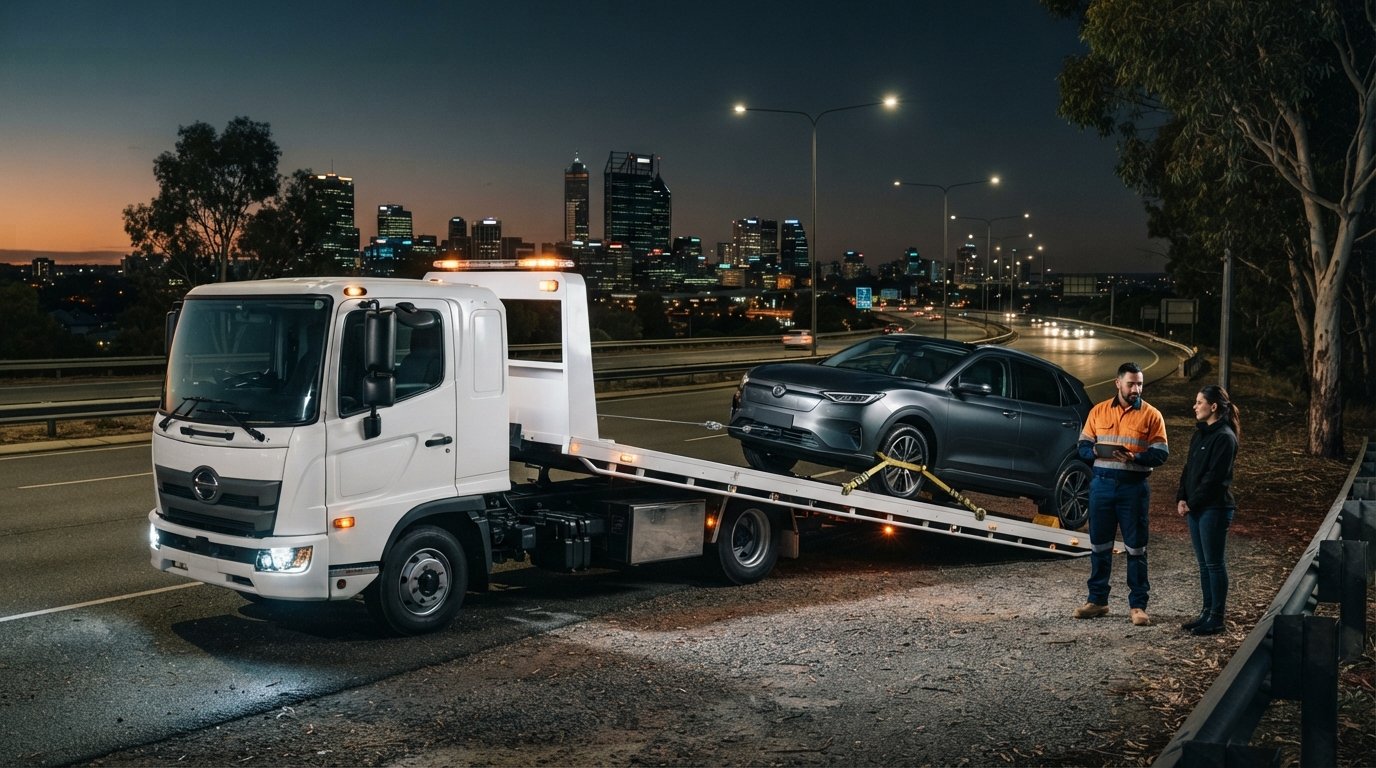
A business vehice accident affects more than one driver. It can interrupt deliveries, staff schedules, customer visits and equipment availability.
Fleet insurance towing helps a business keep the recovery, invoice and delivery record organised. Fleet cover also needs consistent transport notes when several cars, vans or utes are involved.
Why Fleet Insurance Towing Needs a Process
A single private tow is usually simple to track. A business fleet may involve managers, drivers, insurers, repairers and finance staff.
Allout Towing Services supports vehicle recovery across Northern Perth and wider WA with a fully insured, family-owned operation. The business states that it has more than 30 years of transport experience, which can help fleet insurance towing stay organised when a business is trying to reduce downtime.
Who Needs the Tow Record?
The driver may need the pickup details. The manager may need the invoice. The insurer may need the delivery address and damage context.
Business claim handling works better when every recovery record uses clear vehicle registration, location and incident notes. Small details can reduce confusion later.
Standardise the Information Collected
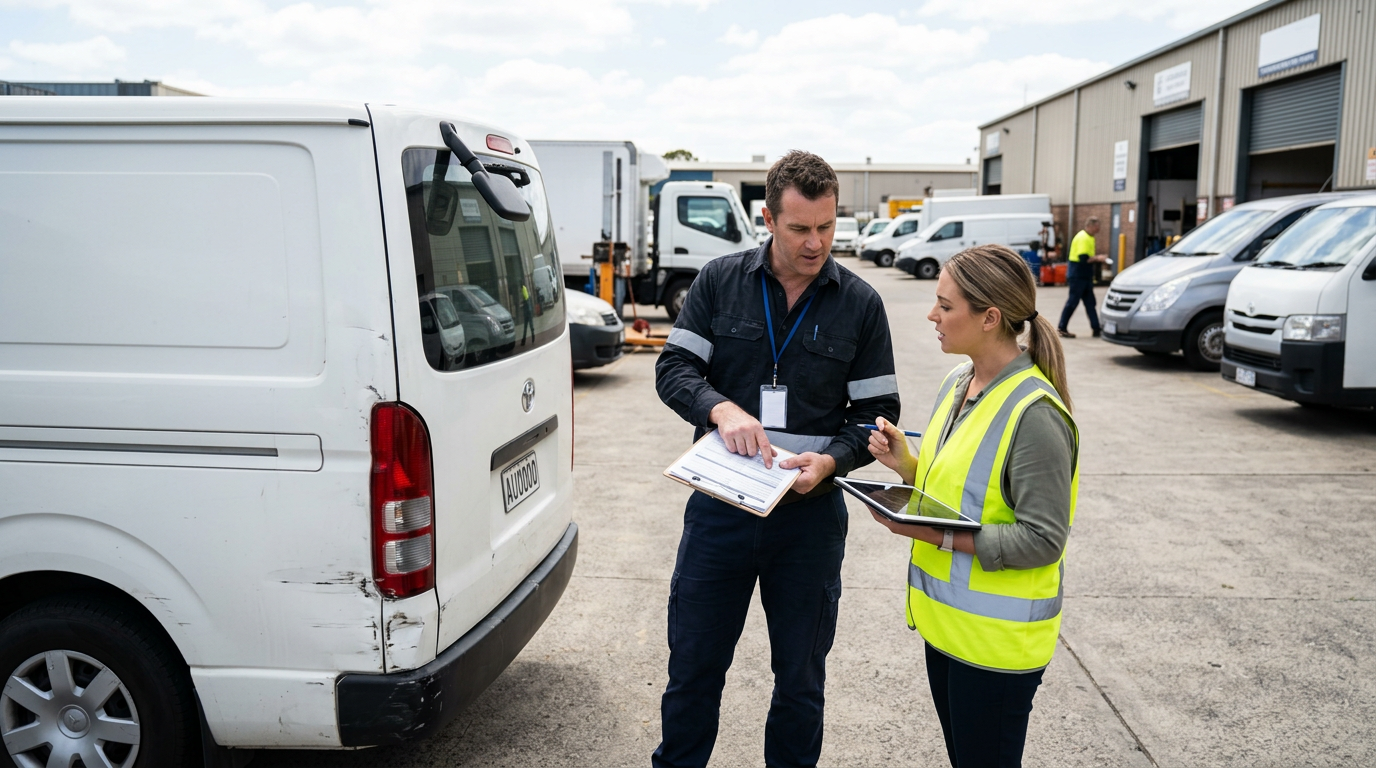
Businesses should keep a simple checklist for any fleet tow. It can capture the driver name, registration, location, claim number, insurer and preferred repairer.
Allout Towing Services operates a Northern Perth tow fleet for cars, trucks, boats, caravans, motorcycles and specialist loads. Its website states that its fleet can handle loads up to 10 tonnes.
Photos and Driver Notes
Safe photos of vehicle damage, road position and cargo can support the claim. Driver notes should be factual and short.
Fleet insurance towing should avoid guesswork. The recovery record should state what happened to the vehicle, where it went and who authorised the destination.
Match Recovery Equipment to Business Vehicles
Fleet vehicles are not always standard passenger cars. Some carry tools, equipment, refrigeration units, signage or heavy shelving.
A loaded van or trade ute can need a different loading approach from a light car. Weight, access and cargo security all matter.
When Specialist Equipment Is Needed
If the vehicle has damaged steering, wheels or suspension, the operator may need a tilt tray or specialist handling. Business cargo may also need to remain stable during loading.
For non-standard fleet recoveries, specialised towing can help keep the process controlled. It is useful when the vehicle cannot be treated as a basic roadside pickup.
Keep Multi-Vehicle Insurance Records Consistent
A business with several claims in one storm event or incident window needs consistent records. Different invoice names, unclear destinations or missing registrations can slow processing.
Insurance administration becomes easier when each tow record follows the same format. The business can then provide the insurer with a clearer record of each recovery.
Reducing Downtime After a Tow
The destination should support the fastest sensible next step. That may be an approved repairer, assessment yard, storage point or business depot.
If the vehicle is valuable or brand-critical, the custody standards used in prestige vehicle transport can provide a useful comparison. Careful handling helps protect the asset while the claim moves forward.
Handling Heavier Fleet Assets
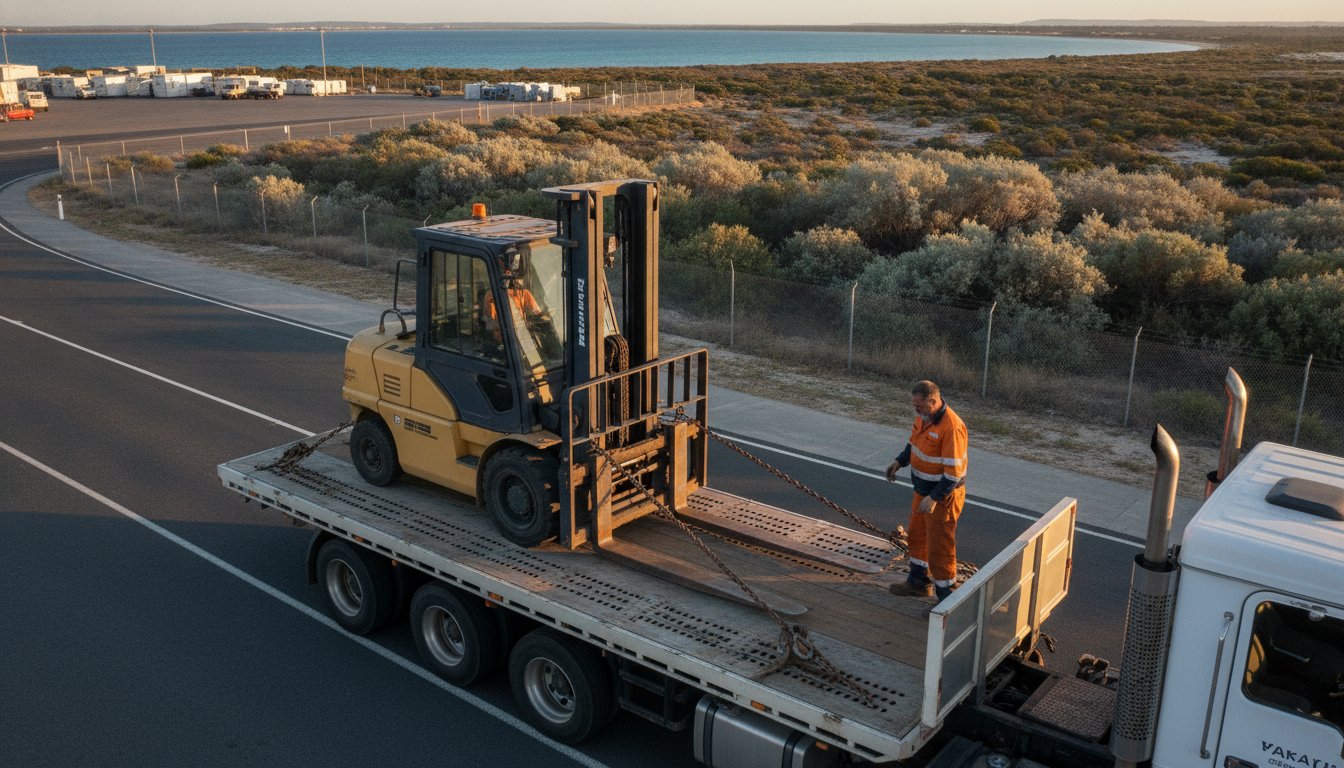
Some businesses operate machinery, trailers or small plant as part of the fleet. These assets need more planning than a standard car tow.
The methods used in heavy machinery towing may apply when the load is heavy, awkward or site-based. Deck rating, tie-downs and access need checking before movement.
Internal Fleet Claim Checklist
A business should store a short claim checklist where drivers can access it. The checklist can include insurer contact details, manager approval steps and towing instructions.
Fleet insurance towing is easier when drivers know who to call and what information to provide. That can prevent rushed decisions at the roadside.
Building a Simple Fleet Recovery Template
A one-page template can save time during a stressful incident. It can list the insurer, policy contact, authorised manager, preferred repairer and required evidence.
Drivers should not need to search old emails at the roadside. A clear template gives them a practical checklist while the manager handles claim approval. The same template can be used after storms, minor crashes and mechanical failures.
Fleet managers can also number each incident internally. A short reference code makes it easier to match the tow invoice, repair quote and insurer email. Without that structure, several similar white vans or trade utes can become difficult to track.
The driver should be told where to send photos and who approves the destination. That prevents a roadside decision from becoming an office problem later. When the business has a preferred repairer, those details should sit in the vehicle pack or driver phone.
A clear recovery process also helps staff feel less exposed after an accident. They can focus on safety first, then follow the written steps.
Fleet owners should review the process after each incident. If drivers keep missing the same information, the checklist needs to be simpler. If invoices reach the wrong person, the internal contact should be updated. Small improvements make the next recovery smoother.
The same process can also support vans, utes and trailers after storms. Managers can update the template after each incident so drivers keep improving.
The record should also clearly name the person who approved the tow and the repairer destination.
FAQ
What should a fleet tow record include?
It should include registration, driver, pickup location, delivery address, tow reason, claim number, insurer and invoice details.
Can direct billing help a business fleet?
It can, if the insurer and policy allow it. Direct billing may reduce reimbursement work for the business, but payment responsibility should be confirmed with the insurer.
Why does multi-vehicle insurance need consistent records?
Consistent records make it easier to track individual recoveries, costs and claim information across a larger fleet.
Conclusion
Fleet insurance towing is simpler when every vehicle recovery follows the same clear claim process. Allout Towing Services provides specialist tow service support for business vehicles that need organised recovery. To discuss business fleet tow support, call (0418) 959 216.