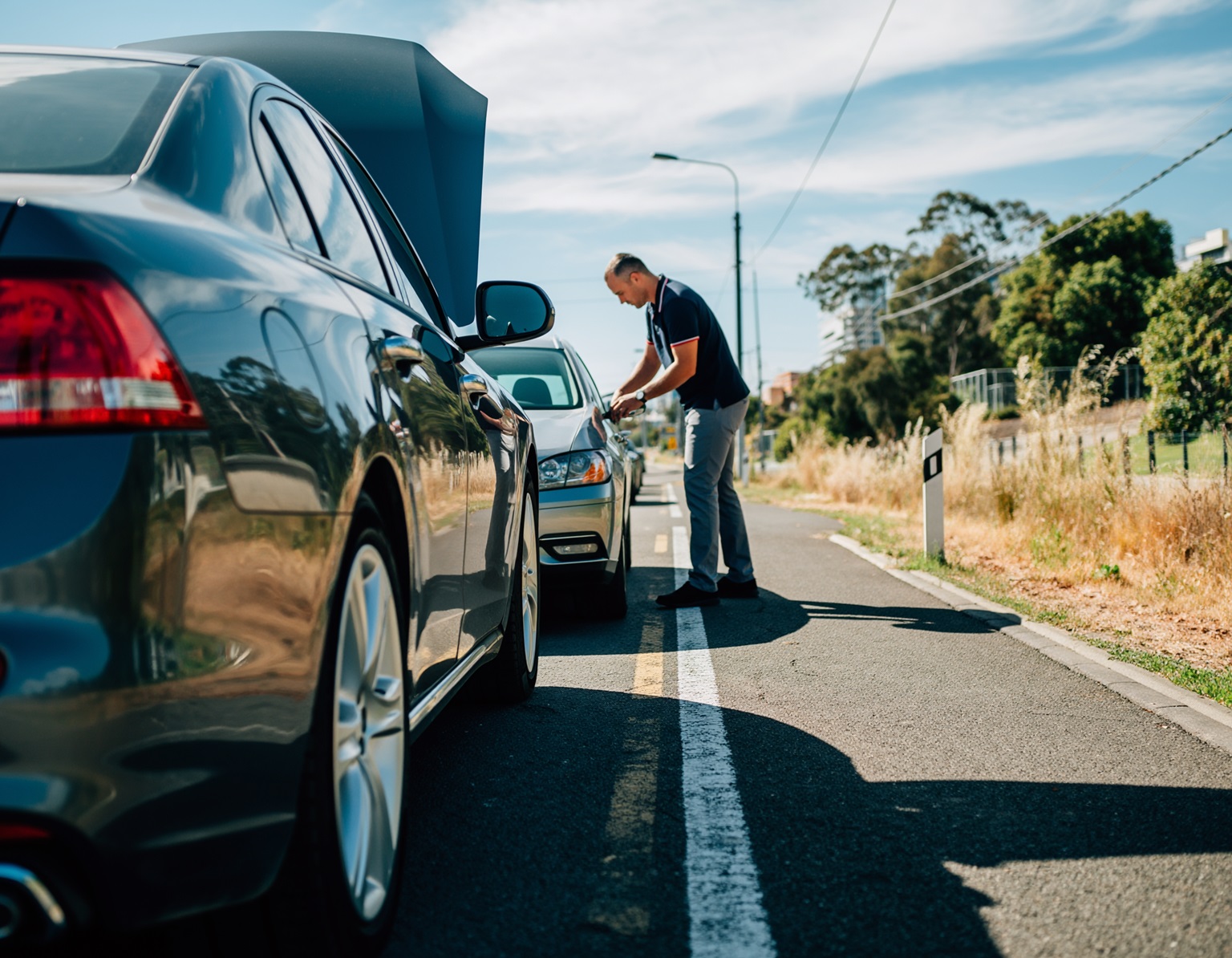
You’re stuck on the side of Mitchell Freeway at 7 PM on a Wednesday, steam billowing from under your bonnet. Your first thought? “Will my insurance cover this?” Your second thought? “Why didn’t I read my policy properly?”
It’s a scene witnessed hundreds of times across Perth’s roads. The confusion occurs when drivers aren’t sure what their insurance actually covers. The frustration when they discover a gap in their policy. The relief when they realise they’re adequately protected and know precisely what to do next.
Understanding your car insurance before something goes wrong isn’t just thoughtful planning. It’s the difference between a stressful situation and a manageable one. Between paying thousands out of pocket and getting back on the road quickly. Between knowing you’re protected and just hoping you are.
Why This Feels More Complicated Than It Should
Car insurance policies aren’t exactly light reading. They’re filled with technical terms and complex clauses that make it hard to find what matters when you’re already stressed.
Most drivers compare quotes, pick the one that seems right, and hope they’ll never have to use it. That’s completely normal. The problem is that insurers don’t make it easy to understand the fine print until you need to make a claim.
When your car breaks down or you’ve had an accident, the last thing you want to do is sift through policy documents to work out if you’re covered for a tow truck. That’s why sorting it out now matters. Think of your insurance policy like a fire extinguisher – you don’t wait for the fire to learn how it works.
Car Insurance Tips Perth: Know What Your Policy Actually Covers
Most Perth drivers have some form of insurance, but the real question is what it covers when you’re broken down or involved in an accident.
- Third-party property insurance covers damage you cause to other people’s property. It doesn’t cover your own car or towing costs.
- Third-party fire and theft adds protection for theft and fire, but still excludes mechanical failure and most towing.
- Comprehensive insurance covers damage to your own car, theft, fire, and often includes limited towing or roadside assistance.
Real scenarios show the difference. A driver assumes his policy covers towing to his preferred mechanic, but learns it only covers towing to the nearest approved repairer. He ends up paying extra because he didn’t check that detail.
Check your policy documents for:
- Towing distance or cost limits
- Choice of repairer options
- Excess amounts for different claim types
- Specific exclusion,s such as mechanical failure or wear and tear
If anything’s unclear, call your insurer and ask direct questions. Get them to explain precisely what happens in scenarios like a breakdown, collision, or roadside recovery.
The Right Time to Add Roadside Assistance
Roadside assistance through your insurance is different from standalone cover. Both have benefits, and the best choice depends on where and how you drive.
Insurance-based roadside assistance usually covers the specific vehicle on your policy. It includes jump-starts, tyre changes, lockout help, emergency fuel delivery, and towing to the nearest repairer if the car can’t be fixed roadside.
Standalone memberships often cover you as the driver, no matter whose car you’re in. That flexibility helps if you drive multiple vehicles or share cars.
For Perth metro drivers, insurance-based roadside assistance is usually enough and more affordable. Response times from local providers like All Out Towing’s 24-hour emergency towing service are quick and reliable.
For regional or high-mileage drivers, standalone membership offers broader distance limits and nationwide support. The cost difference is slight compared to the convenience it provides when something goes wrong.
The key is timing. You can’t buy roadside assistance while you’re already stranded. Set it up in advance so you’re never left waiting for hours on Wanneroo Road with a flat battery.
What to Do Immediately After an Accident
The first few minutes after an accident decide how smoothly your insurance claim goes. Get this part right, and you’ll save yourself a lot of stress later.
- Check for injuries and call 000 if anyone needs medical help.
- Move vehicles to safety if possible, or step away from traffic.
- Document everything before moving vehicles:
- Vehicle damage from multiple angles
- The accident scene and surroundings
- Number plates and visible road conditions
- Vehicle damage from multiple angles
- Exchange details with other drivers: name, contact number, registration, and insurance information.
- Don’t admit fault or speculate. Stick to facts.
- Contact your insurer within 24 hours to report the incident and begin your claim.
If there are witnesses, record their details. Keep photos, police report numbers, and tow receipts together. Having everything ready speeds up your claim processing.
If you need your vehicle towed safely after an accident, our car towing services team can transport your vehicle to a repairer or secure holding yard while you handle insurance formalities.
The Guilt You’re Probably Feeling (and Why It’s Misplaced)
Many drivers feel hesitant about claiming insurance, worrying about being a burden or seeing premiums rise. But you’ve been paying for that protection every month. Using it when you need it isn’t taking advantage – it’s the purpose of having insurance. At-fault claims may indeed affect future premiums, but the cost is almost always less than paying for repairs yourself. Not-at-fault claims typically don’t impact your record, especially if the other driver’s insurer accepts liability.
Don’t avoid claiming out of guilt or confusion. If you’re uncertain, call your insurer and ask how the claim might affect your premium before proceeding. Being informed beats guessing every time.
Start Here, Not With Perfection
You don’t need to become an expert overnight. Just know your own coverage well enough to make good decisions when things go wrong.
Check your policy now. Focus on:
- Type of cover you hold
- Excess amounts
- Whether towing or roadside assistance is included
- How to make a claim
- What’s excluded and what requires immediate reporting
Save your insurer’s claim number in your phone. Review your policy yearly, especially if you’ve changed vehicles or driving habits. For older vehicles, consider whether upgrading to comprehensive cover makes financial sense.
If you often travel outside Perth, check if your policy extends to regional areas. Some policies limit coverage in remote zones or require notification for extended trips.
Professional towing and roadside providers like All Out Towing handle insurance-covered recoveries every day. Having your details ready helps everything run smoothly when you need assistance.
Critical Car Insurance Tips Perth Drivers Should Remember
Your insurance isn’t just about legality – it’s financial protection. Understanding it now prevents panic later.
Keep these key points in mind:
- Know precisely what your policy covers before you need it
- Add roadside assistance if you don’t already have it
- Document everything after an accident
- Contact your insurer promptly
- Don’t feel guilty about claiming when necessary
Mechanical parts fail, other drivers make mistakes, and conditions can change in a second. Preparation turns an emergency into a manageable event.
When You Need Help Right Now
Knowing your insurance coverage matters most the moment you actually need it. When your car breaks down on the freeway or after an accident, having reliable help at hand makes all the difference.
That’s where a professional team helps. With a single phone call, a qualified operator can tow your vehicle, keep you updated on progress, and coordinate with your insurer if needed.
The peace of mind that comes from knowing what to do and who to call isn’t theoretical – it’s practical. Ten minutes spent reviewing your policy today saves hours of stress later.
When you’re ready to secure dependable support for Perth or WA driving, trust All Out Towing for fast, professional, and transparent help at any hour. If you need immediate assistance, get in touch with our 24-hour team, and we’ll get you moving again.