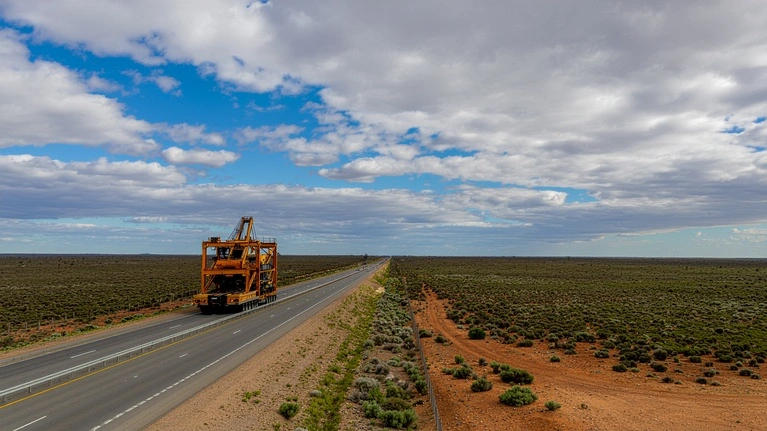
Rural blocks in Gnangara come with a unique set of logistical challenges that most Perth metro towing companies simply aren’t equipped to handle. The combination of sandy tracks, narrow access points, and properties still being developed means getting a 20ft shipping container onto your block requires specialist knowledge and the right equipment.
We’ve moved hundreds of containers out to Gnangara’s semi-rural and rural properties over the years. The difference between a smooth delivery and one that ends with your container stuck in sand or damaged comes down to experience, the right equipment, and understanding the terrain. It’s not like dropping a container on a sealed industrial estate in Malaga.
Why does container placement matter so much on Gnangara blocks? A 20ft container weighs around 2.2 to 2.4 tonnes when empty. Once you start loading it with ride-on mowers, generators, fencing materials, or farm supplies, that weight climbs fast. Placement affects future accessibility, relocation costs, and whether the ground will shift under the load over time.
Why 20ft Containers Are Popular on Gnangara Rural Blocks
Storage and Affordability for Developing Properties
The 20ft shipping container has become the go-to storage solution for rural property owners, and it’s easy to see why. They’re weatherproof, secure, lockable, and significantly cheaper than building a shed. For blocks that are still being cleared or developed, they’re perfect for storing tools, building materials, or equipment without needing council approval for a permanent structure.
A 20ft container remains valuable long-term. Many Gnangara landowners use containers as temporary workshops, secure storage for machinery, or even as the foundation for future builds. They’re versatile, affordable, and designed to last decades in the elements. But getting one delivered safely requires a towing operator who knows how to read the land and assess ground conditions accurately.
The Terrain Challenges Unique to Gnangara
Sandy Soil and Access Complications
Gnangara sits on the northern fringe of Perth’s metro area, where suburban sprawl meets remnant bushland and market gardens. The soil is predominantly deep sand, which can be firm when dry but treacherous when wet or freshly disturbed. Many properties are accessed via unsealed roads, private tracks, or driveways that weren’t designed for heavy vehicles.
We’ve delivered containers to blocks with nothing more than a cleared fire break for access. Others have gravel driveways that look solid until you put weight on them. The key is assessing the route before committing the truck, because once you’re halfway down a sandy track with a 20ft container on the back, reversing isn’t always an option.
Overhead Clearance and Infrastructure Risks
Overhead clearance is another critical issue. Gnangara has plenty of mature trees, and rural blocks often have power lines running across access points. A loaded tilt tray sits higher than a standard truck, so we measure clearance carefully. It’s not just about getting the container on the block, it’s about getting it there without taking out infrastructure or getting stuck during rural property transport.
How We Transport 20ft Containers Safely
Pre-Delivery Assessment and Planning
Our tilt tray services are purpose-built for this kind of work. The tray lowers completely flat to the ground, allowing us to winch the container on without lifting or tilting it at awkward angles. Once secured, the container sits stable and level for the entire journey.
Before we even book the job, we’ll ask about your property access. How wide is the driveway? Is it sealed, gravel, or sand? Are there gates, trees, or overhead lines? Do you have a cleared pad ready for placement, or will we need to position the container on uneven ground?
These questions determine which truck we send, what time of day we schedule the delivery, and whether we need additional equipment like sand mats or a spotter. A delivery that looks straightforward on Google Maps can turn complicated fast when you’re dealing with soft sand and a 2.4-tonne load. Our heavy machinery towing experience directly applies to container placement challenges.
Precision Placement on Rural Sites
Once we’re on-site, placement is a careful process. We don’t just tip the container off the tray and leave. We use the tilt tray’s hydraulic controls to lower it gently onto the prepared surface, adjusting position as needed. If the ground isn’t level, we’ll advise on shimming or repositioning to prevent the container doors from binding or water pooling underneath.
Site Preparation: What You Need to Do Before We Arrive
Foundation Requirements for Sandy Gnangara Soil
The single biggest factor in a smooth container delivery is site preparation. You don’t need a concrete slab (though it helps), but you do need a level, compacted surface that can support the weight without sinking into sand.
For sandy Gnangara soil, we recommend these specific preparations:
- Clearing the site: Remove vegetation, rocks, and debris from the placement area. The container needs to sit flat, and even a small branch can cause it to tilt.
- Compacting the surface: If you’re placing the container on sand, compact it as much as possible. A vibrating plate compactor works well. Loose sand will shift under load.
- Using sleepers or bearers: Timber sleepers or steel bearers spread the weight and keep the container off the ground, preventing rust and allowing airflow. They also make future relocation easier.
- Ensuring clear access: The tilt tray truck is large, around 8 to 10 metres long. We need a clear, straight approach to the placement site. Tight turns, narrow gates, or overhanging branches complicate the job.
If your block is still being developed and you don’t have a prepared pad, let us know in advance. We can advise on placement options or suggest a temporary location that won’t interfere with future construction.
Common Placement Mistakes (And How to Avoid Them)
Location and Boundary Errors
We’ve seen containers placed in spots that seem convenient at the time but create problems later. Here’s what to avoid when planning container placement on rural Gnangara properties:
Placing the container too close to the boundary might seem like a good use of space, but if you ever need to access the sides or relocate the container, you’ll regret it. Leave at least a metre of clearance on all sides for maintenance and potential future moves.
Ignoring drainage is another critical mistake. Gnangara’s sandy soil drains well, but low-lying areas can still pool water after heavy rain. If the container sits in water, the base will rust. Choose higher ground or build up the site to prevent water accumulation over time.
Blocking future access happens more often than you’d think. Think about where driveways, sheds, or other structures might go. A container placed in the wrong spot now can become an expensive obstacle later during construction or expansion.
Why You Need a Tilt Tray (Not a Side Loader or Crane)
Equipment Advantages for Rural Delivery
Some operators use side loaders or cranes to deliver containers, and while those methods work in certain situations, they’re not ideal for rural Gnangara blocks. Side loaders require a wide, level area to operate, and they can struggle on soft or uneven ground. Cranes need even more space and a stable base for the outriggers.
A tilt tray gives us the most control. The container stays secured to the tray until we’re in position, and we can place it precisely where you need it without requiring a massive turning circle or hard standing. It’s the safest, most versatile option for rural property transport across Gnangara’s challenging terrain.
Think of it this way: a side loader is like trying to parallel park a bus in a narrow street, it works if everything’s perfect, but there’s no margin for error. A tilt tray is like reversing a trailer into your driveway, controlled, predictable, and forgiving of less-than-ideal conditions.
Timing Your Delivery: Weather and Ground Conditions
Seasonal Considerations for Sandy Terrain
Gnangara’s sandy soil behaves differently depending on the season. In summer, it’s firm and stable. In winter, even a light shower can turn a sandy track into a boggy mess. We’ve had jobs where the ground was perfect in the morning and impassable by afternoon after unexpected rain.
If you’re booking a container delivery between May and September, we’ll keep a close eye on the weather forecast. If heavy rain is predicted, we may suggest rescheduling, not because we can’t do the job, but because getting a loaded tilt tray stuck on your property helps no one.
For properties with particularly challenging access, we sometimes deliver early in the morning when the ground is firmest, or after a dry spell when the sand has had time to compact. It’s all about timing and reading the conditions carefully.
What to Expect on Delivery Day
Final Site Confirmation and Placement Process
When we arrive, our driver will do a final walk-through with you to confirm placement. We’ll check the approach, assess the ground, and make sure there are no last-minute obstacles. If something’s changed since we booked the job, a new fence, a pile of building materials, a fallen branch, we’ll work with you to adjust the plan.
The actual placement usually takes 20 to 30 minutes, depending on access and ground conditions. We’ll position the truck, lower the tray, release the securing straps, and gently slide the container into place. Once it’s down, we’ll check that it’s level and stable before we leave your property.
You don’t need to do anything during the delivery except stay clear of the work area. Our team handles everything, and we’ll make sure the container is exactly where you need it before we pack up and depart.
Moving or Relocating Containers Later
Future Flexibility and Relocation Services
One question we get often: “Can you move the container again if I need to?” Absolutely. Whether you’re reconfiguring your block, starting construction, or just want the container in a different spot, we can relocate it using the same tilt tray process.
Just keep in mind that if the container’s been sitting on sand for a while, it may have settled or sunk slightly, which can make lifting it a bit trickier. That’s another reason to use sleepers or bearers during initial placement, they make future moves much easier.
If the container’s sitting directly on sand and has sunk even a few centimetres, we may need to dig around the base or use sand mats to get the tilt tray in position. Our specialised towing solutions team handles these relocation challenges routinely.
Insurance, Permits, and Compliance
Council Approvals and Coverage
For most rural Gnangara blocks, you don’t need council approval to place a shipping container, especially if it’s for temporary storage or agricultural use. However, if you’re planning to convert the container into a habitable structure or permanent outbuilding, you’ll need to check with the City of Wanneroo.
Our container transport services are fully insured, and our operators are trained in heavy load handling and site safety. We carry public liability insurance, and all our equipment is maintained to industry standards. If something goes wrong during transport or placement, you’re covered.
We also comply with WA Main Roads regulations for oversized loads and route planning. A 20ft container isn’t oversized by legal standards, but we still plan routes carefully to avoid low bridges, narrow roads, or weight-restricted areas.
Why Local Knowledge Matters
Gnangara-Specific Expertise and Experience
Gnangara’s not a postcode, it’s a patchwork of market gardens, hobby farms, new subdivisions, and remnant bushland. Some properties are on sealed roads with kerb and channel. Others are accessed via tracks that don’t appear on GPS. We’ve delivered containers to both, and the difference in approach is significant.
Local knowledge means we know which roads flood in winter, which tracks are too soft for a loaded tilt tray, and which properties have tricky access that requires a different approach angle. We’ve worked in Gnangara long enough to know the area’s quirks, and that experience saves time, prevents damage, and keeps everyone safe.
If you’re new to the area or still developing your block, that local knowledge is invaluable. All Out Towing can advise on placement, access, and timing based on what we’ve learned from hundreds of similar jobs across Perth’s northern corridor.
Get Your Container Delivered Right the First Time
Booking Your Gnangara Container Transport
Moving a 20ft container onto a rural Gnangara block isn’t a job for a general freight company or a mate with a truck. It requires the right equipment, the right experience, and a careful approach to access and placement. We’ve been doing this work across Perth’s northern corridor for years, and we’ve seen what works and what doesn’t.
If you’ve got a container ready to move or you’re planning a delivery to your Gnangara property, contact All Out Towing for a quote and a site assessment. We’ll talk through your access, your placement needs, and the best approach for your block. No guesswork, no surprises, just a safe, professional delivery that gets your container exactly where it needs to be.
For broader transport needs, our heavy machinery towing and specialised towing solutions cover everything from bobcats to site sheds, and we’re available 24/7 for urgent jobs. Whether you’re setting up a new property, storing equipment, or managing a rural development, we’ve got the gear and the experience to get it done right.
Ready to book your 20ft container delivery to Gnangara? Contact All Out Towing at 0418 959 216 for professional container transport with local Gnangara knowledge. Safe placement, experienced team, fully insured.