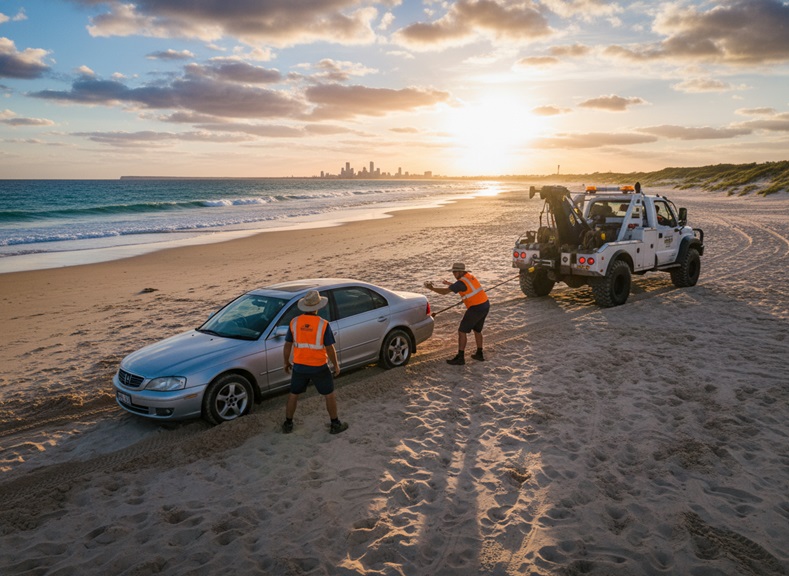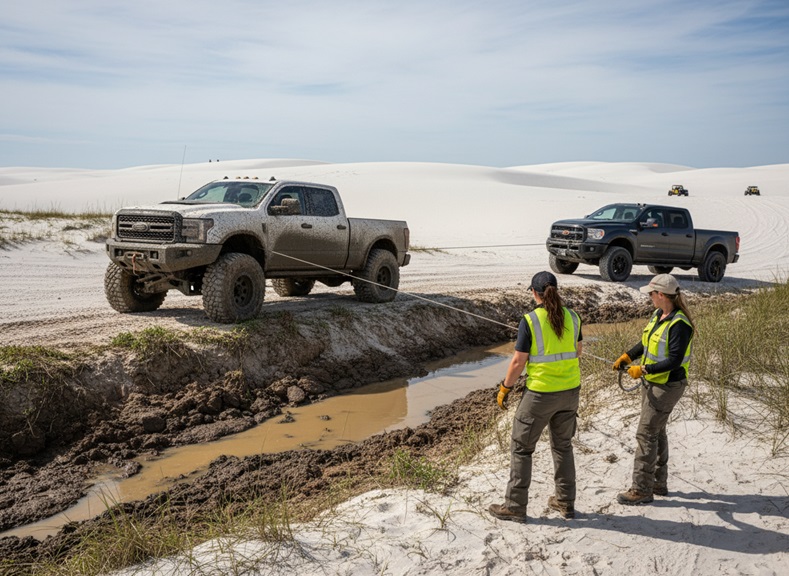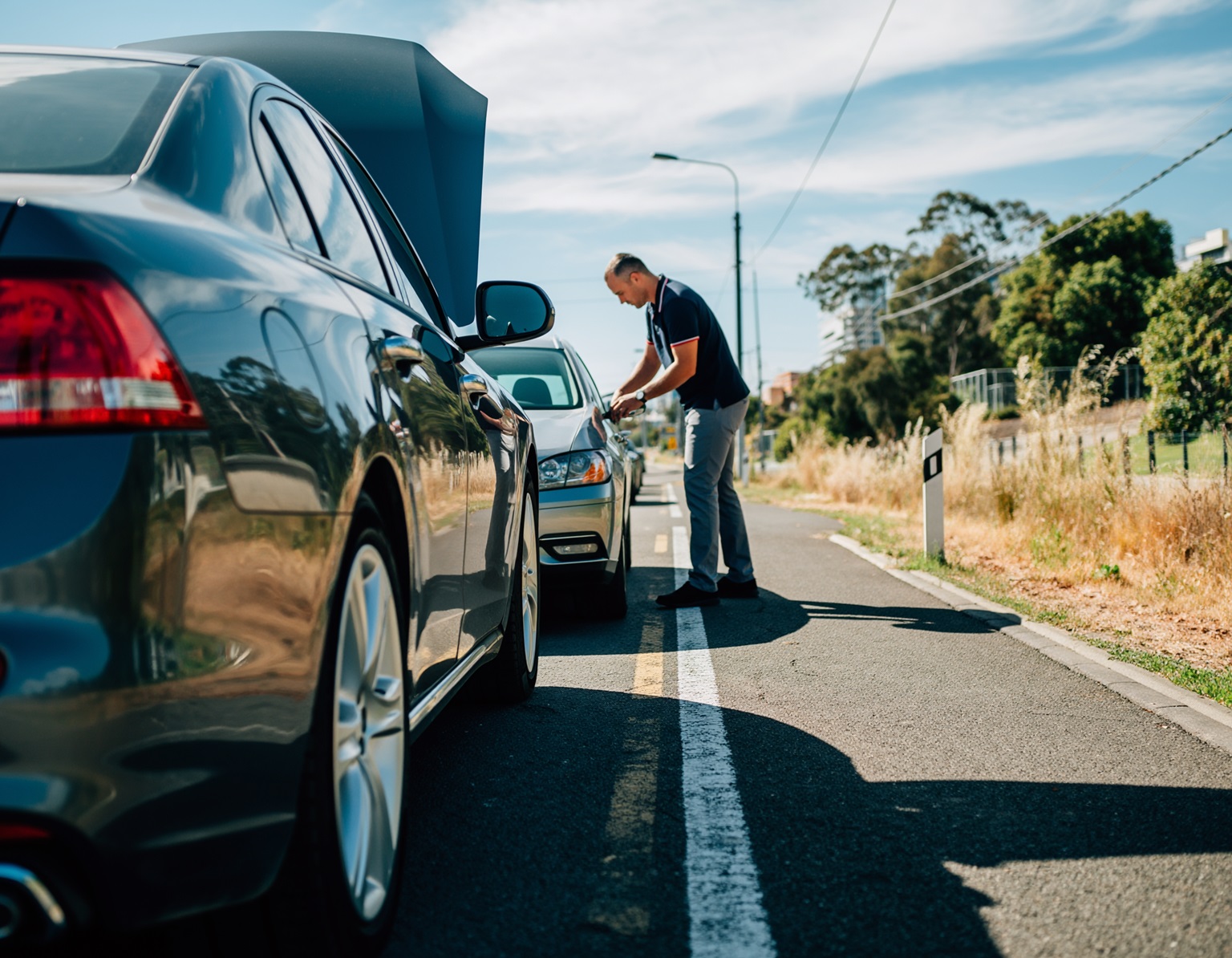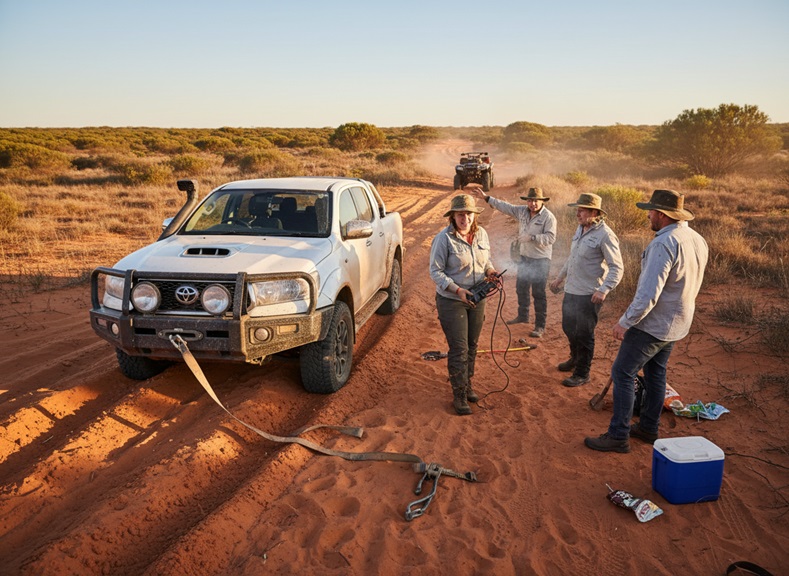
Getting bogged in soft sand near Lancelin or stuck in muddy tracks around Mundaring is a common experience for WA drivers. The natural instinct is to grab the snatch strap, hook up to a mate’s ute, and give it a go. While it looks simple in online videos, real-world conditions are far less forgiving. Many recoveries that start with confidence end with damaged vehicles or injuries because the core principles of DIY vehicle recovery WA are misunderstood.
1. Underestimating the Complexity of Recovery
Owning vehicle recovery equipment doesn’t automatically make the process safe. Even experienced drivers can overlook how much energy builds up in recovery straps or how terrain conditions change the physics involved.
When a snatch strap stretches, it stores massive kinetic energy that releases in a fraction of a second. If a shackle, strap, or mounting point fails, the recoil can turn metal components into high-speed projectiles. These accidents are often severe and entirely preventable.
Each surface in Western Australia behaves differently:
- Soft sand requires gentle, consistent movement and reduced tyre pressure.
- Mud demands traction management and controlled acceleration.
- Rocky or clay terrain often calls for steady pulling rather than jerking motions.
The key to a safe recovery is understanding that no single method works everywhere. What’s effective on the beach may fail entirely in the hills.
2. Using the Wrong Gear for the Job
Not all recovery gear performs the same function. Mixing the wrong tools creates unnecessary risk.
- Snatch straps are elastic and designed for kinetic recoveries.
- Tow straps are static and used for steady pulls.
- Winches provide slow, controlled recovery where safety and precision are priorities.
The wrong combination can damage both vehicles or lead to strap failure. Shackles and anchor points must also match or exceed the weight rating of the vehicles involved.
A safe recovery setup should include:
- A rated snatch strap suitable for your vehicle’s weight.
- Bow shackles that meet or exceed that capacity.
- Recovery points on both vehicles (never attach to a tow ball).
- A damper blanket to reduce recoil if something snaps.
- Protective work gloves for handling hot or abrasive metal.
Tow balls are especially dangerous. They are not engineered for lateral stress and can shear off during recovery. Always connect to dedicated recovery points mounted directly to the chassis.
If uncertainty arises about which method to use, seek professional help. Experienced recovery teams like All Out Towing are available for roadside assistance and emergency recoveries throughout Perth.
3. Skipping Preparation Before Recovery
Most failed DIY recoveries begin before any pulling even starts. Proper preparation determines whether the recovery succeeds or turns into an hours-long struggle.
Before attempting a pull:
- Assess the situation – determine whether you’re actually bogged or just lacking traction.
- Deflate tyres – 16–18 PSI is typical for sand; lower for deep bogs.
- Clear debris – dig out around tyres to reduce resistance.
- Check equipment – inspect straps, shackles, and recovery points.
- Move bystanders away – at least 1.5 times the strap length from the recovery line.
- Agree on communication – both drivers must know hand signals and timing.
Skipping these basics leads to more digging, broken gear, and frustration. Preparation might take longer, but it dramatically increases safety and success rates.
4. Ignoring Safe Angles and Positions
Recovery angles and vehicle placement matter as much as the strength of your gear. A pull from the wrong angle can cause the recovering vehicle to slide sideways or stress the chassis.
- Keep the pull as straight as possible, ideally under 30 degrees.
- Maintain a safe 8–10 metre distance for snatch straps to stretch properly.
- Never stand beside or behind the vehicles.
- Position spectators and helpers at a safe distance, preferably behind a solid object.
The safest place for anyone not directly operating the vehicle is well off to the side of the recovery line. Every professional operator in vehicle recovery equipment handling follows this rule, and so should every driver attempting self-recovery.
5. Overlooking Environmental and Legal Factors
Western Australia’s landscapes are diverse but regulated. Certain areas restrict recovery activities to prevent environmental damage or protect drivers. Attempting DIY vehicle recovery WA in prohibited zones, national parks, or tidal beaches can lead to fines and environmental harm.
Common oversights include:
- Attempting recovery during incoming tides, trapping vehicles in rising water.
- Winching from trees without protection, damaging bark and ecosystems.
- Entering protected zones without permits.
Drivers should always check WA Main Roads for safety alerts and the Department of Biodiversity, Conservation and Attractions for regional access guidelines before setting off.
Knowing When to Call for Help
There’s no shame in recognising limits. The hardest but most important skill in recovery is knowing when to stop. If multiple attempts have failed, or the terrain looks unsafe, professional help is the right choice.
Specialists from All Out Towing offer our 24-hour emergency towing for stuck or bogged vehicles anywhere in Perth and regional WA. They use advanced flatbed towing systems, ensuring safe, damage-free recovery even in difficult terrain.
Professional recovery services provide:
- Rated equipment suitable for heavy loads.
- Trained operators familiar with local terrain.
- Full insurance and safety compliance.
- Fast, reliable assistance for off-road and urban incidents.
Final Advice for DIY Recovery
If you prefer to handle recoveries yourself, do it correctly.
- Take an accredited 4WD recovery course offered in WA.
- Invest in certified, high-quality vehicle recovery equipment.
- Practise in controlled environments before heading into remote areas.
- Set a firm limit: if there’s no progress after two attempts, stop and reassess.
Western Australia’s landscapes reward preparation and punish overconfidence. Knowledge, correct gear, and discipline are the difference between a simple recovery and a costly mistake. When in doubt, get in touch with professionals who can recover your vehicle safely and protect both people and the environment.