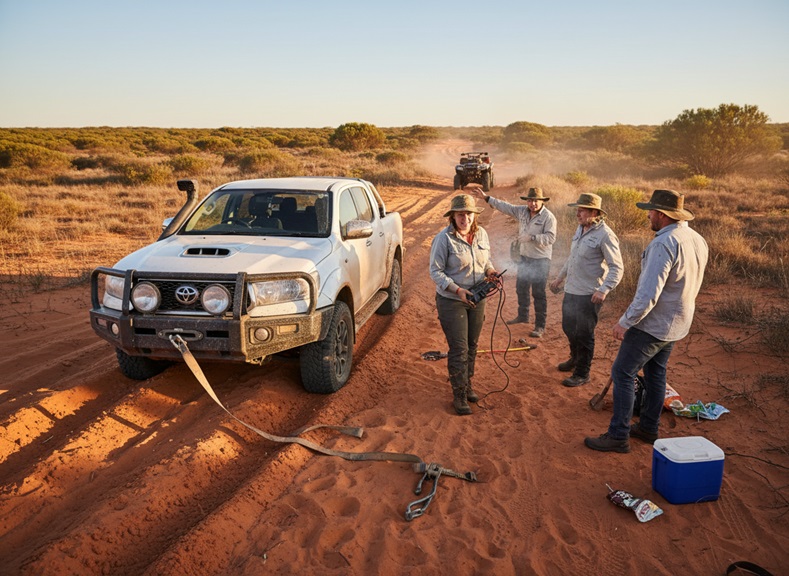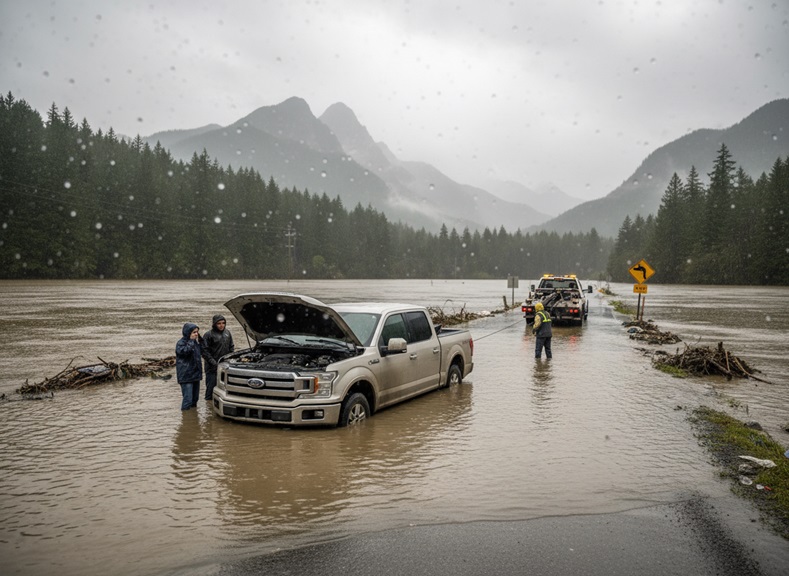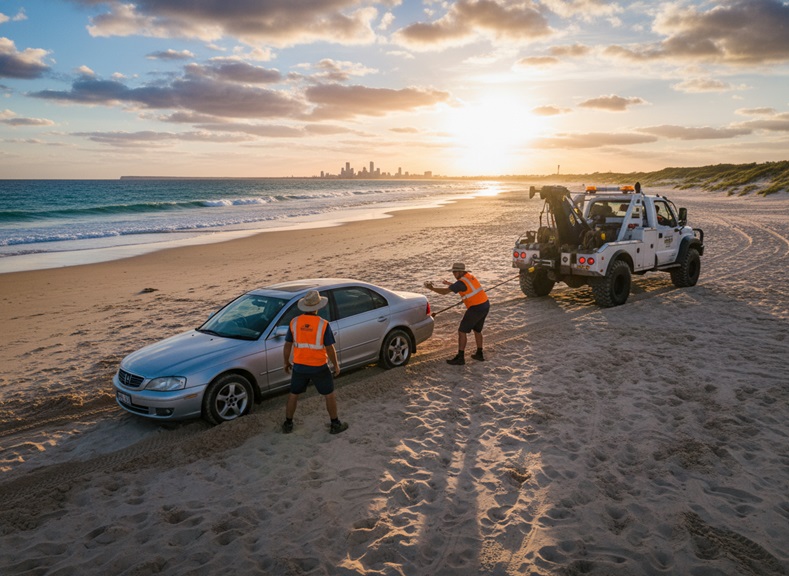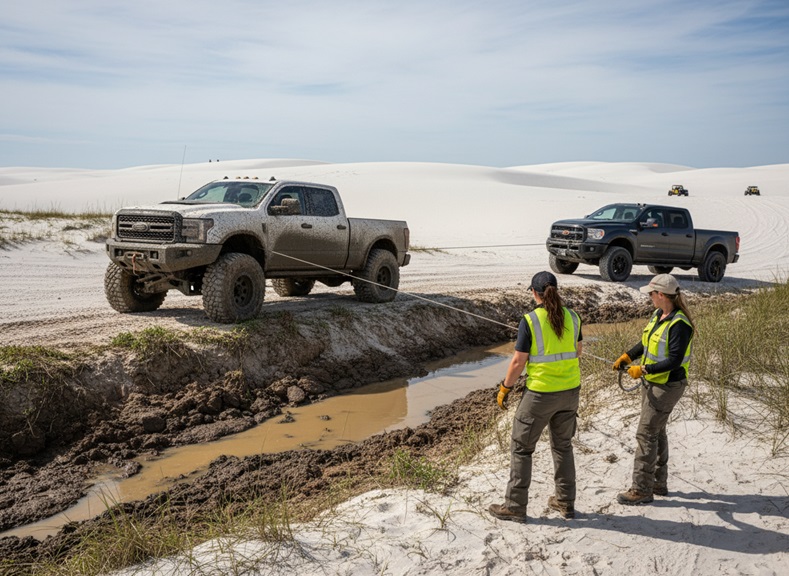
Vehicles become stranded across Western Australia every day – in dunes, mud, embankments, or roadside drains. These recoveries demand precision, not power. Professional vehicle recovery WA specialists apply controlled techniques to free vehicles safely, protecting both people and property.
Recovery operations across WA vary widely depending on terrain, weather, and accessibility. Conditions such as loose beach sand, deep mud, and crumbling gravel all behave differently under pressure. Understanding these factors is the key to a safe and effective extraction.
Understanding WA’s Diverse Recovery Conditions
Western Australia’s geography presents unique challenges for towing and recovery. Coastal sand behaves more like liquid under weight, while inland clay and red dirt harden or soften dramatically after rainfall. Limestone gravel can shift unexpectedly, and narrow drainage ditches often require angled winching to prevent vehicle rollovers.
Professional 4WD recovery Perth operators prepare for this by carrying a full suite of rated equipment, including winches, snatch blocks, ground anchors, and traction boards. This range ensures that recovery is possible on beaches, in rural zones, or along busy highways where terrain varies by the metre.
Each job begins with a complete assessment of surface conditions, recovery angles, and environmental factors. This planning stage determines how the vehicle can be stabilised and retrieved without worsening its position.
Methodical Recovery Procedures
A structured approach prevents damage and ensures safety during any recovery. Operators begin by assessing the scene, identifying the safest recovery points on the vehicle, and planning the direction and degree of pull required.
The standard recovery process includes:
- Stabilisation: Ensuring the vehicle is secure and unlikely to shift before recovery begins.
- Attachment: Connecting rated straps or winch cables to engineered recovery points on the chassis.
- Load Calculation: Evaluating the pulling force needed to free the vehicle.
- Controlled Extraction: Applying steady pressure with a winch or recovery vehicle to gradually release the vehicle from its position.
- Post-Recovery Inspection: Checking for leaks, damage, or mechanical faults before the vehicle is moved or towed.
Controlled movements and calculated loads eliminate unnecessary strain, which is the difference between a safe recovery and costly damage.
Equipment Used in Professional Recovery
Modern recovery fleets use advanced tools designed for specific terrains and vehicle weights:
- Winches: Hydraulic or electric systems that deliver controlled pulling power.
- Snatch Blocks: Pulley systems used to adjust pulling angles or double winch power.
- Rated Recovery Straps and Soft Shackles: Flexible, load-tested equipment that absorbs shock and prevents sudden jerks.
- Ground Anchors: Provide secure attachment points when trees or solid structures are unavailable.
- Traction Aids: Devices placed under tyres to create a firm surface during recovery on sand or mud.
- Tyre Deflation Kits: Used to increase flotation on soft ground before towing or winching.
Each item undergoes regular inspection to ensure compliance with safety and load standards.
Sand and Beach Recovery
Beach and dune recoveries are common in WA. Sand compresses and collapses easily, trapping vehicles quickly. Effective recovery requires managing traction rather than force.
Operators often lower tyre pressure to increase surface area, reducing sink depth. Recovery boards or mats are placed under drive wheels to create a firm path forward. A controlled pull is applied at a slight upward angle to lift the vehicle while moving it forward. Timing is also critical; recovering before incoming tides reach the vehicle prevents water damage and environmental risk.
When recovering prestige or low-clearance vehicles, tilt tray services are used to avoid underbody contact with sand or debris.
Ditch and Embankment Extraction
Vehicles that slide into ditches or embankments present a high risk of rollover if pulled incorrectly. Recovery teams assess balance and weight distribution before applying force. Multiple winching points may be used to maintain control during repositioning.
Hydraulic jacks or lifting systems are often required to stabilise the vehicle before extraction. On steep slopes, recovery vehicles are anchored securely to avoid movement during operation. Slow, incremental adjustments ensure the vehicle remains balanced throughout the process.
Avoiding Common Recovery Mistakes
Untrained recovery attempts frequently lead to further damage or injury. Common errors include:
- Using non-rated equipment such as ropes or tow balls.
- Standing near cables or straps under tension.
- Applying force from unsafe angles.
- Spinning wheels excessively, which deepens the bog.
Professional vehicle recovery WA services follow safety protocols that prevent these risks. Clear exclusion zones are maintained during winching, and every load path is calculated to avoid sudden mechanical failure.
Protecting the Vehicle and the Operator
Professional recovery prioritises safety and mechanical integrity. Certified operators are trained to identify structural weaknesses, manage load distribution, and execute extractions under controlled conditions.
Insurance coverage often recognises this professionalism. Licensed recovery operations provide documented evidence of procedures, protecting vehicle owners in the event of damage claims. According to Department of Transport WA data, recoveries performed by certified operators significantly reduce post-incident repair costs.
Responsibilities for Vehicle Owners
While waiting for recovery assistance:
- Turn off the engine to prevent overheating or drivetrain stress.
- Avoid self-recovery if you lack rated equipment.
- Stay visible and clear of traffic if stranded roadside.
- Take photos of the vehicle’s position and condition for insurance records.
- Contact a qualified recovery provider for assistance, such as 24-hour emergency towing.
These steps ensure both safety and accurate reporting for insurers.
Cost and Service Factors
Recovery costs depend on distance, terrain, vehicle weight, and time of call. Beach or off-road recoveries generally require specialised equipment and may involve extended travel. Transparent pricing is provided before dispatch, and reputable companies issue detailed invoices suitable for insurance claims.
For immediate, accurate support, contacting All Out Towing ensures a professional response backed by modern equipment and experienced staff.
Why Professional Skill Matters
Equipment alone cannot guarantee safe recovery. Operator judgment determines success. Professionals understand how ground pressure, traction, and force interact across varying surfaces. They recognise warning signs that indicate when a different strategy or tool is needed.
4WD recovery Perth teams with extensive field experience anticipate these challenges and apply the safest, most efficient methods available. Their training ensures vehicles are freed with minimal risk, even under extreme conditions.
Preventive Measures for Drivers
Preventing recoveries starts with preparation:
- Check local weather and road conditions before travelling.
- Avoid unmarked beach access points without visible vehicle tracks.
- Reduce tyre pressure before driving on sand and reinflate before returning to sealed roads.
- Carry rated recovery equipment, including straps, shackles, and traction boards.
- Avoid overloading vehicles, as weight directly affects recovery difficulty.
Simple awareness and preparation often prevent the need for professional recovery altogether.
Professional vehicle recovery WA is about controlled technique and environmental awareness. When a vehicle becomes trapped in sand, mud, or a ditch, the safest solution is skilled intervention. For dependable, efficient 4WD recovery Perth, reach out to All Out Towing. Precision handling and adherence to safety standards ensure every recovery is completed with care.