You’ve got the route mapped, the playlist sorted, and a stash of road snacks. But your car may have been hinting for weeks that something isn’t right, and it’s easy to brush it off as “probably nothing.” Those hints matter on a 500-kilometre drive across WA highways.
A vehicle check-up WA drivers can trust is the simplest way to avoid roadside drama. Most breakdowns aren’t random. They’re predictable issues that were noticed but not fixed. You’re reading this now, which means there’s still time to act.
At All Out Towing, we’ve recovered thousands of vehicles before and during long trips. The pattern is familiar: small signals, long ignored, become big problems far from help.
Your Dashboard Is Talking To You
Those warning lights aren’t decorative. The check engine light means a monitored system is out of range. It could be minor, but it could also be misfires or emissions faults that leave you stranded hours from Perth.
The oil pressure light is urgent. If it comes on while driving, pull over safely and switch off. Low oil pressure means critical parts aren’t being lubricated, and continuing can destroy the engine.
The battery light often points to charging issues. If the alternator isn’t working, you’re on borrowed time. Once the battery depletes, the car stops. No power steering, no lights, no restart.
Sounds That Shouldn’t Be There
A squeal under braking usually means brake pad wear indicators are touching the rotor. Leave it and it becomes grinding, which damages rotors and blows out repair costs. More importantly, your stopping distance increases.
Clicking when turning often signals worn CV joints. Failure can mean loss of drive to the wheels. It starts as an occasional click and ends as an immobilised vehicle on a quiet stretch of highway.
A knock from the engine demands a professional look before a trip. It could be fuel grade or timing related, or it could be internal wear. On long, hot WA drives, small issues become large quickly.
Analogy: Ignoring a new rattle before a road trip is like setting off with a slow leak in a water bottle – it might look fine at the start, but it will let you down when you need it most.
Fluid Leaks Aren’t Normal
Dark brown or black puddles typically mean engine oil. Over distance, even a slow leak lowers levels enough to risk damage.
Bright green, orange, or pink suggests coolant. With summer heat and long grades, a cooling system that can’t hold pressure will overheat and can warp heads.
Red or brown and slippery is likely transmission fluid. Low levels cause slipping, harsh shifts, and eventual failure. Replacing a seal now is cheaper than a full rebuild later.
Clear water under the car after using air conditioning is usually normal condensation. If it’s oily or coloured, get it checked.
Performance Changes You’ve Been Ignoring
Sluggish acceleration can point to fuel delivery issues, clogged filters, or tired spark plugs. On country overtakes and long climbs, you need reliable power.
Rough idle or stalling suggests mixture or air leaks. These often worsen on sustained highway runs when heat and load increase.
Steering wheel vibration at certain speeds usually means a balance or alignment problem. Left unfixed, it accelerates tyre wear and saps concentration over long distances.
Hard starts on cold mornings often signal a marginal battery or starter. A battery that copes around Perth can fail after a cold regional night.
Tyre Warning Signs Most People Miss
Uneven wear on inner or outer edges indicates alignment or suspension issues. That affects braking and stability during evasive manoeuvres.
Sidewall cracks or bulges mean structural compromise and higher blowout risk at 100 to 110 km/h. Replace before you go.
Tyres older than five years harden in WA sun. Even with legal tread, ageing rubber loses grip. Check the DOT code for week and year of manufacture.
Your spare matters too. Make sure it’s inflated, the jack works, and the wheel brace fits. If it’s a space saver, remember the speed and distance limits.
Smells That Mean Trouble
Burning rubber can signal a dragging brake or belt contact. Burning oil suggests a leak hitting hot components. Both need attention before a long run.
A sweet smell points to evaporating coolant. That’s a leak. On regional stretches with limited water and shade, overheating becomes a safety risk.
A rotten egg odour from the exhaust often means catalytic converter trouble. Power loss typically follows. Fix it before you’re trying to hold highway speeds.
A petrol smell without refuelling indicates a fuel leak. That’s a fire hazard and a range killer where servos are far apart.
Why Acting Now Is Easier Than Waiting Later
It’s tempting to hope a noise settles or a light clears. But Perth inconvenience becomes regional danger. A purposeful car inspection WA technicians perform today takes an hour. A breakdown can cost a day, a tow, and a holiday.
Mechanics would rather catch a small fault than repair catastrophic damage. You’re not overreacting by booking checks before you go. You’re being responsible.
What A Proper Pre-Trip Check Includes
A comprehensive vehicle check-up WA drivers can rely on should cover:
- Fluids: oil, coolant, brake, power steering, and washer fluid, checked for level and condition.
- Battery: load test for capacity, not just voltage.
- Lights: head, tail, brake, indicators, hazards, and aiming.
- Brakes: pad thickness, rotor condition, and fluid quality.
- Suspension and steering: ball joints, tie rods, bushings, and leaks.
- Cooling system: pressure test and hose integrity.
- Tyres: tread depth, age, pressures, spare, and tool readiness.
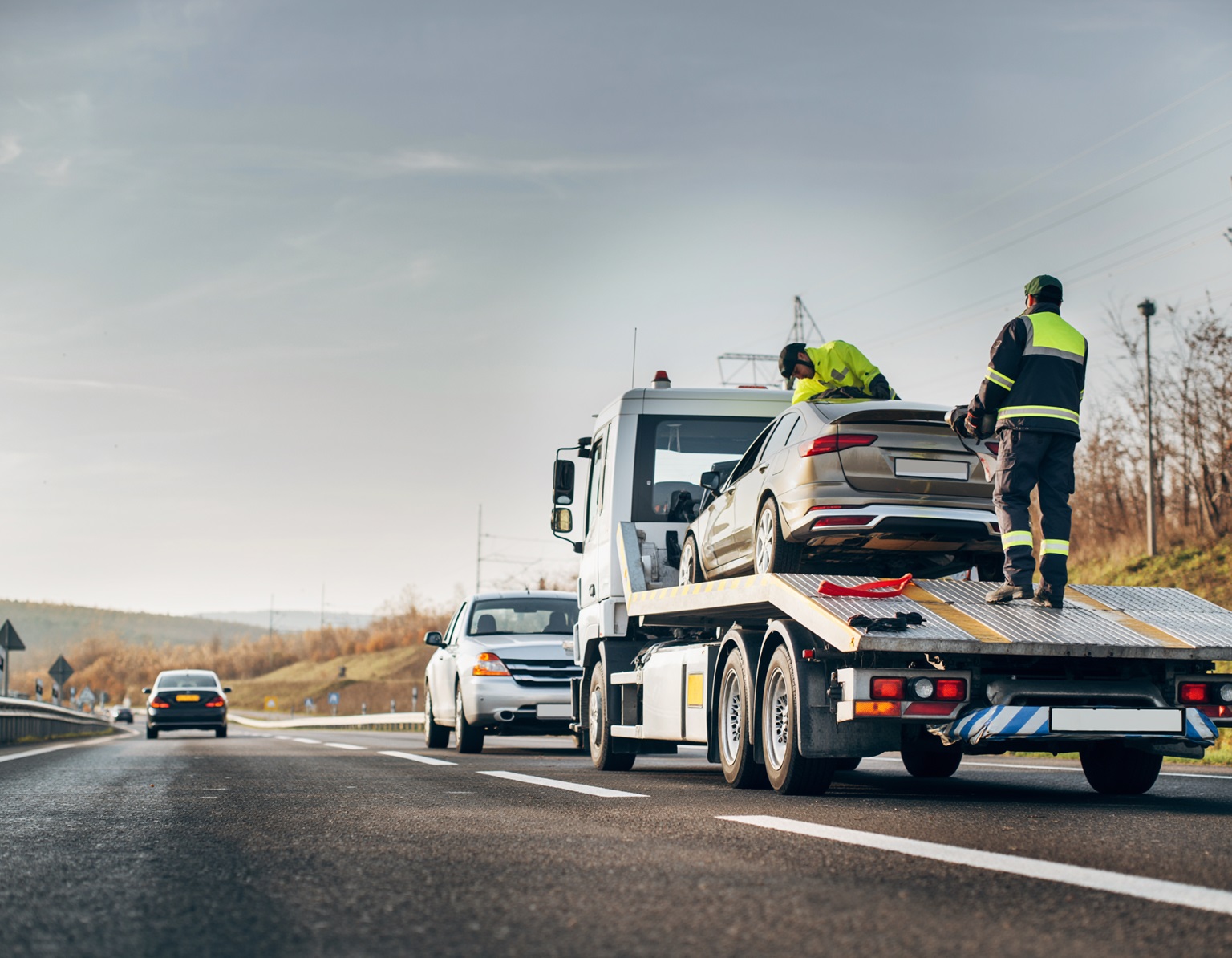
If anything fails on the road, our roadside assistance can triage and arrange the safest next step.
Start Here, Not With Perfection
Ask your mechanic to triage findings by urgency.
- Safety first: brakes, tyres, steering, lights, visibility.
- Reliability next: battery, cooling, belts, hoses, leaks.
- Comfort later: air conditioning performance, minor rattles, worn wipers.
Budget tight? Be open about it. Good workshops will stage the work so the car is safe for the trip and the rest is scheduled.
Regional WA Reality
Perth stop-start driving can hide marginal components. Regional runs expose them. Heat, long grades, wildlife, and patchy coverage make reliability non-negotiable.
If you’re already on the road and a warning light appears, don’t ignore it. Pull over safely, check the manual, and decide whether to head for the next town or call for help. If overheating starts, stop immediately, cool down fully, and only then check levels. Never remove a hot radiator cap.
In unsafe locations or with accelerating symptoms, choose relocation over DIY. Our 24-hour emergency towing is built for exactly these moments.
Your 20-Minute Checklist Before You Leave
- Tyres: pressures cold, even wear, no cracks or bulges, spare ready.
- Fluids: oil and coolant levels correct, no visible leaks.
- Battery: terminals clean and tight, car cranks strongly.
- Brakes: no warning lights, no grinding or pulsing, pedal feel consistent.
- Lights and wipers: all lamps working, wipers clear without streaks.
- Load and tools: jack, wheel brace, warning triangle, gloves, torch.
- Essentials: water, phone charger, power bank, sunscreen, hat.
Need help getting something sorted quickly? Use safe car towing services to move the vehicle for repairs without risking a roadside failure: towing your car in Perth.
Peace Of Mind Is The Real Win
There’s the financial logic of preventing breakdowns. Then there’s the emotional logic. When your car has been inspected and sorted, you can enjoy the drive rather than listening for problems. That confidence is worth the hour at the workshop.
If anything feels off or you want a second opinion, just contact us. We’ll point you toward the right next step so you can travel with confidence.