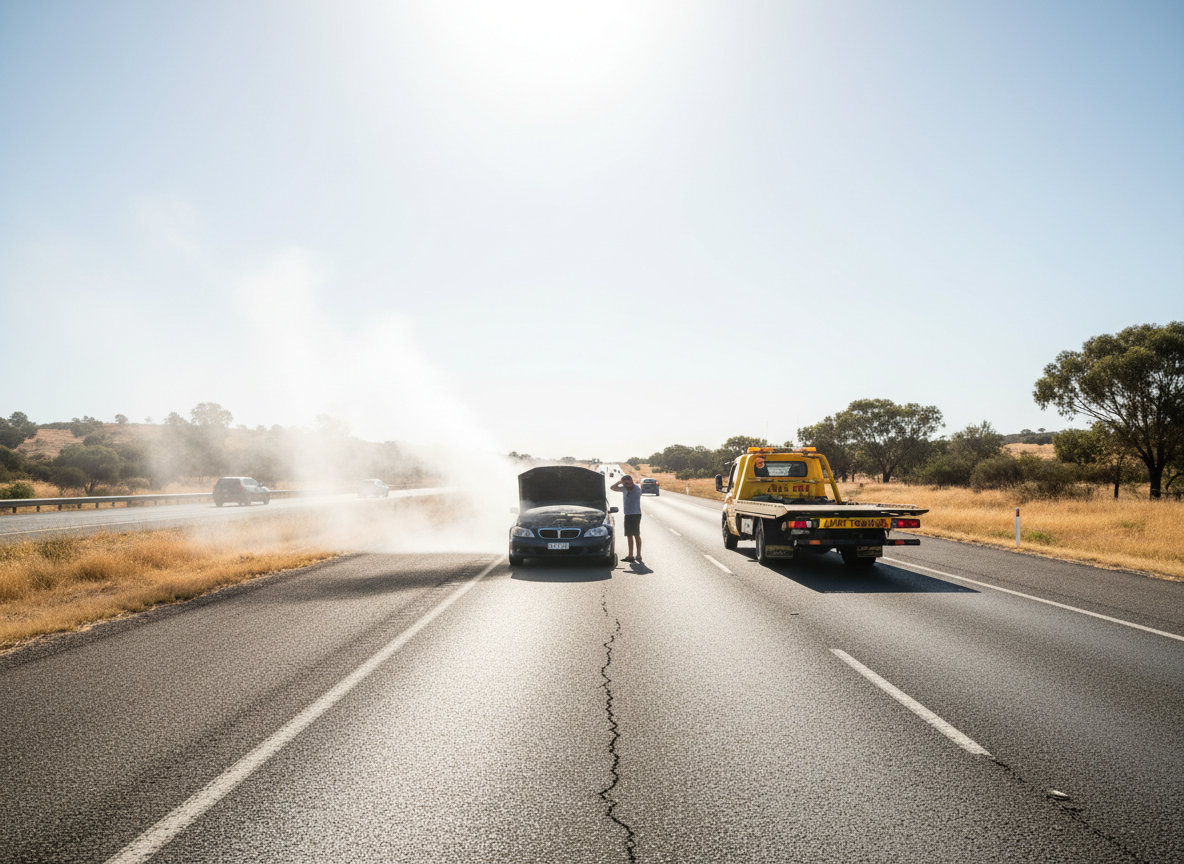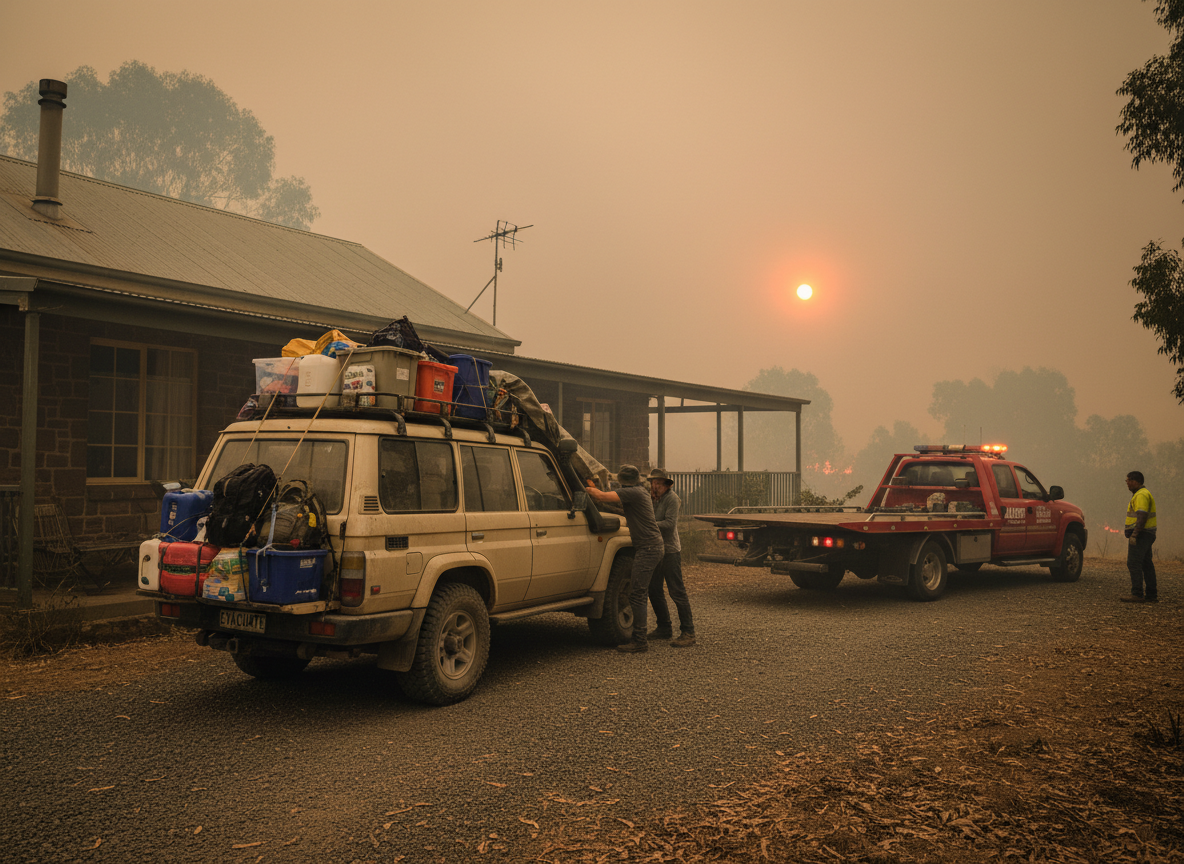
Western Australia’s wildfire season transforms our roads into hazardous evacuation routes where visibility drops to metres and smoke infiltrates every vehicle system. As someone who’s towed countless vehicles from fire zones and helped families evacuate their most precious assets, I’ve seen firsthand how wildfire vehicle preparation Perth makes the difference between a safe escape and a roadside breakdown.
The 2023 fire season saw over 1.2 million hectares burn across WA, with major evacuations from Yanchep to the Perth Hills. Our crews responded to triple the usual breakdown calls during peak fire periods, most involving preventable mechanical failures caused by ash and smoke damage.
Essential Vehicle Checks Before Fire Season
Your car’s air filtration system becomes your first line of defence when smoke blankets Perth’s highways. Standard cabin filters aren’t designed for bushfire smoke-they’ll clog within hours of heavy exposure.
We recommend installing a HEPA-rated cabin filter before November. These filters capture particles down to 0.3 microns, blocking most harmful smoke particulates. The upgrade costs around $40-80 but protects your lungs and keeps your air conditioning functioning when you need it most.
Engine air filters require equal attention. A clogged filter starves your engine of oxygen, causing power loss and potential stalling-dangerous when evacuating. Check yours monthly during fire season and carry a spare. We’ve pulled too many vehicles off emergency routes because drivers didn’t realise their filter was choked with ash.
Cooling System Preparation
Extreme heat and airborne debris create perfect conditions for overheating. Your radiator needs thorough inspection and cleaning before fire season starts.
Check radiator fins for blockages or damage, coolant levels and condition (should be bright green or orange, not rusty), hoses for cracks or soft spots, and thermostat operation (test with a mechanic if unsure).
A cooling system flush costs under $150 but prevents the $3,000+ engine damage we see when vehicles overheat during evacuations. Consider adding a coolant temperature gauge if your car lacks one-early warning saves engines.
Emergency Kit Essentials for Fire Evacuations
Your vehicle becomes a potential shelter during evacuations. The right equipment transforms it from transport into a survival tool.
Water storage tops the priority list. Keep minimum 20 litres per person in sealed containers. We use jerry cans with tap attachments-they’re stable, stackable, and allow controlled pouring for radiator emergencies or drinking.
Include wool blankets (synthetic melts in extreme heat), battery-powered radio with spare batteries, first aid kit with burn treatment supplies, smoke masks rated P2/N95 or higher, portable phone chargers (minimum 20,000mAh), cash in small denominations, and copies of important documents in waterproof bags.
Tools That Save Lives
Basic tools prevent minor issues becoming major crises. Our 24-hour emergency towing teams carry these items, and so should you:
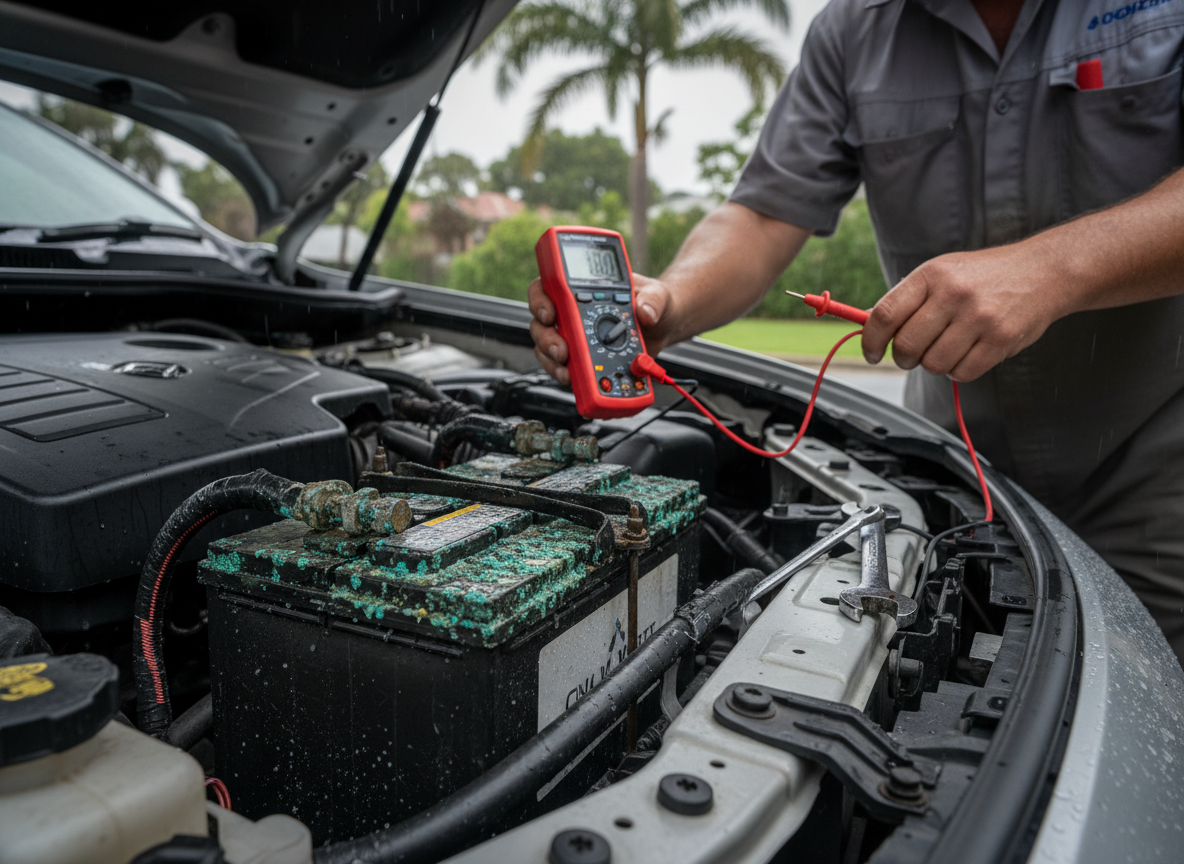
Tyre pressure gauge and portable compressor, basic tool kit with screwdrivers and pliers, jumper cables or portable jump starter, tow strap rated for your vehicle weight, sharp knife for seatbelt cutting, and window breaker tool.
Store everything in a dedicated evacuation bag that stays in your vehicle November through March. When evacuation orders come, you’re already packed.
Protecting Your Engine from Smoke Damage
Bushfire smoke contains acidic compounds that corrode engine components. Think of it like driving through a cloud of industrial pollution-except this cloud follows you for kilometres.
The immediate threat comes from ash entering through your air intake. Modern engines rely on precise fuel-air mixtures, and contaminated air disrupts this balance. We’ve seen engines destroyed by drivers who pushed through heavy smoke without proper precautions.
When visibility drops below 50 metres, these techniques protect your engine:
Switch to recirculation mode immediately. This limits outside air entering your cabin and reduces strain on filters.
Reduce speed to 40-60 km/h. Lower speeds mean less air flowing through your engine, reducing contamination.
Monitor temperature gauges constantly. Smoke particles insulate engine components, causing unexpected overheating.
Stop every 30 minutes in heavy smoke. Let your engine cool and check air filter condition.
If your engine starts running rough or loses power, pull over safely. Continuing risks catastrophic damage requiring specialised towing to prevent further harm.
Visibility and Navigation Strategies
Smoke reduces visibility faster than fog or rain. One moment you’re driving normally, the next you can’t see past your bonnet. We’ve recovered vehicles from ditches where drivers simply lost sight of the road edge.
Headlight preparation becomes critical. Clean lenses weekly during fire season-ash accumulation reduces light output by up to 70%. Consider upgrading to LED bulbs for better penetration through smoke.
Your navigation strategy should assume GPS and mobile coverage will fail. Download offline maps covering all potential evacuation routes. Mark petrol stations, rest areas, and emergency assembly points. Paper maps remain invaluable backups when technology fails.
Safe Driving Techniques
Driving through smoke requires techniques most Perth drivers never practice:
Use low beams only (high beams reflect off smoke particles), follow road edge markers not centre lines, increase following distance to 8-10 seconds, signal turns earlier and brake gradually, and keep windows closed to maintain cabin pressure.
If visibility drops to zero, don’t stop on the road. Ease off the highway completely, turn on hazard lights, and keep your foot off the brake pedal (brake lights can draw other vehicles toward you).
Post-Fire Vehicle Maintenance
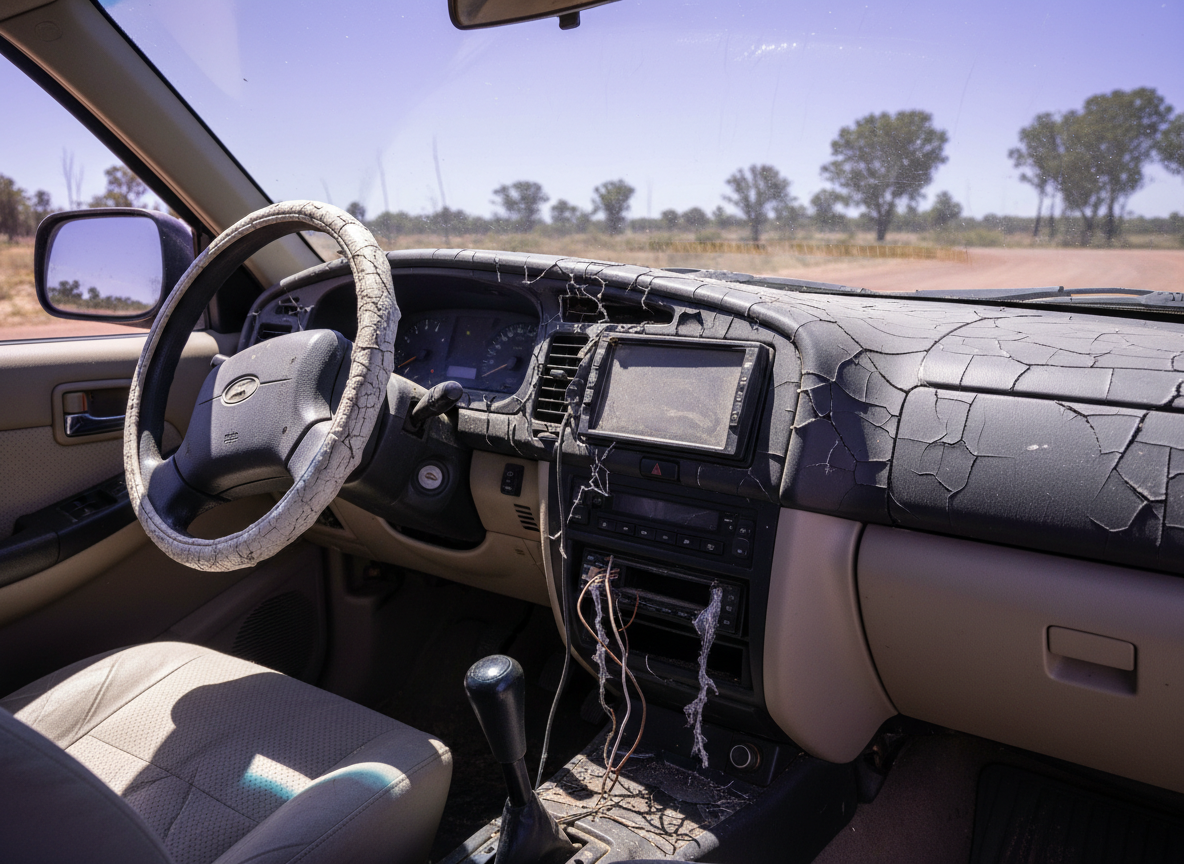
Surviving evacuation is just the beginning. Smoke and ash cause ongoing damage if not addressed quickly. We see engines fail weeks after fire exposure because owners didn’t realise the hidden damage occurring.
Within 48 hours of smoke exposure, complete these tasks for proper bushfire vehicle evacuation WA recovery:
Engine bay cleaning removes acidic ash before corrosion starts. Use compressed air first, then gentle water spray. Avoid high-pressure washing which forces contaminants deeper into components.
Complete filter replacement is non-negotiable. Both cabin and engine filters absorbed toxins that continue releasing if left installed. Mark the date and replace again after 1,000km of normal driving.
Undercarriage inspection reveals heat damage to rubber components. Check brake lines, fuel lines, and CV boots for cracking or melting. Our tilt tray services often transport vehicles with hidden undercarriage damage discovered weeks later.
Professional Assessment Needs
Some damage requires expert evaluation:
Transmission fluid contamination (dark colour or burnt smell), differential oil degradation, exhaust system blockages, electrical system corrosion, and paint and clear coat damage all need professional inspection.
Insurance often covers smoke damage assessment. Document everything with photos and keep receipts for all maintenance performed.
Special Considerations for Different Vehicle Types
Not all vehicles handle fire conditions equally. Your car’s design affects its vulnerability to smoke damage and evacuation capability.
4WDs and SUVs offer ground clearance advantages but suffer from larger air intakes that ingest more contaminants. Their height also exposes them to stronger smoke layers. If evacuating in a 4WD, engage 4H early-better traction helps navigate debris-covered roads.
Prestige and classic cars need extraordinary protection. Their complex electronics and unique parts make smoke damage catastrophic. Consider prestige car towing for pre-emptive evacuation rather than driving through smoke.
Diesel vehicles face unique challenges. Their higher compression ratios make them more sensitive to air quality. Diesel particulate filters (DPFs) clog rapidly in smoky conditions, potentially causing complete engine shutdown. Carry DPF cleaner and know your vehicle’s manual regeneration procedure.
Electric and Hybrid Considerations
Electric vehicles present different fire season challenges:
Battery cooling systems clog with ash, regenerative braking reduces in efficiency, charging infrastructure may lose power during fires, and battery damage from heat isn’t immediately apparent.
Keep your EV charged above 80% throughout fire season. Plan routes around confirmed operational charging stations, and carry a portable generator if possible.
Planning Evacuation Routes
Effective evacuation planning starts months before fire season. We’ve assisted countless evacuations where families discovered their intended route was blocked, forcing dangerous detours through active fire zones.
Map three separate evacuation routes from your property. Drive each route during different conditions-what’s passable in daylight might become treacherous at night. Note these features:
Bridge weight limits (critical if towing), road surface changes (sealed to gravel), mobile coverage blackspots, fuel availability, and safe stopping areas.
Share your routes with family members and neighbours. During the 2021 Wooroloo fires, residents who’d coordinated evacuation plans avoided the traffic chaos that trapped others for hours.
Communication Protocols
Establish clear communication rules before emergencies strike:
Designate an out-of-area contact person, set regular check-in times during warnings, pre-write text messages for quick sending, download emergency apps like Emergency WA, and keep a written contact list (phones die).
If you need vehicle recovery during evacuation with wildfire vehicle preparation Perth protocols, contact us immediately. We prioritise fire evacuation assistance and maintain crews throughout danger periods.
Conclusion
Preparing your vehicle for WA’s wildfire season demands the same attention you’d give to maintaining essential safety equipment. The difference between safe evacuation and roadside crisis often comes down to a clean air filter, proper fluid levels, or carrying the right emergency supplies.
Start your preparations now-November brings fire season whether you’re ready or not. Service your vehicle, stock your emergency kit, and plan your routes while conditions remain calm. When smoke fills the sky and evacuation orders sound, you’ll face the crisis with confidence instead of panic.
Remember that your vehicle is more than transport during fire season-it’s your lifeline. Treat it accordingly, and it’ll carry you safely through whatever challenges wildfire season brings. Stay prepared, stay vigilant, and most importantly, stay safe on WA’s roads. When you need help, All Out Towing is here with bushfire vehicle evacuation WA expertise.