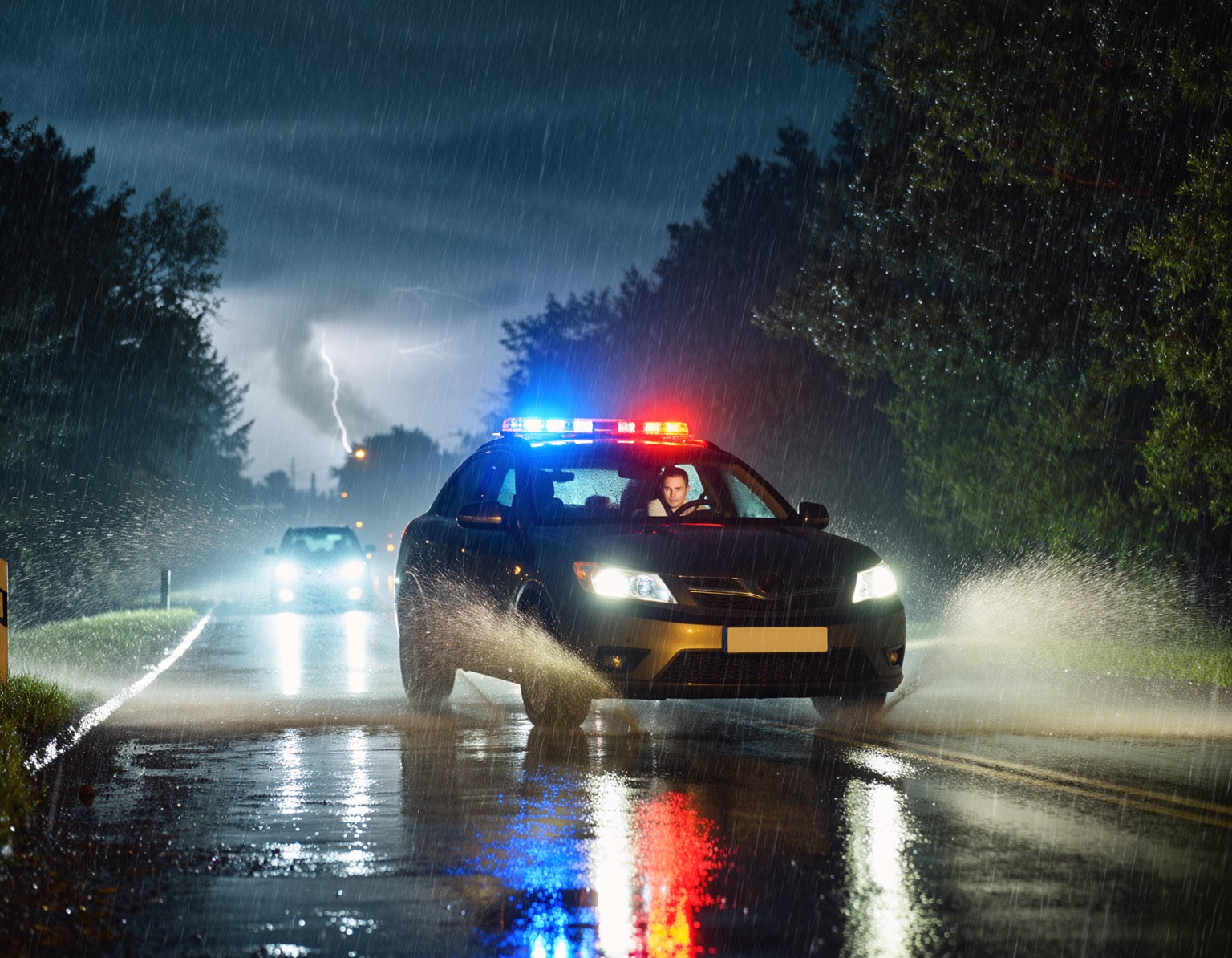
You’re driving home from work when the sky turns that particular shade of dark grey that every Perth driver recognises. Within minutes, the rain’s hammering your windscreen so hard you can barely see the car in front. Your wipers are on full speed, but it’s not enough. Other drivers are slowing to a crawl or pulling over entirely. You’re gripping the wheel tighter, wondering if you should’ve left earlier or taken a different route.
Storm season in Western Australia isn’t a theoretical risk. Between May and September, cold fronts roll through with frightening regularity, bringing torrential rain, strong winds, and conditions that turn familiar roads into hazards. The Bureau of Meteorology tracks these systems carefully, but knowing a storm’s coming and being adequately prepared are two different things entirely.
Most WA drivers understand storms are dangerous. What’s harder is translating that knowledge into practical action when you’re rushing between school pickup, work commitments, and everything else life throws at you. You know you should check your tyres and keep an emergency kit in the boot, but there’s always something more urgent demanding your attention.
What actually matters for driving safety during the WA storm season is not perfection, but a handful of practical steps that genuinely improve your safety and your ability to handle whatever the weather throws at you.
Why Storm Driving Feels So Overwhelming
The gap between knowing what to do and actually doing it gets wider when conditions deteriorate quickly. One moment you’re driving in drizzle, the next you’re navigating through water deep enough to make you question whether you should continue.
That uncertainty is exhausting. You’re making constant judgment calls about speed, visibility, and whether that puddle ahead is shallow enough to drive through. Meanwhile, you’re watching other drivers make wildly different decisions, which only adds to your confusion about what’s actually safe.
The physical demands increase , too. Your eyes are working overtime trying to see through rain and spray—your body’s tense from maintaining control. Your brain is processing more information than usual while trying to predict what other drivers might do. It’s genuinely tiring, and that fatigue affects your decision-making right when you need it most.
Vehicles regularly get pulled from flooded sections of Wanneroo Road during particularly nasty winter storms. Drivers see other cars make it through and assume it’s safe. The water’s deeper than it looks, engines suck in water, and suddenly they’re stuck in the middle of busy roads during peak hour. These aren’t reckless or stupid decisions. They’re wrong calls made under challenging conditions, which is easier to do than most people realise.
What Your Vehicle Actually Needs
Your car’s ability to handle storms depends on three critical systems: tyres, wipers, and lights. Everything else matters less than these fundamentals.
Tyre tread depth determines whether you maintain grip on wet roads or start hydroplaning. The legal minimum in WA is 1.5mm, but that’s genuinely inadequate for storm conditions. You want at least 3mm, preferably more. Check this yourself by inserting a 20-cent coin into the tread grooves. If you can see the platypus’s bill, your tyres are too worn for safe wet-weather driving.
Tyre pressure matters as much. Under-inflated tyres reduce your contact patch and increase stopping distances on wet roads. Check your pressure monthly, not just before long trips. The correct pressure for your vehicle is listed on a sticker inside the driver’s door frame, not on the tyre itself.
Wiper blades deteriorate faster in Perth’s harsh sun than in most climates. If your wipers are leaving streaks, chattering across the windscreen, or missing sections, they’re overdue for replacement. This isn’t about perfect visibility in light rain. It’s about whether you can see anything at all when heavy rain hits.
Your lights serve two purposes in storms: helping you see and making you visible to others. The second purpose is often more critical. If your headlights, brake lights, or indicators are dim or non-functional, other drivers can’t accurately judge your position or intentions. That’s when collisions happen.
The Emergency Kit That Actually Helps
Most advice about emergency kits focuses on worst-case scenarios: being stranded for days in remote areas. That’s not the typical storm-season risk for Perth and Northern Suburbs drivers. Understanding driving safety in the WA storm season requires addressing more common problems: temporary breakdowns, minor accidents, and situations where you’re stuck for a few hours rather than days.
Start with a charged mobile phone and a car charger. This single item solves more problems than anything else in your boot. You can call for help, check road conditions, and let people know you’re safe. Keep your charger plugged in and ready, not buried at the bottom of a bag.
A proper torch matters when you’re changing a tyre in the dark or checking under your bonnet. Your phone’s torch function drains your battery exactly when you need it most. Get a decent LED torch and check the batteries every few months.
Basic tools and a functional spare tyre are non-negotiable. Many drivers have spare tyres but no jacks, or jacks but no wheel braces, or all the equipment but spares that are flat. Check this before storm season starts, not when you’re stuck on the side of Mitchell Freeway in pouring rain.
Jumper leads or a portable jump starter become essential when cold, wet weather stresses older batteries. A battery that’s fine in summer can fail on the first chilly morning in June. If your car’s more than three years old and you haven’t replaced the battery, consider it a ticking clock.
Water and non-perishable snacks address a simple reality: being stuck in your car for several hours is uncomfortable and stressful. Having something to drink and eat doesn’t fix the situation, but it makes it significantly more bearable, especially if you have children with you.
Reading Conditions Before They Worsen
The skill that separates confident storm drivers from anxious ones is recognising when conditions are deteriorating and adjusting before things get dangerous. This isn’t about predicting the weather. It’s about noticing what’s happening around you and responding appropriately.
When rain intensifies to the point where your wipers can’t keep up, visibility drops dramatically. If you can’t clearly see the car two vehicles ahead, you’re driving too fast for conditions, regardless of the speed limit. Other drivers might be comfortable maintaining 80km/h, but that doesn’t mean it’s safe for you.
Pooling water on road surfaces creates hydroplaning risk. Your tyres need to channel water away to maintain contact with the road. When water depth exceeds your tyre’s ability to disperse it, you lose grip entirely. This happens suddenly, not gradually. You’re in control one moment, then your steering goes light and unresponsive the next.
Watch how water behaves on the road ahead. If you can see a defined wake behind vehicles, the water’s deep enough to be concerning. If you can’t see the road surface at all, it’s too deep to drive through without assessing it first.
Wind affects high-sided vehicles most obviously, but it impacts all cars more than most drivers realise. Strong crosswinds push your vehicle sideways, requiring constant steering corrections. This becomes dangerous when you’re overtaking trucks or passing gaps between buildings where the wind suddenly hits from a different direction.
The Main Roads WA website provides real-time information about road closures and hazardous conditions. Check this before leaving, particularly if your route includes known problem areas like low-lying roads or exposed coastal stretches.
When Water’s Deeper Than It Looks
Flooded roads create the most dangerous decision point for storm-season drivers. The water ahead might be passable, or it might be deep enough to flood your engine. You often can’t tell the difference by looking.
The practical truth about driving safety in the WA storm season flooding: if you’re uncertain about water depth, don’t drive through it. The consequences of getting it wrong are severe. Water entering your engine through the air intake causes hydro-lock, where the engine physically cannot turn over because water doesn’t compress as air does. This isn’t a minor repair. It’s often a complete engine replacement.
Even shallow water moving quickly can destabilise your vehicle. Just 15cm of flowing water can float a small car. 60cm can move most vehicles, including four-wheel drives. Once your car starts floating, you’ve lost control entirely.
If you must cross water and you’re confident it’s shallow enough, drive slowly and steadily. Don’t create a bow wave that pushes water up into your engine bay. Keep your revs up in first or second gear to prevent water from entering your exhaust. If your engine cuts out, don’t try to restart it. You’ll make the damage worse.
After driving through water, test your brakes gently. Worn brake pads and rotors have significantly reduced stopping power. A few gentle applications will dry them out and restore standard braking.
For professional help when you’re stuck or uncertain, roadside assistance teams understand local conditions and can assess situations safely. It’s not an admission of failure to ask for help. It’s a sensible response to a genuinely risky situation.
Handling Reduced Visibility Safely
Heavy rain and spray from other vehicles can reduce visibility to the point where you’re driving almost blind. This is terrifying, and your instinct might be to speed up to get through it faster or slow down dramatically. Neither response is quite right.
Maintain a steady, reduced speed that gives you time to react to what you can see. If you can only see 30 metres ahead, your speed needs to allow you to stop within that distance. For most vehicles in wet conditions, that means 50-60km/h maximum, often slower.
Increase your following distance significantly. The two-second rule that works in dry conditions becomes four seconds minimum in rain. This gives you more time to react and more space to stop safely. It also reduces the spray you’re driving through from the vehicle ahead.
Your lights make you visible to others, but high beams in heavy rain or fog reflect at you, making visibility worse. Use your headlights on low beam, and use fog lights if your vehicle has them. Never drive on parking lights alone during storms. Other drivers need to see you clearly.
If visibility becomes so poor that you genuinely can’t see where the road goes, pull over safely and wait. Find a spot well off the road, keep your lights on, and be patient. Pushing through conditions where you can’t see is how accidents happen.
What to Do When Things Go Wrong
Despite your best preparation, breakdowns and accidents still happen during storms. How you respond in those first few minutes significantly affects your safety and the outcome.
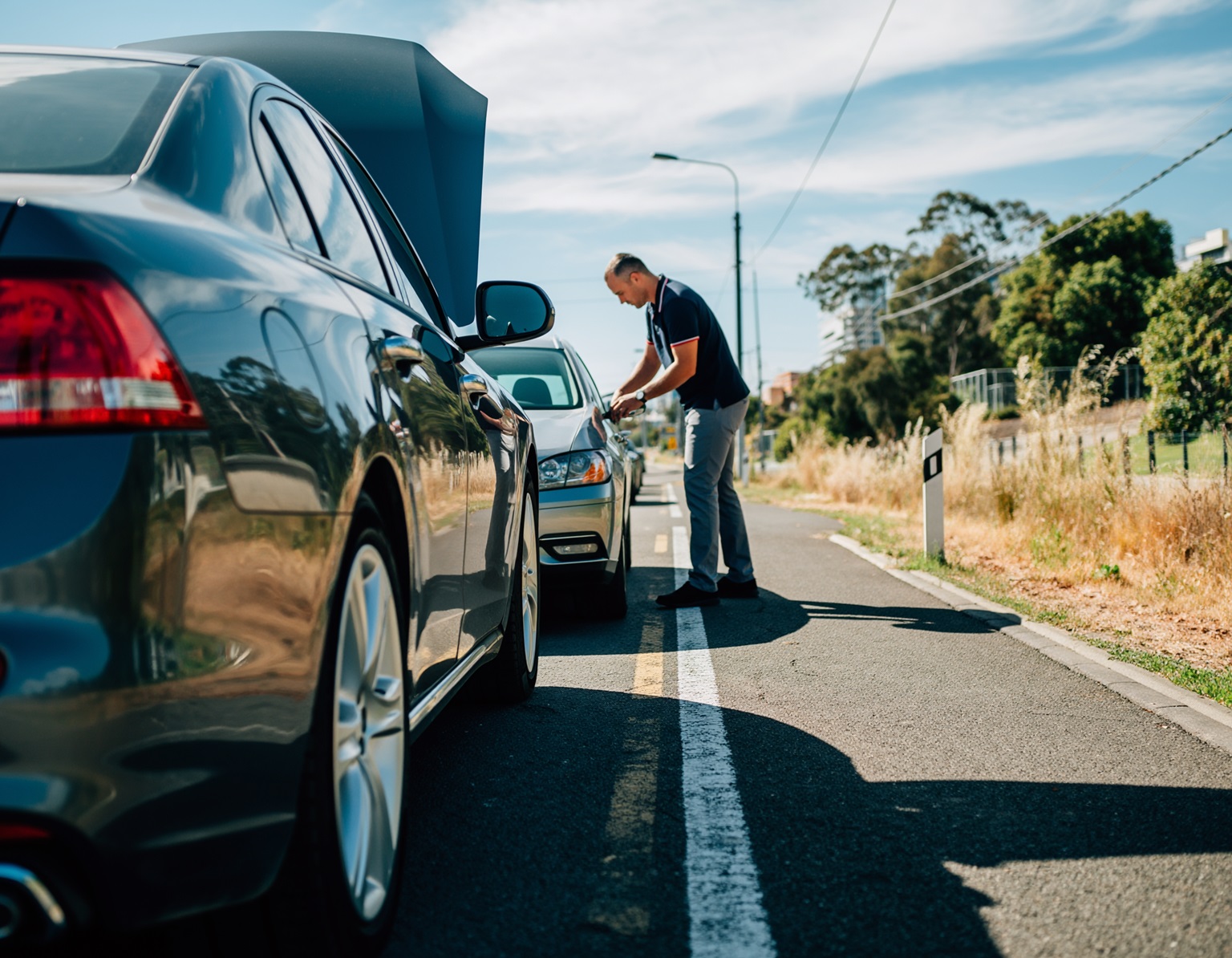
If your vehicle breaks down, get it off the road if possible. Even moving onto the verge reduces collision risk dramatically. If you can’t move the car, turn on your hazard lights immediately. In heavy rain, other drivers have less time to react to obstacles.
Stay in your vehicle with seatbelts fastened unless you’re certain it’s safer to get out. Your car provides protection from the weather and from other vehicles. Getting out puts you at risk, particularly on busy roads with poor visibility.
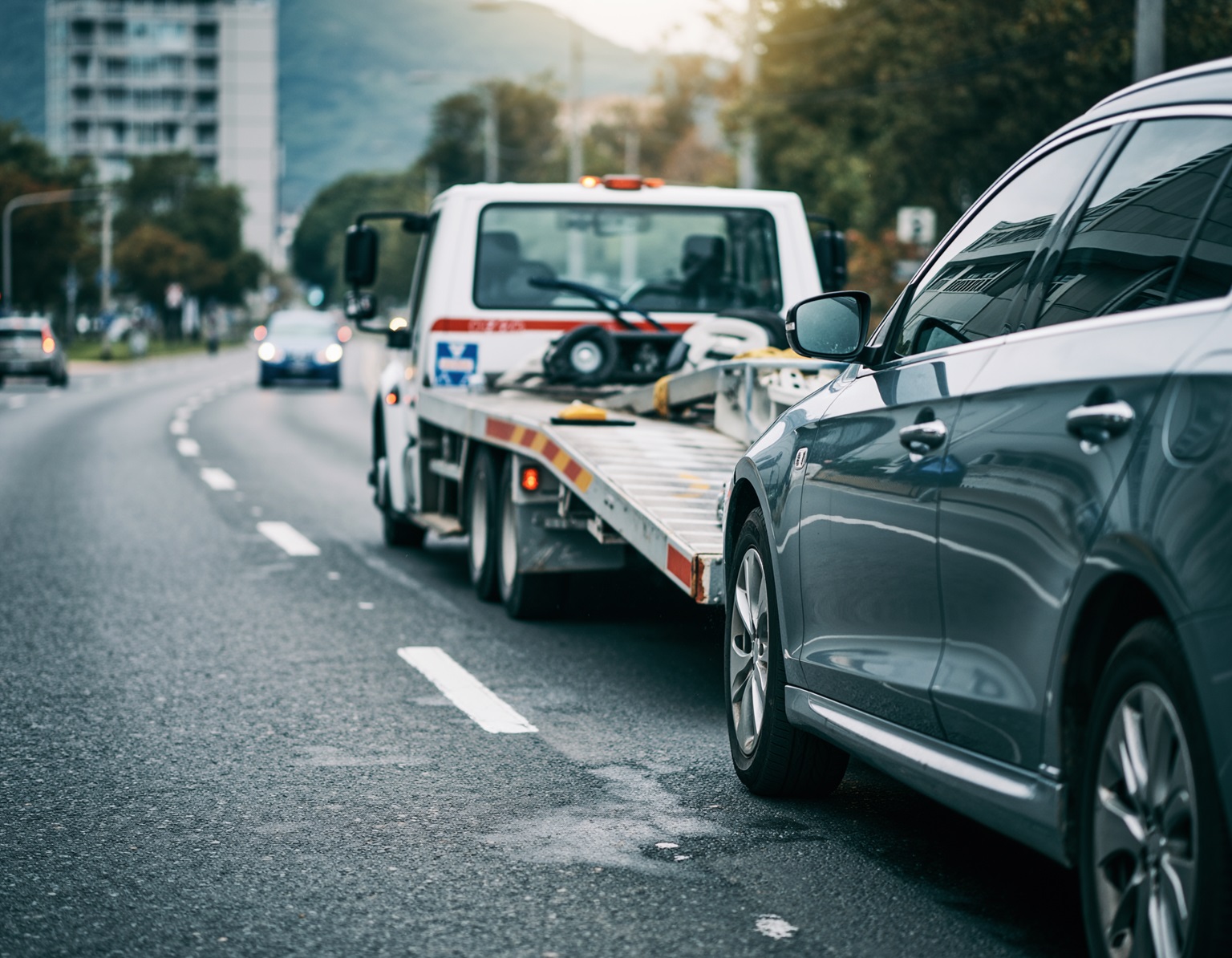
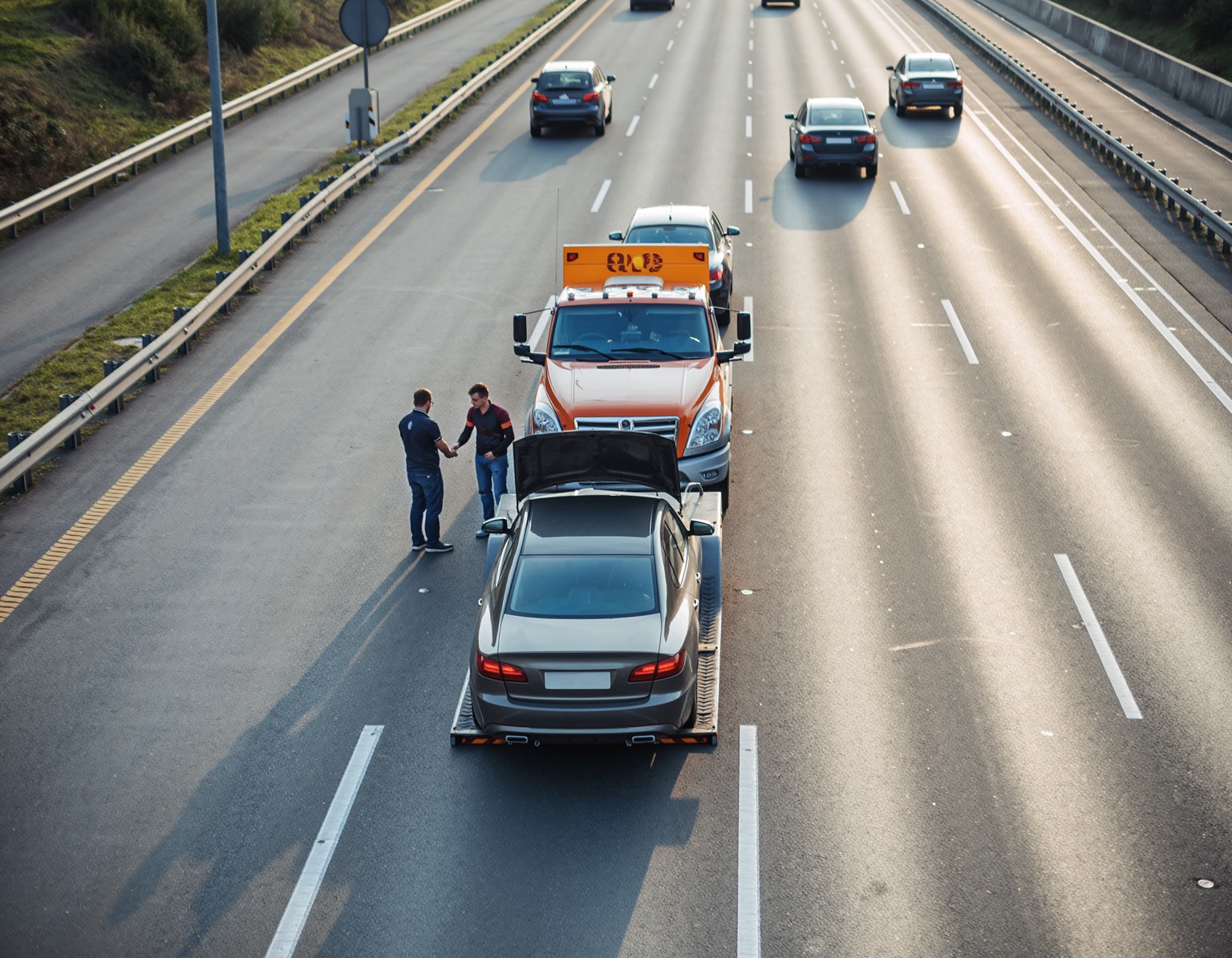
Call for help early, not as a last resort. Whether that’s All Out Towing for vehicle recovery or emergency services for accidents, professional help arrives faster when you call immediately rather than after you’ve tried everything yourself.
If you’re involved in an accident, check for injuries first. If anyone’s hurt, call 000 immediately. If it’s property damage only and vehicles can be moved safely, get them off the road before exchanging details. Leaving cars in traffic lanes during storms creates sa ignificant risk for everyone.
Document the scene with photos if you can do so safely. Capture vehicle positions, damage, and road conditions. This information helps with insurance claims and provides context that’s easy to forget later when you’re less stressed.
The Guilt About Not Being Prepared
You know you should’ve checked your tyres last month. You meant to replace those wiper blades. The emergency kit you planned to put together is still on your mental to-do list. Now storm season’s here, and you’re not as prepared as you wanted to be.
That guilt is understandable but not particularly helpful. Perfect preparation is rare. Most drivers are working with imperfect vehicles, incomplete kits, and good intentions that haven’t quite translated into action yet.
What matters now is addressing the most critical gaps first rather than beating yourself up about everything you haven’t done. You can check your tyre tread tonight. You can buy wiper blades this weekend. You can charge your phone and grab a torch from the house before your next trip.
Start with the fundamentals that have the most significant safety impact: tyres, wipers, lights, and a charged phone. Everything else can come later. Progress matters more than perfection, and taking one practical step today is worth more than planning to do everything perfectly next month.
Building Confidence Through Practice
Storm driving confidence doesn’t come from reading about techniques. It comes from actually moving in varied conditions and learning how your vehicle responds. That’s uncomfortable because it means deliberately putting yourself in situations that feel risky.
Start with lighter rain and less critical trips. Drive to the shops in drizzle rather than waiting for perfect conditions. Notice how your visibility changes, how your tyres feel on wet roads, and how much longer it takes to stop. These small experiences build the foundation for handling more challenging conditions later.
Practice your emergency procedures before you need them. Know where your hazard light button is without looking. Understand how to change a tyre in your specific vehicle. Test your torch and make sure you know how to use your jack. Doing these things in your driveway on a calm day means you’ll remember them when you’re stressed and rushed.
Drive the same routes in different conditions. The road you travel daily in sunshine behaves differently in heavy rain. Knowing which sections pool water, which corners become slippery, and where visibility drops helps you anticipate problems rather than react to them.
Your confidence will grow gradually, not suddenly. You’ll have moments where you handle a situation well and feel capable, and other moments where conditions overwhelm you,a nd you need to pull over. Both experiences are normal and valuable.
Local Resources and Support
Western Australia has specific challenges during storm season that drivers in other states don’t face. Our storms can be severe but localised. Our road network includes long stretches with limited services. Our weather can change rapidly, particularly in regional areas.
The Department of Transport WA provides vehicle safety information and standards specific to WA conditions. Understanding local requirements helps ensure your vehicle is adequately prepared for what you’ll actually encounter here.
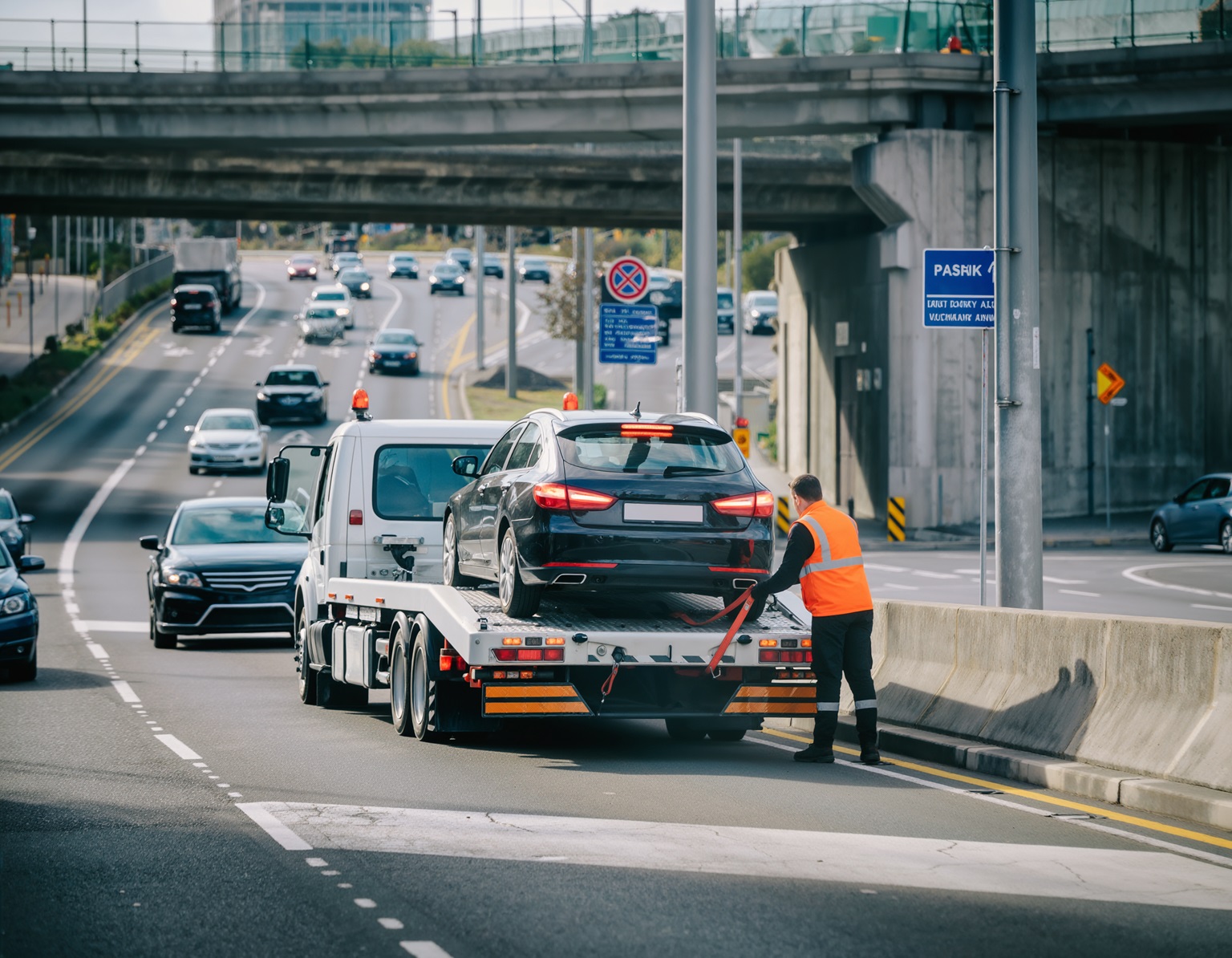
Local towing services understand regional conditions, common problem areas, and the specific challenges WA drivers face. When you need help, working with operators who know local roads and typical storm impacts makes a genuine difference to response times and outcomes.
Your insurance policy likely includes roadside assistance, but it’s worth checking what’s actually covered before you need it. Some policies cover towing only to the nearest repairer. Others cover accommodation if your vehicle can’t be fixed immediately. Knowing your coverage in advance prevents unpleasant surprises when you’re already dealing with a breakdown.
Community weather groups on social media often provide real-time updates about local conditions, road closures, and hazards. These complement official sources and can give you specific information about your intended route. Just verify critical information through official channels before making significant decisions.
Moving Forward with What You’ve Got
You don’t need perfect preparation to drive safely through WA’s storm season. You need adequate preparation and good judgement. Those are achievable goals, not aspirational ones.
Check your vehicle’s basics this week: tyres, wipers, lights, and battery. Put together a minimal emergency kit: a charged phone, a torch, and basic tools. Plan your routes with the weather in mind, allowing extra time when storms are forecast.
When conditions deteriorate while you’re driving, respond to what you can actually see and feel, not what you think you should be able to handle. Slow down more than feels necessary—increase the following distances beyond what seems reasonable. Pull over if visibility drops too far.
You’ll make some decisions that feel overly cautious in hindsight. That’s fine. Better to arrive late than not at all, as the saying goes. Your job isn’t to prove you can handle anything. It’s to get yourself and your passengers home safely.
If you do find yourself stuck, broken down, or uncertain, contact us for professional assistance. There’s no shame in asking for help when conditions exceed your comfort level or capability. That’s sensible decision-making, not weakness.
Storm season doesn’t last forever. By September, the worst will be behind us, and you’ll have built experience and confidence that carries forward into next year. Each storm you navigate successfully makes the next one slightly less daunting.
Mastering driving safety during the WA storm season demands time and practice, but every slight improvement makes a real difference to your safety on the road.