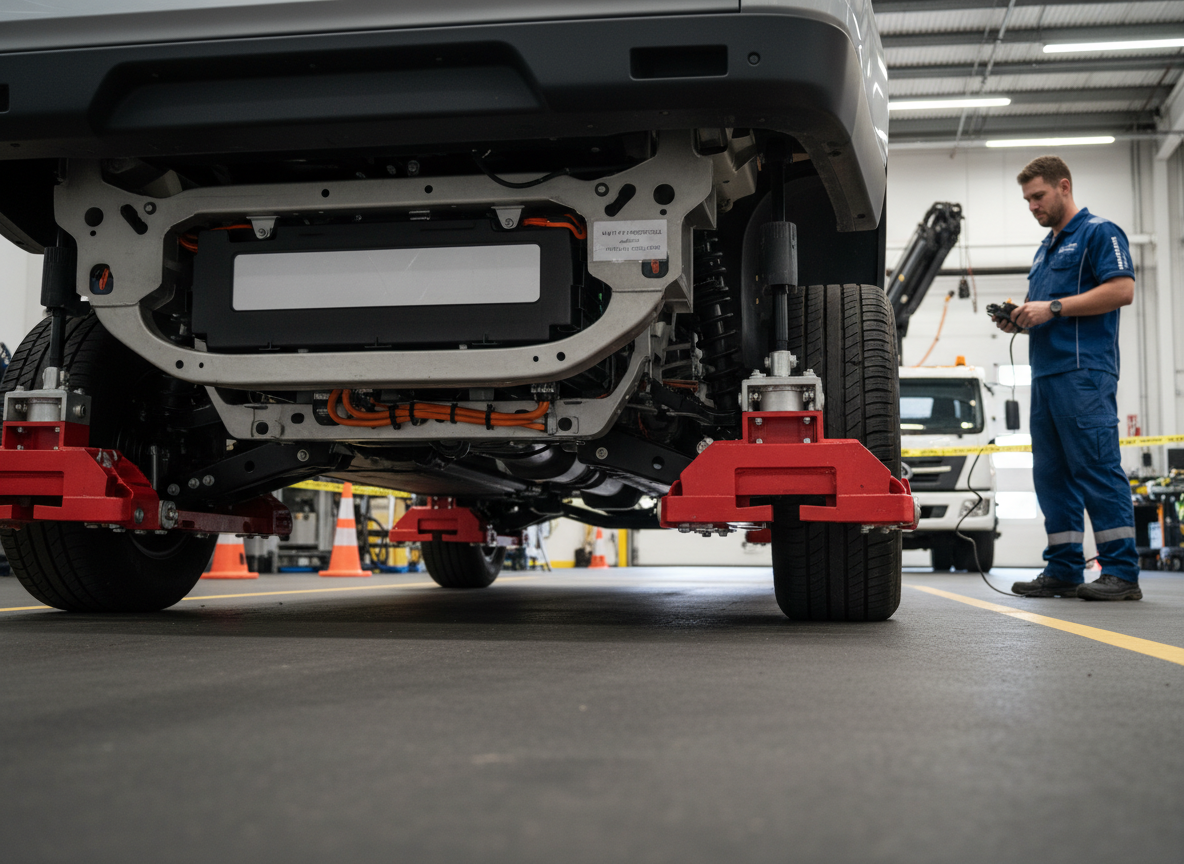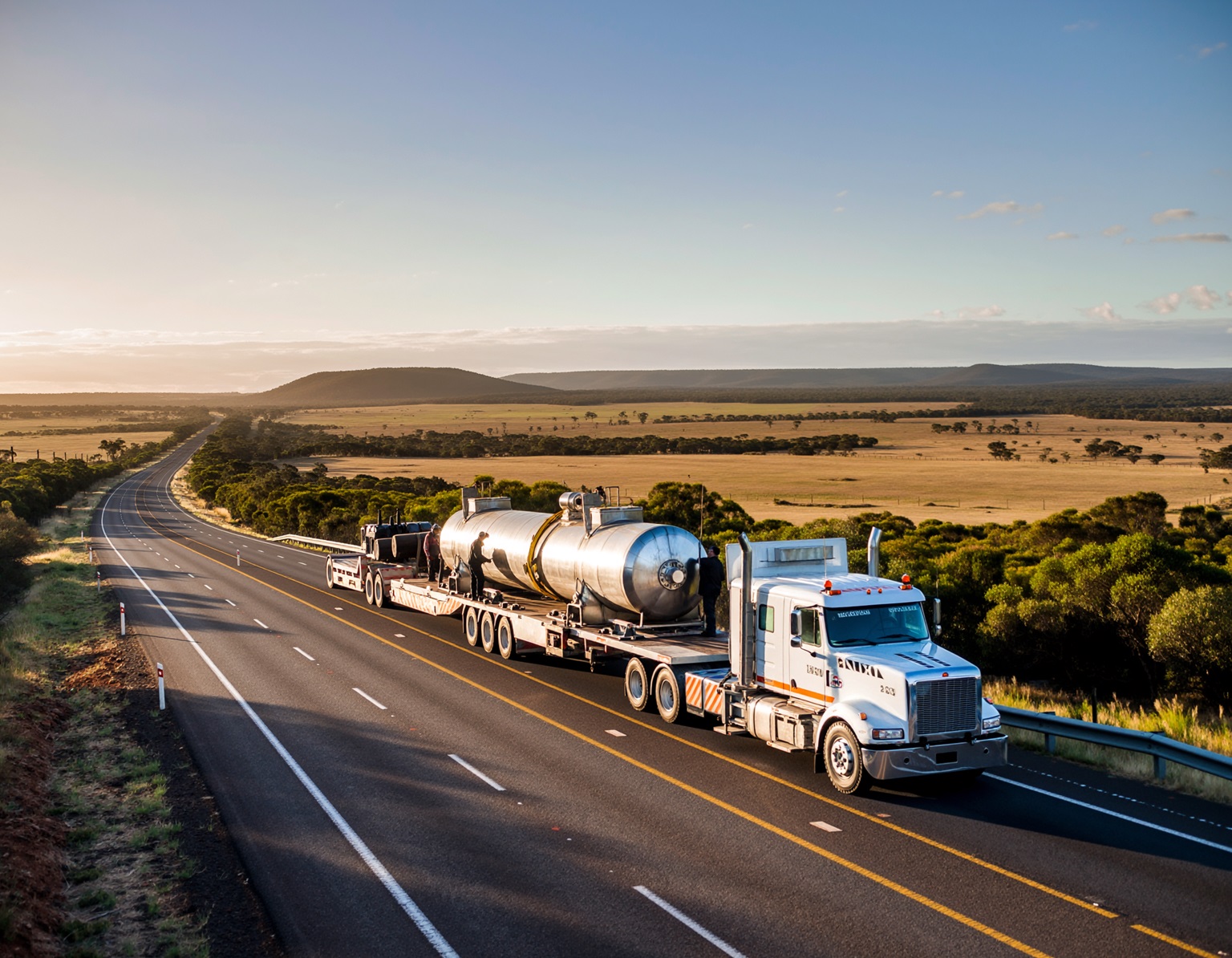
Moving a piece of machinery that’s wider than two lanes, heavier than a house, and taller than most road signs isn’t something you just improvise. Handling oversized load transport WA requires planning, precision, and years of experience on the road. Every successful move begins with understanding what could go wrong and eliminating those risks before the truck even starts its engine.
If you’ve got something large to move, maybe a mining excavator, a modular building, or a boat that barely fits in your driveway, you’re probably weighing up the same questions: cost, timing, permits, and whether your load will make it safely. Those concerns are valid. Wide load transport WA is a complex process that combines engineering, logistics, and compliance in one high-stakes operation.
At All Out Towing, we’ve moved everything from 40-tonne excavators along the Great Northern Highway to prefabricated buildings across the Wheatbelt. Here’s how our team manages these moves from planning to delivery and why working with specialists makes all the difference when the load is too big to leave to chance.
What Actually Counts as Oversized
In Western Australia, a load becomes oversized when it exceeds any of these legal dimensions:
- Wider than 2.5 metres
- Taller than 4.3 metres
- Longer than 19 metres (including the towing vehicle)
- Heavier than 42.5 tonnes combined vehicle and load weight
Even when machinery seems moderate in size, it can still fall into oversized territory once attachments, overhangs, or trailer configurations are factored in. These restrictions exist to protect roads, bridges, and power infrastructure, ensuring your load gets where it’s going safely.
Typical loads requiring oversized load transport WA include:
- Mining and construction equipment such as excavators, loaders, and crushers
- Agricultural machinery like harvesters and spray rigs
- Boats and marine vessels wider than 2.5 metres
- Modular or prefabricated buildings
- Industrial tanks, silos, or electrical transformers
Why WA’s Conditions Make Transport Challenging
Western Australia’s size and climate turn every move into a calculated exercise in timing and logistics. The distance from Perth to Port Hedland equals driving from Perth to Melbourne, but with far fewer towns, limited refuelling points, and fewer route options.
Planning wide load transport WA involves more than maps and permits. It’s about anticipating the state’s unique variables, from summer heat that softens bitumen to outback flooding that can close roads for days. Our fleet always carries backup equipment, additional fuel, and communication gear to ensure self-sufficiency on remote routes.
Some highways can only handle wide loads during night hours, while others need police or pilot escorts. Mining regions like the Pilbara add further complexity with constant road train traffic and rougher surfaces that demand expert handling.
The Planning Stage Before Every Move
No oversized load ever leaves the yard without comprehensive preparation. Planning usually takes longer than the transport itself, and that’s what ensures the job is safe and fully compliant.
- Measurement & Assessment – We record the load’s exact width, height, and centre of gravity. Even one centimetre difference can determine whether we clear a bridge or need a new route.
- Route Mapping – We analyse every section of the journey for hazards such as bridge clearances, narrow lanes, low wires, or unsealed stretches.
- Permit Coordination – Our team handles all required Main Roads WA permits, which vary depending on size and route. Some moves also require local shire permissions.
- Scheduling – Moves are timed to avoid peak hours, ensuring minimal disruption and safer road conditions.
Every oversized transport job is planned down to the smallest detail before the first wheel turns.
Equipment Built for Oversized Load Transport WA
You can’t move a 40-tonne excavator with a standard trailer. Oversized haulage needs specialised trailers and heavy-duty vehicles capable of safely distributing weight and handling unpredictable terrain.
Our fleet includes:
- Drop-deck and extendable trailers for added clearance and flexibility
- Multi-axle configurations to spread load weight evenly and protect road surfaces
- Pilot vehicles with warning lights, signage, and communication systems
- Heavy-duty securing gear such as rated chains, binders, and chocks
Each load is secured with precision using points that prevent any independent movement between the trailer and cargo. Safety is never an afterthought; it’s engineered into every trip.
Metro Perth vs Regional WA Transport
Moving oversized loads through Perth requires a totally different approach compared to regional WA. In the metro area, our team often schedules moves during off-peak hours, such as early mornings or weekends, to reduce congestion. Roundabouts and narrow streets are carefully navigated with pilot vehicles controlling traffic flow.
Once we head into regional WA, the challenge becomes endurance and preparation. Long distances, rough roads, and limited fuel stops mean we plan refuelling points well in advance. Our operators monitor weather forecasts to avoid extreme heat, wind, or flooding that could delay or damage your load.
When Unexpected Problems Arise
Even the best planning can’t stop the unexpected. Road closures, mechanical faults, or unplanned detours can occur, especially across regional WA.
At All Out Towing, experience and preparation are what keep things under control. We maintain strong relationships with local mechanics, councils, and service providers, so we can source repairs or parts anywhere in the state. Clients receive real-time updates, revised ETAs, and assurance that the job remains under professional management.
Every vehicle and load we move is covered by comprehensive insurance and public liability protection. If something goes wrong, you’re never left exposed, a crucial safeguard that unlicensed or underinsured operators simply can’t guarantee.
Understanding Costs and What Affects Them
The cost of oversized load transport WA depends on multiple factors:
- Route length and surface conditions
- Load dimensions and weight
- Permit type and escort requirements
- Timing urgency and scheduling constraints
Transparent pricing is central to how we operate. While cheaper quotes may exist, they often involve skipped permits or non-compliant equipment, shortcuts that risk safety, reputation, and legal penalties. Professional transport isn’t just safer; it’s more cost-effective long term.
Why Choose All Out Towing
At All Out Towing, we specialise in moving heavy and oversized loads safely across Perth and regional WA. This isn’t an occasional service, it’s a core part of what we do.
Here’s what sets our team apart:
- Full wide load transport WA compliance with all Main Roads and local government requirements
- Modern, well-maintained trailers and support vehicles
- Experienced operators trained specifically for oversized and complex loads
- Real-time communication and progress tracking
- Comprehensive insurance and transparent pricing
Whether it’s a mining excavator, modular building, or industrial equipment, we have the skills, equipment, and regulatory knowledge to manage it from start to finish.
Getting Your Load Moving
If you’ve got something oversized that needs to move across Western Australia, the process starts with a quick conversation. We’ll gather details about your load’s size, weight, and destination, then provide a clear quote with timelines and permit requirements.
Once approved, we handle everything, including permits, route surveys, traffic coordination, and safety checks, before securing and transporting your load using fully compliant methods.
For expert wide load transport WA or assistance with any large-scale haulage, get in touch with our team. With years of experience across Perth and the state’s regional highways, we know what it takes to get oversized loads where they need to go safely, legally, and efficiently.
SEO METADATA SUMMARY
Meta Title: Oversized Load Transport WA – Professional Wide Load Services
Meta Description: Expert oversized and wide load transport WA specialists. Safe, compliant heavy haulage with full permits, pilot vehicles, and route planning across Western Australia.
5 Key Considerations When Towing Heavy Vehicles or Trucks in Perth
Moving a heavy vehicle or truck is not like loading a sedan and heading off. The stakes are higher, the margins are tighter, and one poor decision can turn a tough day into a costly disaster. Whether it is a breakdown on the Great Eastern Highway or a prime mover stopped in an industrial estate, understanding heavy vehicle towing Perth essentials will save time, money, and stress. The same principles apply to truck towing Perth across metropolitan and regional WA.
1. Weight Capacity Is Not Just a Number
Getting the load right is the foundation of a safe recovery. A recovery vehicle must be rated to handle the true weight of what is being moved.
Know the Real Figure
Your Gross Vehicle Mass (GVM) is only the starting point. Add cargo, fuel, aftermarket fit-outs, and toolboxes. Check axle loads, not just total weight, because poor distribution can exceed limits even when the headline number looks fine.
Understand the Risks of Overloading
Overloading stresses braking systems, suspension, and tyres on both vehicles. It raises stopping distances and increases rollover risk on corners or cambered roads. It also risks voiding insurance and breaching Main Roads WA regulations. Think of weight compliance like scaffolding ratings on a job site. If the platform is underrated, the whole structure is unsafe.
2. The Right Equipment Makes or Breaks the Job
Heavy vehicle recovery depends on matching tools and techniques to the exact scenario.
Choose the Correct Method
A flat-ground mechanical failure often calls for a tilt tray to keep all wheels off the road and protect the drivetrain. Failed air systems, steering damage, or locked brakes may require underlift systems, dollies, or a combination of rated chains, binders, and protective padding to avoid secondary damage.
Use Purpose-Built Gear
Look for high-capacity winches, multi-axle recovery vehicles, stabilisation gear, and adjustable suspension systems on the tow unit. Would you trust a surgeon using kitchen knives? The same logic applies here. Professional-grade equipment controls load angles, prevents sudden shifts, and protects cabs, tanks, and bodywork during loading.
3. Location and Access Can Complicate Everything
Where the truck stops often matters as much as why it stopped.
Assess the Scene Before Committing
Narrow industrial streets in Welshpool or Malaga, soft verges on rural roads, height limits in loading docks, and tight centre spurs can all restrict recovery options. Safe positioning, outrigger clearance, and turning room determine whether a tilt tray can be deployed or if a staged move is required. Clear photos and precise directions help the operator bring the right gear the first time.
4. Compliance and Documentation Protect Your Business
Recovery is not only mechanical, it is administrative.
Know the Rules and Prove the Condition
Oversize permits, approved routes, escort requirements, and operating windows may apply. A professional operator will manage this and provide a full paper trail. Insist on pre and post recovery photos or video, job sheets that note damage and load status, and confirmation of chain of custody for cargo. Proper documentation keeps insurance valid and prevents disputes later.
5. Cost, Time Pressure, and Choosing the Right Operator
It is natural to feel rushed when a truck is blocking a lane or a loading bay. Rushed choices are expensive.
Ask the Right Questions Upfront
Confirm callout fees, per kilometre rates, after hours loads, waiting time, and any charges for specialised equipment. A credible operator explains pricing, asks detailed questions about the scene, and gives realistic timeframes. An extra twenty minutes choosing the right team usually saves hours on site and prevents damage-related delays.
What Happens After the Tow
Delivery is part of the service, not an afterthought.
Plan the Handover
Coordinate access at the workshop or depot, nominate a contact to accept delivery, and request a copy of the job record for your files. If repairs will be delayed, arrange secure storage to reduce council fines, theft risk, and additional downtime.
Build a Simple Heavy Vehicle Recovery Plan
Most fleets do not formalise a plan until a breakdown happens. Create one now.
Your Three-Step Checklist
- Save details for two or three reputable operators that handle heavy vehicle towing Perth and regional recoveries.
- Keep fleet facts handy, including typical loaded weights, special equipment, and preferred repairers.
- Brief drivers on what to report: precise location, vehicle behaviour, warning lights, cargo notes, and hazards at the scene.
Confidence comes from preparation. You cannot prevent every failure, but you can control the response.
When to Bring in Professionals in Perth
Mid to late in your decision chain, professional support is often the fastest and safest path back to work. Experienced teams manage complex recoveries with the right trucks, permits, and procedures. For example, All Out Towing provides truck towing services for light rigid through to heavier commercial vehicles, along with our 24-hour emergency towing for time critical incidents and roadside assistance for non tow fixes. If you need guidance specific to your fleet or a firm quote, you can get in touch for fast, detailed support.
Analogy time. Moving a loaded prime mover with the wrong gear is like lifting a sea container with a forklift that is one size too small. It may rise an inch, then everything shifts, strains, and drops. The correct capacity and setup make the whole task feel simple and safe.
Key Takeaways for Operators and Fleet Managers
- Weight compliance first: confirm true weight and axle loads.
- Method matters: match tilt tray, underlift, or dollies to the fault and position.
- Access controls the plan: scene photos help choose gear.
- Paperwork protects you: permits, photos, and job records keep insurance valid.
- Choose on capability, not speed alone: a precise start saves hours at the end.