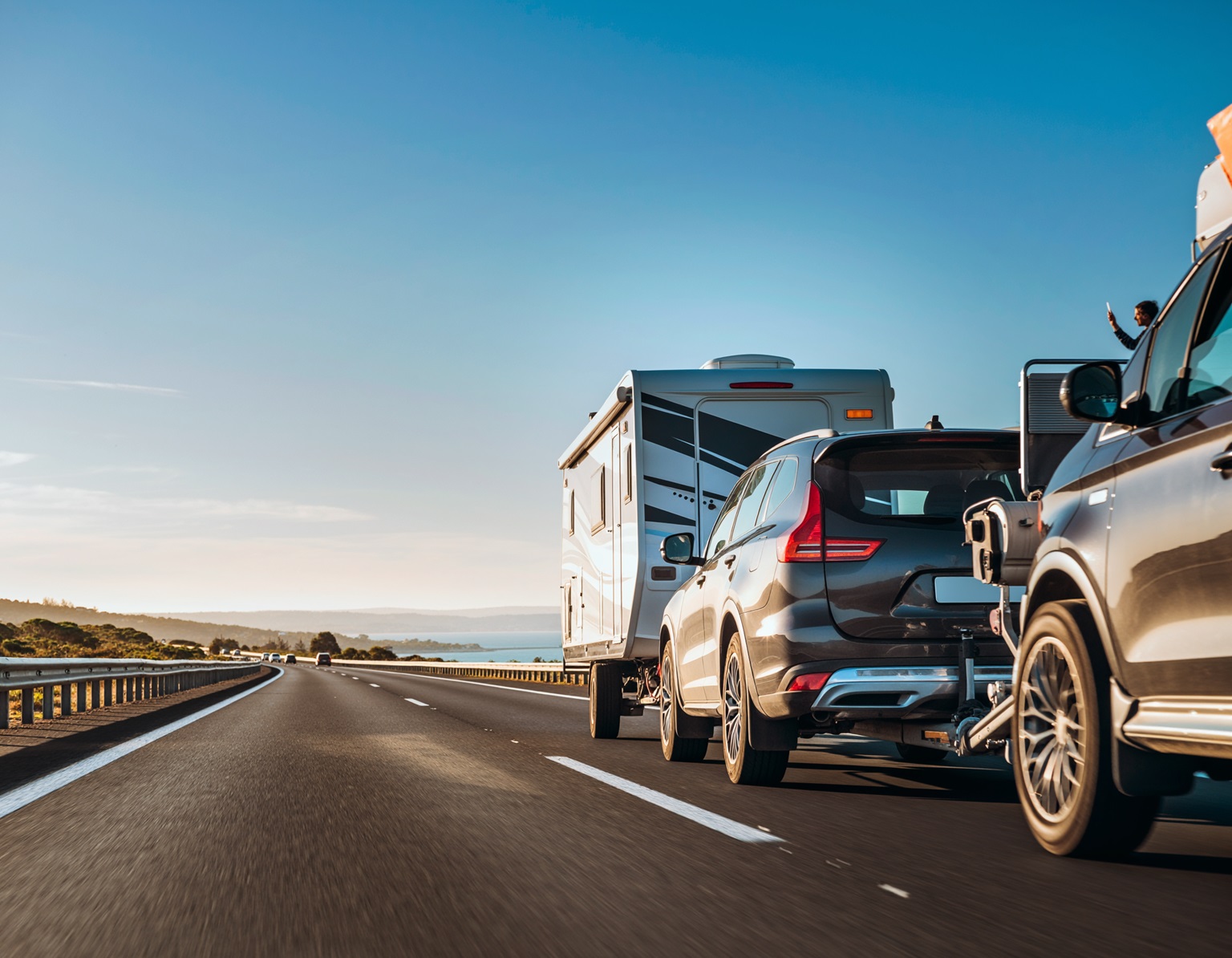
You’ve spent months planning your coastal getaway. The caravan’s packed, the boat’s polished, and you’re finally ready to hit the road. Then you reach the first roundabout on Wanneroo Road, and suddenly that trailer behind you feels heavier than expected. Your hands tense, and the confidence fades a little.
That reaction is completely normal. Towing a caravan or boat changes how your vehicle behaves. The steering feels heavier, braking takes longer, and corners require more precision. But with the right preparation and a clear understanding of caravan towing Perth conditions, it quickly becomes second nature.
Why Towing Feels More Difficult Than It Should
When you tow, physics stops playing nice. Braking creates extra push from behind, wind catches large surfaces, and every steering correction feels exaggerated. Your normal driving instincts don’t apply in the same way.
Many Perth drivers admit their first towing experience was overwhelming. That’s not poor preparation; it’s just a new skill set. You’re effectively learning to drive again, only this time with a few extra tonnes following behind you.
Get Your Weights Right Before You Leave
Incorrect loading is one of the most common causes of trailer sway and accidents.
- Towball weight: Should be between 10 and 15% of your trailer’s total mass. Too light causes instability; too heavy overloads the rear axle.
- Check towing capacity: Refer to the vehicle manual for braked and unbraked limits. Exceeding these can void insurance and create safety issues.
- Know your GTM and ATM: The Gross Trailer Mass and Aggregate Trailer Mass are legal limits enforced by WA Police, especially during holidays.
Use a public weighbridge before departure. The Kewdale facility is a popular choice for caravanners and boaties. For a small fee, it provides precise measurements that could save you serious trouble later.
The Equipment That Matters Most
Towing safely requires the right setup:
- Towbar: Must be rated for the trailer’s full weight and fitted by a professional.
- Weight distribution hitch: Essential for caravans over 2,000 kg to improve steering and braking.
- Electric brakes: Controlled through an in-cabin unit, allowing you to adjust trailer braking force.
- Safety chains: Crossed under the coupling and rated above the trailer’s total mass.
- Extended mirrors: Mandatory when your trailer blocks your rear view.
Quality components make towing smoother, safer, and legally compliant.
Load and Balance Your Trailer Properly
The placement of your gear matters more than how much of it you bring.
Keep heavy items low and just forward of the trailer axle to keep the centre of gravity stable. For caravans, travel with water tanks mostly empty to reduce unnecessary weight. For boats, avoid stacking gear near the stern.
A secure load also means securing everything inside. Loose items in a caravan or boat shift weight while driving and make handling unpredictable.
Think of it this way: good load balance turns a nervous drive into a relaxed one.
Driving Techniques That Keep You Safe
Patience is your strongest tool when towing.
- Acceleration: Allow extra distance to merge or overtake. Don’t rush into traffic flow.
- Braking: Double your usual stopping distance. Brake gradually to avoid sway.
- Sway control: If the trailer starts oscillating, lift off the accelerator gently. Use the trailer brake controller, not the car brakes.
- Cornering: Take wider turns; your trailer tracks inside your path.
- Reversing: Keep your hand at the bottom of the steering wheel and move it in the direction you want the trailer to go.
Practice these skills on quiet roads before long trips.
Planning Your Route from Perth
WA’s roads are vast and varied. Some are smooth and wide; others are narrow, steep, or windy. Before setting off, check Main Roads WA for route updates and restrictions.
- South: The coastal route to Busselton and Margaret River is scenic but narrow in sections.
- North: The Brand Highway and Great Northern Highway are reliable but fuel stops become sparse past Geraldton.
- Inland: Roads through Harvey or Northam offer wider lanes and steady grades.
Expect lower average speeds when towing – around 90 to 95 km/h – and plan for regular breaks. Stop every two hours to stretch, inspect your coupling, and reset your focus.
Handling Common Problems on the Road
- Blown tyres: Pull over gradually, avoid hard braking, and replace the damaged tyre with one rated for trailer use.
- Electrical faults: Test lights before every trip. Carry spare fuses and connectors.
- Loose couplings: Stop immediately and inspect. A failing connection can separate under load.
For severe issues or unsafe conditions, don’t take risks. Professional assistance is faster and safer than attempting roadside fixes under stress.
When You Need Professional Assistance
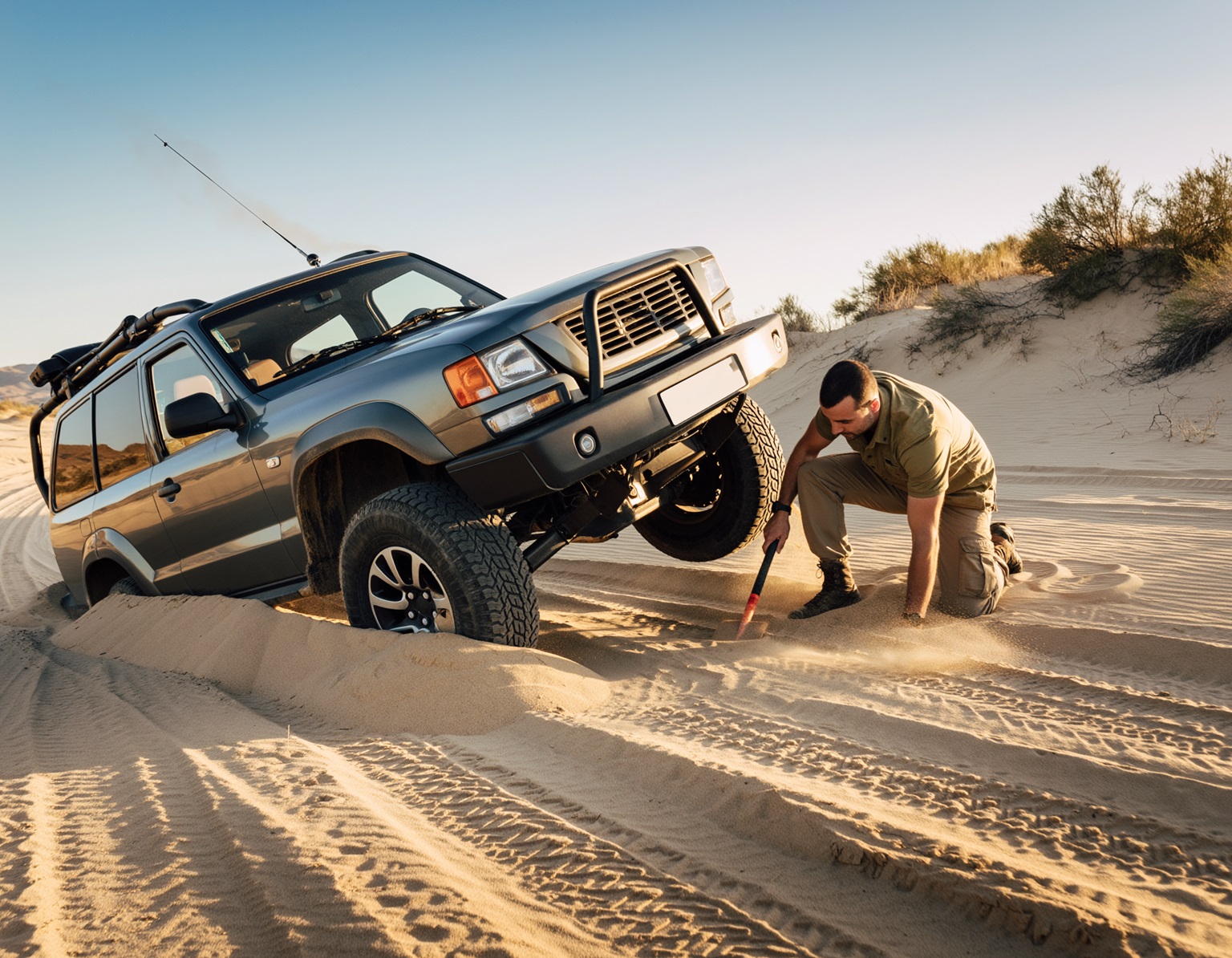
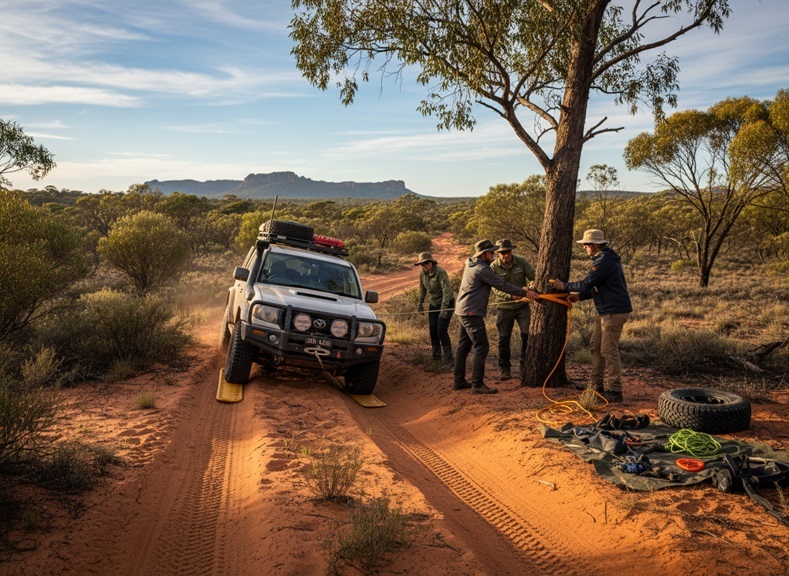
Even experienced drivers sometimes need help. A mechanical failure or unstable load can leave you stranded far from home.
All Out Towing provides expert assistance for both caravan towing Perth and boat recoveries across Western Australia. From routine to emergency situations, our 24-hour towing services and specialised recovery solutions ensure your equipment and passengers remain safe.
If you feel unsure or the vehicle isn’t behaving normally, get in touch with our team. Calling early prevents further damage and stress.
Build Confidence with Short Trips
Start small. Drive your caravan to Yanchep or take your boat to Hillarys before attempting long hauls north or south. Each short trip teaches you how your setup behaves under different loads and road conditions.
Consider taking a certified towing course in Perth. Instructors cover reversing, emergency braking, and controlled sway recovery – skills that can save your rig and your confidence.
Maintenance Before and During the Journey
Preparation keeps you on the road:
- Check engine oil, coolant, and transmission fluid.
- Inspect and grease wheel bearings.
- Confirm brake controllers and trailer brakes function correctly.
- Check tyre pressure and tread on both vehicle and trailer.
- Inspect all connections before each drive.
Perform a quick walk-around at every stop. Small checks prevent major problems.
The Confidence Comes With Time
Every safe trip builds experience. The rig that once felt intimidating becomes second nature after a few journeys. You’ll learn your preferred speeds, braking points, and travel rhythm.
The freedom of towing opens up the best of Western Australia – beaches, forests, and fishing spots that standard vehicles can’t reach. Respect the physics, prepare carefully, and enjoy the road.
When you’re ready to upgrade your setup, check your weights, or need recovery support, All Out Towing is here to help. Whether it’s caravan towing Perth or boat towing tips WA, we’ve seen it all and know what works best for local drivers.