There’s something magnetic about Western Australia’s remote landscapes. The endless red tracks. The deep quiet that seems to hold its breath. The night skies so bright they almost hum. But as stunning as these places are, they can also test you and your vehicle in ways city driving never will.
Remote travel across WA can change from inspiring to intimidating in minutes. One moment you’re surrounded by beauty; the next, your fuel gauge drops faster than expected, the air grows hotter, and your phone signal disappears. Understanding remote travel safety WA before setting off can make all the difference between a memorable adventure and a risky ordeal.
Why Remote Travel Feels Riskier Than It Should
Most travellers know the basics – bring water, check your tyres, tell someone your plans. Yet the gap between knowing and doing can be wide. Optimism often replaces preparation. It’s easy to think, “It’s only a few hours” or “My vehicle’s been reliable so far.”
But remote driving in WA doesn’t forgive small oversights. Intense heat, corrugated roads, and long distances combine to expose every weakness in your setup. Proper preparation isn’t about expecting disaster; it’s about giving yourself control when things go wrong. The goal isn’t paranoia – it’s capability.
Karijini National Park – Red Gorges and Real Risks
Karijini is unforgettable. Its ancient gorges and crystal pools look like something from another planet. But at roughly 1,400 kilometres from Perth, getting there demands planning. Between Tom Price and Newman lie long stretches with little to no service, and the road surface varies from highway to bone-rattling gravel.
Travel Tips for Karijini
- Check your cooling system thoroughly, including hoses and clamps.
- Carry at least 10 litres of water per person – separate from your vehicle’s needs.
- Download offline maps before leaving signal range.
- Review road condition updates from Main Roads WA before departure.
The environment can turn on you quickly. Small leaks, old hoses, or neglected maintenance can lead to big breakdowns under Pilbara heat. Treat your vehicle’s health as seriously as your itinerary.
The Kimberley – Where Distance Becomes Real
The Kimberley is as remote as Australia gets. From Broome to Kununurra, or along the Gibb River Road, travellers face hundreds of kilometres without fuel, signal, or shade. It’s one of the most breathtaking yet unforgiving regions in the world.
Essential Preparation
- Book a remote travel inspection before you go, not just a regular service.
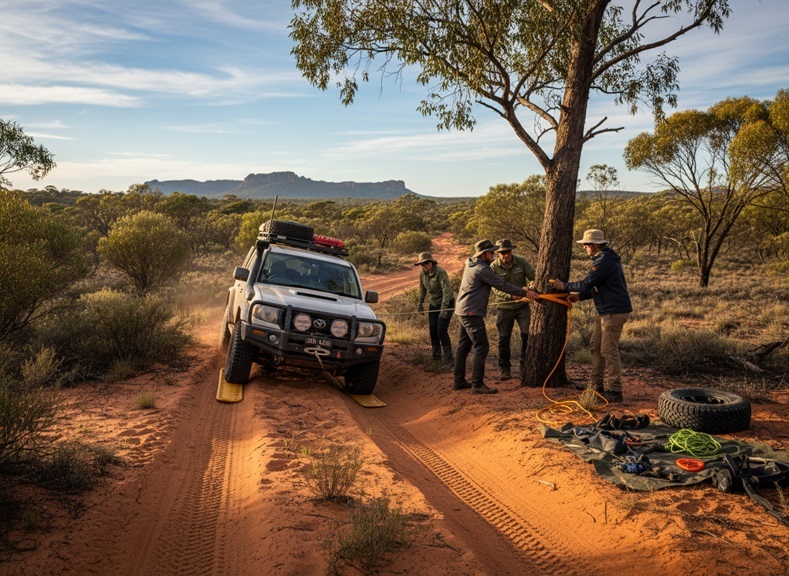
- Bring two spare tyres and a complete recovery kit (snatch strap, rated shackles, shovel).
- Carry a satellite phone or beacon for emergencies.
- Use jerry cans for extra fuel and water, safely strapped down.
Every kilometre here demands respect. Mechanical failures that would be minor in Perth can become major in this region. Always assume help will take time to reach you.
Coral Bay and the Ningaloo Coast – Deceptively Remote
Coral Bay and the Ningaloo Coast might feel familiar and well-travelled, but they’re still remote. At over 1,200 kilometres from Perth, the gaps between towns and roadhouses grow wide, and breakdowns can still leave you waiting hours for assistance.
Key Preparation Steps
- Service your vehicle within 1,000 kilometres of departure.
- Check all tyres, including your spare, right before you leave.
- Carry extra water and food for unexpected delays.
- Keep your fuel tank above half once you’re north of Carnarvon.
Even sealed highways can turn dangerous in extreme heat. Travellers often underestimate fatigue, tyre wear, and the simple reality that help isn’t close by.
The Goldfields – History and Harsh Conditions
Stretching east from Kalgoorlie-Boulder, the Goldfields combine historic charm with harsh, dry conditions. Dust, heat, and corrugated roads challenge both vehicles and drivers.
Preparation for Goldfields Conditions
- Inspect or replace your air filter to cope with dust.
- Check your cooling system and coolant quality.
- Carry spare engine oil and coolant.
- Protect electronics and supplies with sealed containers.
Summer temperatures here often exceed 40°C. In such conditions, even minor mechanical issues can escalate quickly. Understanding remote driving WA hazards keeps both you and your vehicle safe.
Cape Leeuwin and the South-West – Close, But Still Demanding
WA’s south-west feels civilised compared to the north, yet it has its own risks. Narrow roads, sudden fog, and fast-changing weather can catch drivers off-guard.
Before You Go
- Check your battery’s age and terminals.
- Carry a portable charger or jumper pack.
- Confirm weather forecasts and road conditions.
- Keep a paper map or downloaded navigation backup in case of no signal.
Even a short trip can turn inconvenient if you’re unprepared. Safety habits practiced on long remote drives should still apply here.
What Actually Keeps You Safe
Good gear helps, but mindset matters more. The difference between confidence and carelessness is preparation. Confident drivers check, plan, and adapt. Careless ones assume everything will be fine.
When travelling remotely, remember that help might take hours – not minutes. Respect that distance, and you’ll enjoy your adventure far more.
When Things Go Wrong
Sometimes, despite preparation, nature or chance intervenes – a sudden puncture, wildlife collision, or road closure. The safest response is simple:
- Stay with your vehicle – it’s easier to spot than a person.
- Ration your water immediately.
- Use your beacon or phone to share GPS coordinates.
- On main roads, stay visible; on backtracks, stay put.
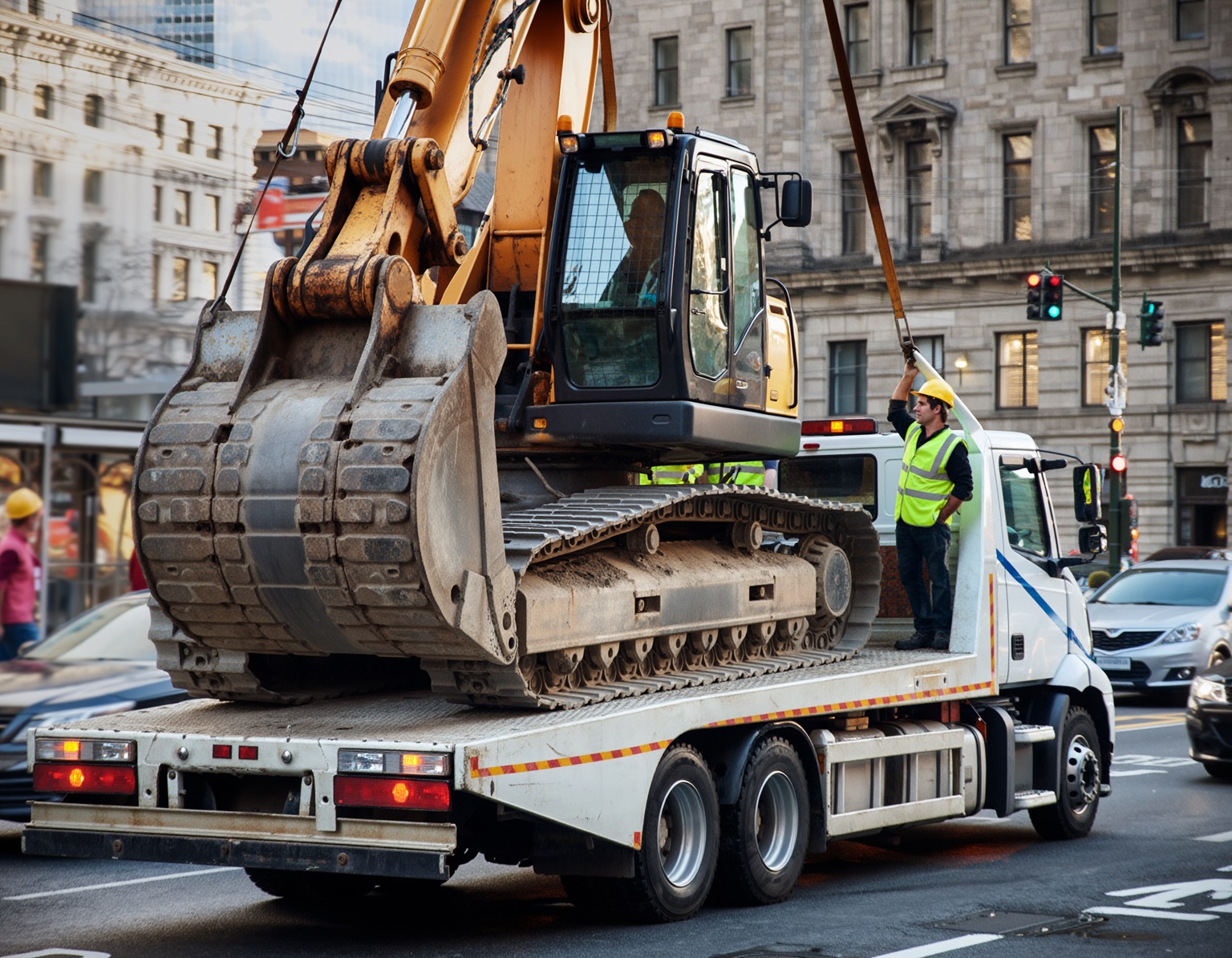
If you’re within range of professional help, reliable services like All Out Towing can assist with 24-hour emergency towing or car towing services across much of WA. Quick contact can stop a small issue becoming a bigger one.
No Shame in Asking for Help
There’s no failure in needing recovery. Mechanical faults happen even to well-prepared travellers. The smart move is calling for help early rather than making things worse. Professional towing is about safety, not judgement. Our team specialises in safe vehicle transport, roadside recovery, and post-incident towing for all types of vehicles.
Start Small and Build Experience
If you’re new to remote travel, start with shorter routes like the south-west or Goldfields. Gain confidence gradually. Over time, you’ll learn how your vehicle behaves on corrugations, how to read conditions, and when to adjust your plans.
Before any long journey, it’s wise to get in touch with our team for a full pre-trip vehicle check. Preventative care is always easier than remote recovery.
The Red Dirt Awaits
Western Australia’s remote destinations reward those who prepare. The landscapes are powerful, peaceful, and unforgettable. With the right planning, equipment, and awareness, you can explore safely and return home with only good stories to tell.