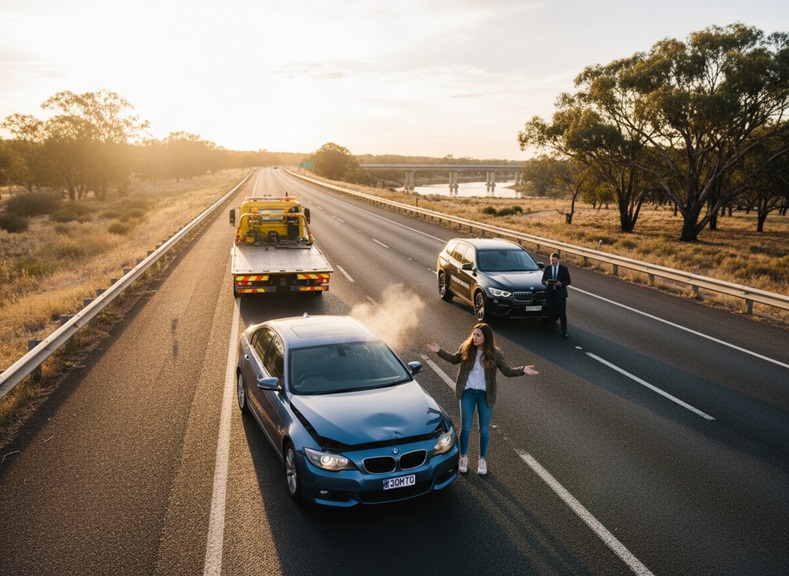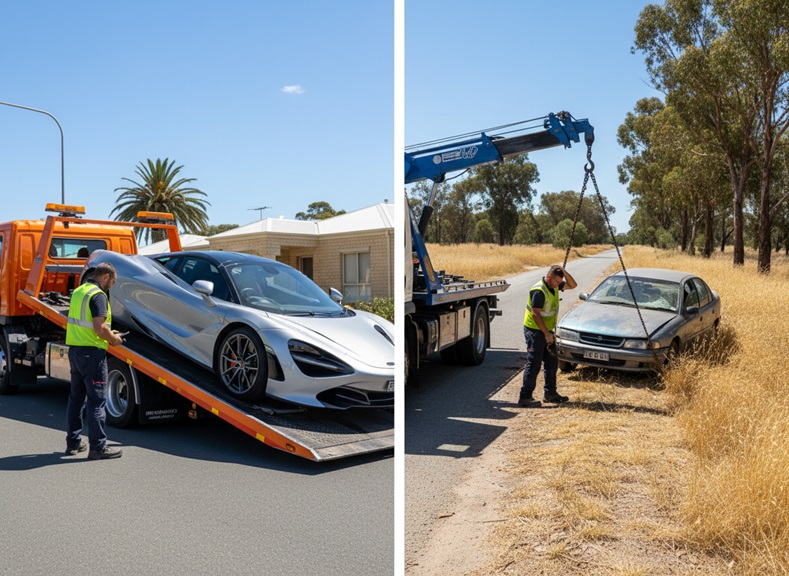
You are stuck on the side of the road with a car that will not budge. The tow truck is on the way, but you are wondering what kind of truck is coming and whether it matters. It does. For Perth’s mix of newer vehicles, modified cars, and local road conditions, the choice between tilt tray towing Perth and traditional wheel-lift matters for safety, time, and cost.
Most people do not think about towing methods until they need one. The difference between a tilt tray and a hook-and-chain or wheel-lift can affect everything from your vehicle’s underbody to your drivetrain. If you drive a low-clearance car, AWD or 4WD, or anything with sensitive sensors and plastics underneath, understanding the safest method helps you make the right call under pressure.
When reliability and care matter, choose a provider that uses the right method for the right vehicle. The first mention of All Out Towing confirms who we are and how we approach safety across Perth and WA.
How Modern Vehicle Design Changes the Towing Decision
Modern vehicles are not built like older utes. They have complex electronics, advanced stability systems, sensitive plastic undertrays, and all-wheel-drive systems that must not have one end lifted while the other rolls. Many owner’s manuals explicitly warn against towing with driven wheels on the ground.
Think of an AWD system like two people tied at the shoelaces trying to walk in different directions. Lift one end and let the other roll at speed, and the drivetrain is forced to fight itself. Heat builds. Parts grind. That is where damage happens. This is why flatbed towing Perth is often the safest default for today’s vehicles.
What Actually Happens With Traditional Towing
Traditional towing generally means wheel-lift. A metal yoke slides under the tyres at one end and lifts that end off the ground. The other end’s wheels remain on the road.
Where it fits:
- Short metro tows for basic front-wheel-drive sedans or hatches.
- Older vehicles with higher clearance and simpler running gear.
- Situations where budget is tight and the vehicle is confirmed suitable by a professional.
Limitations to know:
- AWD and 4WD can suffer drivetrain damage if lifted incorrectly.
- Low-clearance or modified cars risk scraping bumpers, splitters, exhausts, and undertrays.
- Longer freeway distances magnify risks, heat, and component stress.
If you are considering wheel-lift, verify your owner’s manual and ask the operator to confirm suitability for your exact make and model. If there is doubt, step up to a flatbed.
How Tilt Tray Towing Works and Why It Protects Your Vehicle
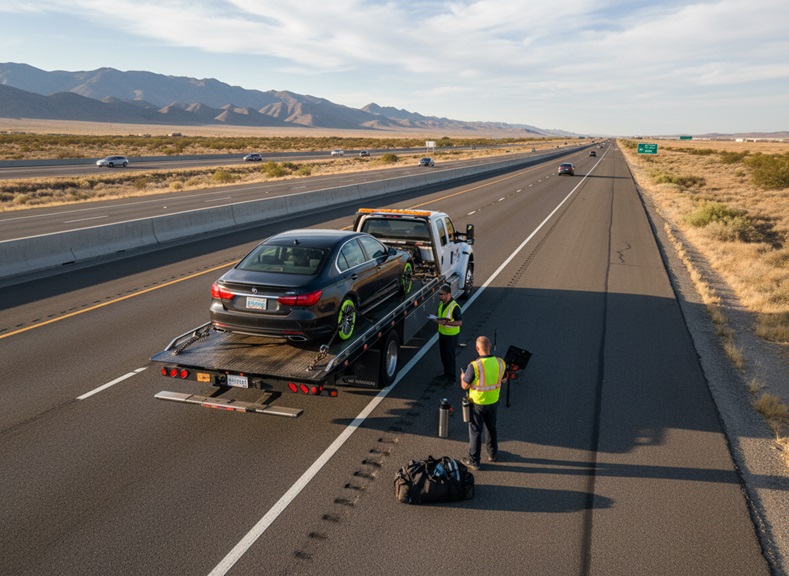
Tilt tray towing Perth uses a hydraulic tray that tilts to ground level. Your vehicle is winched or driven on, secured at proper points, then transported flat.
Key advantages:
- All four wheels are off the road, so there is no drivetrain strain.
- Low-clearance and prestige cars load with safe approach angles.
- Reduced risk of underbody, bumper, or exhaust scraping.
- Stable, secure transport over longer distances and mixed road conditions.
In short, flatbed towing Perth keeps the vehicle as it sits in your driveway. Nothing drags. Nothing scrapes. Nothing overheats.
For a deeper look at our process, you can read about our tilt tray services.
When Traditional Methods Still Make Sense
Traditional wheel-lift is not obsolete. It is a practical option when:
- You have a standard FWD sedan or hatch, no low body kit, and a short local tow.
- The car has sufficient clearance and simpler mechanical systems.
- You have clear guidance that your vehicle allows wheel-lift.
If the vehicle has complex systems, low clearance, or higher value, the risk-to-saving ratio tips quickly toward tilt tray.
Perth-Specific Factors That Influence the Choice
Perth’s layout and climate add unique variables:
- Long freeway stretches from outer suburbs mean long rolling distances at speed.
- Older residential streets can have uneven surfaces, sharp driveways, and tight corners.
- Beach and sand recoveries north and south of the city put extra stress on components.
- Summer heat can push tyres, fluids, and driveline parts to their limits.
In these conditions, transporting the vehicle flat reduces heat, vibration, and clearance risks. Once the car is on the tray, navigating tight or rough streets becomes the truck’s problem, not your vehicle’s.
Quick Decision Guide: Which Method Should You Choose?
Use this simple filter when you call for help:
- AWD or 4WD
Choose tilt tray to avoid drivetrain damage. - Low clearance or modified
Choose tilt tray to prevent scraping undertrays and splitters. - Prestige or high-value
Choose tilt tray for maximum protection. - Short local tow, standard FWD sedan
Wheel-lift can be suitable if a professional confirms it is safe. - Longer distance across the metro
Prefer tilt tray, especially on freeways.
If in doubt, request a flatbed. The extra cost is modest compared with potential repair bills.
Questions to Ask Before You Book
Take 30 seconds to ask:
- Which method do you recommend for my vehicle? Provide make, model, year, and drive type.
- What is included in the price? Confirm distance, after-hours, special handling, or call-out fees.
- How quickly can you arrive and where do you operate? Citywide coverage matters at peak times.
- Are your drivers experienced with my vehicle type? Essential for luxury, classic, or modified cars.
Transparent answers are a good sign you are dealing with professionals. You can always contact us to run through these points with our team.
The Cost of Getting It Wrong
Choosing solely on price can be expensive later. Common outcomes of a poor match include:
- AWD transfer case or differential damage from wheels-on-ground towing.
- Torn splitters, damaged exhausts, or broken undertrays on low cars.
- Stress and delays if loading becomes complex on the roadside.
A typical metro difference between methods might be a hundred dollars or so. Repairing an AWD driveline can run into thousands. The sums speak for themselves.
Roadside Realities: Not Every Call Needs a Tow
Some breakdowns do not need towing. Flat batteries, punctures, or minor faults can be fixed on the spot. Check our roadside assistance if you only need a jump start, tyre change, or emergency fuel.
When towing is required, our safe car towing services cover standard vehicles across Perth with careful loading and correct tie-down points.
For urgent situations at any hour, our 24-hour emergency towing is available across the metro.
How We Secure and Transport Your Vehicle Safely
Whether it is wheel-lift or flatbed, a professional operator will:
- Inspect attachment points and underbody clearance.
- Use soft straps and correct tie-down geometry to avoid damage.
- Check for movement before departing.
- Drive smoothly to minimise load shift and vibration.
On a tilt tray, your vehicle behaves like stable cargo. On wheel-lift, the driver must account for towed-vehicle behaviour in wind, camber, and over irregular surfaces. Either way, method and technique both matter.
Insurance and Documentation Considerations
Your insurer expects reasonable care. If you authorise a method that is unsuitable for your vehicle and it causes damage, a claim can become complicated. To protect yourself:
- Take photos before and after the tow.
- Confirm the towing method used on your receipt.
- Ensure any pre-existing marks are documented.
Preferred providers and method requirements can differ between policies. If you are unsure, a quick call to your insurer helps set expectations.
The Simple Rule of Thumb
If the vehicle is valuable, low, complex, or travelling far, choose tilt tray towing Perth. If it is a short local move for a standard FWD with adequate clearance, wheel-lift can be appropriate when a professional confirms it.
When safety, certainty, and care matter, flatbed towing Perth gives you the most protection for the smallest extra outlay. It is the choice that keeps bumpers off the road, drivetrains stress-free, and owners relaxed.
Need Advice Right Now?
If you are unsure which method suits your vehicle, our team will give you straight guidance with no pressure. Get in touch and we will assess your situation, confirm the safest option, and dispatch the right truck. For breakdowns that do not need a tow, our roadside assistance can often get you moving on the spot.