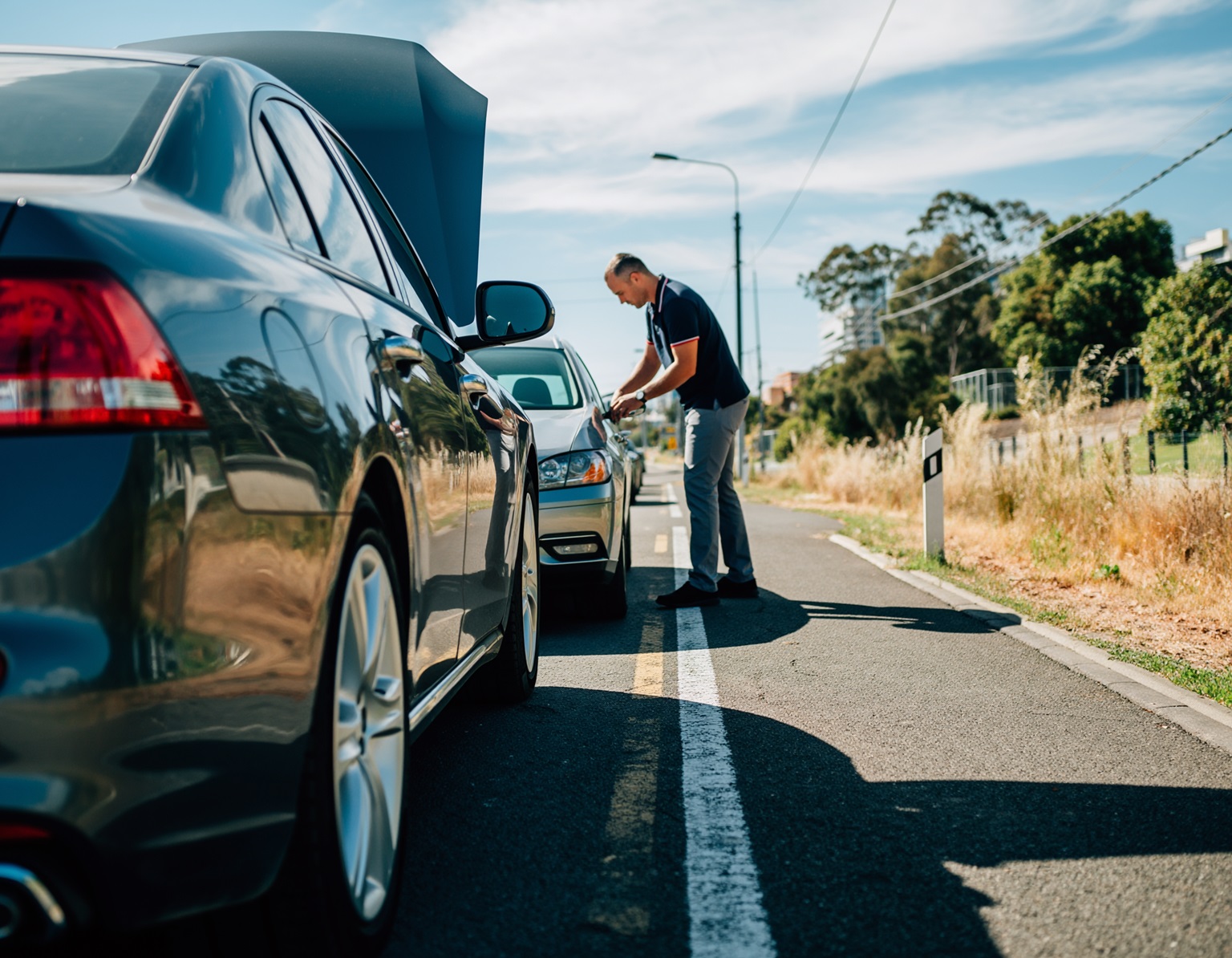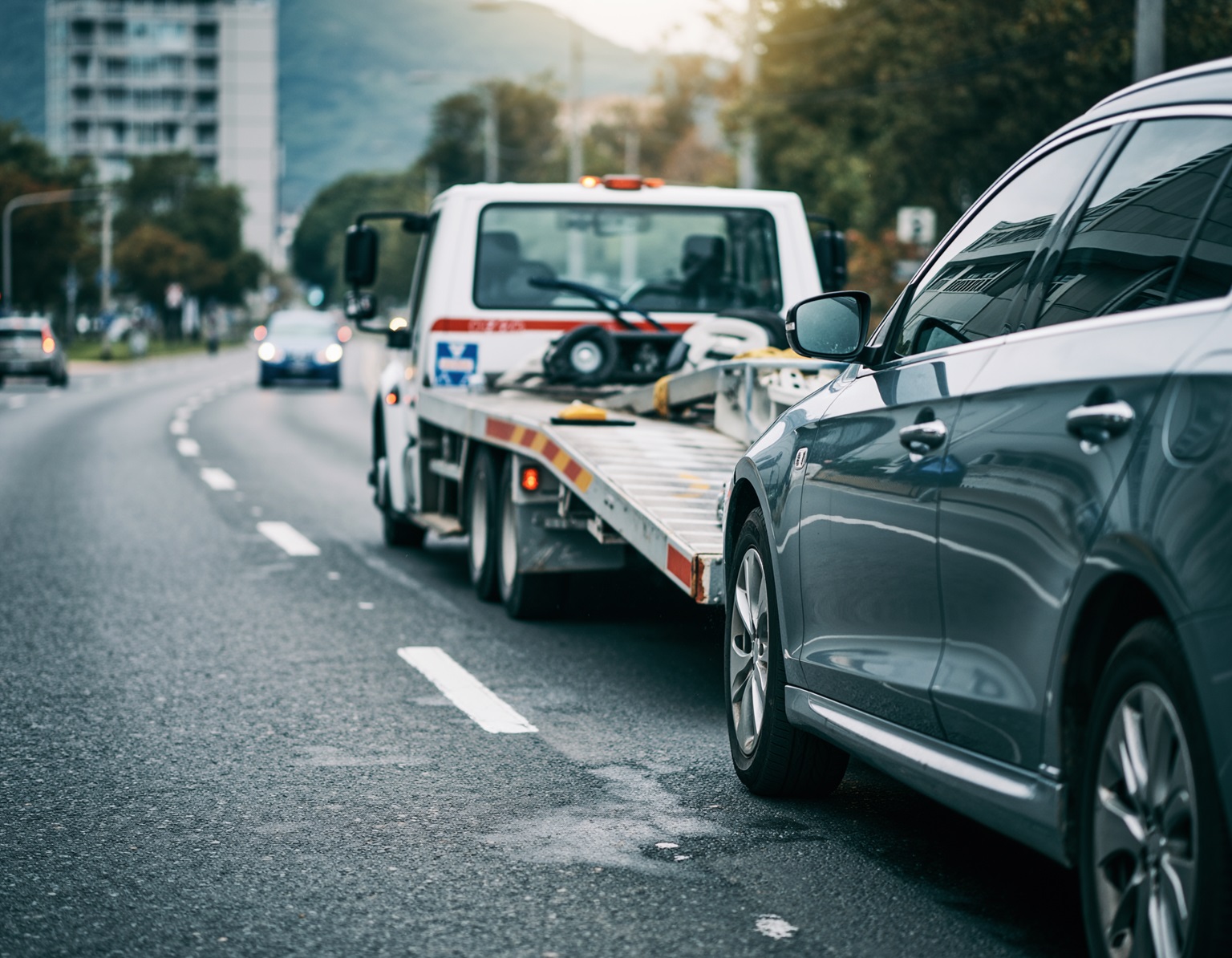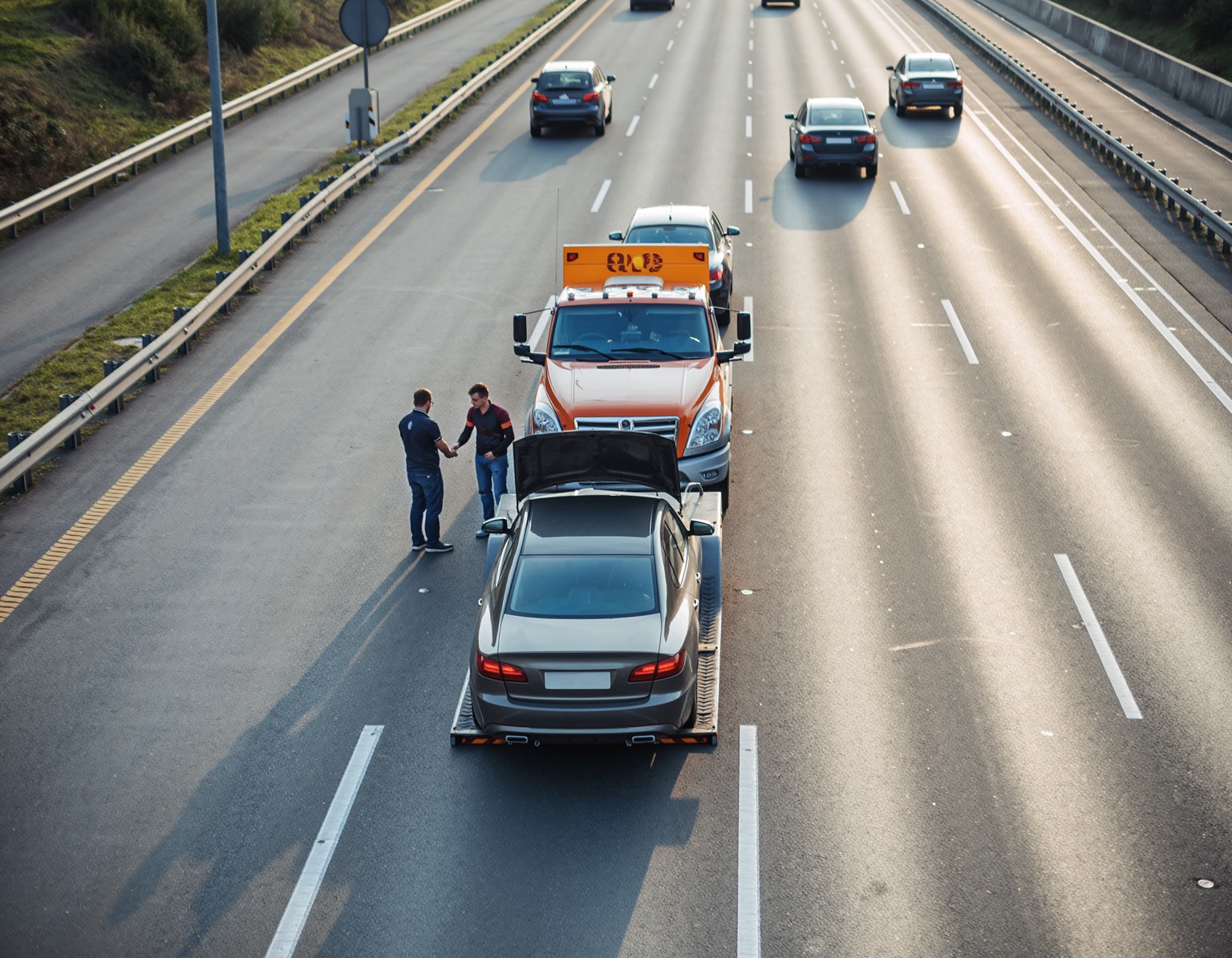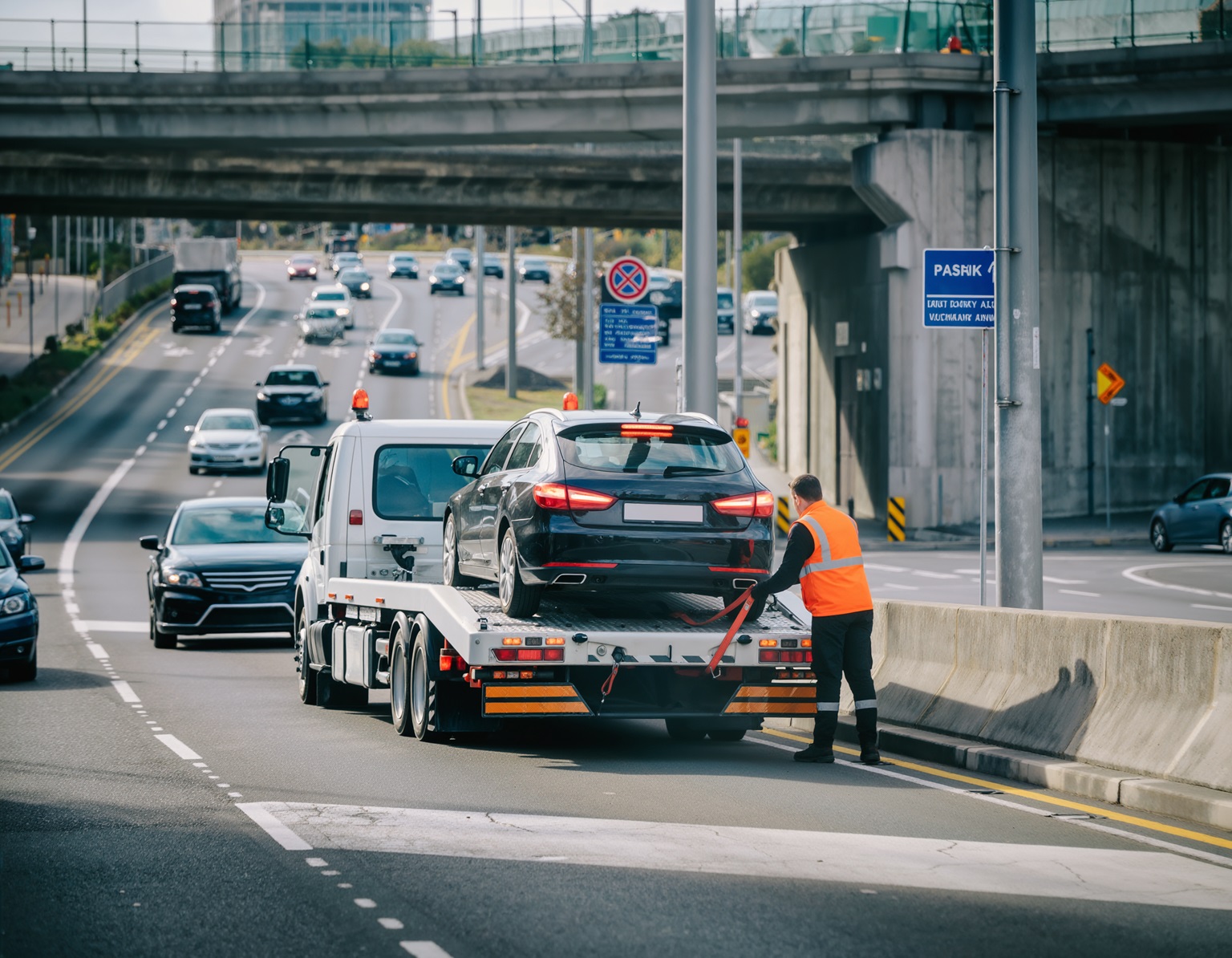
You’ve probably seen it a hundred times: a tow truck parked on the shoulder with hazard lights flashing, operator working fast to load a broken-down car while traffic whizzes past at 100 km/h. It looks routine from your driver’s seat, but what you might not realise is that the scene is one of the most dangerous workplaces in Western Australia.
Tow truck operators face risks most of us never think about. They’re working on live roads, often in poor visibility, surrounded by impatient drivers who don’t slow down or move over. And while they’re trained for this, they can’t stay safe alone. Tow truck safety Perth drivers follow depends just as much on everyday motorists as it does on the professionals doing the job.
This isn’t about blame. It’s about understanding what’s really happening when you see flashing yellow lights ahead – and why your decisions in those few seconds matter more than you might think.
Why Tow Truck Work Is So Risky
Consider a breakdown on the Kwinana Freeway near the Canning Highway exit. Peak hour’s over, but traffic’s still steady. Lights flashing, cones out, everything in place. A ute flies past, barely missing the truck by a metre, the driver’s on his phone.
That’s not rare – it’s frighteningly familiar.
Tow truck operators work in what’s called a live traffic environment. There’s no barrier, no safety zone – just a few metres of bitumen and the hope drivers will pay attention. When hooking up a car or checking straps, operators constantly monitor mirrors, listen for engines, and calculate whether someone’s slowing in time.
Distraction is the most significant danger. Phones, passengers, and even adjusting the radio can mean a driver doesn’t register the tow truck until it’s too late. At 80 km/h, a mistake leaves no margin. The result isn’t property damage – it’s tragedy.
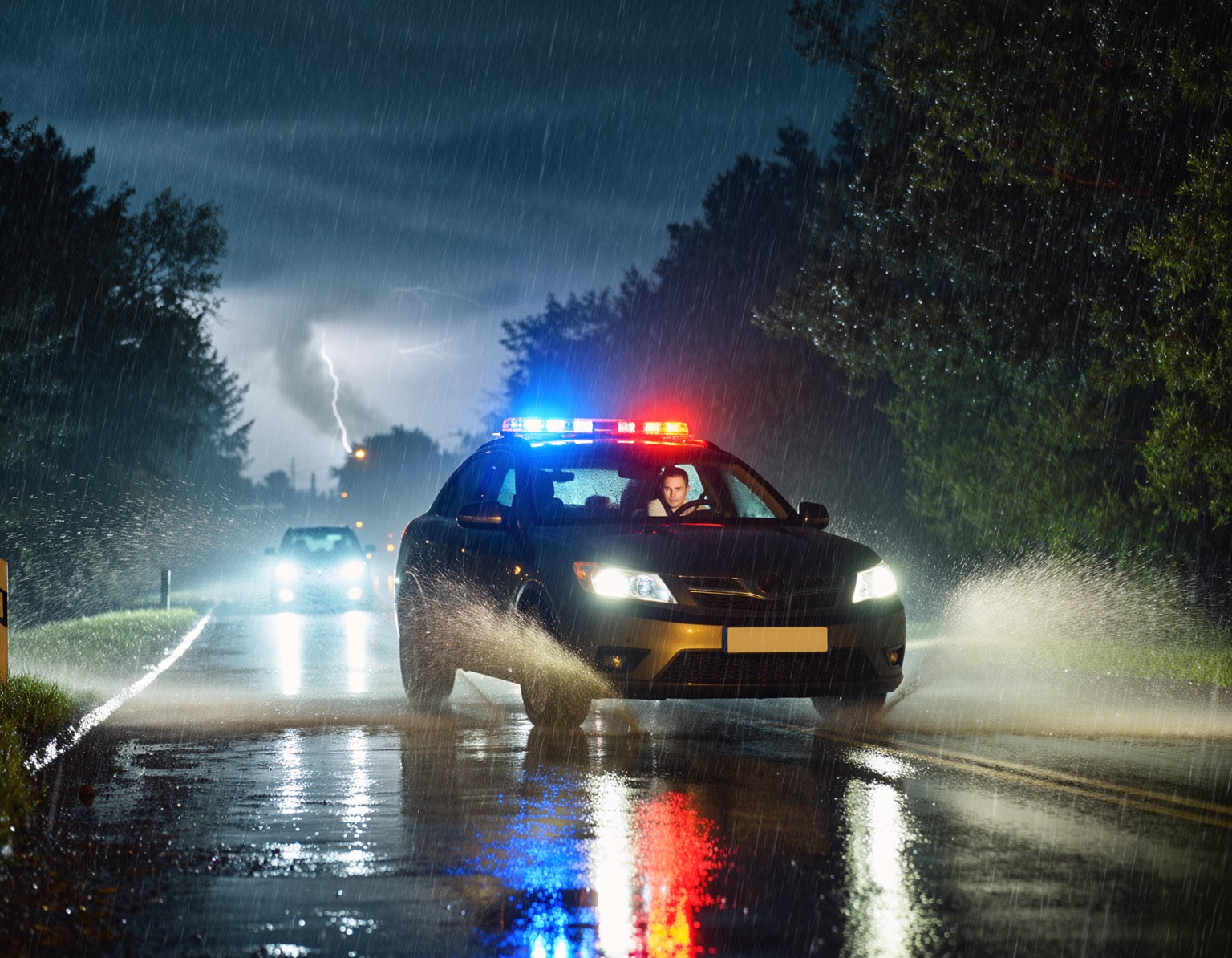
Rain, glare, fatigue, and night driving make things worse. Even with lights and reflective gear, tow trucks can be hard to spot until you’re right on them. That’s why tow truck safety practices exist – to save lives.
What the Law Says About Tow Truck Safety Perth
WA road rules are clear. When you pass an emergency or roadside assistance vehicle with flashing lights, you must slow to 40 km/h or less, depending on the posted limit.
If the road’s posted speed is up to 90 km/h, you must reduce to 40 km/h. If it’s over 90 km/h, slow down significantly and pass with genuine caution. Moving over is mandatory when safe to do so. If you can’t, you slow down instead.
These aren’t suggestions – they’re legal requirements designed to keep roadside workers safe. Yet many drivers don’t realise they apply to tow trucks as much as they do to police or ambulances. Closing that awareness gap is crucial for roadside safety across Perth.
How Professional Tow Operators Protect Themselves
Operators don’t rely on luck. They use structured, professional safety systems.
- High-visibility gear: Bright vests and reflective uniforms make them stand out.
- Work-zone setup: Cones, warning triangles, and light placement give approaching drivers maximum notice.
- LED lighting: Modern light bars can be seen hundreds of metres away, even in daylight. Amber means caution – slow down.
- Truck positioning: When possible, the truck becomes a physical barrier protecting the operator. It’s deliberate shielding.
- Communication: For high-risk jobs on freeways or highways, operators alert traffic management or police for extra coverage.
Still, all of it depends on cooperation from passing drivers. One distracted moment can undo every precaution.
Essential Tow Truck Safety Perth Drivers Must Follow
When you see flashing amber lights ahead, here’s what to do:
- Recognise early. Don’t wait until you’re close. Start planning your move as soon as you spot the hazard.
- Signal and move over. If you can safely change lanes, do it. It’s the best protection for everyone on the roadside.
- Slow down. Drop to 40 km/h or less where required. Even a slight speed reduction gives more reaction time.
- Stay focused. No photos, no distractions. Your goal is a smooth, predictable pass.
- Expect movement. Operators may reposition their trucks or step near traffic. Treat the area as active, not static.
Drivers aren’t careless on purpose – they’re often just unaware. Once you understand what’s at stake, slowing down becomes instinctive.
If you ever need help yourself, our roadside assistance team will appreciate the drivers who give us space to work safely.
The Guilt You’re Probably Feeling (And Why It’s Misplaced)
If you’ve ever passed a tow truck without slowing down, you might feel uneasy reading this. That’s good – it means you care.
Most drivers didn’t know the rules. It’s not taught during licensing, and it rarely comes up in conversation. You’re not irresponsible for not knowing – but now you do, and that changes everything.
Slowing down and moving over takes seconds. It’s a small act that can prevent serious harm. Once you’ve seen what these conditions look like up close, you’ll never ignore those flashing lights again.
Why This Feels Harder Than It Should
Changing lanes in heavy traffic feels risky. Slowing to 40 km/h while others speed by feels uncomfortable. Those fears are real – but so are the laws protecting you for doing the right thing.
If moving over isn’t possible, focus on slowing down. If slowing down feels awkward, remind yourself it’s both legal and lifesaving. The more often you practise it, the more natural it becomes.
Other drivers notice your actions, too. When you model safe behaviour, they follow. That ripple effect is how Perth roads get safer, one driver at a time.
Start Here, Not With Perfection
You don’t need to be perfect. You need to be aware.
Next time you see a tow truck, take a breath, check mirrors, slow down, and move over if you can. That’s it.
And if you ever need 24-hour emergency towing yourself, you’ll understand precisely why it matters.
Tow operators don’t ask for special treatment – just the same consideration you’d want if you were the one standing on the shoulder.
The Ripple Effect of Safe Driving
When you slow down near a tow truck, you protect everyone: the operator, other drivers, and yourself. Collisions involving roadside workers often escalate because of speed and proximity.
Safe driving creates a buffer zone – more time to react, more space to manoeuvre, and more margin for error.
Cultural change starts small. The more drivers treat slowing down and moving over as usual, the safer the roads become. That’s how rabsoluteroad safety evolves – through thousands of small, consistent decisions.
What All Out Towing Does Differently
At All Out Towing, safety is built into everything we do. Every operator completes rigorous training covering hazard management, defensive positioning, and situational awareness.
Our trucks use advanced lighting and equipment, exceeding standard requirements to increase visibility. We constantly review and update safety procedures to keep both our operators and the public protected.
We know equipment alone can’t remove all risk – that’s why we’re committed to driver education. The more people understand tow truck safety Perth standards, the safer everyone becomes.
If you ever need our help, you can trust we’ll arrive quickly, work carefully, and do everything possible to keep you safe.
Your Role in the Bigger Picture
Road safety isn’t someone else’s job. It’s a shared responsibility.
Your role is simple: be aware, be cautious, be considerate. Slow down. Move over. Stay alert. Those small actions add up to lives saved.
And if you ever find yourself on the side of the road, you’ll hope every driver behind you does the same.
If you have questions about towing, roadside assistance, or vehicle safety, get in touch with our Perth team any time. We’re always here to help.
Moving Forward Together
Sharing the road with tow trucks isn’t complicated. It’s about awareness, patience, and empathy. Slow down. Move over. Stay focused.
When you picture yourself standing where that operator is, the right decision becomes obvious.
We all share the same goal – getting home safely at the end of the day.