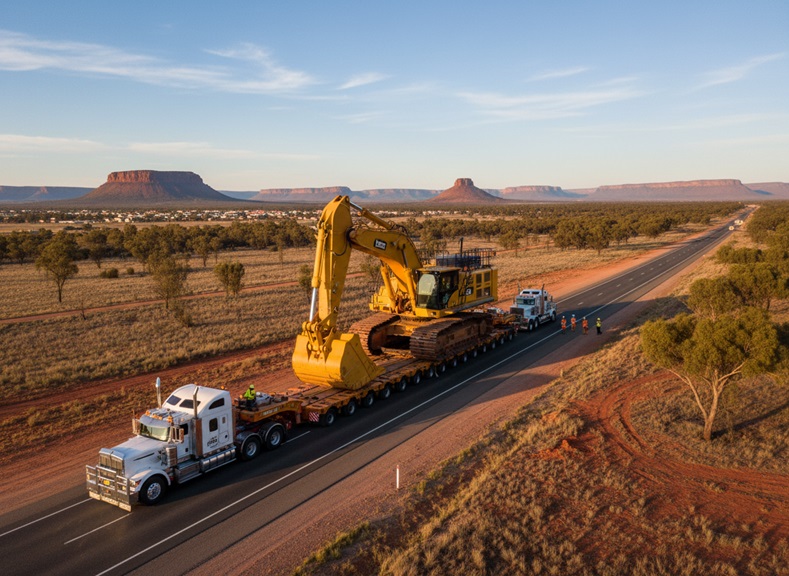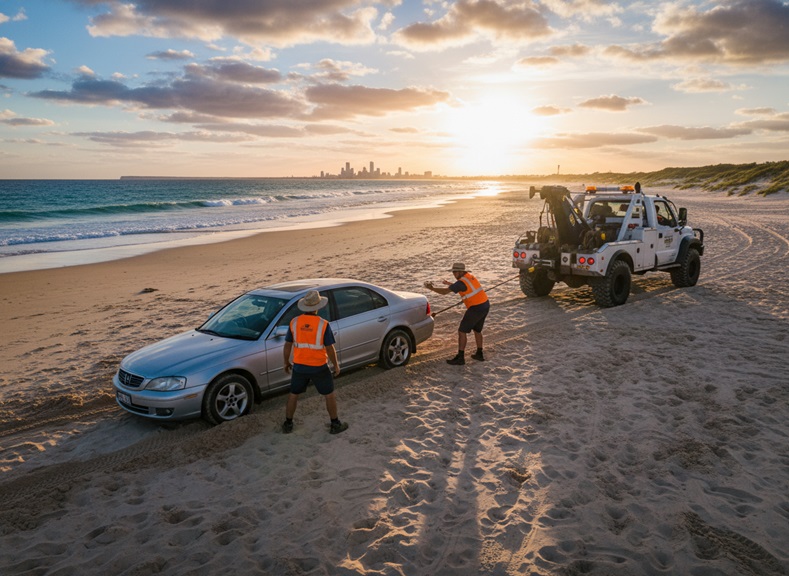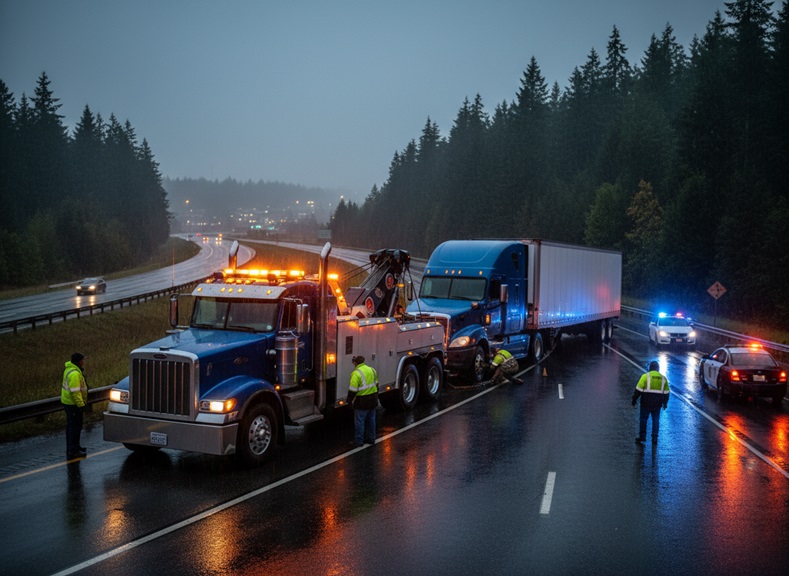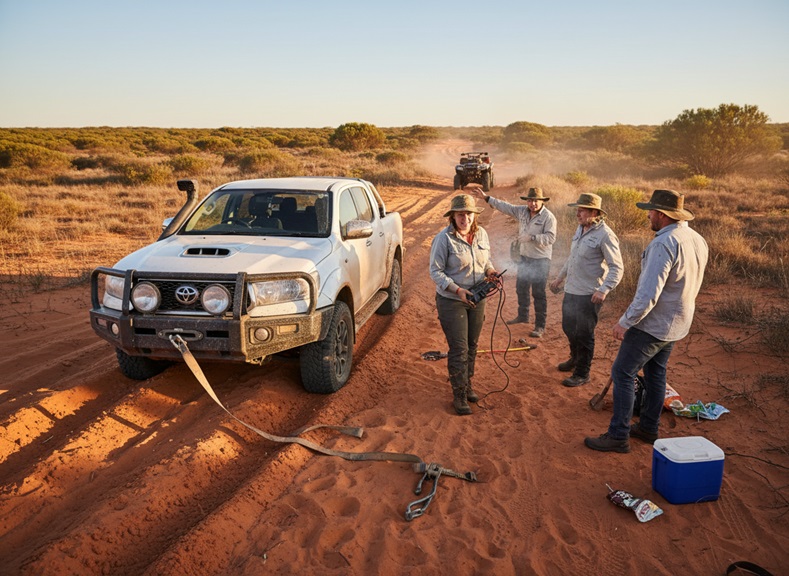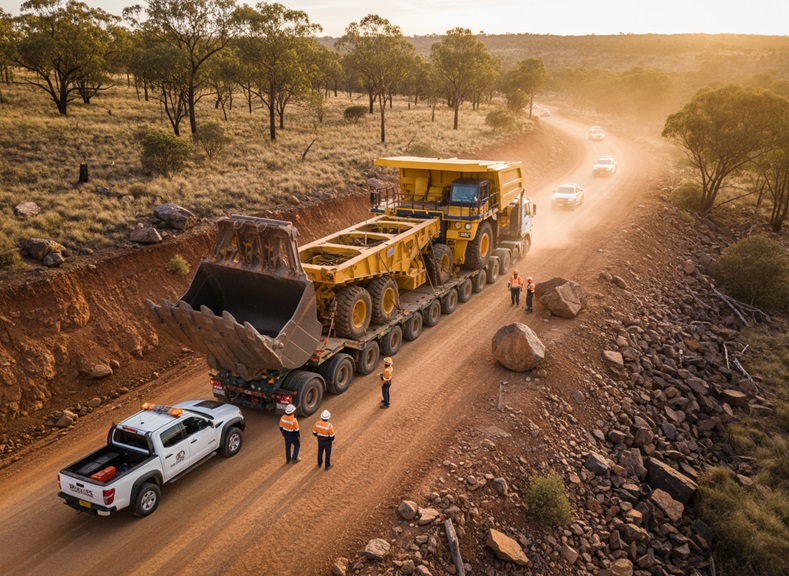
Transporting heavy equipment such as a fifteen-tonne excavator through peak-hour traffic on Great Eastern Highway demands precise planning and strict safety discipline. Heavy equipment transport Perth involves far more than simply getting from one point to another. A single loose strap or incorrect clearance calculation can lead to costly road closures, fines, or accidents.
Perth’s road network was not built for oversized machinery. Narrow roundabouts, low-hanging power lines, and congested lanes all create potential hazards. Operators must not only safeguard their own equipment but also ensure the safety of every driver sharing the road.
Understanding Why Heavy Equipment Transport Feels Overwhelming
Operators are experts at running machinery, but transporting that same equipment requires a completely different skill set. Permits, route assessments, escort arrangements, and insurance requirements can feel daunting. The system’s complexity reflects how high the risks are when things go wrong.
Compliance is not optional. Each load type and route has unique conditions, and these must be met before movement begins. Working with heavy haulage Perth specialists who understand this regulatory framework helps ensure safety and efficiency from start to finish.
What Qualifies as Heavy Equipment
The Department of Transport WA defines heavy vehicles not only by weight but also by dimensions and axle configuration. Even if machinery is relatively light, it may still require a special permit if it extends beyond standard trailer measurements.
General access vehicles can operate without permits when within the following limits:
- Width: two point five metres
- Height: four point three metres
- Length: nineteen metres for a B double combination
Exceeding any of these values moves the load into restricted access territory. Height is particularly important across Perth due to the city’s numerous bridges, power lines, and gantries. A route that seems fine on paper can quickly become impassable if the total load height exceeds clearance points.
Weight distribution is just as critical. Loads must be evenly balanced across axles to prevent instability or overloading of one section. Improperly balanced loads increase accident risk and may lead to enforcement action from Main Roads WA.
Permit Requirements and Legal Compliance
Main Roads WA requires permits for any load that exceeds general access limits. The application process demands exact load dimensions, vehicle details, and route specifications. Engineering certification may also be necessary to verify that the trailer and securing systems are suitable for the equipment.
Permit notice periods vary depending on load size. Modest oversize moves can be approved within days, while larger or more complex transports may require several weeks. Attempting to move without valid permits invites severe penalties, including fines, impoundment, and invalidated insurance coverage.
Different permits serve different purposes:
- Single-trip permits for one specific move
- Period permits for multiple moves over time
- Route-specific permits for regular heavy equipment operations
Professional logistics providers streamline this process, ensuring that applications are correct and complete before any movement begins.
Route Planning and On-Road Assessment
Effective planning begins with identifying approved heavy vehicle corridors published by Main Roads WA. However, those corridors are only a starting point. Operators must personally verify each section for bridge limits, surface conditions, and temporary restrictions.
Route evaluation includes:
- Clearance checks for bridges and power lines
- Surface stability and turning radius assessments
- Temporary works or detour notifications
- Clearance from local councils for regional routes
Residential areas add further challenges such as tight turns, parked vehicles, and overhead vegetation. Route inspections in a smaller vehicle before the move can help identify hidden hazards and confirm accessibility.
Securing the Load Safely
Load restraint compliance is governed by the Australian Load Restraint Guide. Equipment must remain stable during sudden braking, cornering, and uneven terrain. Chains, binders, and anchor points must meet specific engineering standards.
Correct load restraint involves:
- Rated chains and binders in good condition
- Evenly distributed securing points
- Chain tension maintained within rated limits
- Redundant restraints for additional safety
Using the wrong chain grade or worn restraints creates catastrophic risk. Professional operators inspect every attachment point before departure. Proper load restraint protects not only the cargo but also the public.
Escort Vehicles and Coordination
Oversized equipment often requires one or more escort vehicles. These are not casual companions but trained professionals who manage traffic flow and communicate continuously with the main vehicle operator.
Escort requirements are triggered once the width exceeds three point five metres or when specified in permit conditions. Escort vehicles must display clear warning signage, operate beacons, and maintain radio contact throughout the journey.
Professional escorts are trained in defensive positioning, road awareness, and emergency response. Their role is essential for preventing collisions and ensuring safe lane management, particularly through Perth’s dense traffic zones.
Travel Time Restrictions
Heavy haulage operations are often limited to off-peak hours to reduce congestion and improve safety. Restrictions may also apply to weekends or public holidays.
Permits specify approved travel windows and may prohibit movement during adverse weather conditions. Operators must plan around these limits to avoid delays or compliance breaches. When movement times are restricted, logistics schedules should include rest breaks and contingency time for unforeseen events.
Insurance and Liability
Standard vehicle insurance policies rarely cover heavy equipment transport. Operators require specialised insurance that covers high-value machinery, third-party liability, and potential damage to infrastructure.
Operating without the proper permits can void insurance coverage entirely. If an accident occurs under illegal conditions, the financial liability falls solely on the operator or company responsible.
Insurance policies should clearly outline coverage for:
- Damage to transported equipment
- Third-party injury or property damage
- Public infrastructure impact
Professional operators ensure full documentation and compliance before every move to protect both the client and themselves.
Working With Professional Transport Services
Engaging a professional heavy equipment transport Perth service eliminates most risks associated with oversized load movement. Qualified providers manage every stage, including permits, pilot arrangements, load securing, and insurance coordination.
Partnering with experienced All Out Towing operators ensures:
- Full compliance with local and national regulations
- Proper equipment for heavy and oversized loads
- Qualified escorts and communication systems
- Insurance coverage aligned with heavy haulage requirements
For direct support and scheduling, get in touch to discuss your transport needs and arrange a safe, compliant move.
Building a Safety First Transport Culture
Safety must be central to every heavy haulage operation. Regular training, documented procedures, and proactive maintenance form the foundation of a professional safety culture.
Key practices include:
- Conducting pre-trip inspections and checklist verification
- Monitoring near misses to identify improvement areas
- Keeping equipment serviced and restraints replaced as needed
- Ensuring operators stay updated with current regulations
The safest teams are those who view compliance as a daily habit, not a legal obligation.
Preparing for Your Next Move
Successful transport begins with accurate planning and open communication. Gather essential details early, including machinery dimensions, weights, pickup and delivery points, and timing preferences. Early engagement with professional operators prevents costly last minute errors.
Ask questions and clarify uncertainties before transport begins. In heavy haulage, assumptions are expensive while communication is free. With the right preparation and professional guidance, moving even the heaviest machinery across Perth becomes efficient, legal, and stress free.