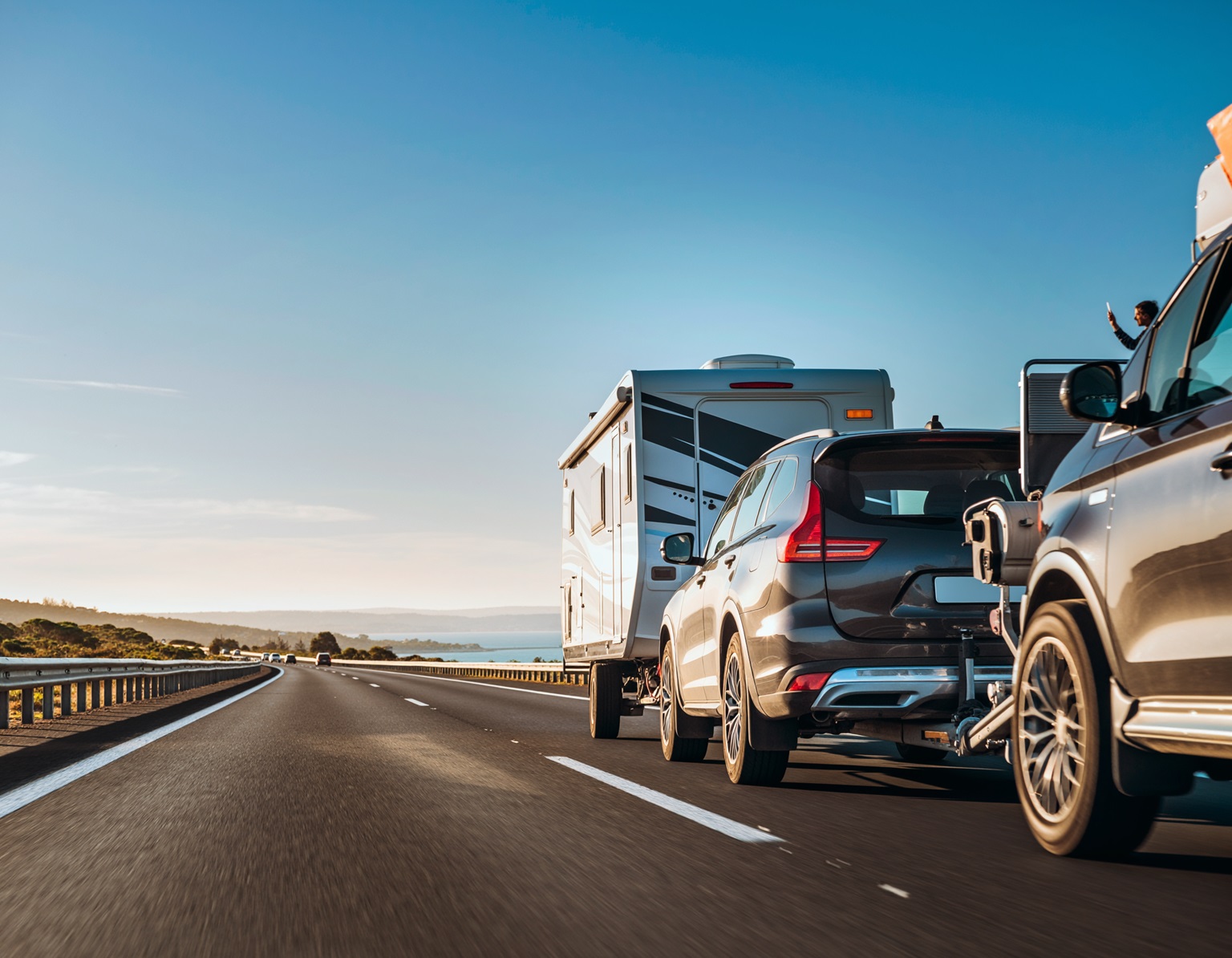
There’s something brilliant about loading up the four-wheel drive, hitching the camper, and setting off to explore Western Australia’s endless coastline or rugged inland tracks. But what many travellers overlook is how quickly a trip can turn stressful when something goes wrong hundreds of kilometres from help.
Good planning isn’t about expecting trouble. It’s about towing preparation WA and making sure you’re ready for whatever comes your way. When you’re travelling through vast, remote areas, the right preparation can mean the difference between a short delay and a ruined holiday.
Why Remote WA Needs Different Planning
Travelling within Perth or the South West usually means you’re never too far from help. A breakdown in those areas might be inconvenient, but it’s rarely serious. Head north towards Coral Bay, east into the Goldfields, or south to Esperance, and the picture changes fast.
Remote WA brings unique challenges. Roads can be rough, weather unpredictable, and mobile reception unreliable. Distances are huge, fuel stops can be few, and temperatures swing from searing heat to cold desert nights. The isolation means every trip demands self-sufficiency and a clear plan for towing and emergencies.
Most breakdowns aren’t dramatic – flat tyres, overheated engines, or drained batteries are common. The problem is that these small issues become serious when you’re far from help without the right equipment or knowledge.
Managing Weight and Load Safety
One of the biggest mistakes travellers make is overloading. Every vehicle and trailer has a Gross Vehicle Mass (GVM) and Aggregate Trailer Mass (ATM) limit. Add camping gear, passengers, food, water, and recovery tools, and you may already be close to those limits.
Exceeding your towing or vehicle capacity doesn’t just break Department of Transport WA regulations – it affects braking, steering, and control. It also puts strain on tow bars and suspension, increasing the risk of mechanical failure.
Before you leave, use a public weighbridge to check your setup. Knowing your actual load helps keep you safe and legal. Overloading by even a few hundred kilograms can cause major stress on your vehicle and increase the risk of needing assistance.
The Camping Towing Checklist WA Travellers Should Follow
A thorough camping towing checklist WA ensures your vehicle and trailer are in top shape before departure.
- Tyres: Inspect tread depth and sidewalls, and adjust pressures for conditions.
- Battery: Test it, especially if it’s over three years old. Remote areas are unforgiving when a battery fails.
- Fluids: Top up and check for leaks in coolant, oil, and brake fluid.
- Brakes: Ensure both vehicle and trailer brakes are working efficiently.
- Connections: Check couplings, chains, lights, and wheel bearings on your trailer or caravan.
Small issues caught in your driveway can prevent hours of frustration later.
Recovery Gear That Actually Works
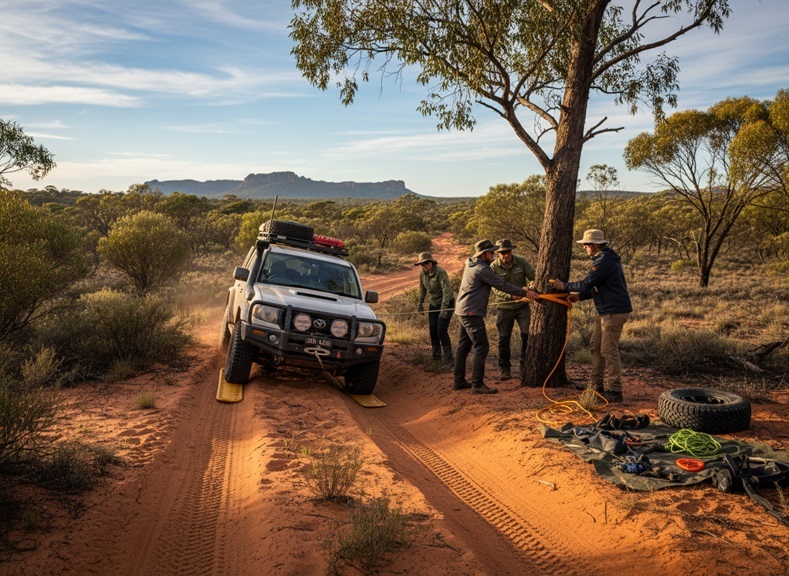
You don’t need every gadget on the market. The best recovery kits are simple, reliable, and well-matched to your vehicle.
- Rated recovery strap and shackles (not tow ropes).
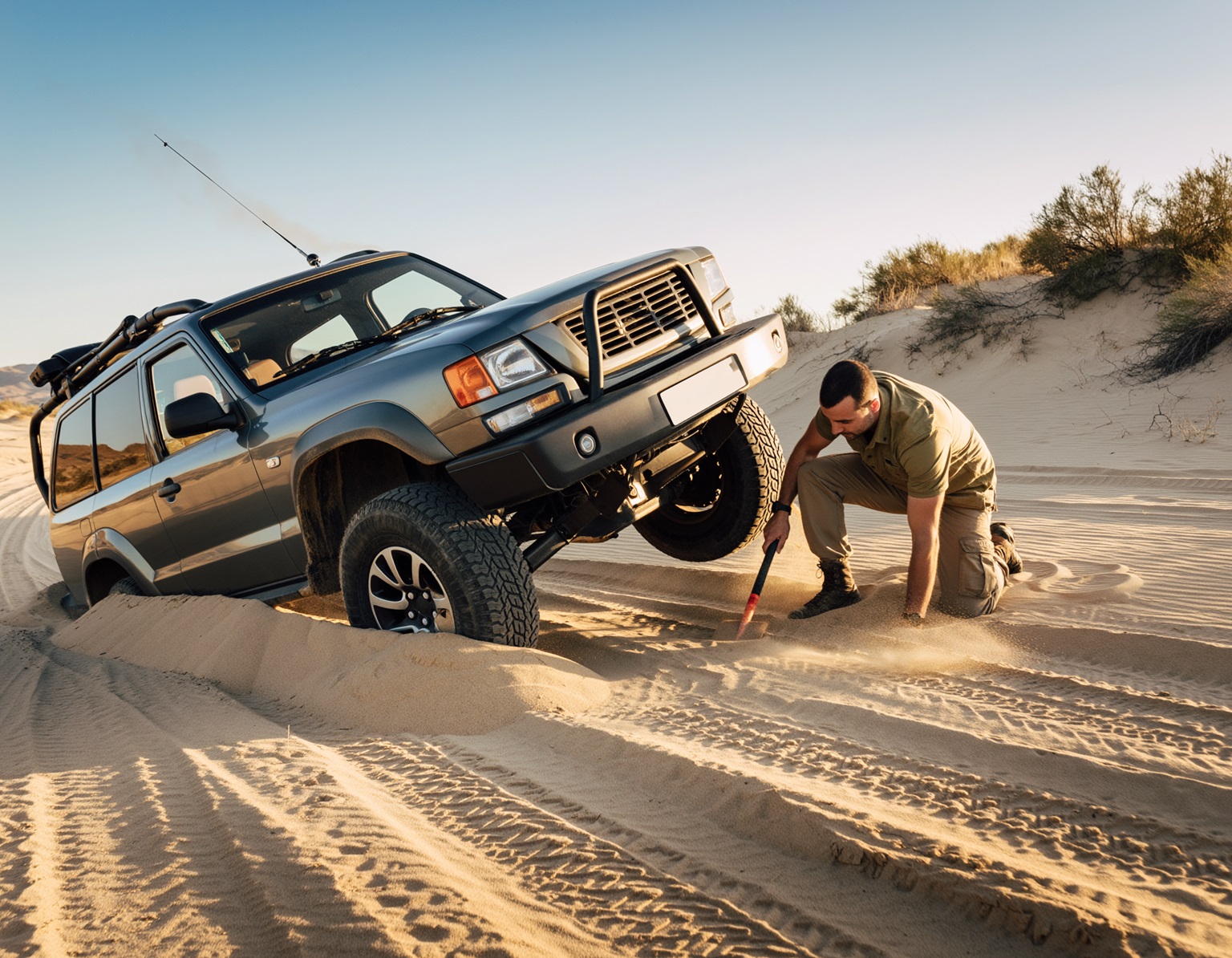
- Strong shovel for digging in sand or mud.
- Tyre deflator and quality air compressor.
- Jack suitable for sand or soft ground.
- Basic toolkit and cable ties for quick fixes.
Analogy: Using a cheap strap instead of a rated recovery strap is like towing a caravan with a bit of string – it won’t hold when it matters most.
Communication and Emergency Planning
Mobile coverage disappears quickly once you leave major roads. Always share your route and expected return date with someone responsible. Provide detailed locations and timeframes.
For serious remote travel, consider a satellite communicator or Personal Locator Beacon (PLB). They’re expensive but can save lives when there’s no signal. A UHF radio is essential too – Channel 40 is commonly monitored by other travellers who can provide help or updates on track conditions.
If you do break down, stay with your vehicle. It offers shade, water, and visibility for rescuers. Make yourself easy to spot by raising the bonnet or attaching bright fabric to the antenna.
Common Mechanical Failures and How to Prevent Them
Most breakdowns are avoidable. Overheating, punctures, suspension issues, and electrical faults usually come from poor maintenance or overloading.
- Keep your cooling system clean and full.
- Slow down on corrugated roads to prevent suspension wear.
- Carry at least one full-size spare tyre, ideally two.
- Ensure your wheel brace fits your wheel nuts before you leave.
- Secure batteries properly and check electrical connections.
Preventative checks before departure save you time, money, and stress once you’re on the road.
Packing Essentials for Remote Safety
A proper towing preparation WA setup includes more than just camping gear. Think about survival, recovery, and repairs.
- Extra fuel in certified jerry cans.
- Ample water (minimum five litres per person per day).
- Comprehensive first aid kit.
- Spare parts: fuses, bulbs, hoses, belts, and fluids.
- Torch with spare batteries.
Always carry physical copies of insurance and emergency contact details in case your phone dies.
Understanding Insurance and Recovery Costs
Before you travel, check your insurance policy. Some exclude remote recoveries or off-road travel. Others charge high excess fees for recovery beyond certain distances.
Remote towing can be expensive because of travel distance, time, and fuel. It’s not overcharging – it’s the cost of getting help where few others can reach. The best defence is preparation, followed by a good insurance policy and realistic expectations.
When Things Go Wrong
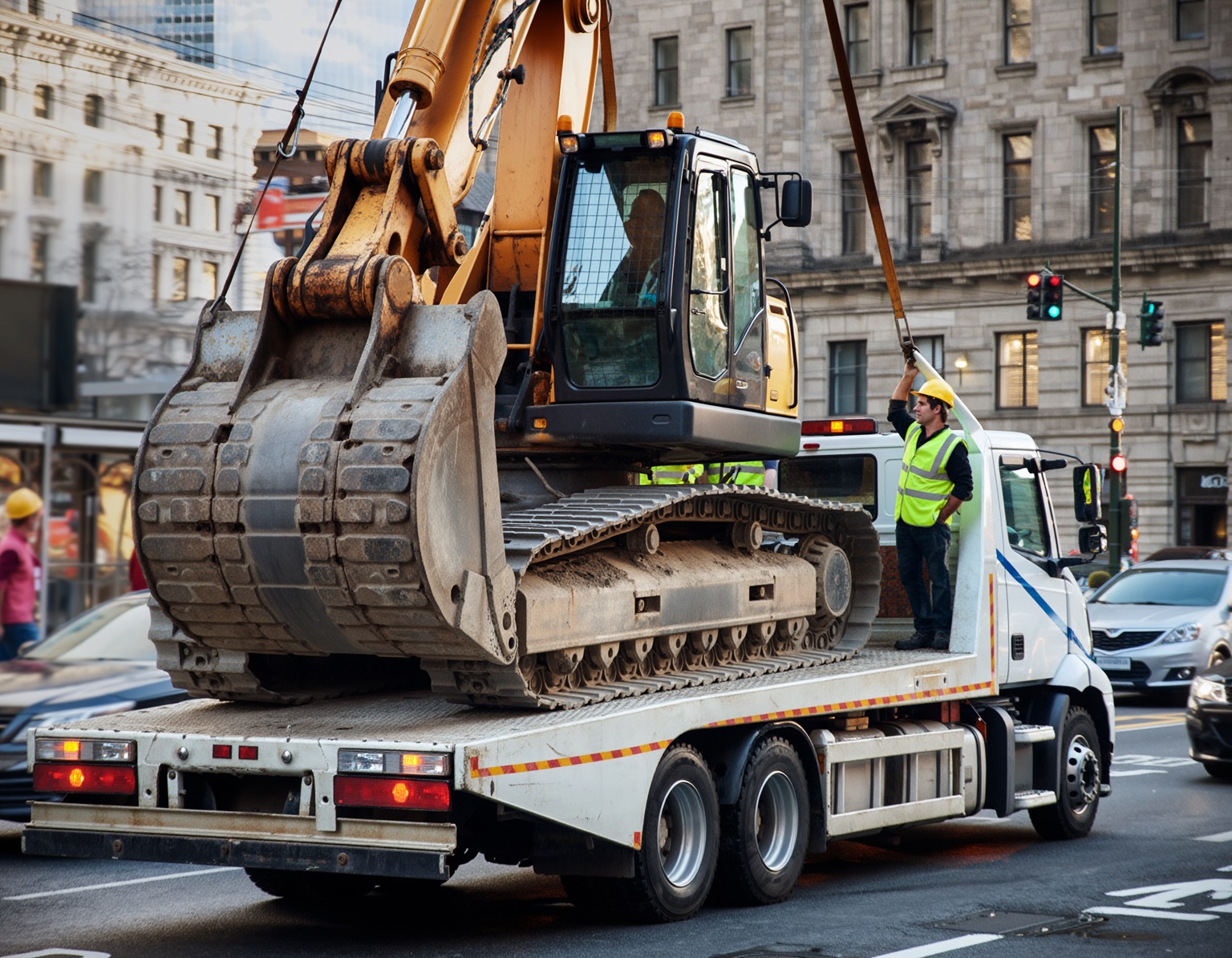
If the worst happens and you can’t recover your vehicle, it’s time to call for help. Professional towing services specialise in remote recovery and can coordinate assistance across WA.
At this stage, reliable support becomes invaluable. All Out Towing has extensive experience handling long-distance recoveries throughout Western Australia, from remote mining tracks to coastal access roads. When you’re stranded, having a trusted operator ready to respond makes all the difference.
If your breakdown involves electrical failure, battery issues, or a puncture close to town, roadside assistance can often get you going again without needing a full tow. For more serious incidents, our team provides 24-hour emergency towing and accident towing anywhere across Perth and regional WA.
Building Experience Gradually
If you’re new to camping or towing, start small. Pick locations where help is accessible, then work your way up to more remote destinations. Test your recovery gear and practise using it safely before relying on it in real situations.
Every trip will teach you something new. Preparation, patience, and planning go a long way towards ensuring you return with stories instead of regrets.
For professional towing assistance or remote recovery support, get in touch with our team today. We understand the realities of WA travel and have helped countless drivers get home safely.
The best camping trips aren’t the ones without challenges – they’re the ones where you’re ready for them. Preparation keeps you calm, confident, and in control no matter how far you roam.